Table of Contents >> Show >> Hide
- Why a handshake still matters (and when it doesn’t)
- The Effective Handshake Formula: 7 Steps
- Step 1: Set the scene with your body language
- Step 2: Read the momentshould you initiate?
- Step 3: Get the “hand geometry” right (this matters more than you think)
- Step 4: Match the pressurefirm, not fierce
- Step 5: Keep it short: 2–3 seconds, 1–2 gentle pumps
- Step 6: Add words that strengthen the connection
- Step 7: Exit cleanlyand adapt with confidence
- Quick checklist: the “Goldilocks Handshake”
- Handshake mistakes that sabotage first impressions
- Situational tips: interviews, networking, and group greetings
- How to practice without making it weird
- Real-world handshake experiences and lessons (extra 500+ words)
- Final takeaway
The handshake is the original “read receipt.” Before you say a single brilliant sentence, your hand (and your body language)
has already sent a message: confident, awkward, rushed, friendly, or “please don’t make me do this.” The good news? An
effective handshake isn’t mysteriousand it definitely isn’t about crushing someone’s knuckles to prove you drink protein shakes.
In this guide, you’ll learn a simple, modern handshake technique you can use in job interviews, networking events, client meetings,
and everyday introductions. We’ll cover the 7 steps that make a handshake feel confident and respectful, plus common mistakes,
inclusive alternatives, and real-world scenarios so you can actually use this in the wild.
Why a handshake still matters (and when it doesn’t)
A good handshake is a fast way to signal warmth, professionalism, and “I’m comfortable being here.” In business settings, it’s often
the first physical cue that sets the tone for the conversation. But let’s be real: handshakes are also optional now in many situations.
Some people avoid them for health, religious, cultural, sensory, or accessibility reasonsand that’s normal.
The most effective approach today is confidence + consent. If a handshake happens, do it well. If it doesn’t, greet warmly with a smile,
eye contact, and a clear introduction. You’re not losing points for being considerate; you’re gaining them.
The Effective Handshake Formula: 7 Steps
Step 1: Set the scene with your body language
Great handshakes start before hands even move. Aim for a steady, open posture: shoulders relaxed, chin level, and feet planted.
If you’re seated and someone approaches, stand up if you canit’s a small sign of respect that also puts you at equal eye level.
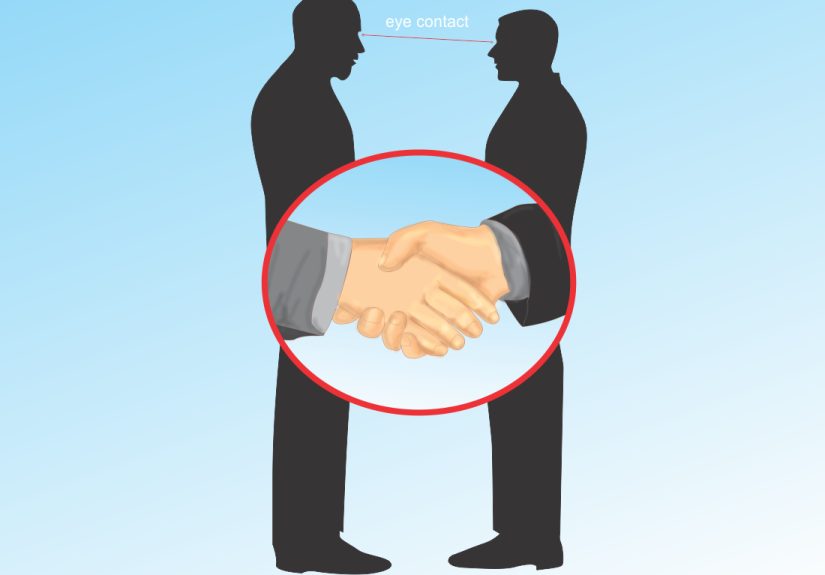
- Make eye contact (friendly, not laser-beam intense).
- Offer a genuine smileeven a small one makes you look approachable.
- Face the person (don’t half-turn like you’re trying to escape).
Think of this as “handshake foreplay,” except HR-approved and not weird.
Step 2: Read the momentshould you initiate?
In some professional settings, the person with higher seniority may initiate the handshake. In interviews, many candidates wait for
the interviewer to extend their hand first. That said, if the other person is clearly moving to greet you, don’t freeze like a laptop
updating at 1%.
Your cue is simple: if they step in, make eye contact, and their right arm starts to lift, you’re good. If their hands stay busy,
they’re holding a drink, or they keep distance, switch to a verbal greeting: “Hi, I’m Mayagreat to meet you.”
Step 3: Get the “hand geometry” right (this matters more than you think)
The most common handshake fail isn’t grip strengthit’s missing the contact point. You want web-to-web contact:
the soft area between your thumb and index finger should meet theirs. That’s what makes the handshake feel complete and secure,
rather than like you grabbed three fingers and a dream.
- Extend your right hand (unless the situation clearly calls for something else).
- Keep your palm verticalnot facing down (dominant) or up (submissive).
- Slide in until the webbing meets, then close your fingers around their hand.
If you do nothing else, do this. Web-to-web is the cheat code.
Step 4: Match the pressurefirm, not fierce
The goal is a firm handshake that feels confident and steady. Not limp (“dead fish”) and not aggressive (“bone crusher”).
A helpful rule: apply enough pressure to feel connected, then stop increasing pressure. Your handshake should never feel like a test
of endurance or a medieval loyalty oath.
If the other person’s grip is lighter, match it. If it’s firmer, meet it without escalating into a grip arms race.
Step 5: Keep it short: 2–3 seconds, 1–2 gentle pumps
Most great handshakes are brief: about 2–3 seconds with one or two small up-and-down motions. The movement should come
from the elbow (controlled), not the wrist (wiggly) or shoulder (overly dramatic).
Timing tip: the handshake should typically end when your greeting sentence ends. If you’re still shaking hands after “Nice to meet you,”
it’s going to get awkward. Fast.
Step 6: Add words that strengthen the connection
A handshake without a clear greeting is like a great movie with no sound: people get the idea, but it’s not as effective.
Pair the handshake with a calm introduction:
- “Hi, I’m Jordan Lee. It’s great to meet you.”
- “Nice to meet you, Ms. Ramirez.” (Use a title + last name when in doubt.)
- “Thanks for making the time today.” (Excellent for interviews and client meetings.)
If you catch their name, repeat it once naturally. People tend to respond warmly to hearing their own namejust don’t sprinkle it
into every sentence like parsley.
Step 7: Exit cleanlyand adapt with confidence
Release smoothly, let your arm return to a neutral position, and transition into the conversation. Don’t keep holding on while you keep
talking, and don’t do the “two-handed cling” unless you have a strong relationship and cultural context that makes it normal.
Also: adapt like a pro. If someone doesn’t offer a handshake, you can still nail the greeting:
- Smile, make eye contact, and say, “Great to meet you.”
- Offer a small wave or nod.
- If appropriate, ask lightly: “Do you prefer a handshake?”
The most professional move is making the other person comfortable. That’s what confidence looks like.
Quick checklist: the “Goldilocks Handshake”
- Dry hand (if you can manage it without making a big show).
- Stand (when appropriate).
- Eye contact + smile.
- Palm vertical, web-to-web contact.
- Firm grip, 1–2 gentle pumps, 2–3 seconds.
- Release smoothly and move into the conversation.
Handshake mistakes that sabotage first impressions
Here are the classicsavoid these and you’re already ahead of a surprising number of adults.
- The Dead Fish: limp fingers, no real contact. Signals uncertainty or disinterest.
- The Bone Crusher: too much pressure. Signals aggression or poor social calibration.
- The Fingertip Grab: missing web-to-web contact. Feels awkward and insincere.
- The Palm-Down Power Move: reads as dominance. Keep your palm vertical.
- The Never-Ending Shake: you’re still shaking while talking. Creates discomfort fast.
- The Wet Hand Surprise: happens to everyone sometimesminimize it with basic hand hygiene.
- The “Politician” Double-Hand: using the left hand to cover or squeeze both hands. Can feel invasive.
Situational tips: interviews, networking, and group greetings
Job interviews
In an in-person interview, a handshake often happens at the beginning and sometimes at the end. Aim for calm confidence: steady eye contact,
a short greeting, and the standard 2–3 second handshake. If the interviewer doesn’t offer a hand, don’t force itswitch to a friendly verbal greeting.
Networking events
Networking is basically speed-friending with business cards. Keep your handshake consistent and your intro simple:
“Hi, I’m Samwhat brought you here tonight?” Your goal is to create an easy, welcoming momentnot a performance.
Client meetings
With clients, mirror their vibe. Some people appreciate a classic handshake; others prefer minimal contact. When in doubt, let the client
set the physical tone and focus on warmth, clarity, and respect.
Meeting multiple people
If you’re greeting a group, start with the host or the person who introduces you. Keep the handshake consistent across the groupno
“firm for the boss, flimsy for everyone else.” People notice.
How to practice without making it weird
You don’t need a handshake dojo, but a little practice helpsespecially if you get nervous in formal settings.
- The pressure scale: practice grips from 1–10 and aim for a 5–6 (firm, comfortable).
- Timing drill: shake hands while saying, “Hi, I’m ___. Nice to meet you.” Release at the end.
- Web-to-web focus: practice hitting the correct contact point without looking down.
- Mirror check: make sure your shoulders are relaxed and your smile looks natural.
Bonus: If you tend to get sweaty palms, prioritize basic hand hygiene and carry a discreet tissue. No one needs to know your hand is
doing its own weather system.
Real-world handshake experiences and lessons (extra 500+ words)
You can read rules all day, but handshakes really click when you picture real situations. Here are common “this actually happens”
moments people run intoand what a smart handshake looks like in each one.
1) The interview where nerves make your hand go limp
A lot of people walk into an interview focused on the “right answers,” then accidentally offer a handshake that’s too soft because their
brain is screaming, Don’t mess up! The fix isn’t to overcorrect with a death grip. It’s to reset your body first: stand tall, relax your
shoulders, and take one slow breath before you greet. When your posture is steady, your grip naturally firms up. Pair the handshake with
one sentence“It’s great to meet you, thanks for having me”and release. The lesson: calm body language creates a calm handshake.
2) The networking event where your hands are full
Picture this: one hand has a drink, the other is juggling a phone and a name tag that refuses to stick. Someone approaches with a smile
and suddenly you have to decide between spilling soda or looking rude. In this scenario, the best move is a smooth verbal pivot:
“Hi! I’m Taylorgive me one second to set this down.” If you can free your right hand quickly, greatgo for the standard web-to-web shake.
If not, offer a friendly nod and continue the conversation. The lesson: the most professional greeting is the one that avoids awkwardness
and respects the moment.
3) The client meeting with a “power handshake” surprise
Sometimes you meet someone who treats handshakes like competitive sports. They squeeze hard, pull slightly, and hold eye contact like
they’re negotiating with a villain in a movie. If you respond by squeezing harder, you turn it into a weird contest. A better approach:
keep your palm vertical, match pressure without escalating, and use your voice to steer the tone“Great to finally meet you. I’m looking
forward to working together.” Then release on time. The lesson: a steady handshake plus steady words is how you keep control without
playing games.
4) The moment someone skips the handshake entirely
In modern workplaces, you will absolutely meet someone who smiles, keeps a respectful distance, and doesn’t offer a hand. They might be
avoiding illness, managing a health condition, observing a cultural norm, or simply choosing less contact. The worst response is looking
confused, offended, or insisting anyway. The best response is easy: mirror their greeting style, introduce yourself clearly, and move on:
“Nice to meet youI’m Morgan.” If you want to be extra smooth, add warmth: “I’ve heard great things about your work.” The lesson:
professionalism is making others comfortable, not forcing tradition.
5) The group introduction where consistency matters
Group greetings can get messy: you’re meeting three to six people, trying to remember names, and deciding whose hand to shake first.
A reliable strategy is to start with the person closest to you or the person doing the introducing, then move around the group in a clear,
consistent order. Keep the handshake the same for everyonefirm, brief, friendly. If someone is seated or has their hands full, skip the
handshake and greet them verbally without making it a big deal. The lesson: consistency signals confidence, and confidence builds trust.
Final takeaway
An effective handshake is simple: open body language, web-to-web contact, a firm (not fierce) grip, and a short, friendly greeting.
Do that consistently and you’ll come across as confident, respectful, and easy to work with. And if a handshake isn’t appropriate?
No problemwarmth and professionalism still travel perfectly well through a smile and a clear “Great to meet you.”