Table of Contents >> Show >> Hide
Dress shoes crease. That is not a design flaw, a personal failure, or a sign that your oxfords secretly hate you. Leather is supposed to flex when you walk, bend, sit, stand, and do all the glamorous things life demands, like sprinting through a parking garage because you are late for a wedding. The goal is not to keep dress shoes perfectly crease-free forever. The real goal is to minimize ugly, premature creasing and keep the leather looking smooth, healthy, and expensive for as long as possible.
If you have ever bought a sharp new pair of dress shoes, worn them twice, and then stared at the vamp like it had betrayed you, you are not alone. The good news is that a few smart habits make a real difference. The even better news is that most of them are simple, affordable, and easier than pretending you naturally know how to care for fine leather.
In this guide, you will learn why dress shoes crease, how to reduce it, which mistakes make it worse, and which shoe-care products are actually worth buying. No fluff. No weird leather voodoo. Just practical advice that helps your shoes age like a movie star, not like a forgotten sandwich.
Why Dress Shoes Crease in the First Place
Before you can prevent creasing, it helps to understand why it happens. Dress shoes usually crease across the vamp, which is the area over the front of your foot. That part bends every time you take a step. Since leather is a natural material, it responds to movement, heat, pressure, moisture, and the shape of your foot.
Some creasing is normal
High-quality leather still creases. In fact, some light creasing is a sign that the leather is real and flexible. Perfectly flat leather after repeated wear is about as realistic as a white shirt surviving spaghetti night untouched.
Bad fit creates worse creasing
One of the biggest causes of deep, sloppy creases is poor fit. If your shoes are too big, the upper has excess room and collapses more dramatically when you walk. If they are too tight in the wrong areas, the leather is forced to bend unnaturally. The right fit will not eliminate creasing, but it usually helps keep the creases cleaner, finer, and more evenly placed.
Moisture is the sneaky villain
Leather absorbs moisture from your feet during the day. When damp leather dries without support, it can harden into more pronounced wrinkles and lose its original shape. That is why people who never use shoe trees often end up with shoes that look tired long before the soles are worn out.
Thin or lower-grade leather shows more damage
Not all leather ages the same way. Better full-grain calfskin often develops finer, more attractive creasing than cheaper corrected leather or overly stiff finished leather. Good leather is not immune, but it generally looks better over time with proper care.
Can You Completely Stop Creasing?
No. And anyone promising “zero creases forever” is selling either fantasy or a plastic shoe prison.
What you can do is reduce the depth, harshness, and speed of creasing. When you choose the right fit, let shoes rest between wears, use cedar shoe trees, and keep the leather conditioned, you dramatically improve how your dress shoes look after months and years of use.
Think of it this way: you are not trying to freeze time. You are trying to age your shoes gracefully.
Best Tips to Keep Dress Shoes from Creasing
1. Start with the right fit
This is the foundation. If the shoe has too much extra room over the top of your foot, the leather will fold more aggressively. A proper fit should feel secure through the midfoot and heel without pinching your toes. The upper should follow the shape of your foot rather than float above it like a small leather tent.
When trying on dress shoes, pay close attention to where the shoe bends when you walk. If it collapses in several messy lines or buckles awkwardly from the first wear, the fit may be off. A cleaner bend pattern usually means the last works better with your foot shape.
2. Use cedar shoe trees after every wear
If you only buy one product from this article, make it a good pair of cedar shoe trees. This is the single most effective habit for reducing creasing in dress shoes.
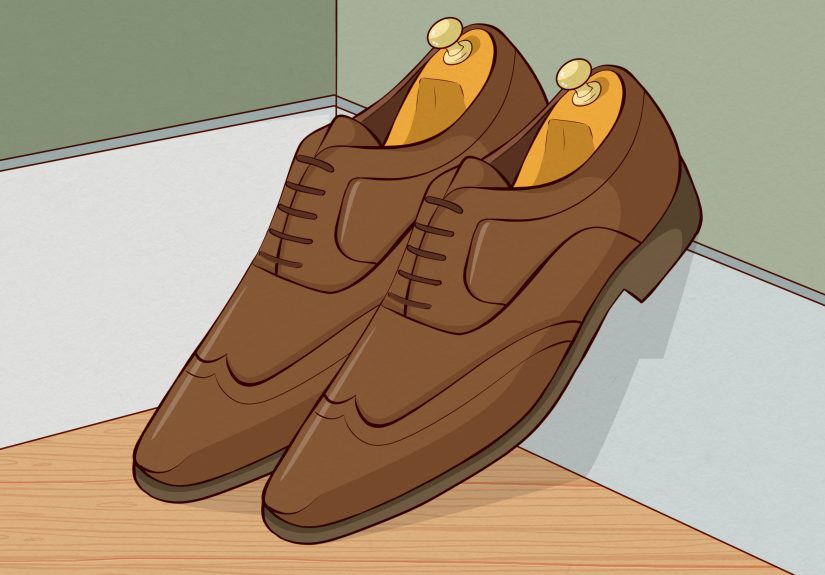
Cedar shoe trees do three important jobs. First, they support the shape of the shoe. Second, they help smooth minor creases while the leather is still warm from wear. Third, cedar absorbs moisture and odor from the inside of the shoe. That combination is exactly what dress shoes need after a long day.
Put the shoe trees in as soon as you take your shoes off, or at least as soon as practical. Waiting until the next day is better than nothing, but immediate support is better. Look for split-toe or full-toe cedar trees that fit the shoe properly without overstretching it.
3. Never wear the same pair every day
Leather needs time to recover. Wearing the same dress shoes on back-to-back days traps moisture, accelerates shape loss, and encourages deeper creases. Rotating between at least two pairs gives each pair time to dry and rebound.
This is one of those habits that feels optional until you see the difference. Two pairs worn in rotation often outlast one pair worn nonstop, and they look better during the journey. Your wallet may grumble at first, but your shoes will send a thank-you note.
4. Use a shoe horn every time
Most people think about creasing at the front of the shoe, but the back matters too. Forcing your foot into a dress shoe without a shoe horn crushes the heel counter and weakens the structure that helps the whole shoe hold its form. Over time, that damage makes the shoe look sloppy and can affect how it flexes.
A shoe horn gives your heel a smooth path into the shoe and helps preserve the shape at the back. It is one of the simplest ways to prevent unnecessary wear, and it takes about three seconds. That is a strong return on investment by any standard.
5. Condition the leather regularly
Dry leather creases more harshly. Conditioned leather stays more supple and resilient, which helps it bend more gracefully. You do not need to drown your shoes in product, but you do need to keep the leather nourished.
A light leather conditioner or cream polish every few weeks, depending on wear, is usually enough for most dress shoes. If you wear them often in dry climates, cold weather, or office heating, check them more frequently. When the leather starts looking dull, thirsty, or stiff, that is your cue.
6. Brush your shoes after wearing them
A quick pass with a horsehair brush removes dust and surface grime before it settles into the leather. This small ritual also helps redistribute oils and keeps the finish looking alive. It is not glamorous, but neither is paying premium prices for shoes that look exhausted after one season.
7. Let wet shoes dry naturally
If your dress shoes get wet, stuff them lightly with paper for the first stage of drying if needed, then use shoe trees once they are no longer soaked. Do not put them next to a heater, blast them with high heat, or leave them cooking in the sun. Direct heat can dry out leather, making it more brittle and more likely to wrinkle or crack.
8. Walk normally, but treat them like dress shoes
You do not need to move like a museum curator carrying a vase. Still, your dress shoes will look better longer if you avoid unnecessary abuse. Long crouching, aggressive toe-bending, and wearing delicate leather shoes for all-day city stomping will accelerate creasing. Match the shoe to the day. If you know you will be doing a lot of hard walking, bad weather commuting, or standing on rough surfaces, choose a more rugged pair.
Best Products for Preventing Creases in Dress Shoes
Cedar shoe trees
This is the star player. Good options are available from brands such as Allen Edmonds, Florsheim, Johnston & Murphy, Kirby Allison, and other dedicated shoe-care retailers. Choose a size that fills the shoe without forcing it wider than intended.
Shoe horn
A basic shoe horn is inexpensive and useful. A longer version is even better if you want to avoid bending down and are more likely to use it consistently. The best shoe-care product is the one that becomes a habit.
Horsehair brush
Every dress shoe owner should have at least one horsehair brush. It removes dust, buffs cream polish, and keeps the leather looking neat with minimal effort.
Cream polish
Cream polish adds pigment, moisture, and a softer shine than heavy wax alone. It is ideal for regular maintenance because it helps refresh the leather while improving appearance.
Leather conditioner
A quality conditioner is useful when the leather feels dry or looks tired. Apply it sparingly. Too much product can leave buildup, soften the leather excessively, or create a greasy finish that looks more “greasy restaurant menu” than “well-dressed professional.”
Soft cotton cloths
Simple, effective, and cheap. Use them to apply product, wipe off excess, and buff the finish without scratching the leather.
Mistakes That Make Dress Shoes Crease Faster
- Buying shoes slightly too big because they feel more comfortable in the store
- Wearing the same pair every day without rest
- Skipping shoe trees
- Jamming your foot in without a shoe horn
- Letting wet shoes dry with no support
- Ignoring leather care until the shoes look tired
- Using too much harsh product or the wrong product for the leather type
Most ugly creasing is not caused by one dramatic event. It is caused by small repeated habits. The upside is encouraging: small better habits fix the problem too.
What Real-World Wearers Learn After a Few Expensive Mistakes
There is a certain kind of education that only comes from owning a nice pair of dress shoes and then accidentally aging them ten years in six months. Ask almost any person who has spent real money on leather shoes, and the stories start sounding familiar.
First, many people assume that expensive shoes will somehow resist creasing by magic. Then they wear the same pair to the office four days in a row, slide into them without a shoe horn, leave them by the door overnight, and wonder why the vamp now looks like a folded map. The lesson is usually immediate: quality helps, but routine matters more than people think.
Another common experience is the “shoe tree conversion.” Someone buys cedar shoe trees almost reluctantly, usually after reading one too many care guides or after a painful glance at their wrinkled loafers. A few weeks later, they realize their shoes look smoother, smell better, and feel more structured. Suddenly the product that seemed fussy now feels essential. That is probably because it is.
Fit is another big one. Many dress-shoe owners learn the hard way that “close enough” sizing is not close enough at all. A pair that feels acceptable in the store can develop wild, uneven creasing once it meets real walking. On the flip side, people who find a last that truly suits their feet often notice that their shoes crease in a cleaner, more elegant way. Same person. Same habits. Better fit. Better result.
People also tend to remember the first time they overdid shoe care. Too much conditioner, too much wax, too many random internet hacks, and suddenly the shoes feel sticky, look cloudy, or collect buildup in the creases. That experience usually teaches a useful principle: leather care works best when it is consistent and light-handed, not dramatic. Your shoes are not a cast-iron skillet. They do not need a weekly spa retreat.
Weather also teaches hard lessons. Anyone who has worn leather dress shoes through rain and then parked them next to a heater has probably watched them dry into a stiffer, more wrinkled version of themselves. After that, the idea of letting shoes dry naturally with proper support stops sounding like boring advice and starts sounding like wisdom carved into stone.
Perhaps the most reassuring real-world experience is this: well-cared-for creases often stop looking like damage and start looking like character. A polished pair of oxfords with fine, controlled lines across the vamp can look elegant, mature, and properly broken in. The shoes still look cared for. They still hold shape. They still say you know what you are doing, even if you learned it one preventable mistake at a time.
In other words, people usually do not win the battle against creasing by finding one miracle product. They win by combining smart fit, shoe trees, rotation, a shoe horn, and basic leather care until those habits become automatic. That is the real experience most long-time dress-shoe owners end up sharing. The shoes that age best are rarely the ones babied once. They are the ones maintained well, over and over, without drama.
Final Thoughts
If you want to keep dress shoes from creasing, focus on the habits that actually matter: buy the right fit, use cedar shoe trees after every wear, rotate your pairs, use a shoe horn, and keep the leather clean and conditioned. That combination will not make your shoes immune to life, but it will keep them looking sharper, longer.
The best part is that none of this is complicated. Good dress-shoe care is mostly about doing small things consistently. That is true of shoes, and unfortunately, also of fitness, money, and answering emails. At least the shoes are more rewarding.