Table of Contents >> Show >> Hide
- What Is a Bottle Terrarium (and Why Is It So Addictive)?
- DIY Bottle Terrarium Supplies
- Step-by-Step: How to Make a DIY Bottle Terrarium
- Step 1: Clean the Bottle Like You’re Hosting Microscopic Guests
- Step 2: Build the Drainage Layer (a.k.a. The “Oops Insurance”)
- Step 3: Add Activated Charcoal (Because Bottles Can’t Air Out Like Pots)
- Step 4: Add a Moss Barrier (So Your Layers Don’t Become a Mud Lasagna)
- Step 5: Add the Soil/Substrate Layer
- Step 6: Plan Your Layout Before You Start Planting
- Step 7: Prep Your Plants (and Save Yourself Later)
- Step 8: Plant Inside the Bottle (Tiny Garden Surgery Time)
- Step 9: Add Moss and Hardscape Details
- Step 10: Water Carefully (The Most Important Step You’ll Want to Rush)
- Step 11: Seal (or Don’t) and Place It in the Right Light
- Best Plants for a Bottle Terrarium
- How to Know If Your Terrarium Has the Right Moisture
- Terrarium Care: Keeping Your Bottle Ecosystem Happy
- Troubleshooting: Common Bottle Terrarium Problems (and Fixes)
- Two DIY Bottle Terrarium Examples You Can Copy
- My Bottle Terrarium Field Notes ( of Real-World Experience)
- Conclusion
A bottle terrarium is basically a tiny planet you can keep on a bookshelf. It’s part houseplant, part science experiment, and part “Wow, I made this with a recycled bottle and questionable confidence.” If you’ve ever wanted an indoor garden that doesn’t demand daily attention (or emotional reassurance), a DIY bottle terrarium is your low-drama, high-cute solution.
In this guide, you’ll learn how to build a bottle terrarium step-by-step, how to choose plants that won’t throw a tantrum in a glass container, and how to water it without accidentally creating a swamp. We’ll also cover the difference between an open terrarium and a closed terrarium, because yesyour lid decision is a lifestyle choice.
What Is a Bottle Terrarium (and Why Is It So Addictive)?
A terrarium is a planted containerusually glassthat creates a mini growing environment. A “bottle terrarium” simply uses a bottle-shaped container (wine bottle, swing-top bottle, carboy, vase with a narrow neck, etc.). The bottle’s shape is great for showcasing layers and creating a humid microclimate, but it also means you’ll be planting with tools like a tiny surgeon.
Open vs. Closed Bottle Terrariums
- Closed terrarium: Has a lid (or mostly sealed top). Humidity stays high, moisture cycles inside, and watering is minimal. Best for humidity-loving plants (mosses, small ferns, fittonia, some peperomia).
- Open terrarium: No lid. More airflow, lower humidity, and the soil dries faster. Better for plants that hate wet feet (many succulents and cacti), but bottles are often awkward for these since narrow necks limit airflow anyway.
If you’re using a true bottle with a narrow opening, a closed bottle terrarium is usually the easiest path to success, because it stabilizes humidity and reduces watering frequency. (Translation: fewer chances to mess it up.)
DIY Bottle Terrarium Supplies
You don’t need fancy gear, but you do need the right layers and a few “long and skinny” tools for bottle access.
Core Materials
- Glass bottle/container (clean, clear, and odor-free)
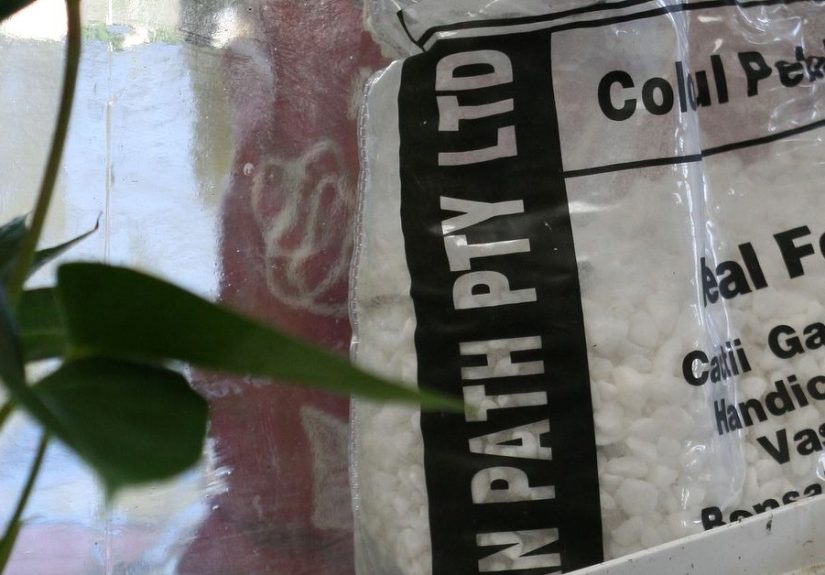
- Drainage material (small gravel, pebbles, aquarium stones, or clay pebbles/LECA)
- Activated charcoal / horticultural charcoal (for freshness and odor control)
- Moss barrier (sheet moss or sphagnum moss) to keep soil from mixing into the drainage layer
- Terrarium substrate (light, sterile potting mix or a terrarium-friendly blend)
- Plants suited to your terrarium type (more on this soon)
- Optional decor: stones, driftwood, bark, figurines (tiny dinosaur optional but encouraged)
Tools That Make Bottle Terrariums Way Easier
- Long spoon (or a spoon taped to a chopstickyes, really)
- Chopsticks or long tweezers/tongs for placing plants
- Small funnel (or rolled paper cone) for adding soil neatly
- Soft paintbrush for cleaning soil off glass and tidying moss
- Spray bottle for controlled watering
Step-by-Step: How to Make a DIY Bottle Terrarium
Step 1: Clean the Bottle Like You’re Hosting Microscopic Guests
Wash the inside and outside thoroughly. Any leftover sugar, oils, or mystery residue can invite mold and odors. Let it dry completely. If your bottle smells like “previous life,” rinse with warm water and a little vinegar, then rinse again and dry.
Step 2: Build the Drainage Layer (a.k.a. The “Oops Insurance”)
Since bottles don’t have drainage holes, the bottom layer acts as a reservoir for extra water. Add about 1/2 inch to 1 inch of gravel or small stones (more for large bottles). This helps keep roots from sitting in soggy soil.
Tip: Rinse gravel first so your terrarium doesn’t look like a snow globe made of dust.
Step 3: Add Activated Charcoal (Because Bottles Can’t Air Out Like Pots)
Sprinkle a thin layer of activated or horticultural charcoal over the drainage layer (often around 1/2 inch in bigger containers, thinner in small ones). Charcoal helps “freshen” the system and can reduce sour odors as organic material breaks down. In closed setups, it’s especially useful because there’s less natural exchange of air.
Step 4: Add a Moss Barrier (So Your Layers Don’t Become a Mud Lasagna)
Place sheet moss or sphagnum moss on top of the charcoal. This layer prevents soil from washing down into the rocks over time while still letting moisture move through. It also helps keep the terrarium looking crisp and layered instead of “everything mixed into one sad brown zone.”
Step 5: Add the Soil/Substrate Layer
Add a terrarium-friendly potting mix. You want a light, airy substrate that holds some moisture but won’t compact into a brick. Aim for at least 1.5 to 3 inches of soil depending on bottle size and plant roots. Slightly moist soil is easier to work with (less dust cloud inside the bottle), but it shouldn’t be wet.
If you’re going for a closed tropical vibe, prioritize a mix that drains well yet stays lightly moist. If your mix is super heavy, you’ll end up with waterlogged roots and the botanical equivalent of a bad mood.
Step 6: Plan Your Layout Before You Start Planting
Here’s the secret: the prettiest terrariums are designed, not “dumped in.” Think about:
- Focal point: One plant that anchors the scene (a fittonia or small fern works well).
- Supporting cast: Smaller textures like moss or tiny-leaf plants.
- Negative space: Leave breathing room so it doesn’t look overcrowded on day one.
Step 7: Prep Your Plants (and Save Yourself Later)
Remove plants from their pots and gently loosen roots. Brush away some extra potting soilespecially if it’s a dense nursery mix. Trim any damaged leaves. For bottle terrarium plants, smaller is better: compact growth means less pruning and fewer “why is this plant trying to become a tree?” moments.
Step 8: Plant Inside the Bottle (Tiny Garden Surgery Time)
Use a chopstick or long spoon handle to make a hole in the soil. Place the plant with tongs or chopsticks, set it into the hole, and gently firm soil around the roots. Repeat with other plants, working from the back to the front if your bottle shape allows.
If your bottle opening is narrow, plant fewer species. Crowding makes airflow worse, trimming harder, and mold more likely. Minimalist terrariums age beautifully; chaotic ones age like milk.
Step 9: Add Moss and Hardscape Details
Top exposed soil with moss to help retain moisture, prevent splashing soil onto the glass, and make everything look intentional. Add stones or wood sparingly. In a bottle terrarium, too many decorations can block light and reduce planting space.
Step 10: Water Carefully (The Most Important Step You’ll Want to Rush)
Here’s the deal: most terrariums die from too much water, not too little. Moisten the soil lightlythink “damp sponge,” not “pond.” Use a spray bottle or a teaspoon to control the amount.
- Closed terrarium: Add a small amount, then wait. Moisture will cycle. You should see some condensation, but not constant dripping.
- Open terrarium: Water a bit more often, but always lightly. No drainage hole means no “flush it out” option.
Pro move: If you’re making a closed terrarium, don’t seal it while leaves are wet. Let wet foliage dry first to reduce rot and fungal issues.
Step 11: Seal (or Don’t) and Place It in the Right Light
Put your bottle terrarium in bright, indirect light. Avoid direct sunglass plus sun can overheat fast and cook your plants. Think “near a window” not “on a windowsill roasting like a tiny greenhouse burrito.”
Best Plants for a Bottle Terrarium
Your plant choices should match the environment you’re creating. A closed bottle terrarium is humid and stable, like a spa day that never ends. Pick plants that enjoy that.
Great Picks for a Closed Bottle Terrarium
- Fittonia (nerve plant): Colorful leaves, compact growth, loves humidity.
- Small ferns: Humidity fanschoose small, slow growers for bottle scale.
- Mini peperomia: Many varieties stay small and handle terrarium life well.
- Moss: Ideal ground cover and humidity indicator (crispy moss = it’s too dry).
- Pilea varieties: Some do well in closed terrariums when kept trimmed.
Plants to Avoid in Most Closed Bottle Terrariums
- Succulents and cacti: They prefer dry air and bright direct lightopposite of closed terrariums.
- Fast growers: Anything that will outgrow the bottle quickly becomes a pruning marathon.
- Plants that hate humidity: If it needs “let soil dry completely,” it’s not a closed terrarium friend.
How to Know If Your Terrarium Has the Right Moisture
A healthy closed terrarium often shows a gentle pattern: light condensation appears, then clears. This is the “rain cycle” in actionwater evaporates, condenses on the glass, then returns to the soil.
Quick Condensation Cheat Sheet
- Constant heavy fog/dripping: Too wet. Vent it by opening the lid for about an hour, then recheck.
- No condensation for days and plants look thirsty: Too dry. Add a tiny amount of water (start small).
- Some condensation that clears daily: Goldilocks zone. Leave it alone and enjoy your tiny planet.
It’s normal for a new closed terrarium to fog up for the first few days while it finds balance. Don’t panic. Terrariums love patience. Humans… less so.
Terrarium Care: Keeping Your Bottle Ecosystem Happy
Light
Bright, indirect light is ideal. Rotate the bottle occasionally for even growth. Keep it away from heating vents, radiators, and direct sun to prevent overheating.
Watering
For closed terrariums, watering should be rare once the system is stable. If you’re unsure, wait. Adding water is easy; removing water from a sealed bottle is… a hobby you don’t need.
Pruning
Trim plants that touch the glass or crowd each other. Overgrowth reduces airflow and can encourage rot. Use long scissors or small snips; remove clippings promptly so they don’t decay and invite mold.
Cleaning
Use a dry paper towel wrapped around a chopstick to wipe excess condensation or algae spots. A soft paintbrush helps sweep soil from the glass without disturbing the whole scene.
Troubleshooting: Common Bottle Terrarium Problems (and Fixes)
Problem: Mold on Soil or Plants
- Why it happens: Too much moisture, poor airflow, decaying leaves.
- Fix: Remove dead material, vent the terrarium briefly, and reduce watering. Trim overcrowded plants.
Problem: Plants “Melt” or Turn Mushy
- Why it happens: Overwatering, plants not suited to high humidity, or heat stress.
- Fix: Vent and dry slightly; replace unsuitable plants with humidity lovers (fittonia, moss, small ferns).
Problem: Too Much Condensation
- Why it happens: Excess water or a warm placement.
- Fix: Open for about an hour to release humidity; move to cooler, indirect light.
Problem: No Condensation in a Closed Terrarium
- Why it happens: Not enough moisture, or lid not sealing well.
- Fix: Add a very small amount of water; check the seal and overall humidity level.
Two DIY Bottle Terrarium Examples You Can Copy
Example 1: The “Wine Bottle Jungle” (Beginner-Friendly Closed Terrarium)
- Container: Clear wine bottle with a cork or stopper
- Plants: Fittonia + a small peperomia + cushion moss
- Look: Moss “meadow” foreground, fittonia as the focal point, peperomia for texture
- Care vibe: Minimal watering, occasional pruning, bright indirect light
Example 2: The “Forest Floor Bottle” (Moss-Forward, Super Low Maintenance)
- Container: Swing-top bottle (easy access for maintenance)
- Plants: Multiple mosses + one tiny fern (optional)
- Look: A clean, green carpet with stones for structure
- Care vibe: Moss tells you everythinglush = happy, pale/crispy = needs moisture
My Bottle Terrarium Field Notes ( of Real-World Experience)
The first bottle terrarium I ever made was a recycled soda bottle that I swore I’d “upgrade later.” Reader, I did not upgrade later. I became emotionally attached to a plastic bottle full of moss like it was a beloved family pet. That’s the sneaky magic of terrariums: you start out thinking you’re doing a casual DIY, and you end up with a tiny ecosystem you check on like it’s a newborn.
My biggest early mistake was watering like I was taking care of normal houseplants. I added “just a little extra” because I didn’t see immediate condensation, and I figured more water meant more success. What I actually created was a damp, foggy sauna where leaves stayed wet, soil stayed soggy, and everything smelled faintly like regret. The fix was simple but required the hardest skill known to humankind: doing nothing. I opened the lid for short bursts to vent humidity, wiped the glass, removed a few mushy leaves, and then backed away slowly like I was handling a suspicious package.
Once you’ve built a couple terrariums, you learn to trust the glass. Condensation is your dashboard. If you see constant dripping, you don’t need a master classyou need less water and more airflow. If you see nothing at all in a sealed setup, it’s not “fine,” it’s “thirsty in silence.” The trick is micro-watering: a teaspoon here, a few spritzes there, and then wait a full day before you do anything else. Terrariums are slow conversations, not rapid-fire texts.
Plant choice is another lesson you only need to learn the hard way once. I tried to put a tiny succulent in a mostly closed bottle because it looked adorable. For about a week, it was adorable. Then it started stretching, discoloring, and generally behaving like a plant trapped in the wrong climate (because it was). Succulents want strong light and dry air; closed bottle terrariums want the opposite. Now, if I’m building a closed bottle, I pick plants that look like they’d enjoy humidity: fittonia, moss, and compact leafy plants that stay small. If I want succulents, I use a wide, open container with plenty of airflow and treat it like a different project entirely.
Maintenance surprised mein a good way. I expected terrariums to be “set it and forget it,” but the best ones are more like “set it and occasionally give it a tiny haircut.” Once a month (or less), I trim anything that presses against the glass, remove fallen leaves, and brush off soil smudges so the layers look crisp again. It takes ten minutes, max, and it keeps the whole system healthier. Also: a cheap paintbrush is an underrated terrarium tool. It makes you feel like a curator of a miniature botanical exhibit, which is objectively cooler than “person who accidentally dumped potting soil into a bottle.”
The most rewarding moment is when the terrarium stabilizes and you realize it’s basically running itself. You see light condensation appear, then clear. The plants hold steady. The moss stays plush. And you think, “Wait… I made a tiny functioning ecosystem?” Yes. Yes you did. And now you will look at every empty bottle in your recycling bin like it has potential.
Conclusion
Making a DIY bottle terrarium is equal parts gardening and gentle engineering: choose the right container, build smart layers (drainage, charcoal, barrier, soil), pick humidity-friendly plants, and then water with restraint. The best bottle terrariums don’t come from doing morethey come from doing the right things once, then letting the ecosystem find its balance. Keep it in bright, indirect light, prune when needed, vent if it gets too steamy, and enjoy your tiny world in glass.