Table of Contents >> Show >> Hide
- What Makes a Frittata “Healthy” (Without Making It Boring)
- The Core Formula: The “Always Works” Frittata Ratio
- Ingredients for a Healthy Herbed Frittata (Shopping List)
- Equipment That Makes This Easy
- Step-by-Step: How to Make a Healthy Herbed Frittata
- Flavor Combos That Taste “Restaurant” but Act “Healthy”
- How to Keep It Healthy (Nutrition Tweaks That Don’t Taste Like Punishment)
- Common Mistakes (And the Easy Fixes)
- Meal Prep, Storage, and Reheating
- Quick FAQ
- Kitchen Stories and Real-Life Lessons (500-ish Words of “Yep, Been There” Energy)
If omelets are the speedy sports cars of the egg world, a frittata is the roomy station wagon that still looks cool.
It feeds a crowd, reheats like a champ, and forgives you for “eyeballing” the spinach like you’re auditioning for a cooking show.
Best of all: a healthy herbed frittata can taste luxurious while still playing nice with your everyday goalsmore veggies,
smart fats, balanced protein, and flavor so bold you won’t miss a salt avalanche.
This guide breaks down the why and the how: the best pan, the egg-to-dairy ratio, which herbs actually show up to the party,
and simple nutrition upgrades that keep your frittata satisfying (not sad). You’ll also get practical combos, troubleshooting, and make-ahead tips.
Let’s whisk.
What Makes a Frittata “Healthy” (Without Making It Boring)
“Healthy” isn’t a single ingredientit’s a set of choices that stack up:
- More plants: Aim for a frittata that’s vegetable-forward. Volume + fiber = staying power.
- Smart fat: Use olive oil and keep heavy cheese/cream optional instead of mandatory.
- Lean protein add-ins: Beans, chicken, turkey, smoked salmon, or just more veggies if you’re vegetarian.
- Herbs as flavor engines: Fresh herbs, garlic, citrus zest, and spices add punch so you can use less salt.
- Portion-friendly: Slice it like pizza, store it like meal prep, snack on it like a responsible adult.
The Core Formula: The “Always Works” Frittata Ratio
A frittata is basically a delicious math problem. The goal is eggs that set tenderlynever rubbery, never runny, never weepy.
A reliable starting point:
- 6 large eggs
- 1/4 cup dairy (milk, half-and-half, or Greek yogurt thinned with a splash of milk)
- 1–2 cups cooked veggies (less watery is better)
- 1/4–1/2 cup herbs (packed and choppedyes, really)
- 1/4–1/2 cup cheese (optional; you can go lighter)
Want it lighter? Use 4 whole eggs + 2 egg whites, or swap in more whites for extra protein with fewer calories.
Want it richer (still reasonable)? Keep the yolks and just reduce cheese.
Ingredients for a Healthy Herbed Frittata (Shopping List)
Egg Base
- 6–8 large eggs (depending on your pan size)
- 1/4–1/3 cup milk, half-and-half, or plain Greek yogurt + a splash of milk
- Salt and black pepper
- 1–2 tablespoons extra-virgin olive oil (or avocado oil)
Vegetables (Choose 2–4)
- Aromatics: onion, scallions, leeks, shallots
- Greens: spinach, kale, arugula
- Color/crunch: bell peppers, zucchini, asparagus, broccoli
- Umami: mushrooms (cook them well), sun-dried tomatoes
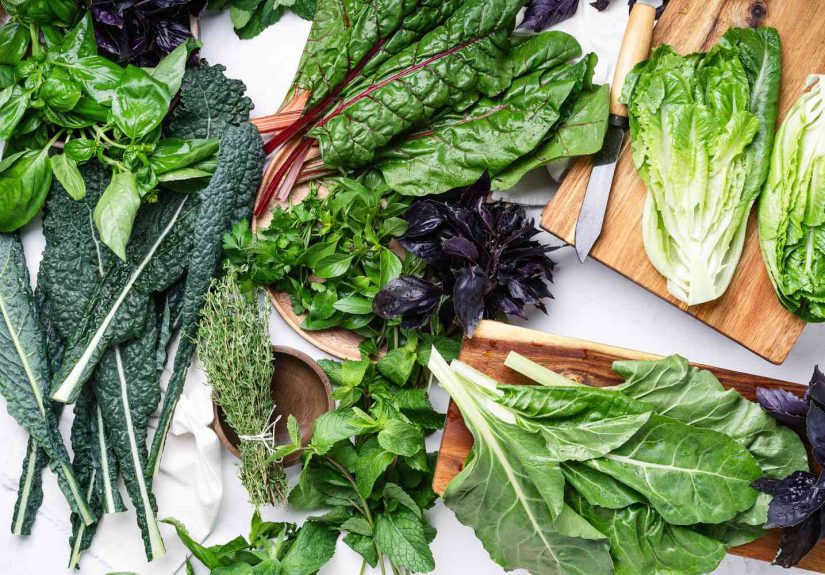
Herbs (Pick 2–3)
- Parsley + chives (classic, bright)
- Dill + scallions (fresh and “brunchy”)
- Basil + oregano (Italian-ish)
- Cilantro + mint (surprisingly good with feta)
- Thyme or rosemary (use lightlythese are loud herbs)
Protein and “Extras” (Optional but Fun)
- Cooked chicken, turkey sausage, smoked salmon, or beans
- Cheese: feta, goat cheese, part-skim mozzarella, Parmesan (a little goes far)
- Spices: smoked paprika, chili flakes, cumin, za’atar
- Citrus zest (lemon zest with herbs is a cheat code)
Equipment That Makes This Easy
- Oven-safe skillet (10-inch is the sweet spot for 6–8 eggs)
- Nonstick or cast iron for easiest release
- Whisk + mixing bowl
- Silicone spatula
- Instant-read thermometer (optional, but confidence-boosting)
Step-by-Step: How to Make a Healthy Herbed Frittata
Step 1: Prep the Oven and the Plan
Preheat to 350°F for the classic stovetop-to-oven method.
If you prefer a slower, gentler bake, you can also bake lower (more on that below).
Step 2: Cook the Vegetables First (Yes, Even the “Quick” Ones)
Most frittata heartbreak comes from one thing: watery vegetables.
Sauté your aromatics in olive oil until softened. Add mushrooms next (they release moisturelet it cook off),
then peppers/zucchini/asparagus, and finally greens just to wilt.
Season lightly as you go.
Step 3: Whisk the Egg Mixture Like You Mean It
In a bowl, whisk eggs with dairy, salt, pepper, and any spices. Whisk until the mixture looks uniform
(no streaky whites clinging to the sides like they’re refusing to participate).
Stir in most of your chopped herbs now, but save a small handful for the finish. Add cheese lightlythink “accent,” not “blanket.”
Step 4: Combine Without Chaos
Reduce heat to medium-low. Spread your cooked veggies evenly in the skillet.
Pour in the egg mixture. Use a spatula to gently nudge veggies so they’re distributed.
Let it cook undisturbed for 2–4 minutes until the edges look set but the center is still glossy.
Step 5: Finish in the Oven (Two Great Options)
Option A: Classic bake at 350°F
- Transfer skillet to the oven.
- Bake 10–15 minutes, until just set in the middle.
Option B: Low-and-slow bake (extra forgiving)
- Bake at 300°F for 45–55 minutes, until the center no longer jiggles.
Either way, don’t chase “dry equals done.” A frittata keeps cooking after it leaves the oven.
If you have a thermometer, aim for 160°F in the center for an egg dish that’s safely cooked and still tender.
Step 6: Rest, Slice, and Herb-Finish
Rest 5–10 minutes. This helps it firm up and slice neatly.
Sprinkle the reserved herbs on top. Add lemon zest, a few chili flakes, or a dusting of Parmesan if you want extra sparkle.
Flavor Combos That Taste “Restaurant” but Act “Healthy”
- Mediterranean: spinach + red onion + feta + dill + lemon zest
- Green goddess: zucchini + asparagus + peas + parsley + chives + a little goat cheese
- Southwest: bell pepper + onion + black beans + cumin + cilantro + salsa on the side
- Umami veggie: mushrooms + kale + thyme + Parmesan (light) + black pepper
- Breakfast-for-dinner: broccoli + turkey sausage + cheddar (light) + chives
How to Keep It Healthy (Nutrition Tweaks That Don’t Taste Like Punishment)
1) Use herbs and acidity to reduce salt cravings
Fresh herbs, garlic, onion, citrus, and spices add bold flavor so you can season thoughtfully rather than aggressively.
A squeeze of lemon at the end can make everything taste more “awake.”
2) Choose “just enough” cheese
Cheese is delicious. It’s also easy to overdo. Start with 1/4 cup and see if you even miss more.
Feta and Parmesan are strong flavors, so a little goes a long way.
3) Balance the eggs, don’t fear them
Eggs bring high-quality protein and key nutrients. If you’re watching saturated fat, focus on keeping add-ins lighter
(less butter/cream, more olive oil and veggies). If you need extra protein, add egg whites or lean protein.
If you have specific cholesterol concerns, personalize choices with your clinician.
4) Load up on vegetables (but cook off the water)
Two cups of vegetables in a 6–8 egg frittata is a great target. For watery veggies (zucchini, mushrooms, spinach),
sauté longer than you think you need. Your future self will thank you.
Common Mistakes (And the Easy Fixes)
- Watery frittata: You didn’t cook the veg enough. Sauté until moisture evaporates.
- Rubbery texture: Oven too hot or baked too long. Pull it when the center is just set.
- Sticking to the pan: Use an oven-safe nonstick or well-seasoned cast iron, and oil the sides.
- Bland flavor: Add herbs (more than you think), a pinch of spice, and finish with acid (lemon/vinegar).
- Soggy center: Too many raw add-ins. Most additions should be cooked before the eggs go in.
Meal Prep, Storage, and Reheating
Frittata is basically meal prep in a skillet. Store slices in an airtight container in the fridge and eat within
3–4 days. If you won’t finish it in time, freeze slices for longer storage (wrap well).
- Fridge: cool quickly, cover, and refrigerate.
- Freezer: wrap slices individually; thaw overnight in the fridge.
- Reheat: warm until hot; if you like numbers, many food-safety resources recommend reheating leftovers to 165°F.
Quick FAQ
Can I make a frittata without dairy?
Yes. Dairy adds creaminess, but you can use a splash of unsweetened non-dairy milk or skip it.
To keep it tender, avoid overbaking and include moisture-friendly veggies (like sautéed onions and peppers).
Can I make it in a baking dish instead of a skillet?
Absolutely. Oil the dish, add cooked veggies, pour in eggs, and bake at 350°F until set.
This is great if your skillet isn’t oven-safe.
How do I know it’s done?
The center should be set (not liquid). A thermometer reading of 160°F in the center is a solid safety benchmark for egg dishes.
Kitchen Stories and Real-Life Lessons (500-ish Words of “Yep, Been There” Energy)
Anyone who has made a frittata more than once has a tiny collection of lessonsearned the honest way.
One of the most common experiences is the “vegetable confidence spiral”: you start with a reasonable handful of spinach,
then think, “I’m a healthy person now,” and keep adding until your skillet resembles a salad bar.
The intention is noble. The result can be… swampy. The fix isn’t to use fewer vegetablesit’s to cook them long enough
that they stop leaking their life story into your eggs. Once people learn to sauté mushrooms until they’re actually browned
(not just steamed and mildly disappointed), frittatas improve overnight.
Another classic moment: the “my pan is definitely nonstick” optimism. Many home cooks discover that a pan’s nonstick status
is not a personality traitit’s a condition, and it changes over time. If your frittata clings like it’s afraid of being alone,
it’s usually the pan or the oiling (or both). A little extra olive oil around the edges, plus a quick spatula run along the sides
after it sets, can rescue the situation. People who switch to a well-seasoned cast iron skillet often describe it like upgrading
from a flip phone to a smartphone: suddenly everything is smoother and more predictable.
Then there’s the timing game. Many of us were raised to believe that “more cooked” equals “more safe,” so we leave the frittata
in the oven until it’s as firm as a kitchen sponge. But the most satisfying frittatas are usually the ones pulled when the center
is just set and still looks a little glossy. Resting finishes the job. This is the same category of wisdom as “let meat rest” and
“don’t mash potatoes like you’re angry at them.” The food continues to change after heat, whether we acknowledge it or not.
A favorite real-world win is the “herb revelation.” Many people start with timid pinchesthree parsley leaves and a single chive,
like the herbs are rare gemstones. But once someone tries a frittata with a generous handful of fresh herbs (plus lemon zest or a squeeze
of citrus), they suddenly understand why frittatas show up at brunch spots that charge $17 for eggs. Herbs don’t just add flavor;
they add brightness, complexity, and that “I meant to do this” vibe. If you’ve ever tasted a frittata and thought it was missing something,
there’s a decent chance the missing thing was either acid (lemon) or herbs (or both).
Finally, there’s the lifestyle magic: frittata is one of those foods that makes you feel organized. Slice it, store it, grab it on the way out.
It works hot, warm, cold, or “standing in front of the fridge with the door open.” Add a side salad and it’s dinner; add toast and it’s breakfast;
add salsa and it’s suddenly a new personality. The most consistent experience people report is this: once you master a basic herbed frittata,
you stop asking “What should I cook?” as oftenbecause the answer becomes “Whatever’s in the fridge… plus eggs and herbs.”