Table of Contents >> Show >> Hide
- What Is a Castor Oil Pack?
- Why People Use Castor Oil Packs
- What Castor Oil Packs Can and Cannot Do
- What You Need to Make a Castor Oil Pack
- How to Make a Castor Oil Pack
- How to Use a Castor Oil Pack
- Best Places to Apply a Castor Oil Pack
- Important Safety Rules
- How to Clean and Store Your Pack
- Common Mistakes to Avoid
- When a Warm Compress Might Be Enough
- A 500-Word Look at Real-World Experiences With Castor Oil Packs
- Conclusion
Castor oil packs live in a funny little corner of wellness culture: one part old-school home remedy, one part modern self-care ritual, and one part “my friend on the internet swears by it.” If that sounds chaotic, welcome to the club. The good news is that castor oil packs are pretty simple. The better news is that you do not need a crystal ball, a barn full of herbs, or a degree in naturopathy to make one at home.
A castor oil pack is basically a cloth soaked in castor oil, placed on the skin, and usually paired with gentle heat. People often use it over the abdomen, lower belly, or sore joints. Supporters say it can help with bloating, cramps, aches, stiffness, and relaxation. That said, here is the honest version: castor oil itself has one well-established medical use when taken by mouth as a stimulant laxative, while castor oil packs are more of a traditional comfort practice than a proven medical treatment. In other words, think “warm, soothing ritual” before you think “miracle cure.”
If you want to try one, the safest approach is to use castor oil packs for comfort, not to replace real medical care. This guide walks you through what they are, how to make them, how to use them, what benefits are realistic, and when to skip them entirely.
What Is a Castor Oil Pack?
A castor oil pack is a soft piece of fabric, usually cotton or wool flannel, saturated with castor oil and placed directly on the skin. It is often covered with plastic or another barrier to keep the oil from migrating onto your couch, your sheets, your sweatshirt, and your will to live. A heating pad or hot water bottle is commonly placed over the pack for 30 to 60 minutes.
The practice has been around for generations. Today, people usually reach for castor oil packs when they want a calming at-home remedy for menstrual cramps, abdominal tension, mild bloating, sore muscles, or stiff joints. Some also use them for dry skin or as part of a nighttime wind-down routine.
That does not mean every claim attached to castor oil packs is backed by strong science. In fact, many popular claims, especially around “detox,” liver cleansing, lymphatic drainage, and belly-button hacks, are not well supported by research. Still, a warm pack can feel relaxing, and castor oil is a thick, moisturizing oil, so the experience can absolutely feel helpful even when the internet gets carried away.
Why People Use Castor Oil Packs
1. For gentle comfort during cramps and bloating
When applied to the abdomen with heat, a castor oil pack may create a soothing, loosening effect. Some people like it during menstrual cramps, post-meal belly discomfort, or that mysterious tight stomach feeling that shows up right before an important meeting. The warmth may relax muscles, while the quiet rest period forces you to stop sprinting through life for a minute.
2. For sore joints and tight muscles
People sometimes place castor oil packs over the knee, shoulder, hip, wrist, or lower back. The oil contains ricinoleic acid, a fatty acid studied for anti-inflammatory and pain-related effects, though that does not mean a pack will fix chronic joint disease. Still, warmth plus rest plus light compression can feel good on a grumpy joint.
3. For dry or irritated skin
Castor oil is thick, occlusive, and naturally moisturizing. That makes it useful for softening rough patches of skin. If your main goal is hydration, though, you do not necessarily need a full-blown castor oil pack. Sometimes a small amount of castor oil, or a gentler moisturizer, does the job with less laundry drama.
4. For a ritual that feels grounding
Some of the appeal is not biochemical. It is behavioral. Lying down in a warm, quiet spot for 45 minutes can help anyone feel a little more human. A castor oil pack can function like a wellness pause button. And honestly, in a world full of notifications, that alone is not nothing.
What Castor Oil Packs Can and Cannot Do
Let’s separate the reasonable from the ridiculous.
What they may help with
- Temporary comfort from abdominal tension or cramps
- A relaxing warm-compress effect
- Moisturizing dry skin
- Mild symptom support for soreness or stiffness
- A soothing bedtime or self-care routine
What is not proven
- Detoxifying the body through the skin
- “Pulling toxins” from the liver or gallbladder
- Treating chronic constipation in a reliable way
- Shrinking fibroids, cysts, or endometriosis lesions
- Healing serious digestive disease
- Preventing or treating cancer
There is a small clinical study suggesting castor oil packs may help with some constipation-related symptoms, such as straining and the feeling of incomplete evacuation, but they did not increase the number of bowel movements. That is interesting, but it is far from a slam dunk. If you are severely constipated, have new abdominal pain, or your bowel habits have changed for no clear reason, that is doctor territory, not “let me marinate in oil and hope for the best” territory.
What You Need to Make a Castor Oil Pack
- Cold-pressed castor oil
- Unbleached cotton flannel or wool flannel
- A bowl or shallow container
- Tongs, optional but helpful
- Plastic wrap, a reusable barrier, or an old towel underneath
- A heating pad or hot water bottle
- A lidded glass or plastic container for storage
- Old clothes, because castor oil has commitment issues and likes to stain
Many people prefer cold-pressed or hexane-free castor oil, though the most important thing is to use a product intended for skin or wellness use from a reputable manufacturer. Since the oil is extremely thick, choose fabric that can absorb well without falling apart.
How to Make a Castor Oil Pack
- Cut the fabric. Trim your cotton or flannel so it fits the area you want to cover. A rectangle large enough for the abdomen works well for most people.
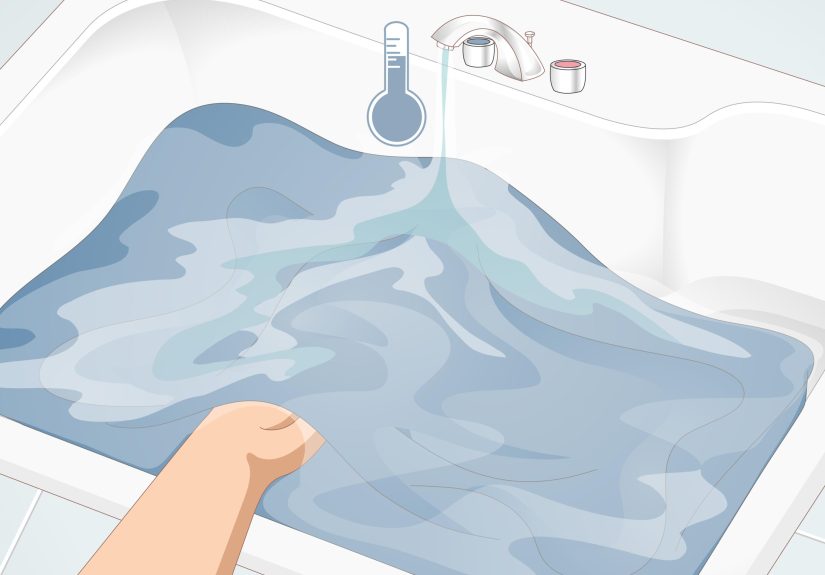
- Pour the oil into a bowl. Add enough castor oil to saturate the cloth thoroughly.
- Soak the cloth. Let the fabric absorb the oil until it is fully coated but not dripping like a leaky faucet.
- Layer if needed. Some people stack two or three layers of soaked fabric to create a thicker pack.
- Prepare your setup. Lay down a towel first to protect furniture and clothing. Trust this step. The towel is your friend.
How to Use a Castor Oil Pack
- Lie down somewhere comfortable and place a towel beneath you.
- Set the oil-soaked cloth over the area you want to target, such as your abdomen, lower belly, or a sore joint.
- Cover the pack with plastic wrap or another barrier to help hold in warmth and reduce mess.
- Place a warm, not scorching, heating pad or hot water bottle on top.
- Relax for 30 to 60 minutes. Beginners may want to start at 20 to 30 minutes.
- Remove the pack and wipe the area clean with a warm damp cloth.
- Store the used cloth in a sealed container in the refrigerator for reuse.
A common schedule is one to three times per week. Some people use them more often during a rough week of cramps or body tension, but daily use is not required for most people. This is not a “more is more” situation. More oil just means more cleanup.
Best Places to Apply a Castor Oil Pack
Abdomen
This is the most popular location. People use abdominal castor oil packs when they want comfort for bloating, constipation-related discomfort, or general stomach tension. Keep expectations realistic: the pack may feel soothing, but it is not likely to change digestion in any dramatic, measurable way.
Lower abdomen or pelvic area
Some people use packs here for period cramps or pelvic discomfort. The warmth can be especially comforting during the first day or two of a cycle. However, if your pain is severe, sudden, or worsening, get checked out instead of assuming oil is the answer.
Joints or muscles
Knees, hips, shoulders, and lower backs are common targets. This is where the warm-compress effect often shines. If you already love heating pads, this may feel like a slightly oilier version of a familiar routine.
Important Safety Rules
Castor oil packs are simple, but simple does not mean foolproof. Keep these rules in mind:
- Do a patch test first. Apply a small amount of castor oil to one area of skin and wait 24 hours. If you get redness, itching, or swelling, skip the pack.
- Do not use on broken, irritated, or recently injured skin. Cuts, scrapes, active rashes, and fresh injuries need a different plan.
- Do not microwave the pack. Oil and fabric can overheat, smoke, or catch fire.
- Do not sleep with a heating pad on top of it. Burns are a very uncool side effect.
- Avoid use during pregnancy unless a healthcare professional specifically says it is okay. Castor oil is associated with uterine contractions when used orally, and caution is still wise with packs.
- Stop if your skin gets angry. Itching, burning, rash, swelling, or worsening pain means it is not for you.
You should also talk to a healthcare professional before trying castor oil packs if you have chronic skin conditions, liver disease, inflammatory bowel disease, unexplained abdominal pain, cancer, or any symptom serious enough that you are hoping a home remedy will save you from making an appointment. That is often a sign you need the appointment.
How to Clean and Store Your Pack
After use, place the cloth in a sealed container and store it in the refrigerator. Many people reuse the same pack multiple times. Replace it when the fabric starts to smell off, look discolored, or feel less clean than your conscience after eating midnight fries. In plain English: if it seems gross, retire it.
Some people wipe the skin with a warm wet towel after using the pack. Others use a mild soap. Wear old clothes afterward if there is any oil residue left on your skin, because castor oil does not care about your favorite white T-shirt.
Common Mistakes to Avoid
- Using way too much oil and creating a slip-and-slide situation
- Making the heating pad too hot
- Using the pack on irritated skin
- Expecting it to cure constipation, endometriosis, or chronic pain by itself
- Putting the oil in the belly button and waiting for a wellness miracle
- Skipping medical care for symptoms that deserve real evaluation
When a Warm Compress Might Be Enough
Here is a slightly rebellious thought: sometimes the castor oil is not the star of the show. Sometimes the real hero is the fact that you are lying down with warmth on a tense area for 45 minutes. If your goal is simply to relax abdominal muscles, ease cramps, or calm a sore back, a plain warm compress may help too. That does not make castor oil packs useless. It just means the comfort may come from a combination of warmth, stillness, routine, and a little skin-softening bonus from the oil.
A 500-Word Look at Real-World Experiences With Castor Oil Packs
When people talk about castor oil packs, their experiences usually sound less like “my life changed in one afternoon” and more like “I felt calmer, looser, and a little less miserable.” That distinction matters. Real-world experiences are often about comfort, not cure.
For example, someone dealing with menstrual cramps may describe the pack as deeply soothing, especially when paired with a heating pad and some quiet time. The warmth can feel like it takes the edge off the tight, achy sensation in the lower abdomen. Many people say the routine itself helps: dim lights, lie down, stop moving, breathe for a while, and let your body unclench. In that setting, the castor oil pack becomes part of a larger rest ritual. It is not unusual for people to report that they feel better after using one, but that does not automatically mean the oil alone performed a medical miracle. Often, it is the whole setup working together.
People who try castor oil packs for bloating or digestive discomfort tend to report mixed results. Some say their belly feels softer, less tight, and more comfortable afterward. Others notice no major digestive change but still enjoy the warmth and relaxation. A common pattern is that users feel temporary relief from tension rather than a major improvement in how their digestive system works. In practical terms, a pack may help you feel more comfortable while your body settles down, but it is not the same thing as treating the cause of chronic bloating, constipation, or abdominal pain.
Those using castor oil packs over joints or muscles often sound a lot like people describing a really good heating pad session. They mention stiffness easing, movement feeling a little less creaky, and the area feeling less “locked up.” Again, that does not make the experience fake. Comfort counts. But it does suggest that the most reliable effect may be symptom soothing rather than structural change.
There are also plenty of less glamorous experiences. First-timers often use too much oil and end up with stained pajamas, greasy sheets, or a sofa cushion that now tells a story. Others discover they do not enjoy the sticky feel at all. A few people experience skin irritation and decide very quickly that castor oil packs and their epidermis are no longer on speaking terms. Some users also admit that the biggest benefit was finally giving themselves permission to rest for 45 uninterrupted minutes. Honestly, that may be the most modern wellness lesson of all.
The most realistic takeaway from user experiences is this: people who enjoy castor oil packs usually like them because they feel warm, calming, and comforting. People who dislike them usually dislike the mess, the smell, or the lack of dramatic results. That is why castor oil packs make the most sense when you treat them as a low-stakes self-care tool. If they help you relax and feel better, great. If they do nothing except make your laundry more complicated, you are allowed to move on without guilt.
Conclusion
Castor oil packs are easy to make, simple to use, and surprisingly popular for a remedy that looks like it came from a 1920s wellness trunk. At their best, they can be a cozy, calming, skin-softening ritual that may offer temporary comfort for cramps, tension, and soreness. At their worst, they are messy, overhyped, and sometimes used in place of care that should come from a licensed professional.
The smart approach is to keep your expectations grounded. Use castor oil packs as a comfort tool, not as a cure-all. Patch-test first, keep the heat gentle, avoid unsafe uses, and do not let wellness trends talk you into believing your belly button is a direct portal to digestive enlightenment. A little caution and common sense go a long way.