Table of Contents >> Show >> Hide
- Why White Clothes Turn Yellow, Gray, or Dingy
- First Things First: Read the Care Label Like It Owes You Money
- How to Make Clothes White Again: The Best Methods
- 1. Start With a Good Detergent and Pretreat the Problem Areas
- 2. Use Oxygen Bleach for a Safer, Fabric-Friendlier Brightening Boost
- 3. Use Chlorine Bleach Carefully, Not Casually
- 4. Add Baking Soda to Help Lift Odors and Residue
- 5. Try Hydrogen Peroxide for Mild Brightening and Stain Help
- 6. Use Vinegar Strategically, Not Constantly
- 7. Let the Sun Help Out
- A Step-by-Step Rescue Plan for Dingy Whites
- What Not to Do If You Want Whites to Stay White
- How to Keep White Clothes White Longer
- Real-World Laundry Experiences: What Actually Helps Whites Bounce Back
- Final Thoughts
White clothes have a special talent: they look crisp, clean, and expensive for about five minutes, then somehow start collecting mystery dullness like it’s a hobby. One day your favorite white T-shirt looks fresh enough for a commercial. The next, it looks like it lost a fight with spaghetti sauce, hard water, and a suspicious dryer sheet. The good news? Dingy whites are not always doomed. In many cases, you can rescue them with the right laundry routine, better stain treatment, and a few smart whitening methods that do not involve panic-buying an entirely new wardrobe.
If you’ve been wondering how to make clothes white again, the answer is not one magic trick. It is a system. The best results usually come from sorting properly, treating stains before washing, choosing the right detergent, using safe whitening boosters, and avoiding a few laundry mistakes that quietly turn bright whites into sad oatmeal. Let’s break it all down in a way that is practical, easy to follow, and much less dramatic than your laundry basket makes it seem.
Why White Clothes Turn Yellow, Gray, or Dingy
Before you fix the problem, it helps to know what caused it. White clothes usually lose brightness because of one or more of these laundry villains:
- Body oils and sweat buildup: collars, underarms, cuffs, and pillowcases are frequent offenders.
- Detergent residue: too much soap or poor rinsing can leave fabric looking flat and dirty.
- Hard water minerals: mineral-heavy water can make whites look gray over time.
- Dye transfer: one rogue red sock can ruin everyone’s day.
- Improper bleach use: too much bleach, or bleach on the wrong fibers, can weaken fabric and even cause yellowing.
- Heat-set stains: once a stain goes through the dryer, it can become much harder to remove.
- Storage problems: clothes stored dirty or in poor conditions can yellow even when not being worn.
That means whitening laundry is not just about tossing in bleach and hoping for the best. It is about removing residue, lifting stains, and washing in a way that keeps future dinginess from moving in permanently.
First Things First: Read the Care Label Like It Owes You Money
Before you do anything aggressive, check the garment care label. This is the least glamorous step and the one most likely to save your shirt from accidental destruction. Some fabrics can handle warm or hot water. Some need cooler washing. Some can take oxygen bleach but not chlorine bleach. Delicate fibers, silk blends, wool, and stretchy fabrics with spandex or elastane are especially easy to damage if you go full mad scientist.
Also separate your laundry properly. Wash whites with whites only. That includes “mostly white” items if the colored sections are colorfast, but keep darks, brights, and anything new or likely to bleed far away. Laundry is not the place for optimism.
How to Make Clothes White Again: The Best Methods
1. Start With a Good Detergent and Pretreat the Problem Areas
If your whites are dingy, begin with the basics. Use a quality detergent designed to clean thoroughly and brighten fabrics. Then pretreat stains, sweat marks, and dull areas before washing. Underarms, necklines, cuffs, and hemlines often need extra help because invisible grime builds up there long before the whole garment looks dirty.
Apply a small amount of liquid detergent or stain remover directly to the area and gently work it in. Let it sit for several minutes before washing. For protein-based stains like sweat, food, or body soil, an enzyme-based detergent can be especially useful. This step matters more than many people realize. If you skip pretreatment, the washer may only clean the surface while the deeper residue keeps hanging on like an unwanted houseguest.
2. Use Oxygen Bleach for a Safer, Fabric-Friendlier Brightening Boost
Oxygen bleach, often labeled as color-safe bleach or non-chlorine bleach, is one of the best ways to brighten dingy whites without being overly harsh. It works well for many washable fabrics and is especially useful when you want a deeper clean without the risks that come with chlorine bleach.
The classic move is to dissolve oxygen bleach in warm water and soak the garment before washing. This can help lift yellowing, grime, and odor-causing residue. If your white clothes are looking tired rather than heavily stained, this method is often the sweet spot between effective and gentle. It is also a great option for white shirts, socks, sheets, and towels that need a refresh.
3. Use Chlorine Bleach Carefully, Not Casually
Yes, chlorine bleach can whiten white clothes. No, it is not the answer to every laundry problem. Used correctly, it can brighten sturdy bleachable whites and help remove tough discoloration. Used incorrectly, it can weaken fibers, cause yellowing, and ruin garments faster than you can say, “Why does this T-shirt have holes now?”
Never pour chlorine bleach directly onto fabric. Dilute it properly or use the machine’s bleach dispenser. Only use it on garments whose care labels allow it. Avoid it on wool, silk, leather, and anything containing spandex. If your item is delicate, stretchy, or expensive enough to make you nervous, choose oxygen bleach instead.
Also, never mix bleach with ammonia, vinegar, or other cleaners. Your laundry room should smell like detergent, not a chemistry emergency.
4. Add Baking Soda to Help Lift Odors and Residue
Baking soda is not a miracle worker, but it is an excellent supporting actor. It can help freshen laundry, soften wash water a bit, and improve overall cleaning performance when whites are dulled by residue and odor. Add it to the wash with your regular detergent when you want a gentle boost.
This is particularly helpful for everyday white basics that are not badly stained but just do not look as bright as they used to. Think gym socks, sleep shirts, white cotton tees, and kitchen towels that have seen things.
5. Try Hydrogen Peroxide for Mild Brightening and Stain Help
Hydrogen peroxide is another common laundry booster for whites. It can help with mild whitening and stain removal, and many people like it as an alternative when they want something less harsh than chlorine bleach. It is especially handy for treating localized stains or adding a gentle brightening effect to washable whites.
As always, test a small hidden spot first and follow the garment’s care instructions. Laundry confidence is good. Laundry overconfidence is how favorite shirts become cleaning rags.
6. Use Vinegar Strategically, Not Constantly
White vinegar can help remove odor and loosen some residue, especially in the rinse phase. It may also help whites look cleaner when detergent buildup is part of the problem. But it is not a universal fix, and more is not better. Overusing acidic products can be rough on some fabrics and may not be ideal for every machine.
If you use vinegar, use it occasionally and never combine it with chlorine bleach. Vinegar is best thought of as a light maintenance tool, not the star of the entire whitening operation.
7. Let the Sun Help Out
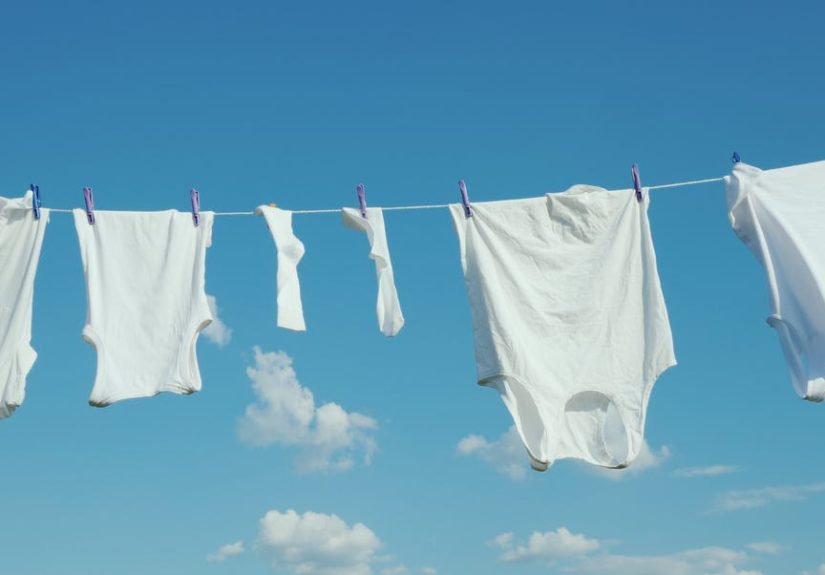
There is a reason line-dried white sheets have such a good reputation. Sunlight can naturally help brighten white fabrics after washing. If the garment is suitable for air drying and the weather cooperates, drying in the sun can give whites a subtle freshened look while reducing that “washed but still tired” vibe.
That said, not every fabric loves direct sun for long periods, so use common sense and follow care instructions. Your cotton tee may thrive. Your delicate blouse may file a complaint.
A Step-by-Step Rescue Plan for Dingy Whites
If your clothes have gone from white to “light disappointment,” use this practical routine:
- Sort your laundry. Keep whites separate from colors and from heavily linty items.
- Check the care label. Confirm water temperature and bleach safety.
- Pretreat stains. Focus on underarms, collars, cuffs, food spots, and gray-looking areas.
- Soak if needed. Use oxygen bleach in warm water for dingy or yellowed items.
- Wash with a quality detergent. Choose the warmest or hottest water that is safe for the fabric.
- Add the right booster. Oxygen bleach is often the best first choice; chlorine bleach is for tougher cases on safe fabrics only.
- Rinse well. If your machine allows an extra rinse, it can help reduce residue.
- Check before drying. If the stain is still there, do not put it in the dryer yet.
- Air dry or sun dry when possible. Then reassess the brightness before storing or wearing.
What Not to Do If You Want Whites to Stay White
Sometimes the fastest way to brighter laundry is simply avoiding the habits that make it dingy in the first place.
- Do not overload the washer. Clothes need room to move so soil can wash away.
- Do not use too much detergent. Excess soap can cling to fabric and trap grime.
- Do not let stained items sit for days before washing. That is basically a formal invitation for stains to settle in.
- Do not dry an item until you know the stain is gone.
- Do not assume bleach fixes everything. Wrong fabric plus wrong bleach equals a bad time.
- Do not wash white clothes with light gray and call it “basically the same.” Laundry does not grade on a curve.
How to Keep White Clothes White Longer
Once you have rescued your whites, the next goal is keeping them bright. That usually comes down to consistency more than heavy-duty treatment.
Wash white clothes regularly so body oils and dirt do not build up. Treat stains early. Use the right amount of detergent. Choose warm or hot water when the fabric allows it. Skip unnecessary products that leave residue. Clean your washing machine periodically, because a dirty washer cannot magically produce cleaner clothes. And if you live in a hard water area, consider using a laundry booster now and then to help fight mineral buildup.
For special white items like dress shirts, baby clothes, white jeans, school uniforms, or bed linens, having a dedicated whites routine can make a surprising difference. The more intentional your process, the less often you will need emergency whitening sessions.
Real-World Laundry Experiences: What Actually Helps Whites Bounce Back
In real life, most people do not notice whites turning dingy all at once. It happens slowly. A white T-shirt starts looking a little tired. Then the pillowcases lose that bright hotel look. Then the socks become impossible to describe without using words like “tragic.” In many households, the turning point comes when someone compares a freshly bought white item to an older one and realizes the older piece is not white anymore. It is just living in denial.
One of the most common experiences is with white cotton T-shirts. They often look recoverable, but the dullness is usually a mix of sweat, detergent residue, and repeated warm-body wear rather than one obvious stain. People often find that a simple rewash does almost nothing, while a good pretreatment plus an oxygen bleach soak makes a visible difference. The lesson is simple: dinginess usually needs a targeted fix, not just another spin around the washer.
White dress shirts are another classic problem. The body of the shirt may still look fine, but collars and cuffs quietly collect oils and grime. A lot of people assume the whole shirt is ruined when really the issue is concentrated in those high-contact zones. Working a small amount of detergent into the collar and cuff area before washing often improves the results dramatically. It is not glamorous, but neither is replacing shirts because the neckline gave up first.
Families with kids often report the same pattern with school uniforms, undershirts, and socks. These items take daily abuse, then get tossed into mixed loads, then come out looking increasingly defeated. The biggest difference usually comes from better sorting and checking stains before drying. Once a grass stain, juice mark, or mystery smear goes through the dryer, it can become far more stubborn. In practice, a two-minute check before drying can save an item that looked nearly lost.
White towels and sheets often tell a different story. They may not have visible stains, but they lose brightness because of body oils, detergent buildup, hard water, or too much fabric softener. Many people notice improvement when they cut back on product overload, use an extra rinse, and occasionally do a deeper whitening wash. These bulky items especially benefit from enough room in the machine. An overstuffed washer tends to redistribute grime instead of removing it, which is a very rude thing for an appliance to do.
Another very real experience involves people reaching for bleach first, then regretting it. Sometimes bleach works beautifully on sturdy white towels or socks. Sometimes it leaves delicate items weakened, yellowed, or oddly patchy because it was too strong or used on the wrong fabric. That is why experienced launderers often start with oxygen bleach, then reserve chlorine bleach for truly tough cases and only when the label allows it.
The biggest takeaway from everyday whitening success stories is that white clothes usually come back through better technique, not harsher force. Sort better. Treat stains earlier. Soak when needed. Use the right booster. Check before drying. Repeat that routine often enough, and your whites have a much better chance of looking crisp instead of “formerly white.”
Final Thoughts
If you want to know how to make clothes white again, the best answer is to combine smart stain treatment, proper washing temperatures, careful use of whitening agents, and better laundry habits overall. Start with the gentlest effective method, usually a strong detergent and an oxygen bleach soak, then move up only if the fabric allows it. Chlorine bleach has its place, but it should not be your opening move every time a shirt looks tired.
White clothes can absolutely look bright again, but they do best when you stop treating laundry like a mystery and start treating it like maintenance. A little more attention before washing can save a lot of frustration after drying. And honestly, bringing a dingy white shirt back from the brink is one of the most satisfying domestic victories available without power tools.