Table of Contents >> Show >> Hide
- Why This Cranberry-Pear Lattice Pie Works
- Best Ingredients for Cranberry-Pear Pie
- Cranberry-Pear Lattice Pie Recipe
- How To Make Cranberry-Pear Lattice Pie
- Tips for the Best Cranberry-Pear Lattice Pie Recipe
- Serving Ideas
- Storage and Make-Ahead Tips
- Common Mistakes to Avoid
- Why This Pie Deserves a Spot in Your Recipe Box
- Real-Life Baking Experiences With Cranberry-Pear Lattice Pie
- Conclusion
There are pies that politely wait their turn on the dessert table, and then there are pies that walk in like they own the place. A cranberry-pear lattice pie is absolutely in the second category. It has the juicy sweetness of ripe pears, the bright tart pop of cranberries, and a golden woven crust that makes people think you attended pastry school when really you just had a rolling pin and a little confidence. Or at least a little stubbornness. Sometimes that works too.
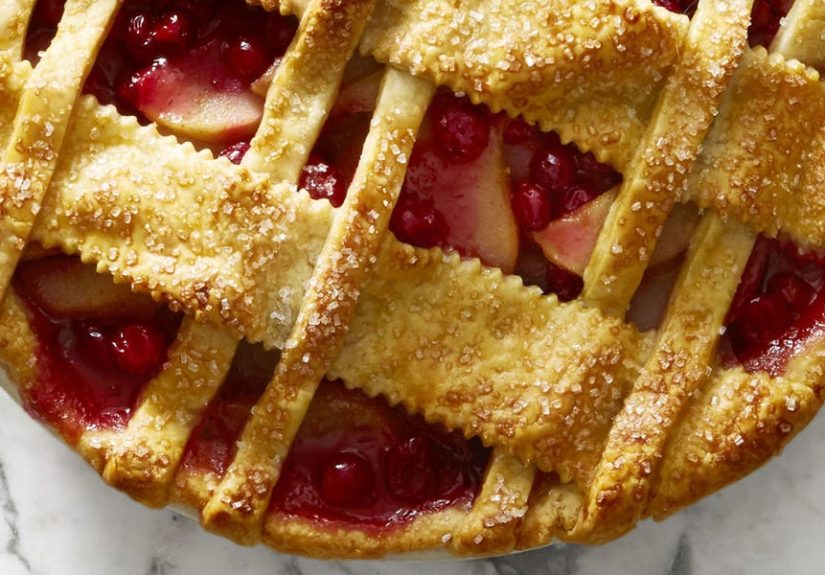
This version is designed to be the kind of cranberry pear pie recipe you’ll actually want to make again: flaky, balanced, not too sweet, and sturdy enough to slice cleanly after dinner without turning into a fruit avalanche. The filling leans on fresh pears, cranberries, orange, warm spices, and just enough thickener to keep things luscious instead of soupy. The lattice top is there for beauty, yes, but also for function. It lets steam escape, helps the fruit concentrate, and gives your holiday dessert major main-character energy.
If you want a festive holiday pie recipe that feels classic but not predictable, this is it. Here’s how to make it, how to avoid common mistakes, and why this pie deserves a permanent seat at the fall-and-winter dessert table.
Why This Cranberry-Pear Lattice Pie Works
The magic of this pie is contrast. Pears are mellow, floral, and buttery when baked. Cranberries are bold, tart, and a little dramatic. Put them together and suddenly you have a filling with range. The pears keep the cranberries from becoming puckery, and the cranberries keep the pears from drifting into bland territory.
The other reason this recipe works is texture. A good lattice pie should have a crisp, golden crust on top, tender fruit underneath, and a filling that sets well enough to slice. That means choosing the right pears, not skimping on the thickener, and baking the pie until the juices are clearly bubbling through the lattice. If the filling does not bubble, it probably is not fully thickened. Pie is delicious, but pie is also chemistry wearing a fancy sweater.
Best Ingredients for Cranberry-Pear Pie
1. Use firm-ripe pears
The best pears for pie are ones that are ripe enough to taste sweet but still firm enough to hold their shape in the oven. Bosc and Anjou pears are excellent choices because they bake beautifully and stay pleasantly tender instead of collapsing into mush. Bartlett pears can work, but only if they are on the firmer side.
2. Fresh or frozen cranberries both work
Fresh cranberries bring bright tartness and a gorgeous ruby color. Frozen cranberries are also totally fine, which is excellent news for anyone baking in a month when cranberries are nowhere to be found. Do not thaw them first; that just gives you extra liquid to manage, and pie filling already likes to keep us humble.
3. Orange is the quiet hero
Orange zest and a little orange juice make the fruit taste sharper, fresher, and more layered. It is not enough to turn this into an orange pie, so relax. It just lifts the cranberries and makes the pears taste more alive.
4. Cornstarch keeps the filling sliceable
You can use flour, tapioca, or specialty pie thickeners, but cornstarch is easy to find and gives a glossy, reliable finish. It helps the filling set without making it heavy. For a fruit pie like this, that is exactly what you want.
5. Warm spices should support, not shout
A little cinnamon and ginger bring warmth that suits both pears and cranberries. Keep the spice level moderate. This pie should taste like fruit first, not like someone emptied a holiday candle into the filling.
Cranberry-Pear Lattice Pie Recipe
Yield, time, and difficulty
- Yield: 8 slices
- Prep time: 35 minutes, plus chilling and cooling time
- Bake time: 55 to 70 minutes
- Skill level: Moderate, but very doable
Ingredients
For the crust:
- 1 double-crust pie dough for a 9-inch pie, homemade or store-bought
- All-purpose flour, for rolling
For the filling:
- 5 cups peeled and sliced firm-ripe pears, about 4 medium pears
- 2 cups fresh or frozen cranberries
- 2/3 cup granulated sugar
- 1/4 cup light brown sugar
- 1/4 cup cornstarch
- 1 tablespoon finely grated orange zest
- 2 tablespoons fresh orange juice
- 1 teaspoon ground cinnamon
- 1/4 teaspoon ground ginger
- 1/4 teaspoon kosher salt
- 1 teaspoon vanilla extract
- 1 tablespoon unsalted butter, cut into small pieces
For finishing:
- 1 large egg
- 1 tablespoon water
- 1 tablespoon coarse sugar or granulated sugar
How To Make Cranberry-Pear Lattice Pie
Step 1: Prep the dough
Divide your pie dough into two disks if it is homemade. Chill it well before rolling. Cold dough is easier to handle, more forgiving, and less likely to throw a butter tantrum on the counter.
Roll one disk into a 12-inch circle and fit it into a 9-inch pie plate. Let the excess hang over the edge. Transfer the lined pie plate to the refrigerator while you make the filling.
Step 2: Mix the filling
In a large bowl, combine the sliced pears, cranberries, granulated sugar, brown sugar, cornstarch, orange zest, orange juice, cinnamon, ginger, salt, and vanilla. Toss until the fruit is evenly coated and the mixture starts to look glossy.
Let the filling sit for about 10 to 15 minutes. This gives the sugar a little time to draw out the juices and helps the cornstarch distribute more evenly. In other words, a small pause now leads to fewer regrets later.
Step 3: Fill the pie
Spoon the filling into the chilled bottom crust, including all the juices in the bowl. Spread it into an even layer and dot the top with the small pieces of butter.
Step 4: Make the lattice top
Roll out the second dough disk into a roughly 11-inch circle. Cut it into 1/2-inch strips using a knife, pastry wheel, or pizza cutter. Lay half the strips across the pie in one direction, spacing them evenly. Fold back every other strip, lay one strip across the center in the opposite direction, then unfold the folded strips over it. Next, fold back the alternate strips and repeat. Continue until you have a woven lattice.
Trim the ends, fold the bottom crust edge over the strip ends, and crimp to seal. It does not need to be perfect. Rustic counts. In fact, rustic often photographs better, which feels unfair but useful.
Step 5: Chill again
Refrigerate the assembled pie for 15 to 20 minutes. This helps the crust hold its shape and improves flakiness. If you skip this step, the pie will probably still taste good, but your lattice may spread like it had a long day.
Step 6: Egg wash and bake
Preheat the oven to 400°F. Place a rimmed baking sheet in the oven while it preheats. Whisk the egg with the water, brush it over the lattice and edges, and sprinkle with sugar.
Set the pie on the hot baking sheet and bake for 20 minutes. Reduce the oven temperature to 375°F and continue baking for 35 to 50 minutes more, until the crust is deep golden and the filling is bubbling through the lattice. If the edges brown too quickly, loosely tent them with foil.
Step 7: Cool completely
This part is annoying, but necessary. Let the pie cool for at least 3 hours before slicing. Warm fruit pie is tempting, but cutting too early turns a beautiful pie into a delicious spoon dessert. Which is still a win, just a less photogenic one.
Tips for the Best Cranberry-Pear Lattice Pie Recipe
Choose pears with structure
Firm-ripe pears are the difference between elegant slices and a filling that behaves like pear jam. If the pears feel very soft near the stem, save them for snacking or smoothies.
Do not underbake the pie
A fruit pie is done when the juices bubble in the center, not when the kitchen smells amazing. Your kitchen will smell amazing much earlier than the pie is actually finished. It is a liar. Trust the bubbles.
Use enough thickener
Pears release a lot of liquid. Cranberries do too once they burst. Cornstarch helps manage all that juice and gives you a filling that holds together on the plate.
Keep the crust cold
Cold dough equals flaky crust. Warm dough equals frustration. If the dough starts getting soft while you weave the lattice, slide it onto a tray and chill it for a few minutes before continuing.
Use a baking sheet under the pie
This catches drips and helps the bottom crust bake more evenly. It also saves you from the deeply unpleasant experience of scraping caramelized fruit syrup off your oven floor.
Serving Ideas
This homemade pie crust beauty is excellent on its own, but it becomes spectacular with vanilla ice cream, lightly sweetened whipped cream, or even a spoonful of tangy creme fraiche. If you want to make it look extra festive, scatter a little orange zest over the whipped cream or serve each slice with a few sugared cranberries on the side.
It is especially good for Thanksgiving, Christmas, weekend dinner parties, or any occasion where you want people to say, “Wait, you made that?” in a tone that is flattering instead of suspicious.
Storage and Make-Ahead Tips
You can store the baked pie, loosely covered, at room temperature for one day or in the refrigerator for up to four days. For the best texture, let chilled slices come back toward room temperature before serving, or warm them gently in the oven.
If you want to get ahead, make the pie dough up to two days in advance and refrigerate it well wrapped. You can also assemble the whole pie and chill it for several hours before baking. Some bakers even freeze unbaked fruit pies successfully, though you may need extra baking time if going from freezer to oven.
Common Mistakes to Avoid
- Using overripe pears: They taste nice raw, but they can collapse in the oven.
- Skipping the chill time: Warm dough is harder to weave and less flaky after baking.
- Adding too much spice: Pear and cranberry are subtle enough that heavy spice can bury them.
- Slicing too soon: Give the filling time to set unless you are aiming for “rustic chaos.”
- Forgetting the foil shield: Pie crust edges love to brown before the center is done.
Why This Pie Deserves a Spot in Your Recipe Box
There are plenty of excellent fruit pies in the world, but this one has a little extra personality. It is sweet without being sleepy, tart without being aggressive, and pretty without requiring advanced pastry wizardry. The best cranberry-pear lattice pie recipe is one that tastes balanced, slices neatly, and makes people reach for a second piece while pretending they are only “fixing the plate.”
In other words, this pie understands dessert politics.
Real-Life Baking Experiences With Cranberry-Pear Lattice Pie
One of the best things about making this pie is that it rewards attention without demanding perfection. The first time many home bakers make a cranberry-pear pie, they worry most about the lattice top. They assume the weaving is the hard part. In reality, the bigger lesson usually comes from the filling. Pears can look innocent, but they contain more juice than expected, especially once sugar, orange juice, and heat get involved. That is why the pie often teaches a memorable first lesson: if the center is not bubbling, it is not done, no matter how beautifully bronzed the crust looks.
Another common experience is discovering just how much the flavor changes as the pie cools. Right out of the oven, the cranberries can seem louder and the pears a little quieter. After a few hours, the flavors settle into each other. The tartness softens, the pear becomes more fragrant, and the orange and spice taste more connected. A pie that seemed merely good at noon can taste excellent by dinnertime. Patience is annoying, yes, but in this case it is delicious.
Many bakers also find that this pie becomes a holiday sleeper hit. Pumpkin pie may get the headlines, but cranberry-pear lattice pie often gets the compliments. It looks festive, the colors are gorgeous, and it feels just different enough from the usual apple pie to make people curious. You can almost predict the sequence: someone takes a small slice because they are “already full,” they taste it, they pause, then suddenly they are asking whether there is any extra whipped cream. This is the natural lifecycle of a strong pie.
There is also the strangely comforting experience of making peace with imperfections. Maybe one lattice strip tears. Maybe the crimping looks more “enthusiastic” than elegant. Maybe a little filling bubbles over the side and caramelizes on the pan. None of that ruins the pie. In fact, those little quirks often make it look more homemade in the best possible way. A slightly uneven lattice still turns golden and beautiful, and nobody at the table is grading your geometry.
For experienced bakers, this pie can become a favorite canvas for small seasonal adjustments. Some add a pinch of cardamom. Some swap in a little lemon for the orange. Some use coarse sugar on top for extra crunch, while others brush on a richer egg wash for more shine. The foundation stays reliable, but the recipe still leaves room for personality. That flexibility is part of why people come back to it year after year.
And then there is the serving experience, which deserves its own applause. The first clean slice from a fully cooled pie is genuinely satisfying. The layers hold. The fruit glistens. The lattice stays crisp on top. Add a scoop of vanilla ice cream and the whole thing starts looking like the kind of dessert that should have its own dramatic soundtrack. Even the leftovers are charming. A cold slice the next morning with coffee feels both slightly rebellious and completely correct.
That is ultimately what makes this recipe worth keeping. It is not just a pretty pie for one photo or one holiday. It is the kind of dessert that teaches you something each time you make it, gets easier with repetition, and somehow manages to feel both impressive and comforting. A good pie recipe feeds people. A great one becomes part of the story of the season. This cranberry-pear lattice pie has exactly that kind of potential.
Conclusion
If you have been looking for a fruit pie that feels festive, flavorful, and just a little more interesting than the usual lineup, this cranberry-pear lattice pie recipe is a terrific choice. The pears bring mellow sweetness, the cranberries add sparkle and tartness, and the lattice top makes the whole thing look bakery-worthy without requiring magic. Use firm-ripe pears, keep your dough cold, bake until the center bubbles, and cool the pie fully before slicing. Do those four things, and you will have a dessert that tastes as good as it looks.
Make it for a holiday table, a fall dinner, or a weekend when you simply want your kitchen to smell like peak cozy season. Just be prepared: once people try it, they may start expecting you to bring pie every time. That is the downside of competence.