Table of Contents >> Show >> Hide
- What Is Parvo?
- Step 1: Seek Immediate Veterinary Care
- Step 2: Keep Your Dog Hydrated
- Step 3: Maintain Proper Nutrition
- Step 4: Monitor Their Symptoms
- Step 5: Protect Other Pets
- Step 6: Follow Up with Your Vet
- Step 7: Be Patient and Offer Emotional Support
- How to Prevent Parvo
- Conclusion
- Personal Experience and Additional Tips
Introduction
Canine parvovirus (parvo) is a highly contagious and often fatal disease that primarily affects puppies and unvaccinated dogs. It can cause severe gastrointestinal distress, including vomiting, diarrhea, dehydration, and a loss of appetite. If you’ve recently discovered that your dog has been diagnosed with parvo, you may be feeling overwhelmed. However, with the right care and attention, you can nurse your dog back to health. This guide will walk you through the steps you need to take to nurse a dog through parvo, ensuring they receive the proper medical care and home-based support to survive and recover.
What Is Parvo?
Parvo is a viral infection that attacks the dog’s intestinal lining, leading to symptoms like vomiting, diarrhea, and loss of appetite. It can also cause dehydration, a common and serious side effect of parvo. The virus spreads through direct contact with infected dogs or contaminated environments like public parks. Without immediate veterinary treatment, parvo can be fatal, especially for puppies under six months old.
Signs and Symptoms of Parvo
If you suspect your dog has parvo, look for these common symptoms:
- Severe vomiting
- Profuse diarrhea (often with a foul smell and may be bloody)
- Loss of appetite
- Lethargy or weakness
- Fever
- Dehydration (dry gums, sunken eyes, and skin that doesn’t bounce back when pinched)
Step 1: Seek Immediate Veterinary Care
While some dogs may survive parvo with at-home care, it’s essential to seek veterinary assistance immediately. Parvo is most dangerous in the early stages, and professional care can significantly increase your dog’s chances of survival. Your vet will likely administer intravenous fluids to combat dehydration, anti-nausea medications to prevent vomiting, and antibiotics to prevent secondary infections.
Step 2: Keep Your Dog Hydrated
Dehydration is one of the most severe side effects of parvo. Without proper hydration, your dog’s body cannot fight off the virus effectively. At home, you can help prevent dehydration by offering small amounts of water frequently. If your dog refuses to drink, you can try offering ice cubes or an electrolyte solution made specifically for pets. In more severe cases, your vet may recommend subcutaneous fluids to maintain hydration levels.
Oral Rehydration Therapy (ORT)
ORT involves giving your dog small amounts of fluids over a prolonged period. This is crucial in preventing dehydration. You can make this process more manageable by offering rehydration solutions like Pedialyte or specialized pet hydration solutions. Always follow your vet’s recommendations for how much and how often to offer fluids.
Step 3: Maintain Proper Nutrition
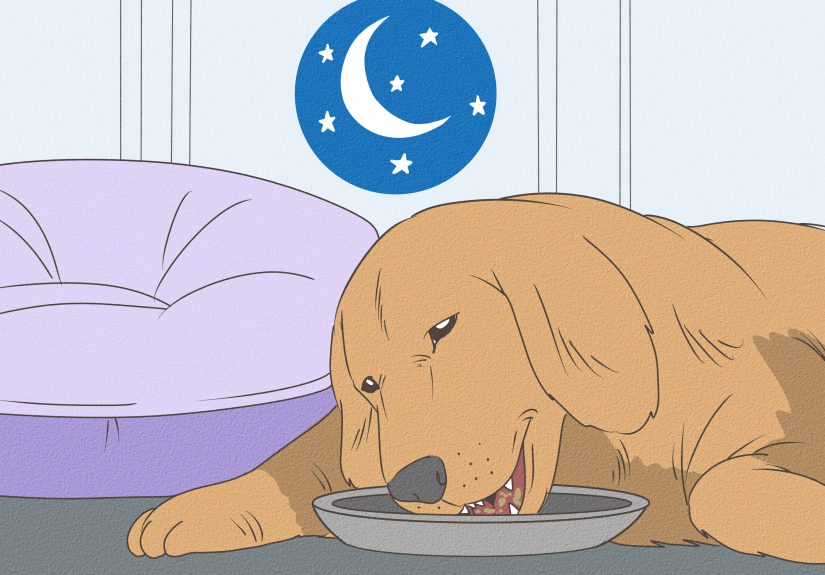
As parvo affects the digestive system, many dogs experience a complete loss of appetite. It’s essential to monitor their food intake and encourage eating. Once vomiting has subsided and your dog is more stable, try offering bland foods like boiled chicken and rice. Gradually introduce their regular food as they begin to recover. If they continue to refuse food, your vet may recommend a syringe-feeding regimen to ensure they receive proper nutrition.
Offer Small, Frequent Meals
Offering small, frequent meals is more digestible for dogs recovering from parvo. You can also try a bland diet of boiled chicken and white rice, which is gentle on their stomach. If your dog refuses to eat, consult with your vet about providing nutritional supplements or prescription food formulated for dogs recovering from illness.
Step 4: Monitor Their Symptoms
Throughout the recovery process, it’s essential to monitor your dog’s symptoms. Keep track of their temperature, hydration levels, and overall demeanor. If you notice signs of worsening symptoms like continued vomiting, diarrhea, or lethargy, contact your vet immediately. It’s also important to keep your dog in a clean and quiet area to avoid any additional stress on their body.
Step 5: Protect Other Pets
Parvo is highly contagious. If you have other dogs at home, keep the infected dog isolated to avoid spreading the virus. Thoroughly disinfect any areas your sick dog has come into contact with, using a strong bleach solution (1:30 bleach to water ratio). This includes floors, bedding, toys, and any other objects they may have touched.
Step 6: Follow Up with Your Vet
After your dog’s initial treatment, it’s vital to continue follow-up care with your vet. They may recommend additional tests, like blood work, to monitor your dog’s recovery. Keep a close eye on your dog’s progress, and ensure they’re receiving the proper care until they’re fully recovered.
Step 7: Be Patient and Offer Emotional Support
Recovering from parvo can take time, and it’s not unusual for dogs to experience lingering symptoms even after they’re no longer contagious. Offer your dog a calm, quiet space to rest, and provide comfort through physical contact and positive reinforcement. Parvo is a taxing experience, and the recovery process may take days or even weeks, depending on the severity of the illness.
How to Prevent Parvo
While parvo is treatable, prevention is always the best strategy. The most effective way to prevent parvo is by ensuring your dog is vaccinated. Puppies typically receive a series of parvo vaccines starting at six to eight weeks old. Keep up with booster shots as recommended by your vet to maintain immunity. Avoid exposing unvaccinated puppies to places where parvo might be present, such as dog parks or areas with high dog traffic.
Conclusion
Nursing a dog through parvo is a challenging and stressful experience, but it is possible with the right care and commitment. The key is to act quickly, keep your dog hydrated, manage their nutrition, and work closely with your vet. Although parvo is a serious illness, with prompt and diligent care, many dogs recover and return to their healthy, happy selves.
sapo: Parvo is a deadly virus, but with prompt treatment and home care, your dog can recover. Learn how to nurse a dog through parvo with these expert tips and ensure their survival.
Personal Experience and Additional Tips
Many dog owners who have experienced parvo with their pets agree that the most difficult part is the uncertainty and helplessness. I had a puppy who contracted parvo, and I remember the stress of trying to balance her hydration and nutrition. After seeing the vet for IV fluids and medication, I carefully followed all of the instructions, and within a few days, she started drinking water on her own. I also made sure to disinfect all areas she had been in, including the floor and her bedding. During her recovery, I gave her small, frequent meals and kept her in a quiet space to avoid stress. After a week, she was eating again and playing like a normal puppy.
One of the biggest takeaways from my experience is that patience is key. It’s not easy to watch your dog struggle, but with dedication and consistent care, many dogs make a full recovery from parvo. As always, keep your vet in the loop, and don’t hesitate to ask questions if you’re uncertain about any part of the process.