Table of Contents >> Show >> Hide
- Paint vs. Whitewash (and Limewash): How to Choose
- Safety and Fireplace-Specific Reality Checks
- Tools and Materials
- Step 1: Prep Like a Pro (This Is Where the “Good” Happens)
- Option A: How to Paint a Dark Fireplace (Full Coverage)
- Option B: How to Whitewash a Dark Fireplace (Classic DIY Paint + Water Method)
- Common Problems (and How to Fix Them)
- Aftercare and First Fire Tips
- Mini Makeover Ideas That Pair Beautifully With a Painted or Whitewashed Fireplace
- Real-World Experiences (500+ Words of What DIY Actually Feels Like)
- Experience #1: The “I Cleaned It… Right?” moment
- Experience #2: The brick drinks your first coat like it’s at happy hour
- Experience #3: Mortar lines are the slowest boss battle
- Experience #4: The mess is realbut manageable
- Experience #5: The “after” is instantly addictive
- Experience #6: The best tip people wish they knew earlier
- Conclusion
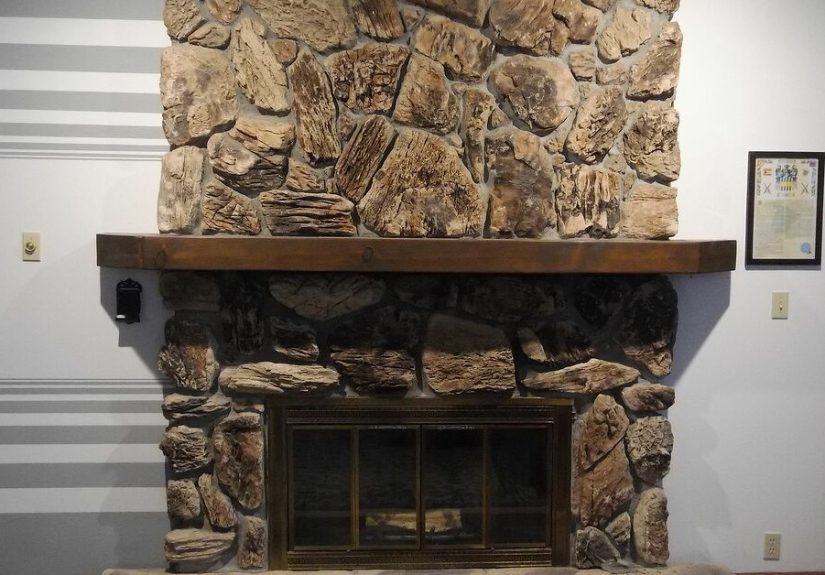
A dark fireplace can make a whole room feel like it’s wearing heavy winter boots… indoors… in July. If your brick (or stone) surround is sucking up light
like a black hole with a mantel, you’ve got two DIY-friendly ways to brighten it up without ripping anything out:
paint (full coverage, crisp and modern) or whitewash (soft, lived-in, “I have my life together” texture).
This guide walks you through both methods step by step, with real-world prep details (because fireplaces are basically magnets for dust, soot, and mystery grime).
You’ll also get a decision framework, product-selection tips, and a longer “what it’s actually like” experience section at the end so you can avoid the classic
DIY surpriseslike realizing mid-project that brick is approximately 97% pores.
Paint vs. Whitewash (and Limewash): How to Choose
Choose paint if you want…
- Maximum brightness and a clean, uniform look
- A modern style (especially if you’re going for white, greige, charcoal, or black)
- An easier-to-clean surface later (painted brick can be wiped more easily than raw brick)
Choose whitewash if you want…
- Visible brick character (texture and variation still show through)
- A softer, more rustic or “European cottage” vibe without committing to full paint
- A forgiving finish that hides minor brick imperfections and doesn’t scream “brand-new coat!”
Where limewash fits in
“Whitewash” is often a DIY term for diluted latex paint. Limewash is different: it’s a mineral-based coating designed for masonry, known for a matte,
breathable finish and an old-world look. If your goal is a chalky, nuanced, almost cloudy white that ages beautifully, limewash can be a great option.
If your goal is “I already have white wall paint and a free Saturday,” paint-based whitewash is your friend.
Safety and Fireplace-Specific Reality Checks
- Don’t paint the inside of the firebox with regular wall paint. Surfaces exposed to direct flame or extreme heat need specialized high-heat products.
Many paint brands specifically advise painting only the exterior surround, not the firebox area. - For gas fireplaces: turn the unit off, let it cool completely, and follow the manufacturer’s safety guidance. Protect burners, pilot openings,
vents, and any components that should never be blocked. - Older homes: if anything is already painted and your house is older, consider lead-safe precautions before sanding or scraping.
- Ventilation: even low-odor products smell less “low-odor” when you’re leaning over them for hours. Open windows, run fans, and take breaks.
Tools and Materials
For both methods
- Drop cloths or rosin paper (brick drips are forever)
- Painter’s tape + plastic sheeting
- Vacuum with brush attachment
- Stiff nylon scrub brush
- Cleaning solution (dish soap for light grime; stronger cleaner for soot/grease as needed)
- Bucket, sponges, rags, and clean water
- Caulk + caulk gun (paintable acrylic latex caulk for gaps where trim meets brick, if applicable)
- Optional: masonry patch or mortar repair for chips and cracks
If you’re painting
- Masonry primer or a high-adhesion/stain-blocking primer suitable for brick
- Masonry paint (typically acrylic latex) in your preferred sheen (flat/matte hides texture best)
- 2″ angled brush (mortar lines and edges)
- Mini roller + thick nap cover (brick texture needs it)
If you’re whitewashing (paint-based)
- White or off-white latex paint (flat or eggshell often looks most natural)
- Mixing container
- Rags for wiping back
- Spray bottle of water (optional, helps control absorption on very thirsty brick)
Step 1: Prep Like a Pro (This Is Where the “Good” Happens)
Brick and stone are porous, dusty, and often slightly sootybasically the opposite of what paint dreams about at night. Prep is what makes your finish last.
Plan on this taking longer than the painting itself. Yes, even if you’re “pretty sure it’s clean.”
1) Cool, clear, and protect
- Make sure the fireplace hasn’t been used recently and is completely cool.
- Remove décor, screens, tools, and (for gas units) any removable front trim per manufacturer instructions.
- Cover floors and nearby furniture. Tape off walls, mantel edges, and trim.
2) Vacuum first (don’t scrub grit into your brick)
Vacuum the brick face and especially the mortar joints. This removes dry debris so your cleaner can actually do its job instead of making mud.
3) Clean the surface thoroughly
Start mild: warm water + dish soap. If you have soot or greasy residue, step up to a stronger cleaner commonly recommended for pre-paint prep (used carefully,
with gloves/eye protection and good ventilation). Scrub with a stiff nylon brush, then rinse with clean water.
4) Let it dry completely
Brick holds moisture like a camel holds grudges. Give it time. If you paint over damp masonry, you risk peeling, bubbling, and weird patchiness.
A full day of dry time is often smart (longer if you soaked it during cleaning).
5) Repair cracks and gaps
- Patch chips or crumbling mortar with a masonry repair product.
- Caulk small gaps where trim meets brick or where the surround meets drywall (only if those gaps shouldn’t be open).
Option A: How to Paint a Dark Fireplace (Full Coverage)
Step 2: Prime (Yes, Really)
Primer is the bouncer at the club. Without it, paint may not get inor it gets in and causes chaos later.
For fireplaces, primer also helps block stains and reduces the chance of soot discoloration bleeding through.
- Cut in first: Use a 2″ angled brush to work primer into mortar lines and the edges where brick meets trim or drywall.
- Roll the field: Use a mini roller with a thick nap. Roll slowly to press primer into texture and reduce splatter.
- Watch for drips: Brick texture hides drips until they dry and start looking like tiny stalactites. Smooth them as you go.
- Dry and cure as directed: Follow the label. Some tutorials recommend allowing primer to cure longer between coats on porous surfaces.
Step 3: Paint in thin, even coats
Use a high-quality acrylic latex masonry paint or a paint recommended for masonry/fireplace surrounds. Flat or matte hides texture best and looks less “plastic.”
Satin can be easier to wipe but may highlight bumps and brush marks more.
- Cut in mortar lines and edges with a brush.
- Roll the brick faces with a thick-nap roller.
- Apply a second coat once fully dry. Dark brick often needs two coats (sometimes three) for true coverage.
What about the firebox or inside edges?
The general rule: paint the exterior surround, not surfaces exposed to open flame. If you’re refreshing a firebox area at all, only use products
specifically rated for high heatand understand that direct flame is hard on any coating. When in doubt, keep standard paint on the outside surfaces only.
Pro-level color tips (so it doesn’t look “flat and weird”)
- Match undertones: If your room leans warm (creamy whites, oak floors), choose a warmer white for the fireplace.
If your room is cool (gray floors, crisp trim), choose a cooler white. - Test in lighting: Fireplace areas get shadows. Paint chips can look perfect at noon and haunted at night.
- Consider contrast: A bright fireplace with a deeper wall color can look intentional and high-end fast.
Option B: How to Whitewash a Dark Fireplace (Classic DIY Paint + Water Method)
Step 2: Mix your whitewash
A common starting point is a 50/50 mix of water and white latex paint, then adjusting from there:
more water = more translucent; more paint = more coverage. Some DIYers prefer ratios like 2 parts water to 1 part paint for a lighter wash.
The “right” ratio depends on how dark your brick is and how much brick tone you want to keep.
Step 3: Test first (on a hidden spot)
Brick absorption varies like personalities at a family reunion. Test a small area, let it dry, and decide:
do you love the hazy softness, or do you want more coverage?
Step 4: Apply in small sections and wipe back
- Work top to bottom: Whitewash drips happen. Starting at the top helps you catch them while wet.
- Brush on a thin layer over a small section (think 4–6 bricks at a time).
- Wipe back with a rag to reveal brick color and texture. Wipe lightly for more coverage; wipe more firmly for a more transparent look.
- Feather edges between sections so you don’t get “patch boundaries.”
- Layer if needed: Once dry, you can repeat for a slightly heavier whitewashed brick fireplace look.
Whitewash style variations (choose your vibe)
- Soft farmhouse: more water, lighter wipe-back
- Brighter but still textured: slightly more paint, minimal wipe-back
- “German smear” illusion: heavier whitewash in mortar lines and lighter on brick faces (still paint-based, just more deliberate contrast)
Do you need to seal whitewash?
Often, noespecially for interior surrounds that aren’t being scrubbed constantly. Sealing can slightly change sheen or deepen color.
If you anticipate frequent cleaning (kids, pets, soot-prone use), consider a masonry-appropriate, low-sheen sealer after everything curestest first to ensure
it doesn’t add unwanted shine.
Common Problems (and How to Fix Them)
“My brick is still bleeding dark spots through the paint.”
That’s usually soot or staining. The fix is typically: stop, let it dry, spot-prime with a stain-blocking primer, then repaint.
If it’s widespread, you may need another full primer coat.
“My whitewash looks blotchy.”
Totally normal on the first passbrick absorbs unevenly. Let it dry before judging. Then even it out with either:
(a) a second light coat, or (b) a damp rag to soften harsh lines while it’s still workable.
“The mortar lines look too dark.”
For whitewash, you can target mortar lines with a slightly stronger mix (more paint, less water) and a smaller brush.
For full paint, mortar usually needs extra attention because it’s recessed and rougher.
“It feels gritty even after painting.”
Some texture is inherent to brick. But gritty bits can also mean dust wasn’t fully removed pre-paint. A good vacuum + scrub + rinse cycle before priming
prevents the “sandpaper chic” finish.
Aftercare and First Fire Tips
- Give it time: Even if paint is dry to the touch, full cure takes longer. Treat it gently for at least a couple of weeks.
- Ease into heat: If you use the fireplace, consider a gentle first use after cure time so everything acclimates gradually.
- Cleaning: Use mild soap and soft tools first. Aggressive scrubbers can scuff paint or alter sheen.
Mini Makeover Ideas That Pair Beautifully With a Painted or Whitewashed Fireplace
- Upgrade the mantel: a simple stained wood mantel adds warmth against white brick
- Swap hardware: update screens, tools, or a door frame in matte black
- Style the hearth: oversized art, stacked logs, or a simple vase arrangement (nothing flammable too close, obviously)
- Color-block: paint the wall above the mantel a contrasting color for instant designer energy
Real-World Experiences (500+ Words of What DIY Actually Feels Like)
Here’s the part most tutorials skip: the emotional journey from “This will be adorable” to “Why is brick basically a sponge with a personality?”
If you’re painting or whitewashing a dark fireplace, expect the project to be equal parts satisfying and mildly chaoticlike assembling furniture
while your cat supervises.
Experience #1: The “I Cleaned It… Right?” moment
Most people start confident: vacuum, wipe, done. Then they scrub with cleaner and the rinse water turns gray-black and they realize the fireplace has been
quietly collecting soot dust like it’s been training for it. The biggest difference between a finish that looks professional and one that flakes later is
how thoroughly you clean and how long you let it dry. DIYers often report that the surface looks dry after a few hours, but the mortar joints still
hold moisture. Waiting overnight can feel annoying, but it’s the kind of patience that pays you back in fewer touch-ups.
Experience #2: The brick drinks your first coat like it’s at happy hour
On the first coat of primer or whitewash, dark brick can absorb product unevenly. You’ll paint one section and think, “Nice!”then glance sideways and notice
it’s drying lighter in one spot and darker in another. This is normal. It’s also why testing a whitewash ratio matters. Many DIYers find they like the mix in
the cup, but once it hits the brick, it either disappears (too watery) or looks too opaque (too much paint). The fix is simple: adjust your ratio and work in
small sections so you can wipe back before it sets.
Experience #3: Mortar lines are the slowest boss battle
Painting brick faces goes quickly with a thick-nap roller, but mortar lines take time. People often underestimate how much detail work a fireplace has:
corners, edges near trim, and those little recessed grooves that rollers skip. A practical strategy DIYers swear by is “mortar first, then roll,” because trying
to brush mortar after rolling can leave visible brush edges. Put on a podcast, embrace your inner patient person, and accept that your brush is doing cardio today.
Experience #4: The mess is realbut manageable
Whitewash is famous for dripping, and paint likes to splatter on textured surfaces. The good news: if you protect floors and tape edges well, cleanup is
straightforward. The most common “oops” is tiny white specks on nearby flooring or baseboards. This is why many DIYers use rosin paper and extend drop cloths
farther than they think necessary. Brick texture makes splatter travel in surprising wayslike it’s trying to explore the world.
Experience #5: The “after” is instantly addictive
Once the fireplace brightens up, the whole room often looks bigger and cleaner. People regularly say this is one of the highest-impact weekend projects they’ve
done because it changes the room’s focal point without buying furniture or remodeling. And then comes the side effect: you start noticing every other dark thing
that could be lightened. A dark mantel. A dated vent cover. A too-warm paint color. Congratulationsyour fireplace makeover just unlocked “DIY Vision,” and you
may begin casually evaluating everything in your home like a design judge.
Experience #6: The best tip people wish they knew earlier
The most repeated advice from real DIYers is this: take photos during daylight and at night before you decide you’re done.
Painted and whitewashed brick can look different depending on shadows, lamps, and the glow from the firebox. Sometimes the fix is as small as one more coat on
the mortar lines, or softening one area of whitewash that dried heavier. A quick photo check helps you see what your brain filters out after hours of staring at
brick texture up close.
Bottom line: expect a little unpredictability, plan time for prep and dry time, and don’t judge the result mid-process. Most fireplaces look their best
after everything is fully dry and you’ve done small touch-ups with a calm, non-panicked energy.
Conclusion
Painting a dark fireplace is the fastest route to a bold, bright transformation, while whitewashing keeps the brick’s personality and adds a soft, textured finish.
Both can be done DIY with the right prep, the right products, and just enough patience to let brick dry fully before you start sealing it under paint.
If you’re stuck choosing, remember this: paint is a crisp makeover, whitewash is a glow-up with frecklesand both can make your
room feel lighter, newer, and more “intentional” without a demolition crew.