Table of Contents >> Show >> Hide
- Why a Sewing Needle Is the Wrong Tool for Ear Piercing
- 12 Safer Steps to Take Instead
- Step 1: Decide whether you really want a piercing right now
- Step 2: Choose the earlobe, not cartilage, for a first piercing
- Step 3: Find a professional piercer with a clean setup
- Step 4: Ask whether they use sterile, single-use needles
- Step 5: Choose quality starter jewelry
- Step 6: Eat, hydrate, and show up calm
- Step 7: Let the piercer mark placement and check symmetry
- Step 8: Follow aftercare instructions exactly
- Step 9: Stop touching, twisting, spinning, and “checking” it
- Step 10: Sleep and style carefully
- Step 11: Watch for signs of trouble
- Step 12: Get help early if something seems wrong
- What People Get Wrong About Ear Piercing at Home
- Safer Alternatives to DIY Ear Piercing
- Experience and Real-Life Lessons Around DIY Ear Piercing
- Final Thoughts
Some headlines promise a cheap, quick, “totally fine” DIY ear piercing with nothing more than a sewing needle, an ice cube, and a brave face. That sounds very convenient right up until your ear starts throbbing like a tiny drum solo. The truth is simple: trying to pierce ears with a sewing needle at home is not a smart beauty hack. It is a risky shortcut.
If you searched for “how to pierce ears with a sewing needle: 12 steps,” you are probably looking for a practical answer, not a lecture from the internet. Fair enough. So here is the practical answer: skip the sewing needle and follow a safer plan instead. You will protect your skin, lower the risk of infection, and give your future earrings a much better home.
This guide explains why DIY ear piercing with household tools is a bad idea, what can go wrong, and the 12 smarter steps to take if you truly want pierced ears. Along the way, we will cover ear piercing safety, aftercare basics, jewelry choices, healing time, and the red flags that mean your ear needs medical attention.
Why a Sewing Needle Is the Wrong Tool for Ear Piercing
A sewing needle is made for fabric, not flesh. It may look sharp enough, but sharp is not the same as sterile, professionally prepared, or appropriate for body jewelry. Household items can carry bacteria, tiny residues, or microscopic damage you cannot see. Even when someone thinks they “cleaned it really well,” that does not make it a professional piercing tool.
There is also the small matter of technique. Ear piercing is not just about making a hole. It involves angle, placement, tissue type, jewelry size, sterile handling, and proper aftercare. Get one of those wrong and your ear can respond with swelling, infection, irritation, scar tissue, or an uneven piercing that looks permanently annoyed.
Common risks of DIY ear piercing
Here are the big problems people often underestimate:
- Infection: Bacteria love a fresh wound almost as much as people love bad advice online.
- Cartilage complications: Piercing through upper-ear cartilage is riskier than piercing the soft earlobe.
- Allergic reactions: Cheap metals, especially nickel-heavy jewelry, can irritate healing skin.
- Scarring and keloids: Some people are prone to raised scar tissue after skin injury.
- Uneven placement: Once a crooked hole heals, it becomes a long-term souvenir of a bad idea.
- Pain and tearing: Improper tools and shaky hands can turn a quick poke into tissue trauma.
12 Safer Steps to Take Instead
If your goal is pierced ears that heal well and actually look good, these are the 12 steps worth following.
Step 1: Decide whether you really want a piercing right now
Do not let boredom make permanent decisions for your earlobes. If you are rushing because of a party, trend, or late-night burst of confidence, slow down. A good piercing can wait a day or two. An infected one will make sure you remember it for weeks.
Step 2: Choose the earlobe, not cartilage, for a first piercing
The earlobe is softer, simpler, and generally easier to heal than cartilage. If you are new to ear piercing, start with the lobe. The upper ear may look cool, but it is less forgiving when things go wrong.
Step 3: Find a professional piercer with a clean setup
Look for a reputable piercing studio, not a mystery back room with glittery posters and vague promises. A good piercer should work in a clean environment, use sterile equipment, and answer your questions without acting offended that you care about your own ear.
Step 4: Ask whether they use sterile, single-use needles
This is one of the most important ear piercing safety questions you can ask. Professional piercing should involve sterile, single-use needles and fresh gloves. If a studio cannot clearly explain its hygiene practices, that is your cue to leave with your ears gloriously unpunctured.
Step 5: Choose quality starter jewelry
Healing skin is not the time to experiment with bargain-bin mystery metal. Ask for starter jewelry made from high-quality materials appropriate for fresh piercings. Jewelry quality matters because irritation from metal can make a healing piercing much harder to manage.
Step 6: Eat, hydrate, and show up calm
People who skip meals and then get pierced sometimes discover that bravery feels different when standing up too fast. Have water, eat beforehand, and breathe. A calm body usually handles the experience better than one running on caffeine and chaos.
Step 7: Let the piercer mark placement and check symmetry
Good placement is not luck. It is careful measuring, visual balance, and understanding how earrings sit on the ear. Ask to check the marks from the front and side. Tiny placement errors can look very obvious once jewelry is in place.
Step 8: Follow aftercare instructions exactly
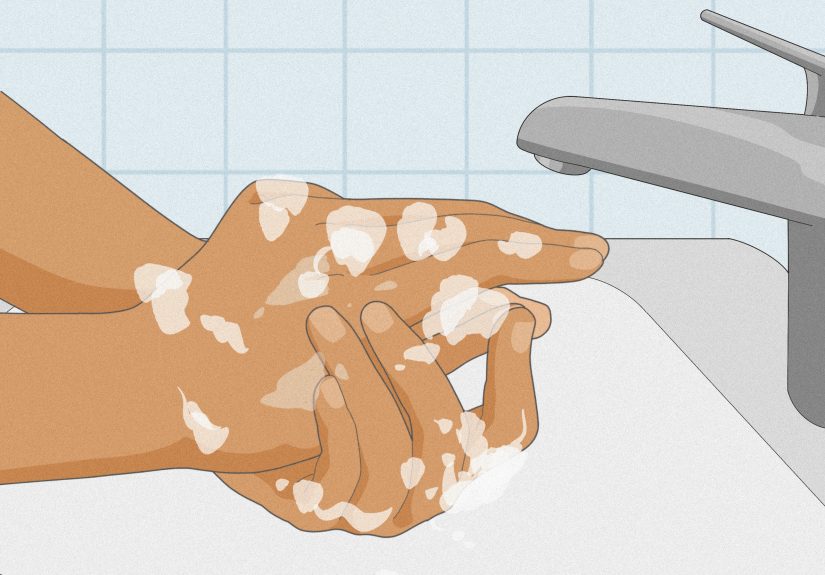
Aftercare is where many people sabotage an otherwise perfect piercing. Clean hands before touching the area. Use the aftercare product or routine recommended by your professional or healthcare source. Do not invent your own chemistry project in the bathroom.
Step 9: Stop touching, twisting, spinning, and “checking” it
A fresh piercing is not a fidget toy. Constant touching adds irritation and germs. Twisting the jewelry may feel like you are helping it “stay open,” but in reality you may just be slowing healing and making the area angrier.
Step 10: Sleep and style carefully
Hair, hats, headphones, pillow pressure, and rough towel drying can all irritate a new piercing. Sleep on the opposite side when possible. Be gentle when brushing your hair. A healing ear has the emotional stability of a very tired toddler.
Step 11: Watch for signs of trouble
Some redness, mild tenderness, and light crusting can happen during healing. But worsening pain, notable swelling, warmth, spreading redness, thick discharge, or symptoms that are not improving deserve attention. Cartilage pain and swelling deserve extra caution.
Step 12: Get help early if something seems wrong
Do not wait for your ear to stage a dramatic protest. If you think a piercing is infected or healing badly, talk to a qualified healthcare professional, especially if cartilage is involved. Early care is far better than internet guesswork.
What People Get Wrong About Ear Piercing at Home
“I sterilized the needle, so it’s basically the same thing.”
Not really. Professional piercing is about more than one object being clean. It is the full process: environment, handling, technique, jewelry, wound care, and experience.
“My friend did it and was fine.”
People also text while walking into doors and survive. One lucky story does not turn a risky method into a good one. Personal anecdotes are not a substitute for sound practice.
“It’s just an earlobe. What’s the worst that could happen?”
The worst-case list is longer than most people expect: infection, tearing, embedded jewelry, bad scarring, allergic irritation, crooked placement, and a healing process that becomes far more expensive than paying a professional in the first place.
Safer Alternatives to DIY Ear Piercing
If your budget is the issue, call local piercing studios and compare rates. Some shops run promotions or include starter jewelry and aftercare guidance in the price. If your concern is fear, bring a trusted friend, ask questions, and let the piercer explain the process. If your issue is impatience, remind yourself that waiting a little now is better than managing a painful problem later.
You can also plan ahead for healing. Schedule your piercing when you do not have sports, travel, swimming, or formal events that could make aftercare harder. That one choice can save you a lot of frustration.
Experience and Real-Life Lessons Around DIY Ear Piercing
People’s experiences around this topic usually fall into two categories: “I tried to save money and regretted it,” or “I paid for a professional and wondered why I ever considered the sewing-needle idea.” The details change, but the pattern stays remarkably consistent.
A common DIY story begins with confidence. Someone watches a video, gathers supplies from around the house, and decides that ear piercing at home cannot be that hard. There may be an ice cube involved, a marker dot on the earlobe, and a friend whose credentials include “steady hands” and “watched half the same video.” At first, it seems manageable. Then the needle does not glide the way they expected. The angle feels wrong. The jewelry does not go in smoothly. Suddenly, what was supposed to be a quick beauty experiment becomes a high-stress event starring blood, panic, and extremely bad lighting.
Then comes the second phase: denial. The ear is red, swollen, and tender, but the person tells themselves that this is “probably normal.” They clean it too often, touch it constantly, twist the jewelry, switch products three times, and ask three different people for advice. One says use alcohol. Another says use ointment. A third says leave it alone and let the universe decide. By day four, the ear is still angry, nobody agrees on what to do, and the original money-saving mission has somehow become more complicated than filing taxes.
Professional piercing experiences tend to sound very different. People describe being nervous at first, then pleasantly surprised by how organized the studio feels. There is usually paperwork, hand hygiene, marked placement, sterile equipment, proper jewelry, and someone who has done this many times before. The piercing itself is often over faster than expected. Aftercare instructions are clear. The person goes home not with a household injury disguised as a style choice, but with a realistic healing plan.
Another common lesson involves symmetry. People attempting ear piercing at home often discover that “close enough” is not actually close enough when both ears are side by side on your head every day. One hole sits higher. One angles outward. One stud faces the sky as if searching for meaning. Professional placement matters because tiny differences become very visible once earrings are in.
There are also emotional experiences tied to the decision. Many people say the biggest relief after choosing a professional was simply not having to worry whether they accidentally caused a bigger problem. Instead of wondering whether a throbbing ear is normal, they start from a cleaner, better-controlled place. That peace of mind is worth a lot.
The clearest takeaway from real-world experiences is not dramatic at all: the safe option is usually the less stressful, less painful, and more attractive option in the long run. DIY ear piercing with a sewing needle may sound bold, resourceful, or rebellious for about five minutes. A well-done professional piercing looks better for much longer.
Final Thoughts
If you came here hoping for a 12-step sewing-needle tutorial, the honest answer is that your ears deserve better than a craft supply ambush. Ear piercing is one of those things that looks simple from far away and gets much more complicated the closer you get.
The smarter move is to choose a professional, ask the right hygiene questions, wear quality starter jewelry, and take aftercare seriously. That approach is not only safer. It also gives you the best chance of ending up with a piercing you actually enjoy instead of a story that begins with, “So, funny thing, I thought I could do it myself…”