Table of Contents >> Show >> Hide
- Meet the Plant: Hens, Chicks, and the Name Confusion
- Why Gardeners Love Hens and Chicks (Besides the Cute Name)
- Choosing the Right Location: Sun, Heat, and Microclimates
- Soil: Drainage Is the Whole Personality
- When to Plant Hens and Chicks
- Planting Step-by-Step
- Watering: The “Soak and Dry” Approach (Without the Drama)
- Fertilizer: Less “Feeding,” More “Letting It Be”
- Propagation: Making More Chicks on Purpose
- Flowering: The Plot Twist (And Why It’s Not a Problem)
- Seasonal Care
- Common Problems (and How to Fix Them Without Panic)
- Design Ideas That Make Hens and Chicks Look Like You Hired a Landscape Architect
- Quick FAQ
- Real-World Experiences: What Gardeners Learn Fast (and Laugh About Later)
- Conclusion: A Tough Little Plant That Rewards the “Hands-Off” Gardener
Hens and chicks plants are the introverts of the garden world: they want sun, excellent drainage, and for you to stop hovering.
Give them those three things and they’ll reward you by multiplying like they’re paid per rosette. (They’re not. They just love attention-free living.)
In this guide, you’ll learn exactly how to plant, grow, and propagate hens and chicksplus how to avoid the two classic mistakes:
(1) “I watered it because I love it,” and (2) “I planted it in a mud pit because I love it.” Love is great. Drainage is better.
Meet the Plant: Hens, Chicks, and the Name Confusion
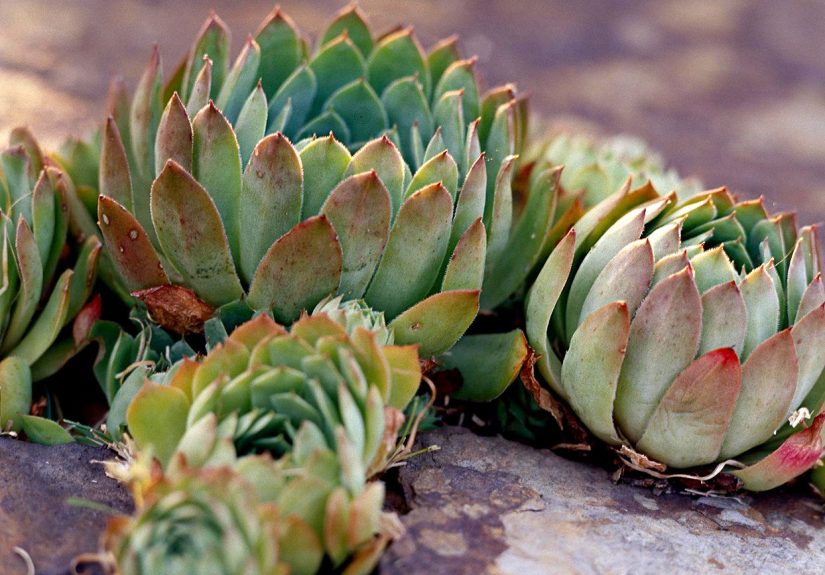
True “hens and chicks” are usually Sempervivum (also called houseleeks): low, tight rosettes (the “hen”) that send out baby rosettes
(the “chicks”) on little runners. They’re famously cold-hardy for a succulent and are commonly grown outdoors in rock gardens, wall crevices, troughs,
and any spot that would make fussier plants file a complaint.
One reason people get confused: some tender succulents (especially Echeveria) are also sold with “hen and chicks” as a common name in some places.
Here’s the practical difference: Sempervivum can handle real winters in many regions, while Echeveria is typically much more frost-tender.
When shopping, look for the botanical name Sempervivum if you want the classic hardy outdoor plant.
Why Gardeners Love Hens and Chicks (Besides the Cute Name)
- They’re drought-tolerant: once established, they prefer being slightly ignored.
- They thrive in “bad” soil: rocky and lean is often better than rich and soggy.
- They multiply easily: those offsets (“chicks”) make propagation almost unfairly simple.
- They’re design-friendly: perfect for rock gardens, edging, containers, and crevices.
- They’re hardy for a succulent: many types handle cold far better than most rosette succulents.
Choosing the Right Location: Sun, Heat, and Microclimates
Sunlight: Aim for 6+ Hours
Hens and chicks look their best in full sunthink at least six hours daily. Strong light keeps rosettes compact and colorful.
Too much shade often leads to “stretching” (a.k.a. the plant reaching for light like it lost its glasses).
Hot Climates: Afternoon Shade Is a Superpower
In very hot, dry, or high-heat regions, full sun all day can be a bit intenseespecially when heat reflects off stone, concrete,
or metal planters. In warm zones, give them bright morning sun and some afternoon shade to prevent stress and scorched tips.
A spot with airflow helps, too.
Rainy Areas: Think “Roof Overhang Energy”
If your climate is wet or humid, your biggest job is preventing water from hanging around the roots.
Plant on a slope or mound, use gritty soil, and consider sites that stay driernear eaves, in raised beds, or in containers where you control moisture.
Soil: Drainage Is the Whole Personality
In the Ground
Hens and chicks can tolerate poor soil, but they cannot tolerate “wet feet.” If you have heavy clay, don’t fight it with optimismupgrade the drainage.
Here are three reliable approaches:
- Build a mound: raise the planting area 3–6 inches above surrounding soil.
- Amend aggressively: mix in gritty material like pea gravel, crushed granite, pumice, or coarse sand (not the fine beach kind).
- Choose a rock-garden style bed: a shallow layer of lean soil over a base of gravel drains fast and keeps rosettes tight.
A good target is a soil that drains quickly after rain and never feels swampy. If water puddles for hours, your hens and chicks are about to become
“hens and regrets.”
In Containers
Containers are excellent for hens and chicks because you can engineer perfect drainage. Use a cactus/succulent mix and make it even grittier.
A simple, effective DIY blend:
- 2 parts cactus/succulent potting mix
- 1 part perlite or pumice
- 1 part crushed granite, poultry grit, or small gravel
The pot must have drainage holes. If your container doesn’t, it’s not a planterit’s a decorative bowl with a secret sabotage hobby.
When to Plant Hens and Chicks
The easiest planting windows are spring and early fall, when temperatures are moderate.
You can plant in summer, but avoid the hottest week of the year and give extra shade and careful watering during establishment.
Planting Step-by-Step
- Pick the spot: full sun (or morning sun + afternoon shade in very hot areas) with fast-draining soil.
- Prep the soil: loosen it and mix in grit if needed. In clay, build a mound or use a raised bed.
-
Dig a shallow hole: hens and chicks don’t need deep planting. Set the rosette so the base sits at soil level.
Keep the leaves above the soil line to reduce rot. - Backfill and firm lightly: you want contact, not compaction.
- Water once to settle: then let the soil dry. The goal is rooting, not soggy romance.
-
Top-dress (optional but smart): add a thin layer of gravel around the plant. This keeps leaves off damp soil,
reduces splash, and looks clean.
Watering: The “Soak and Dry” Approach (Without the Drama)
Right After Planting
For the first couple of weeks, water lightly only when the soil is fully dry. You’re encouraging roots to reach, not training the plant
to expect room service.
Once Established
Outdoors, rainfall may be enough in many regions. In dry spells, water deeply but infrequentlythen let everything dry out again.
In containers, you’ll water more often than in the ground, but still only when dry.
How to Tell if It Actually Needs Water
- Needs water: leaves may look slightly thinner, wrinkled, or less plump; the plant looks a bit “deflated.”
- Too much water: leaves turn mushy, translucent, or drop easily; the center can rot if moisture sits there.
When you do water, water the soilavoid filling the rosette like it’s a tiny leafy cereal bowl.
Fertilizer: Less “Feeding,” More “Letting It Be”
Hens and chicks don’t need much fertilizer. Rich feeding can lead to softer, looser growth that’s more prone to rot and less colorful.
If you want to encourage a bit more growth in containers, use a diluted balanced fertilizer once in springlightly.
“A little” is the correct amount. “A lot” is a creative writing exercise titled How I Lost My Succulent.
Propagation: Making More Chicks on Purpose
Propagating by Offsets (The Easy, High-Success Method)
Offsets are baby rosettes that form around the parent. Many will have tiny roots, and they detach easily.
Here’s how to propagate without overthinking it:
- Choose a chick: pick one that’s at least the size of a quarter (bigger is even easier).
- Gently separate: tug or snip the connecting runner. Try to keep any little roots attached if they exist.
- Let it callus (optional but helpful): if the chick has a fresh, moist break, let it sit in shade for a few hours to a day.
- Set on gritty soil: place the base on top or slightly tucked into the soildon’t bury the leaves.
- Water sparingly: misting isn’t necessary; instead, lightly water the soil once it’s dry. Roots usually form quickly.
Can You Grow Them from Seed?
Yes, but it’s slower and less common for casual gardeners. Offsets are faster, easier, and keep the cultivar traits you actually liked in the first place.
Save seed-starting for when you want a longer project (and you enjoy suspense).
Flowering: The Plot Twist (And Why It’s Not a Problem)
A mature rosette can send up a tall flower stalk in summer. After flowering, that specific rosette typically dies (it’s a “one-and-done” performer).
The good news: the plant usually leaves behind plenty of chicks, so the colony lives on.
What to do:
- If you enjoy the flowers, let them bloompollinators often appreciate them.
- After blooming, remove the spent rosette once it dries out to tidy the planting and reduce rot risk.
Seasonal Care
Winter
Many hens and chicks are cold-hardy and can stay outside in the ground through winter. The bigger winter risk is often wetness,
not cold. If you grow them in pots, protect them from constant winter rain and freeze-thaw cycles by moving containers under an overhang,
into an unheated garage with light, or a sheltered spot that stays relatively dry.
Summer
In peak heat, watch for sun scorch in reflective locations (stone patios, metal planters). If tips brown during heatwaves,
provide temporary afternoon shade and make sure the soil drains fast.
Rainy Seasons
If you’re dealing with long rainy stretches, the best “care” is usually structural: add grit, increase slope, top-dress with gravel,
and avoid watering entirely. In containers, make sure nothing blocks the drainage holes and consider elevating pots so water doesn’t pool beneath.
Common Problems (and How to Fix Them Without Panic)
1) Root Rot
The #1 enemy is wet soil. If rosettes get mushy or collapse:
- Stop watering immediately.
- Remove affected rosettes (they won’t recover once the crown rots).
- Increase drainage: add grit, repot into a drier mix, or move to a sunnier, breezier location.
- Save healthy chicks: detach and re-root them in fresh gritty soil.
2) Stretching (Etiolation)
If rosettes look tall and open instead of tight and geometric, they need more light. Move them to a sunnier spot gradually
(a sudden jump to intense sun can cause scorch).
3) Sun Scorch
Brown tips or bleached patches can happen during extreme heat, especially with reflected sun. Give afternoon shade, improve airflow,
and avoid watering the rosette center.
4) Pests
Outdoors, hens and chicks are usually low-pest. Occasionally you may see aphids on flower stalks or pests tucked in tight rosettes.
Start with a strong spray of water and remove badly infested parts. If needed, use an appropriate insecticidal soap according to label directions
and keep the plant drier afterward.
Design Ideas That Make Hens and Chicks Look Like You Hired a Landscape Architect
- Rock garden mosaic: mix several cultivars for color shifts across seasons.
- Wall crevices: tuck chicks into cracks with gritty soilinstant “ancient courtyard” energy.
- Trough planters: shallow, wide containers highlight the rosette shapes beautifully.
- Edging a sunny path: they stay low, tidy, and don’t demand weekly grooming.
- Gravel garden pockets: plant in small pockets between stones for a living pattern.
Quick FAQ
Do hens and chicks need full sun?
Usually, yesfull sun gives the tightest rosettes and best color. In extremely hot climates, bright morning sun with afternoon shade can prevent stress.
How fast do hens and chicks spread?
Under good conditions, they can fill a container or small bed surprisingly quickly by producing offsets each growing season.
If you want a neat look, plan to thin and replant chicks every year or two.
Can I grow hens and chicks indoors?
You can, but it’s not their favorite lifestyle. Indoors, they often struggle to get enough direct light and may stretch.
If you try, use the brightest window you have (or a grow light), a very gritty mix, and water only when fully dry.
Real-World Experiences: What Gardeners Learn Fast (and Laugh About Later)
If you ask a group of gardeners how their first hens and chicks went, you’ll hear two stories: “They thrived on neglect!” and “I loved them to death.”
That second one usually starts with the same sentence: “I thought succulents needed little sips of water all the time.” In practice,
hens and chicks do better with a deep drink once the soil is drythen nothing for a while. The soil-dryness test is the whole secret.
Gardeners who stop watering on a schedule and start watering based on dryness usually see rosettes tighten up and colors intensify within weeks.
Another common learning moment: the heartbreak of the “cute container with no drainage hole.” It looks perfect on a patio table.
It also behaves like a bathtub. Gardeners often notice the plant seems fine for a short time (because succulents store water),
then suddenly the center softens and the rosette collapses. The fix is wonderfully unglamorous: move the plant to a pot with drainage,
switch to a gritty mix, and top-dress with gravel so leaves don’t sit on damp soil. Many gardeners save the day by pulling off healthy chicks,
letting them dry for a few hours, then rooting them in fresh soil. It feels like plant triage, but it works.
Rainy climates teach the next lesson: “Drainage” isn’t a vibe; it’s engineering. Gardeners in wet regions often succeed by planting hens and chicks
on a slight slope or mound, mixing in lots of grit, and choosing spots that naturally stay drierlike near the edge of a roof overhang.
A gravel top-dressing becomes more than decoration; it reduces splash, keeps rosettes cleaner, and helps water move away from the crown.
People who do this typically report fewer rot problems and fewer “mystery collapses” after summer storms.
Heat brings its own surprise, especially on patios and in city yards. A pot sitting on concrete can become a tiny solar oven,
and reflected heat can crisp leaf tips even when the plant gets enough water. Gardeners often fix this not by watering more,
but by adjusting placement: morning sun, afternoon shade, and a little airflow. It’s a good reminder that “full sun” doesn’t mean
“full sun plus reflective concrete plus a black metal pot.” Sometimes you don’t need a new plantyou just need a new spot.
Then there’s the joy side: hens and chicks turn many gardeners into accidental plant donors. Once the chicks start marching outward,
it’s hard not to propagate them. Gardeners often pop a few offsets into small nursery pots, label them (future-you will thank you),
and hand them out like party favors. They’re one of the easiest “gateway plants” for friends who insist they can’t keep anything alive.
The success rate is high, and the bragging rights are immediate: “This whole patch started from one tiny rosette.”
Finally, there’s the flowering “plot twist.” Gardeners sometimes panic when a big hen sends up a stalk and later looks tired.
But once you learn that the flowering rosette is basically doing a grand finale, it becomes less scary and more fascinating.
Many gardeners let it bloom for the pollinators, then remove the dried rosette laterwhile the chicks keep going like nothing happened.
It’s the perfect metaphor for low-maintenance gardening: one part drama, ten parts resilience, and a happy ending made of baby plants.
Conclusion: A Tough Little Plant That Rewards the “Hands-Off” Gardener
If you remember only one rule for planting and growing hens and chicks plants, make it this: drainage first.
Give them sun, gritty soil, and the freedom to dry out between waterings, and they’ll handle the restcold, drought, poor soil,
and even your occasional forgetfulness. Propagate the chicks, tidy up spent rosettes after flowering, and enjoy a plant that basically
thrives on the gardening version of “I’ll get to it later.”