Table of Contents >> Show >> Hide
- What Is What Are the Odds?
- How to Play What Are the Odds
- The Best House Rules to Set Before You Start
- How to Choose Good Odds
- 35 Funny What Are the Odds Dare Ideas
- What Makes a Dare Actually Good?
- What Not to Do in What Are the Odds
- How to Play What Are the Odds Over Text or FaceTime
- How to Keep the Game Fun for Different Ages
- Experiences Players Often Have When Playing What Are the Odds
- Final Thoughts
- SEO Tags
If you have ever been in a car, a group chat, a lunch table, or a party where someone suddenly says, “What are the odds you’ll do it?” then congratulations: you have already brushed shoulders with one of the funniest low-effort party games on the planet. What Are the Odds is equal parts dare game, bluff battle, and friendship stress test. It takes about ten seconds to learn, zero board-game engineering degrees to play, and only one truly essential skill: keeping a straight face while you propose something ridiculous.
The beauty of this game is that it is wildly flexible. You can play it with two people in a boring waiting room, turn it into a full group activity at a sleepover, or use it as a quick icebreaker when everyone is still pretending to be “chill.” The trick is knowing the rules, setting smart boundaries, and choosing dare ideas that are funny without crossing into “well, that escalated quickly” territory.
Here is everything you need to know about how to play What Are the Odds, including the basic rules, smart house rules, the best dare ideas, and how to keep the game fun for everyone involved.
What Is What Are the Odds?
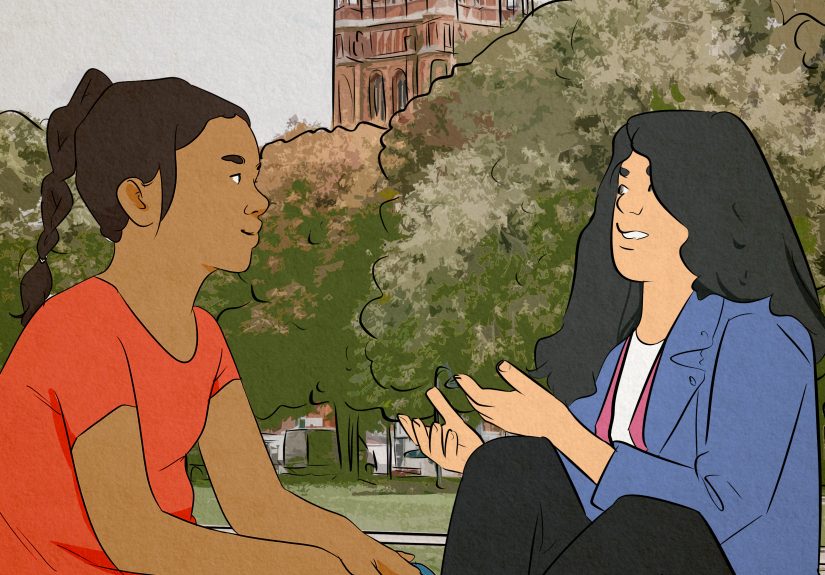
What Are the Odds is a social dare game where one player challenges another to do something. The challenged player then chooses the odds, such as 1 in 5, 1 in 10, or 1 in 20. Both players count down and say a number at the same time within that range. If the numbers match, the dared player has to do the dare. If the numbers do not match, they are off the hook.
That is the whole engine of the game. Tiny rule set. Massive chaos potential.
There is also a branded card-game version of What Are the Odds? that uses challenge cards and more structured turns, but most people play a homemade version with no cards at all. Both versions are built around the same idea: assign odds, count down, say a number, and hope your luck is better than your confidence.
How to Play What Are the Odds
The basic no-cards version
- One player gives a dare. Example: “What are the odds you’ll sing the chorus of your favorite song right now?”
- The other player chooses the odds. Example: “1 in 8.”
- Both players silently pick a number between 1 and 8.
- Count down together. Usually: “3, 2, 1…”
- Both players say their number at the same time.
- If the numbers match, the dare happens. If not, the moment passes and somebody else takes a turn.
A quick example
Player A says, “What are the odds you’ll wear your hoodie backward for the next hour?”
Player B says, “1 in 6.”
Both count down.
Player A says, “4.” Player B says, “4.”
That is a match, so Player B now has to commit to the backward-hoodie lifestyle.
How the official card-game version works
In the official tabletop-style version, a player draws a challenge card, picks someone to dare, and the dared player chooses the odds. In that structured format, the odds are usually kept between 1 in 2 and 1 in 10. If the two numbers match, the dared player does the challenge and the daring player keeps the card.
If you are playing the casual social version, you do not need cards. You just need imagination, timing, and a group that understands the difference between funny and felony.
The Best House Rules to Set Before You Start
This is the part that separates a hilarious game night from an awkward one. The best What Are the Odds rules are not about making the game stricter. They are about making it smoother, safer, and way more replayable.
1. Everyone gets the right to say no
No one should be pressured into a dare that feels unsafe, humiliating, illegal, expensive, or deeply personal. A good house rule is simple: if someone says no, the group moves on. No courtroom drama. No guilt trip. No “come on, don’t be boring.”
2. Keep dares short
The funniest dares are usually quick. Sing a line. Wear something silly. Talk in an accent for five minutes. Do a weird dance. Dares that last all day tend to stop being funny and start feeling like community service.
3. No dangerous, illegal, or mean dares
Skip anything that involves substances, unsafe driving, vandalism, stealing, touching strangers, harassment, humiliation, or posting content online that someone might regret later. A dare should create laughter, not a future apology tour.
4. Decide who pays if the dare costs money
If the dare involves buying something, make that clear upfront. A smart rule is: the person who suggested the dare pays for it. That one rule magically reduces the number of “Go buy everyone tacos” dares by about 97%.
5. Use an alternate dare option
If someone is not comfortable with a dare, let them swap for a backup challenge. This keeps the game moving without turning it into a hostage negotiation. Think of it as the mercy rule for decent human beings.
How to Choose Good Odds
One of the funniest parts of the game is deciding what number feels fair. The lower the odds, the more likely the dare will happen. The higher the odds, the safer the challenged player feels.
- 1 in 3 to 1 in 5: Great for easy, silly dares
- 1 in 6 to 1 in 10: Best for standard party dares
- 1 in 11 to 1 in 20: Better for bolder dares, but only if the group is comfortable
In general, the funnier and lighter the dare, the lower the odds can be. If the dare is more public or more embarrassing, the odds should go up. That is just basic game-night diplomacy.
35 Funny What Are the Odds Dare Ideas
Need ideas? Here are some What Are the Odds dare ideas that work well because they are short, social, and mostly harmless.
Clean and silly dares
- Do your best robot walk across the room.
- Talk like a game-show host for five minutes.
- Wear your jacket backward until the next round.
- Sing the chorus of the last song you heard.
- Do ten dramatic jumping jacks.
- Say everything in a whisper for three minutes.
- Pretend you are giving a weather report.
- Make up a campaign speech for becoming class president, office snack boss, or couch emperor.
- Balance a spoon on your nose for ten seconds.
- Speak only in movie titles for one round.
Funny group dares
- Give the room a one-minute motivational speech.
- Invent a handshake with the person next to you.
- Let the group choose your nickname for the next ten minutes.
- Do your best runway walk across the room.
- Recite the alphabet like you are furious about it.
- Pretend to host a cooking show using random objects nearby.
- Do a dramatic reading of a text message.
- Act like a pirate until your next turn.
- Wear socks on your hands for one round.
- Make up a theme song for someone in the group.
Low-stakes public dares
- Ask a friend to rate your fake restaurant concept.
- Order water in your fanciest possible voice.
- Compliment three people sincerely.
- Ask, “Which snack best represents my energy?” and accept the answer with dignity.
- Take a harmless, goofy selfie.
- Do a tiny dance before sitting down.
- Introduce yourself like a celebrity arriving on a red carpet.
- Ask the group to choose your walk-up song.
- Talk in rhyme for thirty seconds.
- Give a dramatic thumbs-up to absolutely everything for five minutes.
Sleepover and family-friendly dares
- Bite into a lemon slice.
- Spin around three times and try to walk in a straight line.
- Tell a ghost story in your spookiest voice.
- Do your best monster dance.
- Pretend to be a statue until someone says your name.
What Makes a Dare Actually Good?
A good dare has three traits: it is funny, fast, and forgettable in the best way. That means people laugh, the moment lands, and no one lies awake at 2:00 a.m. thinking, “Why did I let them film that?”
Here is a good rule of thumb: if a dare could embarrass someone in front of strangers, damage a friendship, risk injury, or live online forever, it is a bad dare. If it makes the group laugh for thirty seconds and then everyone moves on, you are in the sweet spot.
What Not to Do in What Are the Odds
- Do not dare someone to drink, smoke, or use anything unsafe.
- Do not involve strangers in ways that are invasive, rude, or creepy.
- Do not turn a joke into public humiliation.
- Do not pressure someone after they refuse.
- Do not use the game to target one person over and over.
- Do not make dares about sensitive topics like trauma, relationships, bodies, religion, money, or family conflict.
The safest version of the game is also the funniest one, because everyone relaxes. Once people trust the group, they are much more willing to play along.
How to Play What Are the Odds Over Text or FaceTime
Yes, this game absolutely works over text. In fact, the digital version is ideal when your friend group is bored but too lazy to leave the couch.
Over text
Send the dare, agree on the odds, then both type your number and hit send at the same time. If you do not trust each other, congratulations, you are playing with exactly the right friend group.
Over FaceTime or video chat
Just use the normal countdown method. The only difference is that your lag may become a surprise third player. Keep the dares extra simple, since nobody wants to do interpretive dance while their connection freezes on the least flattering frame possible.
How to Keep the Game Fun for Different Ages
If younger players are involved, keep the dares light, physical, and goofy rather than embarrassing. Think monster voices, funny walks, tongue twisters, and harmless challenges. For teens and adults, the game can be a little bolder, but it should still stay within clear boundaries.
The more mixed the group, the cleaner the game should be. That is not boring. That is strategy. Nothing kills momentum like having to explain to your aunt why someone just suggested a dare clearly meant for a reality show reunion special.
Experiences Players Often Have When Playing What Are the Odds
One reason this game stays popular is that it creates stories almost instantly. Not big, life-changing stories. Tiny, ridiculous ones. The kind that get retold later with way more dramatic hand gestures than the original event probably deserved.
For example, many groups start with cautious little dares. Someone has to wear sunglasses indoors. Someone else has to announce, in a very serious voice, that they are “entering their champion era.” Everybody laughs politely. Then the game loosens up. The dares get smarter, not harsher. A shy player suddenly becomes the funniest person in the room because they deliver a fake acceptance speech like they have been preparing for that exact moment since birth. Another player who swore they would never participate ends up doing a perfect robot impression after the numbers match on a 1-in-4 chance. That is the magic of the game: it turns regular people into temporary legends.
At sleepovers, the experience is usually less about boldness and more about momentum. One goofy dare leads to another, and soon the entire room is trying to talk like pirates, whisper-sing pop songs, or make up ridiculous nicknames. Nobody needs expensive equipment, complicated setup, or a twenty-minute rules explanation. The game works because the stakes feel silly but real enough to make everyone pay attention. When the countdown starts, even people who are “too cool” for games suddenly care very deeply about whether somebody says the number 7.
At parties, the experience changes a little. Here, What Are the Odds often works best as a side-game rather than the main event. It is perfect for those awkward in-between moments: waiting for food, standing around the kitchen, or trying to keep the energy up before everyone drifts into separate conversations. A well-timed dare can reset the room. Someone sings. Someone gives a fake TED Talk about ranch dressing. Someone introduces their friend like a heavyweight boxing champion. The group laughs, the social pressure drops, and suddenly the room feels warmer.
There is also a small thrill built into the game that people love. Even when the dare is harmless, the matching-number reveal creates suspense. You can see it on people’s faces during the countdown. They look confident, nervous, and weirdly philosophical all at once. Then the numbers hit. If they do not match, everyone groans or cheers. If they do match, the entire group locks in like they have just witnessed a historic sporting event, except the “athlete” now has to do a monster dance near the snack table.
The best experiences happen when the group understands the vibe. Players cheer each other on, but they do not bully. They laugh with people, not at them. They keep the dares creative, quick, and easy to complete. In those groups, the game becomes less about embarrassment and more about shared comedy. And honestly, that is why it works. What Are the Odds is not really about forcing dares. It is about giving people permission to be a little weird in public, a little louder than usual, and a lot less self-conscious for a few minutes.
Final Thoughts
If you want a game that is easy to learn, funny to play, and flexible enough for everything from sleepovers to casual hangouts, What Are the Odds is a winner. The rules are simple, but the game only really works when everyone agrees on one thing: the goal is laughter, not pressure.
Pick dares that are clever instead of cruel. Keep the odds fair. Let people pass without turning it into a federal case. Do that, and you will end up with the best kind of game-night result: everybody laughing, nobody regretting anything, and at least one person accidentally becoming famous for their pirate voice.