Table of Contents >> Show >> Hide
- Why Bathrooms Are Mold Magnets
- The Golden Rule: Control Moisture First
- Fix Small Leaks Before They Become Big Mold Problems
- Choose Mold-Resistant Materials When Possible
- Win the Grout and Caulk War
- Daily and Weekly Habits That Make a Huge Difference
- DIY Mold Prevention Solutions That Actually Work
- When Mold Keeps Coming Back
- Real-World DIY Experiences With Bathroom Mold Prevention
- Conclusion: Mold Prevention Is a Habit, Not a Hack
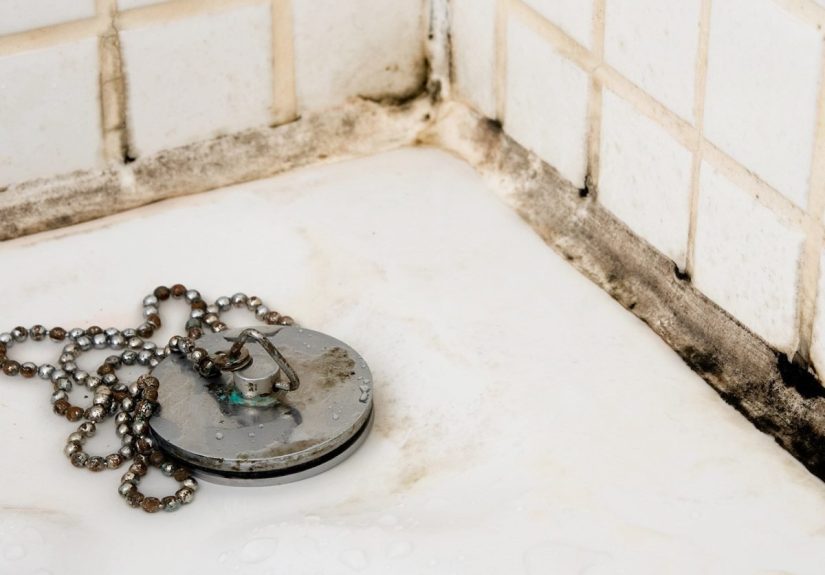
Mold in the bathroom is like that uninvited guest who shows up, makes itself at home, and refuses to leave. You clean religiously, light your favorite candle, and somehowboomblack spots creep back onto grout lines, ceilings, and shower curtains. The good news? Bathroom mold is preventable, and you don’t need a hazmat suit or professional remediation crew to win this battle. With a few DIY strategies, smart habits, and the right materials, you can keep your bathroom fresh, dry, and mold-free.
This guide pulls together practical advice inspired by decades of DIY wisdom from trusted U.S. home improvement voicesthink Family Handyman–style know-how mixed with real-world experience. Let’s break down exactly why mold thrives in bathrooms and how to stop it before it even thinks about moving in.
Why Bathrooms Are Mold Magnets
Mold loves three things: moisture, warmth, and organic material. Bathrooms offer all of that in abundance. Hot showers create steam, surfaces stay damp longer than you think, and everyday materials like drywall, paint, wood trim, grout, and caulk provide perfect feeding grounds.
The most common bathroom mold culprits include:
- Shower grout and caulk
- Bathroom ceilings above tubs and showers
- Under sinks with small leaks
- Behind toilets and around baseboards
- Fabric shower curtains and bath mats
Understanding the “why” behind mold growth makes prevention far easierand cheaper.
The Golden Rule: Control Moisture First
If mold prevention had a single commandment, it would be this: Control moisture, and mold won’t stand a chance.
Upgrade or Actually Use Your Exhaust Fan
Your bathroom exhaust fan is the unsung hero of mold prevention. Many homeowners either don’t use it long enoughor have fans that barely work. A good fan should clear steam from mirrors within five to ten minutes.
DIY tips:
- Run the fan during showers and for 20–30 minutes afterward
- Install a timer switch so you don’t forget
- Upgrade to a higher CFM fan if moisture lingers
If your fan vents into the attic instead of outdoors, fix that ASAP. Venting moisture into your attic is basically inviting mold to throw a party upstairs.
Open Doors and Windows Strategically
No fan? No problemat least temporarily. Crack a window or leave the bathroom door open after showers to help moisture escape. Cross-ventilation can work surprisingly well, especially in mild weather.
Fix Small Leaks Before They Become Big Mold Problems
Mold doesn’t need a flood to thrive. A slow drip under the sink or a consistently damp toilet base is more than enough.
Check These Hot Spots Monthly
- Under sink supply lines and traps
- Around toilet bases (watch for loose seals)
- Shower valves and tub spouts
- Caulk lines around tubs and sinks
Fixing a minor leak today can save you from replacing drywall or subflooring tomorrow.
Choose Mold-Resistant Materials When Possible
If you’re remodeling or making upgrades, material choices matter more than you think.
Smart Material Swaps
- Mold-resistant drywall instead of standard drywall
- High-gloss or semi-gloss paint with built-in mildewcides
- Solid surface or porcelain tile instead of porous stone
- Vinyl or fiberglass shower surrounds for easy maintenance
These upgrades don’t just prevent moldthey make cleaning faster and less frustrating.
Win the Grout and Caulk War
If bathroom mold had a favorite hiding spot, grout and caulk would be it.
Seal Grout Regularly
Grout is porous by nature. Sealing it once a year creates a moisture barrier that mold struggles to penetrate. This is a quick DIY job with big long-term benefits.
Replace Failing Caulk
Cracked or discolored caulk isn’t just uglyit’s an open door for moisture. Remove old caulk completely and replace it with a high-quality mildew-resistant silicone product.
Daily and Weekly Habits That Make a Huge Difference
You don’t need to deep-clean your bathroom every day, but small habits go a long way.
After Every Shower
- Squeegee shower walls and doors
- Hang towels to dry fully
- Pull the shower curtain closed to dry evenly
Weekly Maintenance
- Wipe down tile and fixtures with a mild cleaner
- Wash fabric shower curtains and bath mats
- Empty trash and check humid corners
Think of it as mold prevention through laziness preventionless buildup now means fewer deep cleans later.
DIY Mold Prevention Solutions That Actually Work
You don’t need harsh chemicals to keep mold away.
White Vinegar Spray
Plain white vinegar kills many common mold spores and helps prevent regrowth. Spray affected areas weekly and let air dry.
Baking Soda Scrub
Baking soda removes surface mold gently and leaves no toxic residue. Perfect for grout touch-ups.
Hydrogen Peroxide for Stubborn Areas
A 3% hydrogen peroxide solution can tackle tougher spots while keeping fumes minimal.
When Mold Keeps Coming Back
If mold reappears quickly despite your efforts, the problem may be hidden moistureinside walls, under flooring, or above the ceiling. Persistent mold is your house telling you that something deeper needs attention.
At that point, investigation matters more than scrubbing.
Real-World DIY Experiences With Bathroom Mold Prevention
Over the years, countless homeowners have learnedoften the hard waythat bathroom mold isn’t about cleanliness alone. One DIYer shared how they cleaned their shower weekly with bleach, only to watch black spots return within days. The real fix wasn’t stronger cleanerit was installing a timer on the exhaust fan. Once the fan ran for 30 minutes post-shower, mold practically disappeared.
Another common experience involves bathroom ceilings. Flat paint may look great initially, but it absorbs moisture like a sponge. Homeowners who switched to mold-resistant semi-gloss paint noticed immediate improvements. Steam stopped clinging, wiping became easier, and those annoying ceiling spots stopped forming altogether.
Caulk replacement is another eye-opening DIY project. Many people scrub dirty caulk endlessly, not realizing the mold is growing underneath. Once old caulk is fully removed and replaced with mildew-resistant silicone, the bathroom feels cleaner and stays that way longer. It’s a small weekend project that delivers outsized results.
Families with kids often face added challengeslong baths, splashing water, soaked floors. Parents who added simple habits like hanging towels separately and opening the bathroom door right after bath time saw fewer mold issues without changing cleaning routines.
Even renters have found success. Portable dehumidifiers, combined with daily squeegee use, dramatically reduced bathroom mold in apartments with poor ventilation. While not a perfect fix, it proved that moisture control matters more than brand-name cleaners.
The most consistent takeaway across DIY experiences is this: mold prevention isn’t about fighting harderit’s about working smarter. Once moisture is controlled, maintenance becomes easier, faster, and far less frustrating.
Conclusion: Mold Prevention Is a Habit, Not a Hack
Preventing bathroom mold doesn’t require extreme measures or constant scrubbing. It’s about combining good ventilation, quick fixes, smart material choices, and small daily habits. Once those are in place, mold goes from a constant annoyance to a rare visitor.
In true Family Handyman fashion, the best DIY solutions are the ones that work quietly in the backgroundkeeping your bathroom clean, healthy, and ready for guests without you even thinking about it.