Table of Contents >> Show >> Hide
- First, a quick reality check: What is a wart, and why does tape even come up?
- Before you start: When NOT to use duct tape for wart removal
- What you’ll need
- The 9 Steps: How to Remove a Wart With Duct Tape
- Step 1: Confirm you’re treating a “common” wart
- Step 2: Wash, dry, and inspect the skin
- Step 3: Cut the tape to the right size (small wins big)
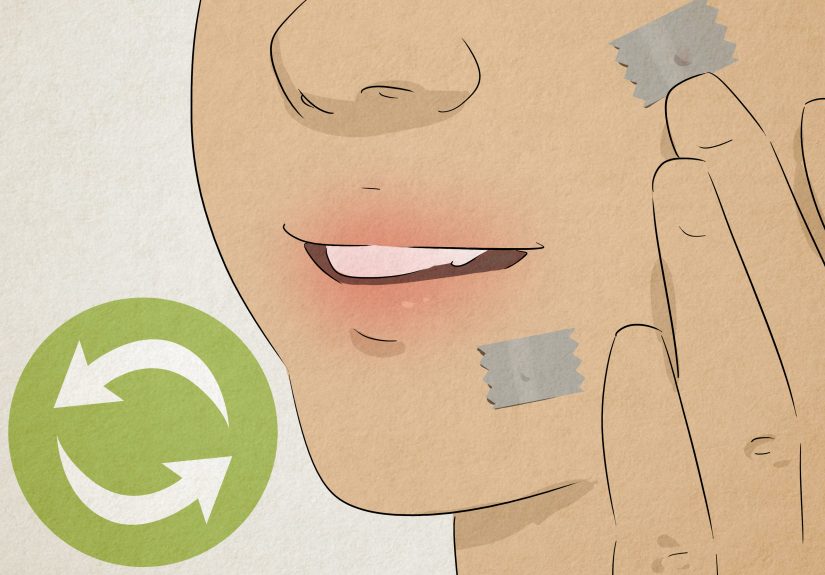
- Step 4: Apply the tape smoothlyno wrinkles, no gaps
- Step 5: Keep it on as continuously as possible
- Step 6: Remove the tape and soak the wart
- Step 7: Gently file the softened dead skin (be kind, not heroic)
- Step 8: Let it “air out” overnight
- Step 9: Repeat the cycle for several weeksand know when to stop
- Optional upgrade: Combining duct tape with salicylic acid
- What to expect: Signs it’s working (and signs it’s not)
- Common mistakes that make duct tape wart removal fail
- When to see a dermatologist (or primary care clinician)
- Frequently asked questions
- Real-world experiences: what people commonly report (about )
- Conclusion
Duct tape fixes everythingleaky hoses, ripped sneakers, emotional support water bottles… and (maybe) that stubborn little wart that showed up uninvited. The “duct tape wart removal” method (also called duct tape occlusion therapy) is a real, commonly recommended at-home approach by some clinicians and dermatology resources. The catch? The science is mixed, results take patience, and it’s not right for every wart or every person.
This guide walks you through a safe, practical, 9-step duct tape method, plus what to expect week by week, common mistakes, when to stop, and when to call in a pro. (Because sometimes the most effective treatment is letting a dermatologist do dermatologist things.)
First, a quick reality check: What is a wart, and why does tape even come up?
Common warts are noncancerous skin growths caused by certain types of human papillomavirus (HPV). They’re more common in kids and teens, but adults get them too. Warts can spread through direct contact, picking at them, shaving over them, or sharing items that rub the skin (like nail files). Many warts eventually go away on their ownbut “eventually” can feel like a long time when the wart is front-and-center on your finger like it’s auditioning for a role.
So how might duct tape help?
- Occlusion: Keeping the wart covered can soften the thick top layer (keratin), making it easier to gently remove dead surface skin.
- Irritation/immune signal: Mild irritation may help the immune system notice the virus-infected skin.
- Physical removal: Strong adhesive can lift some layers when removed.
- Spread prevention: A covered wart is harder to pick at and less likely to shed virus onto nearby skin.
Evidence note: Early studies suggested duct tape could work well for some common warts, while later trials found it wasn’t dramatically better than placebo in adults or with certain tape types. Translation: it can help some people, it won’t help everyone, and it’s not magiceven if it’s duct tape.
Before you start: When NOT to use duct tape for wart removal
Skip the duct tape plan and talk to a clinician if any of the following are true:
- The bump is on your face or near eyes, lips, or other very sensitive skin.
- The wart is around or under a nail (these can be tricky and painful to treat at home).
- You have diabetes, poor circulation, neuropathy, or you’re immunocompromised.
- The spot is bleeding, rapidly changing, very painful, or you’re not sure it’s a wart.
- It’s on skin that’s already broken, infected, or very irritated.
Safety reminder: This article is general information, not a substitute for medical advice. When in doubt, get it checkedespecially if it’s new, weird-looking, or not behaving like a typical common wart.
What you’ll need
- Duct tape (classic silver or any strong variety that sticks well)
- Scissors
- Soap and water
- Warm water (for soaking)
- Disposable emery board or a pumice stone (preferably something you can discard or keep dedicated to that one wart)
- Optional: Over-the-counter salicylic acid wart treatment (many dermatology sources suggest it can improve results when paired with covering)
- Optional: A regular bandage or athletic tape to help keep duct tape in place if it peels off easily
The 9 Steps: How to Remove a Wart With Duct Tape
Step 1: Confirm you’re treating a “common” wart
Common warts usually look like rough, raised bumps and may have tiny dark dots (clotted capillaries) inside. They often show up on fingers, hands, elbows, or knees. If the growth is unusually dark, irregular, painful, oozing, or rapidly changingpause and get medical advice instead of experimenting with tape.
Step 2: Wash, dry, and inspect the skin
Clean the area with soap and water, then dry thoroughly. Tape sticks best to clean, dry skin. If you’ve been moisturizing, using lotion, or sweating through the day (hello, humidity), wash again before applying tape.
Step 3: Cut the tape to the right size (small wins big)
Cut a piece of duct tape that covers the wart completely with a small margin around it. Too big and it peels; too small and it doesn’t fully occlude the area. For finger warts, some people do better with a small “cap” plus a second strip wrapped around the finger like a supportive little seatbelt.
Step 4: Apply the tape smoothlyno wrinkles, no gaps
Press it down firmly and smooth it out. Wrinkles create little air tunnels where water sneaks in and the tape gives up on life. If the wart is on a spot that bends (like a knuckle), apply tape when the joint is slightly bent, so it doesn’t pop off the second you move.
Step 5: Keep it on as continuously as possible
The classic duct tape occlusion routine keeps the wart covered most of the timeoften several days in a row. If the tape falls off, replace it as soon as you can. Don’t treat this like a “sometimes” hobby. Consistency matters more than duct tape brand loyalty.
Practical schedule (popular approach): Keep tape on for about 5–6 days, replacing if it loosens.
Step 6: Remove the tape and soak the wart
After several days of being covered, remove the tape. Soak the wart in warm water for 10–15 minutes. The goal is to soften the thickened skin so you can gently remove dead layers without turning this into a painful DIY project.
Step 7: Gently file the softened dead skin (be kind, not heroic)
Use a disposable emery board or pumice stone to lightly rub away the softened top layer. Stop if it hurts, if the skin becomes raw, or if there’s bleeding. This isn’t sanding a deckthink “polishing a pebble.”
- Do: Use gentle pressure and keep the tool dedicated to that one wart.
- Don’t: Share files/pumice stones (warts are contagious), or file so aggressively you break skin.
Step 8: Let it “air out” overnight
Leave the wart uncovered for about 10–12 hours (often overnight). This short break can reduce irritation and gives skin a chance to calm down before you cover it again.
Step 9: Repeat the cycle for several weeksand know when to stop
Reapply fresh duct tape the next morning and repeat the cycle. Many people need 4–6 weeks to see meaningful changes, and some may need longer. If there’s no improvement by about 6–8 weeks, or if the area is getting increasingly painful or irritated, it’s time to switch strategies or consult a clinician.
Optional upgrade: Combining duct tape with salicylic acid
Salicylic acid is one of the best-supported over-the-counter wart treatments. Many dermatology and pediatric resources suggest that applying salicylic acid as directed and then covering the wart (with duct tape or a bandage) can improve results for some people. If you go this route:
- Apply salicylic acid exactly as the package says (often once daily).
- Protect nearby normal skin if the product instructions recommend it.
- Cover the treated wart overnight or for the recommended time, then repeat.
Important: More product is not better. Overdoing salicylic acid can irritate healthy skin and make you want to quit entirelyright when consistency matters most.
What to expect: Signs it’s working (and signs it’s not)
Encouraging signs
- The wart surface turns white/soft after being covered.
- It looks flatter over time.
- Black dots may become more visible as thick skin sloughs off (not always, but common).
- Less “roughness” when you run a finger over it (gently, please).
Signs to pause or stop
- Increasing redness spreading beyond the wart
- Swelling, warmth, drainage, or a pimple-like bump (possible infection)
- Significant pain, bleeding, or raw/open skin
- Rash from adhesive (contact dermatitis)
Common mistakes that make duct tape wart removal fail
- Inconsistent coverage: Tape on for a day, off for three… the wart is not impressed.
- Tape that doesn’t stick: If it peels instantly, clean/dry skin again or secure with a bandage.
- Over-filing: Breaking skin increases irritation and infection risk.
- Treating the wrong thing: Corns, calluses, skin tags, and some moles can be mistaken for warts.
- Giving up too soon: Many methods take weeks, not days.
When to see a dermatologist (or primary care clinician)
Get professional help if:
- The wart is painful, multiplies, or keeps returning.
- You’ve tried home treatment for 6–8 weeks with no progress.
- The wart is on a tricky area (face, nails) or you have medical conditions that raise risk.
- You’re not confident it’s a wart.
In-office treatments can include freezing (cryotherapy), stronger topical treatments, or other procedures. A clinician can also confirm the diagnosis so you’re not spending a month duct-taping something that isn’t a wart.
Frequently asked questions
How long does it take to remove a wart with duct tape?
Many people need 4–6 weeks, sometimes up to 2–3 months, depending on the wart’s size, location, and your consistency. If nothing changes after about 6–8 weeks, consider another method.
Does duct tape work on plantar warts (feet)?
Plantar warts can be tougher because the skin is thicker and pressure from walking can make tape peel off. Some people still try it, often paired with salicylic acid and extra securing tape. If it’s painful or persistent, a clinician can confirm it’s truly a wart and offer stronger options.
Will the wart virus spread when I remove the tape?
Warts can spread, but you can lower risk by washing hands before and after touching the wart, avoiding picking, and using disposable filing tools or keeping them dedicated to that one spot.
Real-world experiences: what people commonly report (about )
Because duct tape wart removal takes time, the “experience” is often less like a quick fix and more like a tiny, oddly specific routine you commit tolike watering a houseplant that refuses to show gratitude. Here are common patterns people describe while following the 9 steps above.
Week 1: “Is anything happening, or am I just decorating my hand?”
In the first week, many people notice the skin under the tape looks pale, wrinkled, or slightly softened when the tape comes off. That’s normal occlusion. Some feel a mild itch, especially if the tape is pulling hair or rubbing at a joint. A common challenge is simply keeping the tape onshowers, sweaty workouts, handwashing, and pocket friction can all conspire against your adhesive dreams. People who succeed early often keep a small pair of scissors and spare tape handy, like a very boring superhero utility belt.
Week 2–3: “Okay… it’s changing. Gross, but encouraging.”
This is when the method starts to feel more real. After the soak-and-file step, the wart’s surface may look less rough, and some people notice it becoming flatter. If salicylic acid is added, the top layer can turn white and peel more noticeably. The biggest emotional hurdle here is avoiding over-filing. When you finally see progress, it’s tempting to “finish the job” in one session. But the people who stick with it tend to keep filing gentle and brief. Overdoing it can make the area raw, which may force a breakand breaks can slow momentum.
Week 4–6: “This is either working… or I’m ready to outsource.”
By a month in, outcomes often split. Some people report the wart shrinking significantly or disappearing, especially smaller common warts on fingers or the backs of hands. Others see partial improvementthinner, smaller, but still present. And some see basically nothing. That’s not a personal failure; it’s part of why clinicians describe the evidence as mixed. Warts also vary by location and thickness, and immune responses are different from person to person.
The most common “success mindset” people report
- Consistency beats intensity: Keeping the tape on and repeating the cycle matters more than aggressive scraping.
- Small comforts help: Using tape that’s comfortable on the skin, trimming edges so it doesn’t snag, and choosing a routine (like changing it on the same day each week) makes it easier to keep going.
- Knowing the exit ramp: Many people feel better when they decide ahead of time: “If it’s not improved by week 8, I’ll call my clinician.” That turns the process from endless experimentation into a clear trial.
In other words, duct tape wart removal is often a low-cost, low-drama first attemptas long as you treat it like a steady routine, not a weekend project.
Conclusion
Duct tape wart removal is simple: cover, wait, soften, gently remove dead skin, rest, repeat. For some common warts, it’s a practical at-home optionespecially when paired with consistent habits and, in some cases, salicylic acid. For others, it won’t move the needle. The best approach is to keep it safe, stay consistent, and know when it’s time to switch to an evidence-backed alternative or see a professional.