Table of Contents >> Show >> Hide
- Before You Start: Two Quick Safety Checks
- Facial Hair Removal at a Glance
- Method 1: Shaving (Facial Razor or “Face Shaving”)
- Method 2: Dermaplaning
- Method 3: Tweezing
- Method 4: Threading
- Method 5: Waxing (and Sugaring)
- Method 6: Depilatory Creams (Hair Removal Creams)
- Method 7: Laser Hair Removal and IPL (Long-Term Reduction)
- Method 8: Electrolysis (Permanent Hair Removal)
- Aftercare That Actually Helps (No 14-Step Routine Required)
- Which Method Should You Choose?
- FAQ: Quick Answers You’ll Actually Use
- Real-World Experiences (500+ Words): What People Learn After Trying These Methods
- Experience #1: “I shaved my peach fuzz and my makeup looked better… until I got careless.”
- Experience #2: “Tweezing was satisfying… until I started chasing every hair.”
- Experience #3: “Threading gave me perfect brows, but the salon choice mattered.”
- Experience #4: “Waxing lasted longer… but my skincare routine had to change.”
- Experience #5: “Laser helped a lot… but it wasn’t a one-and-done miracle.”
- Experience #6: “Electrolysis was slower… but it finally handled the hairs laser couldn’t.”
- Conclusion
Facial hair is completely normalon every gender, every age, every face. Some of it is soft “peach fuzz” (vellus hair),
some is thicker and darker (terminal hair), and it can change with genetics, hormones, age, medications, or life events.
If you’re removing facial hair because you want to (not because the internet yelled at you), you’ve got options
from quick-and-easy to long-term and near-permanent.
This guide breaks down eight proven facial hair removal methods, with real-world pros, cons, cost/pain expectations, and
smart aftercare tips so you can get smooth results without turning your face into a science experiment.
(We’re aiming for “glowy,” not “crispy.”)
Before You Start: Two Quick Safety Checks
1) If hair growth is sudden or dramatic, consider a medical check-in
New, fast, or unusual facial hair growthespecially with irregular periods, acne flare-ups, or other hormone-related
changescan sometimes signal an underlying condition. A clinician can help you rule out hormonal causes and make a plan.
2) If you use strong skincare (retinoids, acids), plan around it
Waxing or strong depilatory creams on sensitized skin can trigger irritation, burns, or dark marks (post-inflammatory
hyperpigmentation). If your routine includes prescription retinoids or frequent exfoliating acids, you’ll want to
choose methods that play nicely with your skin barrier.
Facial Hair Removal at a Glance
Use this as a quick “matchmaking” guide. Your best method depends on the area (upper lip vs. chin vs. cheeks),
hair type (fine vs. coarse), skin sensitivity, and how long you want results to last.
| Method | Lasts | Pain Level | Best For | Common Watch-Out |
|---|---|---|---|---|
| Shaving (face razor) | 1–3 days | Low | Quick fixes, fine-to-medium hair | Irritation, razor bumps |
| Dermaplaning | 1–3 weeks | Low | Peach fuzz + gentle exfoliation | Not ideal for inflamed acne |
| Tweezing | 2–6 weeks | Medium | Strays (chin, brows) | Ingrowns, follicle irritation |
| Threading | 2–6 weeks | Medium | Brows/upper lip precision | Hygiene matters; irritation risk |
| Waxing / Sugaring | 3–6 weeks | Medium–High | Larger areas, faster root removal | Burns/tears if skin is sensitized |
| Depilatory creams | 3–7 days | Low | Quick, no tugging | Chemical irritation/burns |
| Laser / IPL | Months–years (reduction) | Medium | Long-term reduction (dark hair) | Needs correct settings for skin tone |
| Electrolysis | Permanent (treated follicles) | Medium–High | All hair colors; small facial areas | Time + provider skill required |
Method 1: Shaving (Facial Razor or “Face Shaving”)
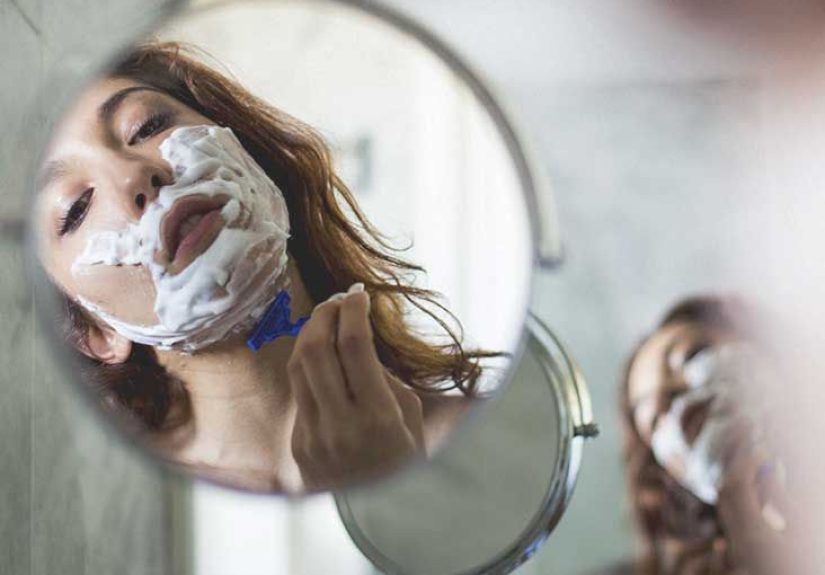
Shaving cuts hair at the surface. It’s fast, inexpensive, and easy to controlespecially for peach fuzz and light-to-medium
facial hair. The biggest myth? Shaving does not make hair grow back thicker. Hair can feel stubbly because the
blunt edge grows in, but you didn’t unlock “werewolf mode.”
Best for
- Peach fuzz on cheeks, jawline, and sideburn area
- Quick touch-ups before makeup or events
- People who want low pain and low cost
How to do it without irritating your skin
- Start with clean skin and a slick layer: gentle cleanser + light shaving gel or a fragrance-free moisturizer.
- Use short strokes and light pressure. Your face is not a cutting board.
- Rinse the blade often and replace it regularly to reduce bacteria and tugging.
- Afterward, rinse with cool water and apply a simple moisturizer. Skip strong acids/retinoids for 24 hours if you’re irritation-prone.
Downsides
- Regrowth is quick (usually within 1–3 days).
- Razor bumps and irritation can happenespecially with curly/coarse hair or sensitive skin.
Method 2: Dermaplaning
Dermaplaning is essentially controlled shaving using a sterile blade to remove fine hair and the top layer of dead skin.
Some people love it because it can make makeup sit smoother and give a brighter-looking finish. It can be done professionally
or carefully at home with the right toolbut technique matters.
Best for
- Peach fuzz + dull texture
- People who want hair removal plus gentle physical exfoliation
Pro tips
- Hold skin taut and use feather-light strokes at a 45-degree angle.
- Keep it clean: sanitize tools and don’t reuse dull blades.
- Avoid dermaplaning over active, inflamed acne or irritated patches to reduce the risk of worsening inflammation.
Downsides
- It’s not truly “long-lasting” for coarse hair (fine hair often returns in 1–3 weeks).
- Overdoing it can cause dryness, sensitivity, or micro-irritation.
Method 3: Tweezing
Tweezing removes hair from the root, so results last longer than shaving. It’s perfect for a few stubborn chin hairs that
keep showing up like they pay rent. But it’s slow for larger areas and can trigger ingrowns if you’re prone to them.
Best for
- Isolated coarse hairs (chin, jawline, brows)
- Detail work after threading or waxing
How to tweeze smarter
- Tweeze after a warm shower or warm compress (so follicles are softer).
- Use clean, sharp tweezers and wipe them with alcohol before and after.
- Pull in the direction of hair growth to reduce breakage.
Downsides
- Can cause redness, follicle irritation, and ingrownsespecially on coarse or curly hair.
- Easy to overpluck, which can lead to uneven patches or inflammation.
Method 4: Threading
Threading uses twisted thread to lift hairs from the root. It’s famous for eyebrow shaping and works well on the upper lip and
other small facial areas. Because it’s technique-heavy, your results depend a lot on the practitioner.
Best for
- Brows and upper lip
- People who want precise, clean lines without wax
What to look for in a good threading appointment
- Clean hands/gloves, clean thread, and a clearly sanitary setup.
- No “thread in mouth” anchoring. (Yes, it happens. No, your skin barrier doesn’t love it.)
- Aftercare: soothing gel, minimal friction, and no harsh skincare for 24 hours.
Downsides
- Temporary redness and bumps are common.
- In rare cases, poor hygiene can raise infection riskchoose reputable salons.
Method 5: Waxing (and Sugaring)
Waxing removes hair from the root quickly, making it one of the fastest ways to clear a larger facial area. Sugaring works
similarly (a sugar-based paste instead of wax) and some people find it gentler, though results vary.
Best for
- Upper lip, cheeks, and jawline hair (when done by a trained professional)
- People who want weeks of smoothness (often 3–6 weeks)
How to reduce irritation
- Avoid waxing if you’re using prescription retinoids or your skin is peeling/over-exfoliated.
- Don’t schedule waxing right before heavy sun exposure.
- After waxing: keep skincare simple, avoid hot showers/saunas for 24 hours, and use SPF daily.
Downsides
- Painful for some people, especially on upper lip or chin.
- Risk of burns or skin lifting if wax is too hot or if skin is sensitized.
- Ingrown hairs can happenespecially if hair is coarse or curly.
Method 6: Depilatory Creams (Hair Removal Creams)
Depilatory creams dissolve hair at the surface using chemicals. They can be convenientno pulling, no razorBUT facial skin
is sensitive, and these products can irritate or burn if used incorrectly. Always choose a product labeled for the face
and follow timing instructions like they’re a baking recipe.
Best for
- People who want quick results without tugging
- Fine-to-medium hair on areas that tolerate products well
Safety checklist (seriouslydo not skip)
- Patch test first (a small area, 24–48 hours before full use).
- Never use on irritated, broken, or sunburned skin.
- Set a timer and remove exactly when the instructions say.
- Rinse thoroughly and moisturize with a bland, fragrance-free product.
Downsides
- Results don’t last long (often 3–7 days).
- Chemical irritation is the big riskespecially with sensitive skin, fragrance sensitivity, or over-timing.
Method 7: Laser Hair Removal and IPL (Long-Term Reduction)
Laser hair removal targets pigment (melanin) in the hair follicle with light energy to damage the follicle and reduce regrowth.
IPL (intense pulsed light) is a related technology that can also reduce hair. In real life, these are best described as
long-term hair reduction, not guaranteed “never again” removalespecially on the face, where hormones can trigger regrowth.
Best for
- People who want a longer-term reduction (months to years)
- Darker hair (light/gray/red hair can be harder to target)
- Those willing to do multiple sessions (often 6+)
What matters most: matching device + settings to skin tone and hair color
- Newer tech has improved options for deeper skin tones, but provider experience and correct settings are key.
- Sun avoidance before/after treatments reduces the risk of pigment changes.
- Do not wax or pluck shortly before sessions (the follicle target needs to be there).
Downsides
- Cost adds up across sessions.
- Discomfort feels like quick snaps (often tolerable, sometimes spicy).
- Possible side effects include redness, swelling, andif settings aren’t rightburns or pigment changes.
Method 8: Electrolysis (Permanent Hair Removal)
Electrolysis treats individual follicles with an electrical current via a very fine probe. It works on all hair colors
and all skin tones, and it’s widely recognized as the permanent option for treated folliclesespecially useful for stubborn facial hair,
small areas, or light hairs that lasers can’t target well.
Best for
- Chin and upper lip hair that keeps coming back
- Blonde/gray/red hair (laser often struggles here)
- People who want the most permanent outcome
What to expect
- It’s a commitment: multiple sessions over months are common because hair grows in cycles.
- Provider skill matters a lotseek trained, reputable electrologists.
- Temporary redness is common; careful aftercare reduces irritation.
Downsides
- Time-consuming (each follicle is treated individually).
- Can be uncomfortable, especially on sensitive areas.
- Risk of irritation or pigment changes if aftercare is ignored or technique is poor.
Aftercare That Actually Helps (No 14-Step Routine Required)
Most “hair removal drama” happens after the hair is gone. If you want calmer skin and fewer bumps, focus on barrier support.
Do this for 24–48 hours after most methods
- Cleanse gently: fragrance-free, lukewarm water.
- Moisturize simply: a bland moisturizer; avoid stinging actives.
- Protect from sun: daily SPF helps prevent dark marks after irritation.
- Hands off: don’t pick bumps or “help” ingrowns with your fingernails.
If you’re prone to ingrowns
- Choose methods that reduce tugging or breakage (professional waxing vs. aggressive DIY).
- Use gentle exfoliation on non-irritated days (not immediately after removal).
- If bumps become painful, pus-filled, or persistent, consider a dermatologist visit.
Which Method Should You Choose?
Here’s a practical way to decide:
- Need something today: shaving or a careful dermaplaning-style tool.
- Just a few strays: tweezing.
- Brows/upper lip precision: threading.
- Weeks of smoothness: professional waxing/sugaring (if your skin barrier is healthy).
- Low-pain chemical option: face-labeled depilatory cream (patch test first).
- Long-term reduction: laser/IPL with an experienced provider and safe settings.
- Most permanent: electrolysis, especially for light hairs or small facial areas.
FAQ: Quick Answers You’ll Actually Use
Does shaving make facial hair thicker or darker?
No. Shaving cuts hair at the surface. The blunt end can feel stubbly, but shaving doesn’t change the follicle or turn fine hair into coarse hair.
What’s best for sensitive skin?
Many people with sensitive skin do well with careful shaving (with slip) or professional threading, but sensitivity is personal.
If you react easily, patch test products, avoid over-exfoliating, and keep aftercare simple.
What’s best for “hormonal” chin hair?
For repeated coarse regrowth, longer-term approaches (laser reduction or electrolysis) often make life easier. If hair growth is new or worsening,
consider checking in with a clinician about hormone-related causes.
Real-World Experiences (500+ Words): What People Learn After Trying These Methods
Advice is great, but experience is the real teacherespecially when your face is the classroom. Here are some realistic patterns people report after
trying different facial hair removal methods, plus the “wish I’d known that sooner” takeaways.
Experience #1: “I shaved my peach fuzz and my makeup looked better… until I got careless.”
A lot of people start with shaving because it’s quick, cheap, and doesn’t hurt. The first time often feels like a glow-up:
foundation sits smoother, powder clings less to dry patches, and skin looks more even. The mistake usually happens on week two:
rushing the process, using a dull blade, or skipping slip (like moisturizer or shaving gel). That’s when irritation shows uptiny bumps,
redness, or a “why is my face angry?” vibe.
Takeaway: If shaving works for you, treat it like skincare, not yard work. Clean blade, light pressure, and calm aftercare
beats speed every time.
Experience #2: “Tweezing was satisfying… until I started chasing every hair.”
Tweezing is oddly addictive: you see a hair, you remove it, you feel victorious. The downside is that it can become a daily scavenger hunt,
especially on the chin. Over time, some people notice more irritation around follicles, occasional ingrowns, or little dark spots after inflammation.
The most common “aha” moment is realizing that not every hair needs immediate removaland that spacing out sessions helps skin stay calmer.
Takeaway: Use tweezing for a few strays, not as your full-time job. Clean tools, tweeze after warmth, and don’t dig for ingrowns.
Experience #3: “Threading gave me perfect brows, but the salon choice mattered.”
Threading can be amazing for precision. People love the crisp brow shape and the clean upper-lip finish. But experiences vary wildly by salon.
A good threading tech keeps things sanitary and minimizes irritation; a bad one can leave you red, bumpy, or irritated for days. Some people learn
to schedule threading at least a day before important events so any redness has time to settle.
Takeaway: Pick a reputable place, ask about hygiene practices, and plan your timing. Calm skin looks better than rushed hair removal.
Experience #4: “Waxing lasted longer… but my skincare routine had to change.”
Waxing is the “weeks of smoothness” option many people wantuntil they combine it with strong actives. Those who use retinoids or frequent acids
often learn the hard way that waxing on sensitized skin can cause extra irritation or even lifting. People who have the best waxing experiences usually
(1) go to a trained professional, (2) stop harsh actives beforehand, and (3) keep aftercare gentle with moisturizer and sunscreen.
Takeaway: Waxing works best when your skin barrier is healthy. If you love acids/retinoids, coordinate your schedule instead of crossing your fingers.
Experience #5: “Laser helped a lot… but it wasn’t a one-and-done miracle.”
People who choose laser/IPL often do it for convenience: fewer hairs, less frequent removal, and less daily stress. Many report a noticeable reduction
after several sessions, especially with dark hair. On the face, though, hormones can influence regrowth, so “maintenance” might still be needed.
The happiest stories usually involve realistic expectations, sun protection, and a provider who understands how to treat different skin tones safely.
Takeaway: Laser is often a long-term reducer, not always a permanent eraserespecially on facial areas. Choose expertise over discounts.
Experience #6: “Electrolysis was slower… but it finally handled the hairs laser couldn’t.”
Electrolysis is the method people often discover after they’ve tried everything elseor when they have light hairs that lasers don’t target well.
The most common complaint is time: appointments add up. The most common praise is permanence: once a follicle is successfully treated, it’s done.
People who stick with it usually say the confidence comes not from being “perfect,” but from not having to think about the same stubborn hairs anymore.
Takeaway: If you want the most permanent option and can handle a longer timeline, electrolysis can be worth itespecially for small facial areas.
Conclusion
Removing facial hair isn’t about “fixing” anythingyour face is already doing great. It’s simply a grooming choice, and the best method is the one that
fits your skin, your hair type, your budget, and your patience level. For quick results, shaving or dermaplaning can be easy wins. For longer-lasting smoothness,
threading, tweezing, and waxing remove hair from the root. Depilatory creams can work when used carefully and patch-tested. And if you’re ready for a long-term
plan, laser/IPL offers meaningful reduction, while electrolysis is the go-to for permanent results on treated follicles.