Table of Contents >> Show >> Hide
- First, Decide: Is This “Home First Aid” or “Call 911” Bleeding?
- The Big Three: Pressure, Packing, Tourniquet (In That Order)
- How to Stop Bleeding in Common Situations
- Minor Cuts and Scrapes (Kitchen Knife, Paper Cut, “I Lost to Cardboard”)
- Deeper Cuts or Lacerations (The “This Might Need Stitches” Category)
- Puncture Wounds (Nails, Thorns, Fishhooks, “Rusty Mystery Object”)
- Nosebleeds (Epistaxis): The “Lean Forward” Special
- Mouth or Gum Bleeding (After Dental Work or an Accidental Bite)
- Shaving Nicks and Tiny Skin Bleeds
- What If Someone Takes Blood Thinners or Has a Bleeding Disorder?
- What Not to Do (A.K.A. How to Avoid Making This a Two-Part Problem)
- After the Bleeding Stops: Basic Wound Care That Actually Helps
- When to Get Medical Care (Even If You’re Tough)
- Build a “Bleeding Control” Kit (So You Don’t Have to Improvise With a Sock)
- Experiences Related to Stopping Bleeding (Real-Life Scenarios & Lessons Learned)
- Conclusion
Bleeding has a magical way of turning calm, competent adults into people who suddenly forget where towels live.
The good news: most bleeding can be controlled with a few simple first-aid movesno medical degree, no hero soundtrack,
and definitely no “let me just Google this while blood drips on my phone” required.
Quick note: This article shares general first-aid guidance for common bleeding situations in the U.S.
It’s not a substitute for medical care. If someone is seriously hurt, call 911.
First, Decide: Is This “Home First Aid” or “Call 911” Bleeding?
Your first job isn’t bandaging like a TV surgeon. It’s triage: figure out whether you can handle this at home
or whether this needs urgent help.
Call 911 right away if any of these are true
- The bleeding is heavy, spurting, or soaking through cloths quickly.
- The wound is deep, gaping, or you can’t get bleeding under control with steady pressure.
- There’s a serious injury to the head/eye/neck, or you suspect a broken bone.
- An object is stuck in the wound (don’t remove it).
- The person seems faint, confused, very weak, or clammy (possible shock).
- The bleeding follows a major accident (car crash, power tool injury, major fall).
If you’re unsure, choose the safer option: call for help and start bleeding control while you wait.
The Big Three: Pressure, Packing, Tourniquet (In That Order)
Most bleeding control is basically a three-step playlist. You start with direct pressure.
If pressure isn’t enough and the wound is deep, you move to packing.
If it’s life-threatening bleeding from an arm or leg and pressure isn’t working, you consider a tourniquet.
1) Direct Pressure: The “Don’t Peek” Rule
Direct pressure is the MVP of stopping bleeding. Use a clean cloth, gauze, or bandage and press firmly
right on the bleeding spot. Keep steady pressure.
- Use what you have: gauze, a clean towel, a t-shirt (clean-ish beats “searching for perfect”).
- Hold pressure continuously: lifting it every 10 seconds to “check” can restart bleeding.
- If blood soaks through: add more layers on top and keep pressingdon’t pull off the original layer.
If possible, have the injured person lie or sit safely. If the wound is on an arm or leg, gently elevating it
after good pressure is in place can helpbut never trade elevation for pressure.
2) Wound Packing: For Deep Wounds Where Pressure Alone Isn’t Cutting It
Some wounds are deep enough that pressing on the surface doesn’t reach where the bleeding is happening.
Wound packing means filling the wound with gauze (or clean cloth) to apply pressure from the inside.
This is commonly taught in bleeding-control courses.
- When it can help: deep wounds in areas where a tourniquet can’t be used (like groin, shoulder, armpit).
- How it works: pack gauze firmly into the wound (as deep as you safely can), then press hard on top.
- Keep holding pressure: don’t stop once it “looks better.” Hold until help arrives if it was severe.
Important: Bleeding from the chest or abdomen is often internal and can’t be fully controlled from the outside.
In those situations, focus on calling 911 and applying pressure only if there’s an external bleeding site you can safely compress.
3) Tourniquet: For Life-Threatening Limb Bleeding
Tourniquets can be life-saving for severe bleeding from an arm or leg.
They’re not for “small cuts that are being dramatic.” They’re for bleeding that’s heavy and not controllable with pressure.
- Use a commercial tourniquet if available (and ideally, if you’ve been trained).
- Place it above the wound (between the wound and the body), not on a joint.
- Tighten until bleeding stops. This can hurt; that doesn’t mean it’s wrong.
- Don’t remove it once appliedtell responders when it was placed.
If you don’t have training, prioritize direct pressure and call 911. If you do have training and the situation fits,
a tourniquet may be the fastest way to stop life-threatening limb bleeding.
How to Stop Bleeding in Common Situations
Minor Cuts and Scrapes (Kitchen Knife, Paper Cut, “I Lost to Cardboard”)
- Wash your hands if you can (infection prevention matters).
- Apply gentle to firm pressure with a clean bandage or cloth for a few minutes.
- Rinse with running water once bleeding slows (this helps reduce infection risk).
- Wash around the wound with soap (avoid getting soap deep into the wound).
- Apply a thin layer of petroleum jelly or antibiotic ointment (if tolerated) and cover with a clean bandage.
If it’s a tiny cut that stops quickly and stays clean, it may not need a bandage. If it’s a scrape in a high-friction spot
(knees, hands), covering it helps keep dirt out.
Deeper Cuts or Lacerations (The “This Might Need Stitches” Category)
If the cut is deep, wide, jagged, or on the face/hand, treat it seriouslyeven if it’s not pouring blood.
- Apply firm direct pressure for a full 10–15 minutes.
- Don’t remove embedded objects. If something is stuck, stabilize it and apply pressure around it.
- Seek medical care if bleeding doesn’t stop, the wound gapes open, or you can see deeper tissue.
A practical test: if you can’t keep the edges together, or the cut opens when you move, you may need medical closure
(stitches, glue, or strips).
Puncture Wounds (Nails, Thorns, Fishhooks, “Rusty Mystery Object”)
Puncture wounds can look small but hide deeper problems (infection risk, trapped debris).
- Apply gentle pressure to stop bleeding.
- Rinse with clean running water for several minutes.
- Cover with a clean bandage.
- Consider medical care if it’s deep, dirty, caused by an animal bite, or you’re not up to date on tetanus.
If the object is still stuck (like a large splinter or metal piece), don’t dig it out at homeget help.
Nosebleeds (Epistaxis): The “Lean Forward” Special
Most nosebleeds come from the front of the nose and stop with correct pressure. The big mistake is leaning back,
which sends blood down the throat and makes everyone miserable.
- Sit up and lean forward. Keep your head above your heart.
- Pinch the soft part of your nose (not the bony bridge) using thumb and finger.
- Hold steady pressure for 10–15 minutes without checking.
- If it continues, repeat another 10 minutes.
If you’re on blood thinners, it may take longer. Seek urgent care for heavy bleeding, repeated episodes,
or if you feel weak or lightheaded.
Mouth or Gum Bleeding (After Dental Work or an Accidental Bite)
Mouths bleed a lot because they’re packed with blood vesselsand because saliva refuses to cooperate.
For mild to moderate bleeding:
- Rinse gently with cool water (don’t vigorously swishthink “spa day,” not “washing machine”).
- Apply pressure with clean gauze or a clean cloth directly to the bleeding area for 10–15 minutes.
- Avoid poking or checking constantlylet the clot form.
If bleeding is heavy, doesn’t slow with pressure, or follows a recent tooth extraction and won’t stop,
contact a dentist or seek urgent care.
Shaving Nicks and Tiny Skin Bleeds
Shaving cuts can look dramatic because they’re on the surface and love to re-open.
- Rinse, then press with a clean tissue or cloth for a few minutes.
- If it keeps oozing, a styptic pencil or alum block can help (follow product instructions).
- Moisturize and avoid re-shaving the area immediately (your skin needs a ceasefire).
What If Someone Takes Blood Thinners or Has a Bleeding Disorder?
People who take blood thinners (or have certain bleeding disorders) may bleed longer or more heavily from the same injury.
That doesn’t mean you panicit means you get serious about pressure and you seek care sooner.
- Use firm, continuous direct pressure and hold longer than you think you need.
- Don’t “test” the wound repeatedlyeach peek can restart bleeding.
- Get medical advice promptly for bleeding that seems out of proportion to the injury.
What Not to Do (A.K.A. How to Avoid Making This a Two-Part Problem)
- Don’t use hydrogen peroxide or iodine inside minor wounds as routine “cleaning.” They can irritate tissue.
- Don’t remove large or deeply embedded objects. Control bleeding around them and get help.
- Don’t tilt your head back for nosebleeds. Lean forward and pinch the soft part of the nose.
- Don’t use improvised tourniquets like belts or scarves as a go-to moveuse proper training and gear when possible.
- Don’t pack chest or abdominal wounds. Prioritize calling 911 and rapid medical care.
After the Bleeding Stops: Basic Wound Care That Actually Helps
Once bleeding is controlled, your next goal is reducing infection risk and helping the skin heal.
- Rinse with clean running water. This is one of the simplest ways to lower infection risk.
- Clean around the wound with soap and pat dry.
- Cover with a clean bandage (especially if it’s on hands/feet or will rub on clothing).
- Change the dressing daily or whenever it gets wet/dirty.
- Watch for infection: spreading redness, increasing pain, warmth, swelling, pus/drainage, or fever.
If the wound is deep or dirty and you haven’t had a tetanus shot in the last several years, ask a clinician whether you need a booster.
When to Get Medical Care (Even If You’re Tough)
“I’m fine” is not a medical measurement. Consider urgent care or an ER when:
- Bleeding doesn’t stop after 10–15 minutes of steady, firm pressure.
- The wound is deep, gaping, jagged, or caused by a dirty/rusty object.
- You can’t remove debris, or you suspect glass/metal is inside.
- The injury is from an animal or human bite.
- There are signs of infection (redness, swelling, drainage, fever).
- The person feels faint, weak, confused, or short of breath.
Build a “Bleeding Control” Kit (So You Don’t Have to Improvise With a Sock)
A simple kit makes it much easier to stay calm and do the right thing fast:
- Disposable gloves
- Gauze pads + rolled gauze
- Medical tape
- Bandages in multiple sizes
- Saline or clean water for rinsing
- A commercial tourniquet (if you’re trained)
- Bleeding-control gauze (optional, but useful)
Consider taking a bleeding-control or first-aid course. Confidence is a lot easier to find when you’ve practiced the steps.
Experiences Related to Stopping Bleeding (Real-Life Scenarios & Lessons Learned)
People usually don’t remember the “textbook” version of first aidthey remember the moment a normal day
suddenly included blood, panic, and someone yelling “WHERE ARE THE PAPER TOWELS?!” Here are common real-world
situations and what they teach, without the drama (okay, less drama).
1) The Kitchen Knife Surprise
A classic: slicing tomatoes, chatting, feeling unstoppable… then a quick nick turns the counter into a crime-scene
audition. What usually goes wrong is the peek cycle: people press for five seconds, lift to check, press again,
lift again. The fix is boringbut it works: steady pressure for several minutes, without checking every breath.
Once it slows, rinsing with water and covering it keeps the cut from reopening every time you bend a finger.
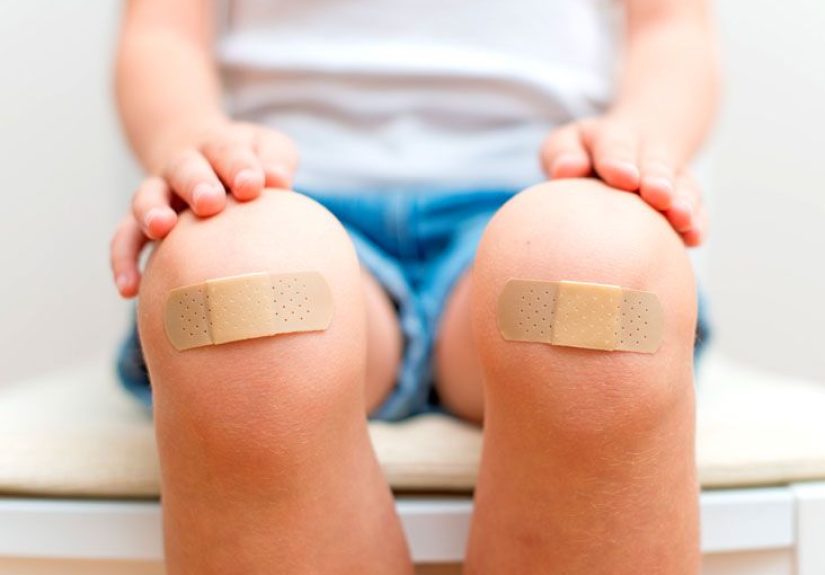
2) The “It’s Just a Scrape” Playground Knee
Scrapes bleed because the surface area is wide, not because they’re deep. Kids (and plenty of adults) hate the sting
of rinsing, so they try to “dab it dry” and move on. The better approach is a calm routine: rinse the grit out, pat dry,
a thin protective layer, then cover itespecially if it’s going back under jeans or onto a soccer field. The lesson:
stopping bleeding is step one; keeping dirt out is step two.
3) The DIY Project That Got Real
Box cutters, utility knives, and fresh drywall edges are sneaky. A deeper cut can keep bleeding simply because the wound
edges keep separating with movement. People often learn (the hard way) that “I held pressure… kind of… while walking around”
isn’t the same as sitting down, applying firm pressure, and holding it for 10–15 minutes. This is also when folks
discover that medical care isn’t a failureit’s a tool. If a wound needs stitches or medical closure, getting it treated can
reduce bleeding, lower infection risk, and improve healing.
4) The Winter Nosebleed That Won’t Quit
Dry air plus nose rubbing plus one tiny irritated vessel can equal a nosebleed that feels endless.
The biggest “aha” moment for many people is that the correct posture is leaning forward, not back.
Pinching the soft part of the nose for a full 10–15 minutes feels like foreverbecause it isbut it often works.
Afterward, the win is not “I stopped it.” The win is “I didn’t restart it”: going easy on nose blowing, using humidification
or saline moisture if you’re prone to dryness, and not turning a small bleed into a repeating series.
5) The Blood Thinner Curveball
People on blood thinners are frequently surprised by how long a small cut can ooze. The emotional experience is real:
it looks “minor,” but it behaves “major.” The practical adjustment is also real: press longer, stay consistent, and seek advice
sooner if bleeding is hard to control. Many learn to keep extra gauze at home and to take nosebleeds or persistent oozing more
seriously. The lesson isn’t fearit’s preparedness.
6) The “I Don’t Have Supplies!” Moment
In real life, people grab whatever’s closest: a dish towel, a napkin, a hoodie sleeve. That’s not ideal, but it’s not useless.
What matters most is pressure in the right place and not removing the cloth repeatedly.
Later, many people build a small kit and realize how much calmer they feel when supplies are predictable:
gloves, gauze, tape, bandages, and (if trained) a tourniquet. The experience teaches a surprisingly comforting truth:
the best first-aid tool is not fancy gearit’s a simple plan you can follow under stress.
If you take one real-world takeaway, make it this: when bleeding happens, you don’t need to be fearlessyou need to be
consistent. Sit down, apply firm pressure, give it time, and know the red flags that mean it’s time to get help.