Table of Contents >> Show >> Hide
- Why shortbread storage is different
- Before you store: cool, set, and don’t trap steam
- How to store shortbread at room temperature (best for most batches)
- How to store shortbread in the refrigerator (only sometimes)
- How to freeze shortbread (best for long-term storage)
- How to store (and freeze) shortbread dough
- Special situations: chocolate, jam, bars, and “fancy cookie problems”
- Troubleshooting: common storage problems (and quick fixes)
- Conclusion: the simplest shortbread storage plan
- Real-world shortbread storage stories (the “I learned this the crumbly way” section)
Shortbread is basically the butter-cookie equivalent of a cashmere sweater: luxurious, delicate, and weirdly good at
picking up every smell in the room if you don’t put it away properly. Store it right, though, and you get days (or
even months) of crisp, tender, buttery blisswithout the heartbreak of “Why does my shortbread taste like last night’s
garlic noodles?”
This guide covers exactly how to store shortbread cookies, wedges, bars, and even shortbread dough. We’ll talk room
temperature, refrigerator, freezer, and the sneaky little mistakes that turn “Scottish-style perfection” into “sad
sandy coasters.”
Why shortbread storage is different
Shortbread is low-moisture and high-fat. That’s why it’s so tender and crumbly (“short” texture), and why it behaves
differently than chewy cookies. There’s not much water inside to keep things softso once it dries out, it doesn’t
bounce back. On the flip side, it also doesn’t need refrigeration unless you add perishable toppings or fillings.
Shortbread’s biggest enemies
- Moisture: Humidity (or a damp container) can make crisp shortbread go soft.
- Air: Too much airflow speeds up staling and dulls that buttery flavor.
- Heat: Warm storage can make butter taste “flat” and can melt chocolate decorations.
- Odors: Butter is a flavor sponge. Shortbread loves absorbing fridge smells.
- Pressure: Shortbread is fragile. Storing it like poker chips is a fast track to crumbs.
Before you store: cool, set, and don’t trap steam
The #1 storage rule is boring but powerful: let shortbread cool completely. If there’s any warmth
left, it creates condensation inside the container, which is basically a humidity spa day for sogginess.
Quick pre-storage checklist
- Cool cookies and bars fully on a rack (not on a hot pan).
- Make sure chocolate dips or drizzle are fully set.
- Use a container that’s clean and bone-dry.
- Layer with parchment or wax paper to prevent scuffs and sticking.
How to store shortbread at room temperature (best for most batches)
For classic shortbreadplain, chocolate-dipped, or lightly sugaredroom temperature storage is usually the sweet spot.
It keeps texture crisp and flavor buttery without the drying effect of the fridge.
The best container for shortbread
Your goals are simple: block odors, limit airflow, and protect from humidity. A cookie tin (metal)
or a rigid airtight container works well. If you live somewhere humid, a tin often performs better
than thin plastic because it changes temperature less dramatically.
- Best choice: Metal cookie tin with a snug lid + parchment layers.
- Great option: Rigid plastic or glass container with a tight seal.
- Not ideal: Flimsy bags for delicate shapes (they snap), or containers that smell like spices.
Step-by-step: room-temp storage that keeps shortbread crisp
- Line the bottom of your container with parchment paper.
- Place shortbread in a single layer.
- Add parchment between layers (like you’re building a cookie lasagna).
- Close the lid tightly and store in a cool, dry place away from sunlight and the stove.
How long does shortbread last on the counter?
For best texture and flavor, many bakers prefer shortbread within the first few days. That said, well-stored
shortbread can often hold up longer than you’d think.
- Peak quality: about 3–5 days (crisp edges, fullest butter flavor).
- Still good: about 1 week in a well-sealed container.
- Often acceptable: up to 2 weeks for plain shortbread if protected from moisture and odors.
If your home is very humid, shortbread may soften sooner. In that case, store it in the coolest, driest cupboard you
haveand keep the container closed except when you’re grabbing cookies (no long, dramatic lid-open monologues).
Should you add bread or apple slices to keep shortbread fresh?
That trick can help soft cookies, but for shortbread it’s usually a texture sabotage mission. Shortbread wants
to stay crisp; adding moisture sources can make it taste stale in a different, squishier way. If you want moist energy,
shortbread is not the cookie to recruit for that job.
How to store shortbread in the refrigerator (only sometimes)
The fridge is not shortbread’s natural habitat. Refrigerators are dry, and shortbread can stale faster there. Also,
fridges are full of confident smells (onions, leftovers, “mystery container from Tuesday”), and butter is very
impressionable.
When the fridge makes sense
- Perishable toppings/fillings: shortbread bars with fresh cream, custard, egg-based curds, or dairy-heavy frostings.
- Hot kitchens: if room temperature is very warm and butter or chocolate decorations are at risk.
- Make-ahead assembly: layered desserts where shortbread is part of a chilled bar or tart.
Fridge method that avoids drying and condensation
- Wrap shortbread tightly (plastic wrap works well) to limit airflow.
- Place wrapped cookies in a rigid container (double protection helps).
- To serve: bring to room temp while still wrapped or inside the closed containerthis helps prevent condensation from forming on the cookie surface.
If your shortbread is plain and you’re refrigerating it “just in case,” you may be trading safety for texture. Plain
shortbread isn’t typically perishable, so room temp is usually better unless your environment is extremely warm.
How to freeze shortbread (best for long-term storage)
Freezing is the cheat code for holiday baking, gifting, and “I made too much and I regret nothing.” Done properly,
frozen shortbread can taste impressively close to freshespecially if you thaw it carefully and refresh it briefly.
Freeze baked shortbread cookies (the no-drama method)
- Cool cookies completely.
- Pre-freeze in a single layer on a sheet pan for 30–60 minutes (helps prevent sticking and breakage).
- Transfer to a freezer-safe bag or airtight container.
- Layer with parchment or wax paper between stacks.
- Press out excess air to reduce freezer burn, then label and date.
Storage time: For best quality, aim for up to 3 months. (Freezer storage can be longer for safety if
kept consistently frozen, but flavor and texture are best within a few months.)
How to thaw frozen shortbread without turning it weird
The biggest risk when thawing is condensation. Cold cookies meeting warm air can collect moisture on the surface.
The fix is simple: thaw them in their container.
- Move the sealed container from freezer to counter.
- Let it sit sealed for 1–2 hours (time depends on thickness).
- Open only when cookies no longer feel cold to the touch.
Refresh shortbread to bring back the snap
If your cookies softened a little or just taste “not quite there,” warm them briefly:
- Oven: 300°F for 3–5 minutes, then cool completely.
- Air fryer: a short, low-temp warm-up (watch closelyshortbread browns fast).
Warming drives off a bit of surface moisture and reawakens the butter aroma. Basically: cookie spa, but the healthy
kind.
How to store (and freeze) shortbread dough
If you want the freshest possible shortbread with the least day-of stress, freeze the dough. Shortbread dough is
especially freezer-friendly because it’s sturdy and sliceable.
Slice-and-bake logs (great for classic rounds)
- Shape dough into a log.
- Wrap tightly in plastic wrap.
- Place inside a freezer bag (double protection).
- Freeze and label.
- Thaw in the fridge until sliceable, then bake.
Cut-out shapes (for stars, trees, and other breakable dreams)
For cut-out shortbread, you can freeze dough in a flattened disc. If you’re planning ahead, roll it between parchment
sheets and freeze it flat; it’s easier to roll and cut later with less sticking and fewer tears (yours and the dough’s).
Dough storage time: Many bakers keep cookie dough frozen for up to 2–3 months for best quality.
Special situations: chocolate, jam, bars, and “fancy cookie problems”
Chocolate-dipped or chocolate-drizzled shortbread
- Let chocolate set fully before stacking.
- Use parchment between layers to prevent smudges and sticking.
- Cool room storage is best; avoid warm spots that can melt chocolate.
- If refrigerating, keep airtight to reduce moisture and odor pickup, and let come to room temp sealed.
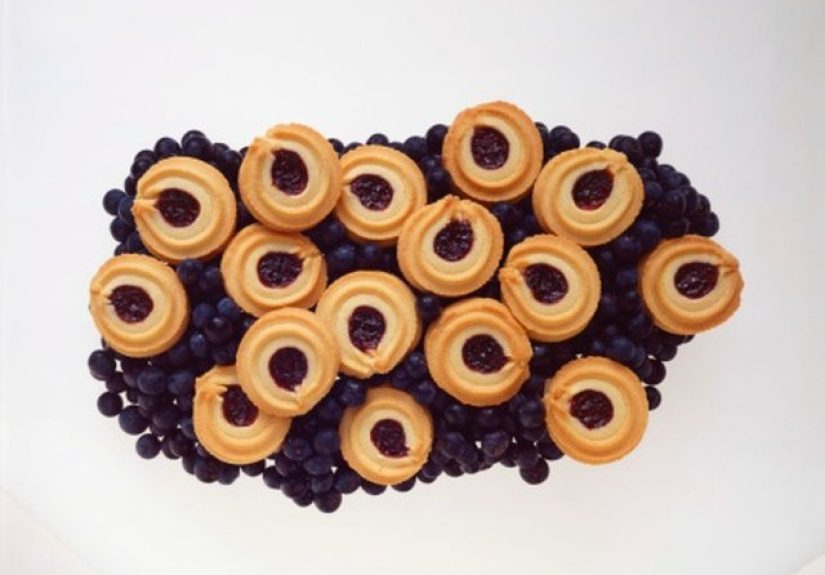
Jam-filled shortbread (thumbprints, sandwich cookies)
Jam brings extra moisture and stickiness, so layering is non-negotiable. Freeze is often the safest long-term play,
especially if you’re stacking them for gifting.
- Separate layers with parchment squares.
- Freeze in a rigid container to protect shape.
- Thaw sealed to prevent condensation that can make jam tacky.
Shortbread bars with caramel, curd, or cream
Here’s where food safety matters more than cookie vibes. If your bar has a perishable topping (egg-based curd, dairy
cream, fresh fruit), it belongs in the refrigerator. Store it covered, and follow label/recipe guidance for how many
days it stays safe and tasty.
Troubleshooting: common storage problems (and quick fixes)
“My shortbread went soft.”
- Cause: Cookies weren’t fully cool, container wasn’t dry, or humidity got in.
- Fix: Warm at 300°F for 3–5 minutes, cool completely, then store in a dry tin with parchment layers.
“It tastes stale, even though it’s not old.”
- Cause: Too much air exposure or stored near strong odors.
- Fix: Move to a tighter container; consider freezing future batches for longer storage.
“My cookies smell like the fridge.”
- Cause: Butter absorbed odors.
- Fix: Store plain shortbread at room temp when possible; if chilled storage is necessary, wrap tightly and use a second container.
“Freezer burn happened.”
- Cause: Air in the bag or too much time exposed.
- Fix: Use double protection next time (wrap + bag/container), press out air, and label dates so cookies don’t become freezer archeology.
Conclusion: the simplest shortbread storage plan
If you want a one-sentence answer: store plain shortbread airtight (or tin-tight) at room temperature for up to a week, and freeze for longer storage.
Refrigerate only when fillings or toppings make it necessary.
Treat shortbread like the delicate, buttery treasure it is: cool it completely, keep it dry, protect it from smells,
and don’t crush it under heavier cookies (shortbread is sweet, not a weightlifter).
Real-world shortbread storage stories (the “I learned this the crumbly way” section)
The first time I made shortbread “for later,” I assumed cookies worked like paperclips: toss them in a container,
forget they exist, rediscover them weeks later, and everything is fine. Shortbread politely disagreed. I put a batch
into a plastic container while they were still a little warmbecause I was impatient and also convinced that the laws
of physics take weekends off. The next day, the cookies had softened just enough to lose that signature snap. They
weren’t ruined, but they had the vibe of a cookie that forgot what it wanted to be when it grew up.
That’s when the “cool completely” rule stopped being advice and became a personal belief system. Now I treat cooling
like a mandatory waiting room: the cookies don’t get to leave until they’re fully ready. If I’m in a hurry, I spread
them out on a rack and give them spacebecause stacking warm shortbread is basically inviting moisture to move in and
start rearranging the furniture.
Another lesson: shortbread is fragile in a way that’s almost theatrical. I once stacked wedges like a neat little
tower, closed the lid, and felt extremely accomplished. Then I carried the container across the kitchen like a normal
person, and by the time I opened it again, half the wedges had turned into “rustic shortbread gravel.” The fix was
simple: fewer layers, more parchment, and a sturdier container. Now I pack shortbread like it’s traveling first class:
cushioned, separated, and protected from sudden life events.
I also used to think the refrigerator was a universal solution. Hot day? Fridge. Busy schedule? Fridge. Existential
dread? Probably fridge. But plain shortbread stored in the fridge can lose its magic fasterespecially if it’s not
wrapped well. The butter aroma dulls, the texture can feel drier, and if the fridge has strong smells, shortbread
will absolutely take notes. The moment I switched to a cool pantry + tin for plain cookies, my “day three” shortbread
started tasting like it still respected itself.
The freezer, though? The freezer is the friend who actually shows up. During holiday baking, freezing saved me from
the chaos of baking everything the night before. I started pre-freezing cookies in a single layer, then transferring
them to a freezer bag with parchment between stacks. The first time I did it, I thawed them uncovered on the counter
and wondered why they felt slightly damp. Condensation. Once I started thawing them in a sealed container, the problem
disappeared. It felt almost unfairlike I’d unlocked a secret level of adult competence with a single plastic lid.
My favorite “storage win” is freezing shortbread dough logs. When you freeze dough, you’re basically saving your
future self from future stress. You can slice and bake a few cookies at a time, which is perfect for small cravings,
surprise guests, or that moment when you realize you promised cookies for something happening in… 45 minutes. The dough
bakes up fresh, the kitchen smells incredible, and nobody needs to know you planned ahead. (If they ask, you can say
it was “spontaneous.” Your freezer and I won’t tell.)
If you take anything from these stories, let it be this: shortbread storage isn’t complicated, but it is specific.
Cool fully, keep it dry, block odors, and freeze when you need time on your side. Do that, and your shortbread will
stay crisp, buttery, and ready for whenever you decide it’s cookie o’clock.