Table of Contents >> Show >> Hide
- What throat ulcers are and why they happen
- 12 remedies & health regimens for throat ulcers
- 1. Gargle with warm salt water
- 2. Stay hydrated like it is your part-time job
- 3. Choose soft, bland, moist foods
- 4. Avoid foods and drinks that keep poking the sore
- 5. Use over-the-counter pain relief carefully
- 6. Add humidity and reduce dryness
- 7. Practice gentle mouth and throat care
- 8. Use soothing coatings and saliva-friendly tricks
- 9. Rest your voice and stop aggressive throat clearing
- 10. Get reflux under control
- 11. Treat the underlying cause, not just the pain
- 12. Follow a simple healing regimen for 3 to 5 days
- What not to do
- What a doctor may look for if the ulcer does not improve
- Common experiences people have while recovering from throat ulcers
- Conclusion
Throat ulcers are tiny troublemakers with a huge talent for drama. One sore spot in the back of your mouth or throat can make water feel spicy, toast feel like sandpaper, and swallowing feel like an extreme sport nobody signed up for. The good news? Many throat ulcers improve with supportive care, smart food choices, and a little patience. The less-fun truth is that “throat ulcer” is not really one single diagnosis. It can describe painful sores linked to canker sores, viral infections, acid reflux, dry mouth, irritation, voice strain, certain medications, or medical treatments such as chemotherapy and radiation.
That means the best treatment is not just “throw random tea at it and hope.” It is about calming inflammation, protecting the tissue, staying nourished, and knowing when a sore needs real medical attention. Below are 12 practical remedies and health regimens that can genuinely help, followed by a longer section on what healing often feels like in real life.
What throat ulcers are and why they happen
A throat ulcer is a break or sore in the tissue lining the throat or nearby mouth structures. Sometimes people use the term for ulcers at the back of the mouth, on the tonsillar pillars, or on irritated tissue near the voice box. Common causes include viral illnesses, canker sores, reflux, dehydration, smoking or vaping, overly dry air, trauma from coughing or harsh foods, oral thrush, immune-related conditions, and treatment-related mucositis. In plain English: the sore is real, but the cause matters.
When it may be minor and self-limited
If the sore came on with a cold, a short viral illness, mild canker sores, or irritation after spicy foods or a lot of shouting at a concert, it may improve within a week or two with home care. Pain can still be intense, but the situation is often manageable.
When you should get medical help sooner
- Trouble breathing, drooling, or inability to swallow liquids
- Food feels stuck, or swallowing is getting worse instead of better
- High fever, severe throat pain, or obvious dehydration
- A sore that lasts longer than 2 to 3 weeks
- Hoarseness that sticks around more than 3 weeks
- Unexplained weight loss, a neck lump, bleeding, or white/red patches that do not heal
- Recurring ulcers, or sores in someone who is immunocompromised
12 remedies & health regimens for throat ulcers
1. Gargle with warm salt water
This is the classic remedy because it works for a reason. A warm salt-water gargle can help reduce swelling, loosen irritating mucus, and make the tissue feel less angry. It is simple, cheap, and does not require a dramatic trip to the pharmacy.
Mix warm water with salt, gargle gently, and spit it out. Do not gargle like you are auditioning for a plumbing commercial. Gentle is the goal. Two to four times a day is usually plenty.
2. Stay hydrated like it is your part-time job
Dry tissue hurts more. Period. Water, warm broth, warm tea, and ice chips can all help keep the throat moist and more comfortable. Some people do better with warm liquids; others swear by cold drinks or popsicles. Your throat gets to be picky right now.
If swallowing is painful, take frequent small sips instead of forcing down large glasses. Watch for dark urine, dizziness, dry lips, or feeling weak, because dehydration can sneak up quickly when eating and drinking hurt.
3. Choose soft, bland, moist foods
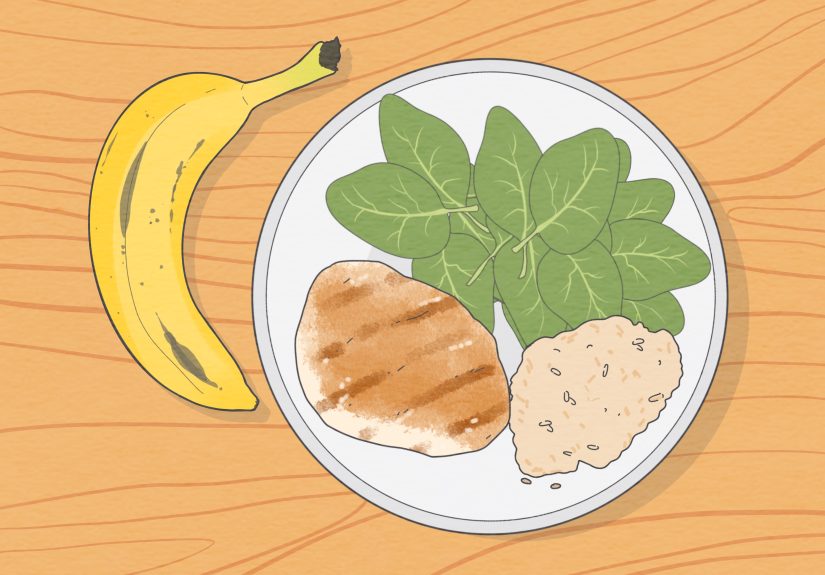
When the throat is ulcerated, texture matters almost as much as flavor. Think yogurt, oatmeal, smoothies, pudding, mashed potatoes, scrambled eggs, soup, soft noodles, applesauce, and tender fish. Add broth, gravy, sauce, or olive oil to make foods easier to swallow.
This is not the week to prove how tough you are with tortilla chips, heavily toasted bread, or fiery wings. Crunchy, sharp, and dry foods can scrape irritated tissue and keep the healing clock stuck on “loading.”
4. Avoid foods and drinks that keep poking the sore
Acidic foods, spicy dishes, salty snacks, citrus, tomato-heavy meals, and very hot drinks can sting like betrayal. Alcohol can also worsen irritation, and alcohol-heavy mouthwashes may make things feel even harsher.
Try a bland-food reset for a few days. If the ulcer calms down, you have learned something useful: your throat has opinions, and right now those opinions are anti-salsa.
5. Use over-the-counter pain relief carefully
Acetaminophen or ibuprofen may help reduce pain enough to let you drink and eat. Lozenges or sore-throat sprays can also offer temporary relief. Follow package directions, and do not keep layering products just because the first one tasted like medicine and disappointment.
If you need pain relief constantly, or the pain is severe despite medication, that is a clue to get checked. A basic home-care plan should make swallowing at least a little easier within a short time.
6. Add humidity and reduce dryness
Dry indoor air can turn an already irritated throat into a miserable one. A cool-mist humidifier may help, especially at night. Steam from a warm shower can also be soothing. The goal is not to create a rainforest in your bedroom, just to stop your throat from feeling like parchment.
If you wake up with worse pain in the morning, dry air or mouth-breathing may be part of the problem. A humidifier, hydration before bed, and treating nasal congestion can make a noticeable difference.
7. Practice gentle mouth and throat care
Good oral hygiene matters, especially if ulcers are near the back of the mouth. Brush with a soft toothbrush, avoid aggressive scrubbing, and keep the mouth clean without using harsh rinses. Gentle salt-water or baking-soda-based rinses are often better tolerated than alcohol-based products.
If your mouth is dry, rinsing before meals may help. Clean tissue heals better than irritated, neglected tissue. Not glamorous, but neither is explaining to your dentist that your wellness plan was “I forgot.”
8. Use soothing coatings and saliva-friendly tricks
Warm tea with honey may feel soothing for some people. Cool yogurt, smoothies, ice pops, and saliva-supporting strategies can also help. If dry mouth is part of the picture, sugar-free gum, sugar-free mints, or saliva substitutes may make swallowing less painful.
One caveat: if acidic drinks burn, do not force them because somebody on the internet declared lemon water magical. The best soothing remedy is the one your throat actually tolerates.
9. Rest your voice and stop aggressive throat clearing
If your symptoms include hoarseness, throat pain after talking, or a raw feeling around the voice box, voice overuse may be contributing. Resting the voice, avoiding yelling, and cutting down on constant throat clearing can help irritated tissue heal.
Whispering is not always helpful, either. It can strain the voice in its own annoying way. Speak gently when you need to, and let silence do some of the heavy lifting.
10. Get reflux under control
Acid reflux and laryngopharyngeal reflux can irritate the throat and make ulcer-like pain linger. If symptoms worsen after late meals, coffee, alcohol, fatty foods, or lying down, reflux may be a major player.
Helpful habits include avoiding meals right before bed, elevating the head and upper body during sleep, quitting smoking, and identifying trigger foods. If reflux symptoms keep returning, talk to a clinician about whether you need formal treatment instead of just sleeping in a mountain of pillows.
11. Treat the underlying cause, not just the pain
Home care is great for symptom control, but some ulcers need targeted treatment. Viral illnesses may need supportive care and hydration. Oral thrush may need antifungal treatment. Severe canker sores may call for prescription rinses or steroid-based treatments. Treatment-related mucositis may require special mouth rinses, topical anesthetics, and nutrition support. Bacterial infections are treated when a clinician confirms they are actually there.
In other words, antibiotics are not glitter. You do not throw them at every problem and hope things become festive. Persistent or unusual ulcers need a proper diagnosis.
12. Follow a simple healing regimen for 3 to 5 days
Random remedies work less well than a routine. Try this practical regimen:
- Morning: water, soft breakfast, gentle rinse, and pain relief if needed
- Midday: keep sipping fluids, eat moist bland foods, avoid spicy or acidic choices
- Afternoon: rest your voice, use lozenges or soothing liquids as needed
- Evening: early dinner if reflux is an issue, gentle mouth care, humidifier at bedtime
- All day: no smoking, no vaping, no aggressive throat clearing, and no pretending chips are “basically soft if you believe in yourself”
If you feel clearly better after a few days, keep going. If you do not, or you feel worse, move from home treatment to medical evaluation.
What not to do
- Do not smoke or vape while the tissue is healing
- Do not keep eating foods that obviously burn or scrape the sore
- Do not overuse numbing products without following directions
- Do not ignore dehydration because swallowing hurts
- Do not let a nonhealing ulcer drag on for weeks without getting it checked
What a doctor may look for if the ulcer does not improve
If symptoms persist, a clinician may look for reflux, thrush, recurrent aphthous ulcers, medication injury, voice-box irritation, inflammatory conditions, or rarely oral or throat cancer. They may ask about smoking, alcohol use, recent infections, inhaler use, dry mouth, chemotherapy, weight loss, or whether the pain is tied to swallowing, speaking, or eating certain foods.
This does not mean every throat ulcer is serious. It means persistent symptoms deserve more than crossed fingers and another cup of lukewarm tea.
Common experiences people have while recovering from throat ulcers
Healing from a throat ulcer is often less dramatic than people fear, but it can still be frustratingly inconvenient. One common experience is that the sore feels much worse in the morning. That usually makes sense: the throat dries out overnight, especially if you sleep with your mouth open, snore, or keep the air conditioning high. Many people notice that a glass of water, a warm drink, or a gentle rinse improves things within 15 to 30 minutes. It is not instant magic, but it can take the edge off.
Another very normal pattern is that pain comes and goes with food choices. Someone may feel almost fine with yogurt, oatmeal, soup, or scrambled eggs, then suddenly regret every life decision after one sip of orange juice or one bite of spicy noodles. That does not necessarily mean the ulcer is worsening. It often means the tissue is still raw and reacting to acid, heat, salt, or texture. Once people stop “testing” the sore with irritating foods, healing often becomes more predictable.
People with reflux-related throat pain often describe a slower, more annoying recovery. The throat may feel irritated for days, especially after late-night meals, coffee, alcohol, or lying flat. They may not even have classic heartburn, which is why reflux can be sneaky. In real life, many people only connect the dots after they notice a pattern: worse pain after bedtime snacks, morning hoarseness, constant throat clearing, or a lump-in-the-throat sensation. For them, food timing and sleep position can matter almost as much as pain relief.
Voice-heavy workers and students often have their own version of this story. Teachers, singers, customer-service staff, and anyone who talks all day may find that the ulcer improves over a quiet weekend, then flares again after a long day of speaking. That can feel confusing until they realize the tissue is healing but still sensitive. Voice rest, hydration, and not pushing through hoarseness usually help more than trying to sound “normal” at all costs.
There is also the emotional side: throat ulcers can make people unexpectedly anxious. Swallowing is something you usually do without thinking. When it suddenly hurts, every sip and every bite can start to feel like a mini health crisis. Some people worry they are not eating enough. Others worry the sore “should be gone by now.” That is why having a simple routine helps. When meals are soft, fluids are frequent, the air is less dry, and irritants are off the menu, people usually feel more in control.
The most reassuring experience of all is this: many ulcers do improve with consistent care. Pain often becomes less sharp before the sore fully disappears. Swallowing gets easier. The urge to clear the throat settles down. Foods that felt impossible start feeling manageable again. But if the pattern is not moving in the right direction, that experience matters too. A lingering, worsening, or repeatedly returning throat ulcer is your cue to stop self-managing and get a professional evaluation.
Conclusion
Treating throat ulcers is really about two jobs: soothing the tissue now and figuring out why it got irritated in the first place. Salt-water gargles, hydration, soft foods, humidity, careful pain relief, reflux control, gentle oral care, and voice rest can all help. But a sore that lasts too long, keeps coming back, or shows up with trouble swallowing, breathing problems, hoarseness, bleeding, or weight loss should not be brushed off. Your throat is allowed to complain. Your job is to listen before it starts shouting.