Table of Contents >> Show >> Hide
Imagine your skincare routine has a cool, green superheroenter the legendary Aloe vera. With its succulent leaves full of gel, it’s been touted as a go‑to for sunburn relief, skin hydration, digestion support, and more. But like any superhero, it comes with caveats. Let’s dive deep (but in a fun, human‑friendly way) into how to use aloe vera, what it can do for you, and what to watch out for.
Introduction
Whether you’ve got a sun‑kissed shoulder (or sun‑fried neck), dry winter skin crying out for moisture, or you’re just curious about natural wellness hacks, aloe vera might be your green‑leafed sidekick. From topical applications to ingesting aloe‑based juices, this plant packs a surprising punch. In this article, we’ll cover the best ways to use aloe vera, the science‑backed benefits, the possible downsides, and some fun examples to make it feel practical (and not boring). By the end you’ll know when, where, and how to tap into aloe’s powers plus how to avoid its kryptonite.
What Exactly Is Aloe Vera?
Aloe vera is a succulent plant whose fleshy leaves contain a gel‑filled interior. That gel is the prizerich in water and active compounds like polysaccharides, glycoproteins, vitamins, and minerals. Its reputation goes back thousands of years (think ancient Egypt). In modern times, both topical gels and oral aloe products have gained popularity. That said, sources such as the National Center for Complementary and Integrative Health (NCCIH) note that while aloe is used widely, evidence varies.
Key Benefits of Aloe Vera
Skin healing & soothing
Probably the most familiar use: applying aloe gel to burns, scrapes, or irritated skin. Research shows that aloe’s antibacterial and anti‑inflammatory properties may accelerate wound healing, especially with first‑ and second‑degree burns. It helps form a protective layer, supports the skin barrier, and calms inflammation. Also great for post‑sun‑exposure soothing.
Hydration & Moisturizing
Because aloe gel is roughly 99% water plus humectant components, it’s an ideal natural hydrator. It absorbs quickly and doesn’t leave a heavy greasy leftover. Brands often market it for dry skin relief, baby skin care, and smoothening texture.
Digestive & internal uses
Yes, aloe isn’t just for your skin. When consumed in certain preparations, research suggests possible benefits for digestion, soothing acid reflux, and supporting gut health. Moreover, one review lists it as having potential to help manage blood sugar in diabetics and reduce dental plaque.
Anti‑bacterial & antioxidant support
Aloe contains compounds that may inhibit bacterial growth and fight free radicals (the nasty cells that accelerate aging). That means for topical use it might help with acne, and generally for skin health it offers more than just “moisture.”
How to Use Aloe Vera: Tips & Methods
1. Topical application on the skin
Here’s a step‑by‑step you can try at home:
- Snip a leaf from a live aloe vera plant (if you have one) or use a trusted store‑bought 99% pure aloe gel.
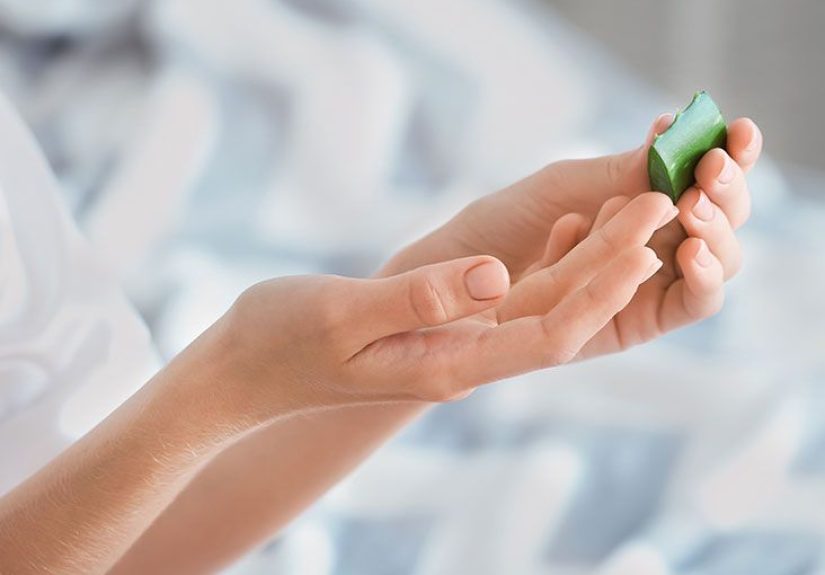
- Wash the leaf and slice it open to expose the clear inner gel.
- Scoop out the gel, apply to the site of sunburn/scrape/dry skin.
- Let it absorb (skin may feel cool). If using after a sunburn, you can apply 2–3 times a day.
- Optional: after gel absorbs, you can layer a lightweight moisturizer to lock in hydration.
Tips: Always patch‑test first behind your ear or inside elbow in case of sensitivity. Avoid if you know you’re allergic to plants in the lily family.
2. As a daily moisturizer or skin support
Because of its lightweight nature, aloe gel can be used as a non‑greasy moisturizerespecially in hotter months or for oily/combination skin. Apply a thin layer post‑shower, or mix a little into your usual lotion. For face: use a gel form that states ‘100% aloe’ to avoid heavy additives. For body: after bath, apply to rough patches or areas prone to irritation (elbows, knees, sun‑exposed arms).
3. Using aloe vera juice or ingesting (with caution)
Some people take aloe vera juice or use products that contain aloe internally. Potential applications: digestive discomfort, mild acid reflux, or dietary routines. But *warning*: ingesting aloe is more complicated. The whole‑leaf aloe extract and aloe latex (the yellow sap) contain compounds like aloin which have been flagged for safety concerns. If you go this route: choose a reputable product, follow dosage, be aware of interactions (with medications) and side effects (cramps, diarrhea).
4. Hair & scalp uses
Quick note: Some folks use aloe gel as a gentle scalp treatmentapply to irritated scalp, let sit for 10–15 minutes, rinse. Because of its soothing and hydrating properties it may help reduce flakiness or calm sun‑burned roots. (While not as deeply studied as skin use, anecdotal and expert commentary suggest it can be helpful.)
Precautions & What to Watch Out For
Before you dive into aloe‑mania, a few caveats to keep things safe and smart:
- Allergy risk: If you’re allergic to onions, garlic, tulips, or other plants in the lily family, you might react to aloe. Patch testing is wise.
- Oral use risks: Some aloe oral products (especially whole‑leaf extracts) have been flagged for potential carcinogenicity in large animal studies and are classified as a “possible human carcinogen” in one case.
- Medication interactions: If you take diabetes meds, diuretics, digoxin, or blood‑thinners, internal aloe may interfere.
- Skin irritation/upset: Overuse or using aloe with alcohol‑based products can actually dry or irritate skin.
- Pregnancy and breastfeeding: Oral aloe is not recommended due to limited safety data.
Specific Example Scenarios
Here are some real‑life style situations so you know exactly how to deploy aloe:
- Sunburned beach day: After rinsing off, apply a thin layer of pure aloe gel to affected areas before bed. Repeat in morning. The cooling effect and anti‑inflammatory action help reduce redness and discomfort.
- Dry elbows and knees in winter: After showering, while skin is still damp, apply a light layer of aloe gel then follow with your regular body lotionseals in hydration without greasiness.
- Mild digestive bloating after heavy meal: Instead of reaching immediately for pills, you might try a trusted aloe juice product that’s been formulated for internal use, but only if cleared with your doctor or dietitian and you’re not on conflicting meds.
- Scalp irritation from sun/hats: Gently apply aloe gel to the scalp after washing, leave 10‑15 min, then rinse. Follow with gentle conditioner.
Summary of Uses and Benefits
To recap: Aloe vera offers a versatile suite of benefitsfrom soothing sunburns and hydrating skin, to supporting digestion and offering antioxidant relief. The magic lies in its gel (mostly water, plus bioactive compounds) and its ability to work topically or, under proper conditions, internally. That said, it’s not a miracle cure for everything, and misuse or overuse can carry risks.
Conclusion
If you’re hunting for a simple, natural addition to your wellness arsenal, aloe vera absolutely deserves a place. Use it smartly, apply it where it counts, stay aware of potential pitfalls, and it just might become one of your favorite go‑to helpers. From soothing burnt skin to offering hydration for dry patches, from gentle scalp relief to digestive backup (used carefully), aloe has earned its super‑plant status.
Personal Experiences: My Aloe Vera Journey
Okay, so here’s where I get a bit personalyes, I used aloe vera, I tested it, and yes, sometimes I ended up looking like a glossy tomato plant (but in a fun way). Let me tell you a few of my own tales and lessons learned, so you can skip the blunders and jump straight to the “ah‑that’s good” moments.
About a month ago I spent a long afternoon at the beach (which, spoiler alert: I treated like a treadmill). Ended up with the dreaded “lobster neck” and shoulders. I grabbed a fresh aloe leaf from my little indoor succulent pot, sliced it open, and applied the gel generously. Within hours, the heat and sting cooled noticeablyand by the evening the redness had softened. Next morning I looked (and felt) better. Moral: a trustworthy aloe gel after sun exposure is absolutely a win.
Then there was the winter dry skin zone around my elbows. Normally I’d be slathering heavy creams and complaining. This time I tried a combo: right after my shower I applied a bit of aloe gel (pure), waited a minute, then applied my regular lotion. The result: softer skin, no flaky patches, and no “heavy cream feeling.” I actually looked forward to showering because I knew my skin would feel smooth instead of scratchy.
Internally? I once tried a store‑bought aloe juice after a big holiday dinner (think mashed potatoes + gravy + pie). The aloe was mild, slightly bitter, and I felt less “sluggish.” But I also learned: it’s not a cure‑all. On a different night, I tried combining it with apple cider vinegar (because yes, the wellness world said it might help digestion). I felt a little bloatedso clearly what works for one night/meal doesn’t automatically translate to every night. That taught me respect the “not miracle” part of the equation.
Another day: I used aloe gel on my scalp after wearing a tight sun hat for hours. My scalp felt irritated and hot; I applied the gel, left it a while, rinsed lightlyand the next day negligible itch. If you’re like me and prone to scalp flare‑ups after hats/heat, this was a nice go‑to.
Here are my takeaway “do’s & don’ts” from personal experience:
- Do keep a plant or a decent aloe‑gel product in your medicine cabinet or bathroom shelf. They’re handy.
- Do patch testseriously. My friend once had a weird rash after pure aloe because she’s allergic to plants in the same family. Better safe than tomato‑face.
- Do layer smart: after applying aloe gel topically, follow with moisturizer or sunscreen (for daytime) for extra protection.
- Don’t assume internal use means “drink lots and you’ll be super‑human.” Internal aloe has limitations and risk I found the mild benefit, but not magical.
- Don’t skip the “clean up” step when harvesting from a fresh leaf: wash it, remove the rind, use fresh gel. Otherwise you may irritate the skin or taste something bitter.
- Do store your gel in the fridge (if homemade) for that extra cooling effect on burns or irritated areas.
In short: I now think of aloe vera as one of those quietly essential wellness toolsno razzle‑dazzle, but reliably helpful when used right. Whether it’s calming sun‑hurt skin, smoothing chilly winter elbows, or offering a gentle internal support after heavy meals, aloe earns a thumbs‑up from me. And hopefully after reading this, it’s earned a spot on your shelf or in your routine too.