Table of Contents >> Show >> Hide
- Why cornstarch works (without a food science degree)
- Before you thicken: make sure your stew deserves it
- The best method: a cornstarch slurry (your stew’s secret handshake)
- Three real examples (because stew is not one-size-fits-all)
- Troubleshooting: when cornstarch gets moody
- Pro moves for better thickened stew
- Cornstarch vs. flour (roux) vs. other thickeners
- FAQ: quick answers for common stew emergencies
- Conclusion: thicker stew, happier spoon
- Experience Notes: 5 cornstarch moments I learned the hard way (about )
Stew is supposed to be cozy, hearty, and spoon-clingingin a “hug in a bowl” way, not a “sad soup wearing a trench coat” way.
If your stew is thin enough to qualify as broth with benefits, cornstarch is your quick, reliable fix. It’s fast, it’s
gluten-free, it doesn’t taste like anything (a true team player), and it can take your stew from watery to wonderful in minutes.
The trick is that cornstarch is powerful… but also dramatic. Add it wrong and it clumps. Cook it forever and it can weaken.
Use too much and your stew turns into edible wallpaper paste. So let’s do it the right waysmooth, glossy, and perfectly thick.
Why cornstarch works (without a food science degree)
Cornstarch is pure starch. When starch granules heat up in liquid, they swell and gelthis is what creates thickness.
The magic happens near a simmer/boil, when the stew is hot enough for the starch to gelatinize. That’s why you don’t just
sprinkle cornstarch into the pot and hope for the best: dry starch hits hot liquid, instantly gels on the outside, and forms lumps.
Before you thicken: make sure your stew deserves it
Cornstarch is a great thickener, but it can’t fix everything. Before you reach for it, do a quick check:
- Is the flavor strong enough? Thickening can slightly mute seasoning, so taste first and adjust salt/spices if needed.
- Is it thin because it needs reduction? If the stew tastes watered down, simmer uncovered 10–15 minutes first to concentrate flavor.
- Are there starchy veggies in there? Potatoes, beans, or lentils can help. Mashing a few pieces can naturally thicken the base.
If the flavor is good and you simply want a thicker texture, cornstarch is your hero in a tiny white powder cape.
The best method: a cornstarch slurry (your stew’s secret handshake)
A cornstarch slurry is just cornstarch mixed with cold or cool liquid until smooth. Then you whisk it into hot stew.
This keeps things lump-free and lets you control thickness gradually.
Step-by-step: how to thicken stew with cornstarch
-
Estimate the liquid.
You don’t need a measuring cup and a spreadsheet. Just eyeball: how brothy is it? A typical pot of stew might have 3–6 cups of liquid. -
Start small.
Begin with 1 tablespoon cornstarch per 1 cup of liquid for a medium thickness. If you’re unsure, start with half that
you can always add more, but you can’t un-gel a gel without doing some culinary damage control. -
Mix the slurry in a small bowl.
Whisk 1 tablespoon cornstarch with 1–2 tablespoons cold water (or cool broth) until completely smooth.
No dry pockets. No sandy bits. Think “thin cream,” not “wet chalk.” -
Bring the stew to a simmer.
You want it hot enough to activate the starch. Gentle bubbling is perfect. -
Drizzle and whisk.
While stirring the stew (a whisk helps), slowly pour in the slurry. Keep stirring so the thickening happens evenly. -
Cook briefly to finish.
Let the stew return to a simmer and cook for 1–3 minutes, stirring, until it thickens and the starchy taste cooks off.
If you want a slightly thicker result, add more slurry in small additions. -
Stop when it coats a spoon.
The classic test: dip a spoon, swipe a finger across the backif the line stays, you’re in “proper stew” territory.
Quick ratio cheat sheet
- Lightly thickened stew: 1 tablespoon cornstarch per 2 cups liquid
- Medium (classic) stew thickness: 1 tablespoon cornstarch per 1 cup liquid
- Very thick (almost gravy-like): 1 tablespoon cornstarch per 3/4 cup liquid (add gradually)
Practical shortcut: For a standard Dutch oven of stew, many cooks land around 2–4 tablespoons cornstarch total,
added in increments, depending on how brothy it started.
Three real examples (because stew is not one-size-fits-all)
Example 1: Beef stew that’s too brothy
Your beef stew tastes great, but the liquid runs off the spoon like it has somewhere better to be. You estimate about 4 cups of liquid.
Start with 2 tablespoons cornstarch mixed with 3–4 tablespoons cold water. Stir it in at a simmer.
After 2 minutes, reassess. If it’s still thin, add 1 more tablespoon as a fresh slurry.
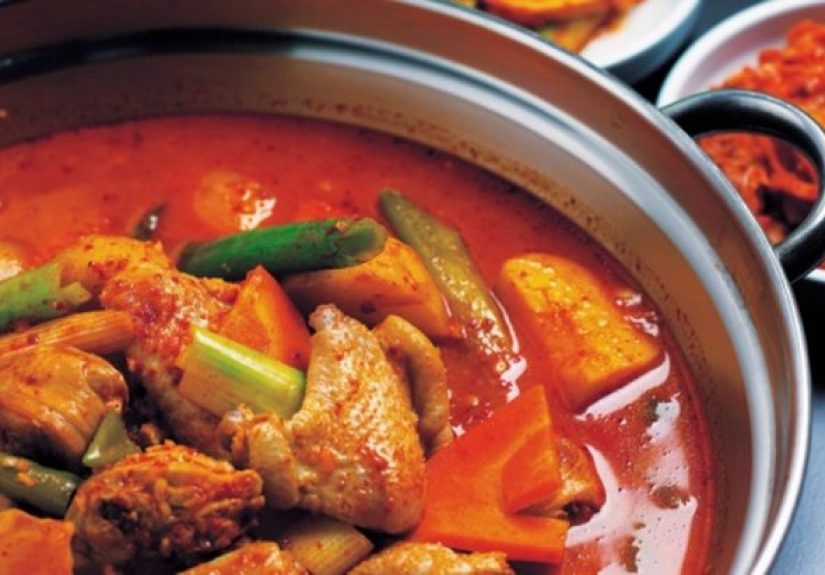
Example 2: Chicken stew with lots of vegetables
Veggies release water as they cook, so chicken stew can thin out near the end. If you estimate 3 cups of liquid, start with
1–2 tablespoons cornstarch. Add slowly, simmer 2 minutes, then decide. This style often tastes best at “light-medium”
thicknesshearty, but not gluey.
Example 3: Vegetable stew where you want a silky base
Cornstarch can give a nice glossy finishgreat for veggie stews where you want smooth body without floury heaviness.
Use smaller additions: 1 tablespoon per 2 cups liquid, simmer briefly, then stop. Let the vegetables stay the star.
Troubleshooting: when cornstarch gets moody
“Help, I got lumps.”
- Cause: Cornstarch hit hot liquid dry, or slurry wasn’t fully smooth.
- Fix: Whisk aggressively for 30–60 seconds. If stubborn, push liquid through a fine-mesh strainer or use an immersion blender briefly.
- Prevention: Always slurry with cold/cool liquid and drizzle while stirring.
“Now it’s too thick.”
- Fix: Add warm broth (or water) a splash at a time until it loosens. Simmer 1 minute to blend the texture.
- Pro tip: If you dilute it, taste againthickness changes how salt and spice read on your tongue.
“It thickened, then got thin again.”
- Cause: Long cooking can weaken starch gels, especially at a hard boil.
- Fix: Add a fresh small slurry near the end and keep the stew at a gentle simmer.
- Prevention: Add cornstarch late, cook briefly, avoid prolonged boiling.
“The texture is a little… shiny and weird.”
Cornstarch thickening has a particular silky, slightly glossy vibe. That’s normal. If you prefer a more matte, rustic thickness,
use less slurry and consider combining with reduction or a potato/bean mash.
Pro moves for better thickened stew
-
Add acid after thickening. If you finish stew with vinegar, lemon, or tomatoes, do it after you reach your texture.
Acid can affect how starch-thickened liquids behave, and it’s easier to adjust at the end. - Stir from the bottom. Thickening makes settling more likely. Scrape the bottom while simmering so nothing scorches.
- Don’t “cook it to death.” You only need a couple minutes once it returns to a simmer. After that, you’re just tempting fate.
-
Reheating note: Cornstarch-thickened stews can change texture after chillingsometimes thicker, sometimes slightly looser.
Reheat gently and adjust with broth or a tiny slurry if needed.
Cornstarch vs. flour (roux) vs. other thickeners
Cornstarch is perfect when you want fast thickening with minimal flavor change. But it’s not the only tool in the drawer:
- Cornstarch slurry: Fast, gluten-free, glossy, best added at the end.
- Flour roux: Richer, more “classic stew” body, reheats well, but takes longer and can taste floury if rushed.
- Beurre manié (flour + butter paste): Easy mid-cook thickener without lumps, adds richness.
- Mashed potatoes/beans: Natural, hearty, keeps flavors integrated, great for rustic stews.
If your goal is: “Thicken this stew in five minutes so dinner doesn’t look like an accident,” cornstarch wins the race.
FAQ: quick answers for common stew emergencies
Can I add cornstarch directly to stew?
Technically you can, the same way you can technically wear socks in the shower. It’s just going to make you unhappy.
Always mix cornstarch with cold/cool liquid first to prevent clumps.
Do I need water for the slurry, or can I use broth?
Either works. Water is neutral; broth keeps flavor consistent. The key is that it’s cool when you mix it with cornstarch.
How long does it take to thicken?
Usually within 30–90 seconds after the stew returns to a simmer. Give it a couple minutes to fully show its final texture.
Will cornstarch change the flavor?
Used correctly, not much. But thickening can slightly soften the perception of seasoningso taste and adjust salt, pepper, herbs, or acidity at the end.
How do I thicken stew in a slow cooker?
Mix a slurry, stir it in, then turn the slow cooker to high (or transfer to a stovetop simmer) for 10–15 minutes so the starch activates properly.
Cornstarch needs enough heat to gel.
Conclusion: thicker stew, happier spoon
Cornstarch is the quickest, cleanest way to thicken stewas long as you respect the slurry. Mix it smooth with cool liquid, add it to simmering stew
while stirring, cook briefly, and stop when the texture feels right. Start small, build gradually, and remember: you’re aiming for hearty and comforting,
not “canteen pudding.”
Experience Notes: 5 cornstarch moments I learned the hard way (about )
The first time I used cornstarch to thicken stew, I treated it like fairy dust: I sprinkled it straight into the pot, stirred twice, and waited for applause.
What I got instead were tiny starch boulders floating around like dumplings that had lost their way. The stew tasted fine, but the texture screamed,
“I improvised this.” Lesson #1: cornstarch is not a seasoning. It wants a proper introductioncold liquid first, smooth slurry, then a slow drizzle.
Another time, I made a big pot of beef stew for friends and got nervous about it being too thin. I doubled the slurry “just to be safe.”
The stew thickened instantly… into something that could have been used to patch drywall. The flavor was still good, but the mouthfeel was oddly gelatinous,
and everyone suddenly started eating more bread than stew. Lesson #2: thickening is incremental. Add a little, simmer, wait a minute, then decide.
Cornstarch thickens fast, but it also keeps thickening a bit as it finishes cooking and cools.
Then there was the “why did it turn thin again?” incident. I had thickened perfectly, but I kept the pot at a rolling boil while I finished other dishes.
By the time I served, the stew had loosened. Lesson #3: cornstarch likes gentle heat once it’s done. After thickening, keep it at a low simmer or warm hold,
not a furious bubbling hot tub. If it loosens, you can rescue it with a small fresh slurryno drama, just a quick adjustment.
I also learned that cornstarch is amazing for certain stews and merely “fine” for others. In a lighter chicken-and-vegetable stew, cornstarch gives a silky,
glossy base that feels clean and comforting. In a darker, long-simmered stew where you want that old-school, matte, gravy-like body, cornstarch can feel a bit
shinyalmost restaurant stir-fry sauce-adjacent. Lesson #4: match the thickener to the vibe. If you want rustic, rely more on reduction, mashed veg, or a roux,
and use cornstarch only for a final nudge.
Finally, reheating taught me to stay flexible. A cornstarch-thickened stew can behave differently the next daysometimes thicker, sometimes slightly separated.
Gentle reheating and a small splash of broth usually fixes it. If it’s too thin, a tiny slurry puts it back on track. Lesson #5: the “perfect” thickness is
a moving target, and that’s okay. Stew is forgiving. Cornstarch just makes the forgiveness happen faster.