Table of Contents >> Show >> Hide
- What Are Dryer Balls?
- How Dryer Balls Work (The Simple Science)
- Benefits of Using Dryer Balls
- How to Use Dryer Balls: Step-by-Step
- How Many Dryer Balls Should You Use Per Load?
- How to Reduce Static Even More (Without Going Back to Dryer Sheets Full-Time)
- How to Add Scent to Dryer Balls (Safely)
- Pro Tips for Better Results
- Do Dryer Balls Really Work? What to Expect (and How to Test Them at Home)
- How Long Do Dryer Balls Last (and How to Care for Them)
- Dryer Ball FAQs
- Real-World Experiences: What It’s Like to Switch to Dryer Balls (About 7 Days In)
- Conclusion
Dryer balls are one of those “why didn’t I do this sooner?” laundry upgradesright up there with finally cleaning the lint trap
every time (your dryer would like to thank you). Toss a few in the dryer, and they can help your clothes dry more efficiently,
come out less wrinkly, and sometimes feel a bit softerwithout the single-use waste of dryer sheets.
But here’s the thing: dryer balls aren’t magic. They’re more like a tiny, bouncy ventilation crew that keeps your laundry from turning
into one giant damp burrito. Used the right way, they can make a noticeable difference. Used the wrong way (one ball, overstuffed dryer,
overdried fleece), they can leave you wondering what all the hype was about.
This guide breaks down exactly how dryer balls work, the real benefits (and the limits), how many to use, and the best tips for getting
the results you actually wantfaster drying, less static, and fewer “why is this shirt suddenly a crumpled paper ball?” moments.
What Are Dryer Balls?
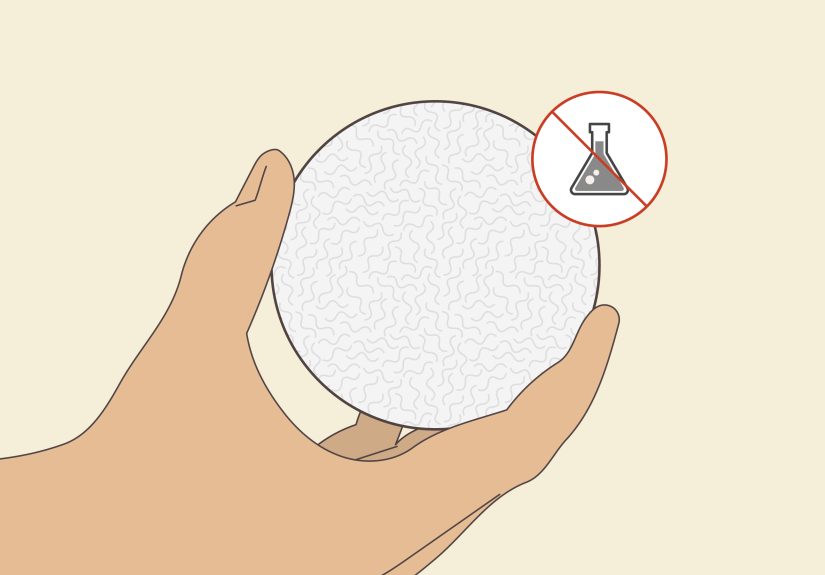
Dryer balls are reusable ballsmost commonly made from wool or plastic (sometimes rubber or silicone)that you put in the dryer with wet
laundry. As the dryer tumbles, the balls bounce around between items to keep fabrics separated and air moving.
Wool vs. Plastic: Which Type Should You Use?
-
Wool dryer balls: Generally quieter, gentler on fabrics, and naturally absorb a bit of moisture. They’re also the type
most people use when adding a light scent with essential oils. -
Plastic/rubber/silicone dryer balls: Often cheaper and easy to spot in the drum, but they can be louder. Very hard or
cracked plastic can potentially scuff items or the dryer over time if it degrades.
If you want the simplest “set it and forget it” option, wool dryer balls are the most popular pick. If your household does a mountain of
towels and bedding and you don’t mind the extra clatter, plastic can still work.
How Dryer Balls Work (The Simple Science)
Dryer balls help in three main ways:
-
They separate laundry: Instead of clothes sticking together in a heavy, wet clump, the balls wedge between items so hot
air can reach more surface area. -
They improve airflow: Better circulation helps moisture evaporate fasterespecially in dense loads like towels and
bedding. -
They reduce friction points: By preventing prolonged fabric-to-fabric rubbing, they can help reduce wrinkles and some
static (though they may not eliminate static the way a dryer sheet sometimes can).
Wool dryer balls also absorb a small amount of moisture and release it as the cycle continues, which can help loads dry more evenly.
The result is often (but not always) shorter drying time and fluffier items.
Benefits of Using Dryer Balls
1) Potentially Shorter Drying Time (and Lower Energy Use)
When laundry dries faster, the dryer runs less. Some product testing has shown meaningful reductions in drying time in certain loads
(especially bulky items), though results can vary by dryer type, load size, and fabric mix. If your dryer already has a good moisture
sensor and you avoid overloading, you may see a smaller differencebut even a small improvement adds up over dozens of loads.
2) Less Static (With a Few Caveats)
Dryer balls can reduce static by keeping items from clinging together and by reducing overdrying. However, very dry winter air, synthetic
fabrics (like polyester athletic wear), and overlong cycles can still create static. Think “static helper,” not “static superhero.”
3) Softer, Fluffier Laundry Without Heavy Residue
Fabric softeners and some dryer products can leave buildup on certain fabrics over time (not ideal for towels, athletic gear, or anything
you want to stay absorbent or breathable). Dryer balls soften by agitation and airflow rather than by coating fibers.
4) Reduced Single-Use Waste
Dryer sheets are typically one-and-done. Dryer balls are reusable for hundreds of cycles, and many wool sets are designed to last around
1,000+ loads with proper careso you’re buying once instead of restocking constantly.
5) Fewer Wrinkles (Especially If You Don’t “Forget the Load”)
Dryer balls can help reduce clumping, which helps reduce wrinkle-setting. But the biggest wrinkle hack still wins:
take clothes out promptly. Dryer balls can’t negotiate with physics if your laundry sits in a hot drum for an hour.
How to Use Dryer Balls: Step-by-Step
Step 1: Load the Dryer the Right Way
Dryer balls work best when laundry has room to tumble. If you regularly pack the dryer to the brim, the balls can’t do their job because
nothing is moving freely. Aim for a comfortably full drumnot stuffed.
Step 2: Add the Dryer Balls Before Starting the Cycle
Toss the balls in with wet laundry. No special pocket, no secret handshake. Just drop them in and close the door.
Step 3: Choose Your Cycle (Sensor Dry Is Your Friend)
If your dryer has a moisture-sensing cycle, use it. ENERGY STAR notes that automatic termination helps prevent over-drying, which saves
energy and reduces wear on clothes. Over-drying also makes static worseso sensor dry can be a win-win.
Step 4: Remove Laundry Promptly
For fewer wrinkles and less static, take items out soon after the cycle ends. Give shirts a quick shake and hang or fold while warm.
You’ll spend less time later playing tug-of-war with creases.
How Many Dryer Balls Should You Use Per Load?
This is the most common question, and the answer is pleasantly specific.
- Typical loads: Use 3 dryer balls as your baseline.
- Bulky loads (towels, bedding, coats, blankets): Use up to 6 to improve separation and airflow.
- Too many: Overdoing it can crowd the drum and actually slow drying (and in extreme cases, stress the dryer).
If you’re unsure, start with 3. If towels still feel like they’re staging a damp reunion in the center of the load, move up to 4–6 for
those bulky cycles.
How to Reduce Static Even More (Without Going Back to Dryer Sheets Full-Time)
Use the “Light Mist” Trick for Wool Dryer Balls
If static is your nemesis, lightly mist wool dryer balls with water before tossing them in. The small amount of moisture can create a
mild steaming effect that helps reduce staticespecially on synthetics.
Avoid Over-Drying
Static loves overdried laundry. Use sensor dry when possible, or reduce timed cycles slightly and check dryness. If items are dry, let
them leave the drum. (They have other dreams.)
Know When a Dryer Sheet Makes Sense
If you live somewhere very cold and dry, or you’re drying a load full of cling-prone synthetics, an occasional dryer sheet can still be
useful. Some experts recommend reserving sheets for “static emergencies” rather than using them automatically every load.
How to Add Scent to Dryer Balls (Safely)
Dryer balls don’t come with built-in perfume the way many dryer sheets do. That’s a feature for some people (especially those with
sensitive skin or fragrance headaches). But if you want a light scent, you can add essential oilscarefully.
Safe Scenting Tips
- Use just a few drops. More is not bettertoo much oil can stain fabric and increase fire risk.
-
Let it absorb fully. Apply to the balls, then wait several minutes (or longer) before adding them to laundry so oil
doesn’t transfer to fabric. -
Avoid alcohol-based fragrance products. Stick with appropriately used essential oils; don’t use perfumes or alcohol-based
sprays in the dryer. -
Keep dryer safety basics non-negotiable: clean the lint trap, don’t overload, and don’t run questionable “science experiments”
with highly flammable substances.
If you want scent with less worry about direct oil contact, another option is to put a few drops on a small cloth and toss it in the dryer
(still using common-sense caution and never soaking anything).
Pro Tips for Better Results
Match Fabric Types When You Can
Drying jeans with thin athletic tops is a recipe for overdrying the tops and leaving the jeans still damp. Group similar fabrics so the
cycle ends when everything is actually done.
Use Lower Heat When Possible
Lower heat can be gentler on fabrics. Many efficient dryers use sensor-based cycles and lower temps to reduce energy use and prevent
over-drying. Dryer balls can help loads dry effectively even on lower heat by improving airflow.
Don’t Skip Routine Dryer Maintenance
Dryer balls can’t compensate for a clogged lint trap or restricted venting. If drying suddenly takes forever, check lint buildup, vents,
and airflow before blaming the poor innocent wool spheres.
Try Them on the Loads That Benefit Most
If you want to “feel” the difference quickly, test dryer balls on:
- Towels (especially thick bath towels)
- Bedding (duvet covers, sheets, pillowcases)
- Hoodies and sweatpants
- Kid laundry that loves to turn into a tangled knot
Do Dryer Balls Really Work? What to Expect (and How to Test Them at Home)
Most people notice the biggest improvements when dryer balls solve a specific problem: clumping, tangling, or slow-drying bulky loads.
If your dryer is already efficient and you do small, well-sorted loads, the change may be subtle.
A Simple At-Home Test
- Dry two similar loads (same approximate weight and fabric type).
- Use the same settings for both loads (timed cycle is easiest for comparison).
- Use dryer balls in only one load.
- Compare: drying time, wrinkles, tangling, and static.
If you see a difference on towels and bedding, keep using them thereeven if you don’t bother for quick, lightweight loads. Laundry isn’t
a one-size-fits-all sport.
How Long Do Dryer Balls Last (and How to Care for Them)
Many wool dryer balls are expected to last around 1,000 or more loads if cared for properly. Replace them when the felt
outer layer starts breaking down or they’re shedding heavily.
How to Clean Wool Dryer Balls
- Wash occasionally on a gentle cycle in hot water (many people put them in a mesh bag or tied sock).
- Dry fully before storing or reusing.
- If you use oils, clean them regularly to prevent buildup.
Plastic balls can be wiped down and checked for cracks. If a plastic ball cracks or gets sharp edges, retire ityour clothes deserve better.
Dryer Ball FAQs
Can dryer balls replace fabric softener?
For many households, yesespecially if your goal is softer everyday laundry without added fragrance or coating. If you rely on fabric
softener for a very specific feel, dryer balls may get you “mostly there” but not identical.
Do dryer balls work on pet hair?
They can help loosen some lint and hair by improving movement and agitation, but they’re not a miracle de-shedding device. A lint roller,
a dryer filter, and good brushing habits still do the heavy lifting.
Are dryer balls safe for baby clothes and sensitive skin?
Generally, yesespecially unscented wool dryer balls. If you add oils, remember that babies and sensitive skin can react to essential oils
and fragrances, so unscented may be best.
Will dryer balls damage my dryer?
Wool balls are typically gentle. Hard plastic balls can be loud and, if damaged, could potentially scratch surfaces. Use quality products,
don’t overload, and replace anything cracked or degraded.
Can I use dryer balls with dryer sheets?
You can, though it defeats some of the waste-reduction goal. Some people keep dryer balls as the daily default and use a dryer sheet only
when static is intense.
Real-World Experiences: What It’s Like to Switch to Dryer Balls (About 7 Days In)
The first thing many people notice isn’t softness or staticit’s the sound. Wool dryer balls are relatively quiet, but you may still hear
a soft “thump-thump” in the background. Plastic balls can sound like a small herd of sneakers learning tap dance. The good news: after a
day or two, the noise becomes part of the normal dryer soundtrack (right next to “is that zipper hitting the drum?”).
Next comes the “I forgot they were in there” phase. Dryer balls are reusable, so you’ll often find them tangled in fitted sheets or
hiding inside a hoodie like it’s their new apartment. This is normal. It’s also why many people store dryer balls in the dryer between
loadsso you don’t have to hunt them down like missing socks’ more responsible cousins.
On towels, the change is usually easiest to spot. Because towels clump and hold moisture, dryer balls can help them dry more evenly.
People often describe towels as “fluffier” or “less board-like,” especially when they’ve been skipping fabric softener (which can reduce
towel absorbency over time). If your towels tend to come out twisted together like they’re auditioning for a rope team, adding 4–6 balls
to that load can noticeably reduce tangling.
On everyday cotton clothingt-shirts, pajamas, underwearthe experience is often more subtle. Clothes may feel a bit less staticky and come
out less wrinkled when you remove them promptly. If you habitually let loads sit, dryer balls won’t fully save you from the wrinkle fairy.
(She is undefeated. Respect her power.)
Static is where expectations need a reality check. Many users find that dryer balls help some, but synthetics can still clingespecially
in dry winter air. In that first week, you might discover which items are your “static divas” (fleece, athletic wear, microfiber).
That’s when small changes matter: use sensor dry to avoid overdrying, remove items while slightly warm, and try the light-mist-of-water
trick on wool dryer balls. Some households keep a small stash of dryer sheets for those occasional “this fleece blanket is attacking me”
situations.
If you like scented laundry, you’ll probably notice the biggest difference here: dryer balls don’t automatically perfume your clothes.
Many people end up preferring the neutral smell of clean fabricespecially if they’ve had fragrance irritation before. If you do add
essential oils, the scent will usually be light and may fade faster than dryer-sheet fragrance. That’s not failurethat’s chemistry.
It’s also (for many people) a nicer, less overwhelming result.
By the end of the week, most users settle into a rhythm:
- 3 balls live in the dryer for daily loads.
- 6 balls come out for towels and bedding.
- Static-prone loads get sensor dry, shorter cycles, or a tiny water mist on the balls.
- Scent is optionaland handled carefully (few drops, fully absorbed, never overdone).
The biggest “experience-based” takeaway is that dryer balls work best as part of a smarter drying routine. When you combine them with
not overloading, using the right heat, and pulling laundry out on time, the whole system feels easier. Less re-drying. Less ironing.
Fewer clingy leggings trying to fuse with your sweater. That’s not laundry perfectionbut it’s a solid upgrade.
Conclusion
Dryer balls are a simple, reusable way to improve airflow in the dryer, reduce clumping, and potentially shorten drying timeespecially
for towels and bulky loads. Start with three balls, bump up to six for bedding, and pair them with good drying habits like not overloading
the drum and avoiding over-drying. If static is stubborn, try a light mist of water on wool balls, and don’t be afraid to use a dryer sheet
occasionally when conditions are extra dry.
The best part? Once you get the routine down, dryer balls are the kind of “tiny upgrade” that quietly pays you backload after loadwithout
you having to remember to buy yet another box of single-use laundry products.