Table of Contents >> Show >> Hide
- First Things First: Is Icy Hot Supposed to Burn?
- How to Wash Icy Hot off Fast
- What Not to Do When Icy Hot Is Burning
- Why Icy Hot Can Feel Too Strong
- How Long Does the Burning Usually Last?
- How to Soothe Skin After You Wash It Off
- When to Call a Doctor
- When to Call Poison Control or Get Emergency Help
- Can You Use Dish Soap, Oil, Milk, or Vinegar?
- How to Prevent This Next Time
- Common Questions About Icy Hot Irritation
- Real-World Experiences: What This Usually Feels Like
- Final Thoughts
If you searched how to wash Icy Hot off fast, chances are you are not having a relaxing spa moment. You are having a why-is-my-skin-yelling-at-me moment. And fair enough. Icy Hot and similar topical pain relievers are designed to create a cooling or warming sensation, but sometimes that “ahh” turns into “absolutely not.”
The good news is that in many cases, you can calm things down quickly. The key is to remove the product the right way, avoid the common mistakes that make irritation worse, and know when the reaction has crossed the line from annoying to medically important.
This guide breaks down exactly how to remove Icy Hot from skin, what to do if you feel a strong burning sensation, and when to stop troubleshooting at home and get help.
First Things First: Is Icy Hot Supposed to Burn?
A mild cooling, tingling, or warming feeling is common with products like Icy Hot. That is the whole sales pitch. Many formulas contain ingredients such as menthol, and some also include methyl salicylate or other counterirritants that create a distracting hot-cold sensation on the skin.
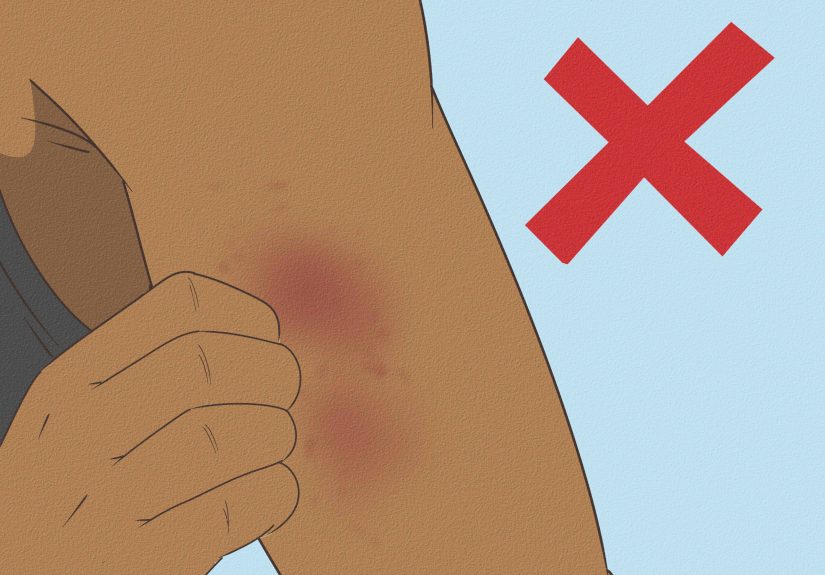
But there is a difference between a temporary tingle and a real Icy Hot burning sensation. If your skin feels painfully hot, looks bright red, starts swelling, or develops blisters, do not try to tough it out like you are training for the Pain Olympics. That is a sign you need to remove the product immediately.
How to Wash Icy Hot off Fast
1. Stop using it right away
Do not apply another layer. Do not “wait and see” while continuing to rub it in. If you are using an Icy Hot patch, peel it off first. If it is a cream, gel, balm, spray, or roll-on, stop applying more right away.
If the product got on clothing, take off the clothing too. Fabric can hold residue against your skin and keep the irritation party going longer than invited.
2. Wash the area with mild soap and cool or lukewarm water
This is the fastest and safest first step for most people. Use a mild soap and cool or lukewarm water, not hot water. Gently wash the area with your hands. The goal is to lift the product off your skin, not exfoliate your epidermis into a new zip code.
If the burning is strong, wash the area more than once. A single quick rinse may not remove everything, especially with thicker balms or creams. Use gentle passes, rinse thoroughly, and repeat until the greasy or slick feel is gone.
3. Do not scrub
A washcloth, loofah, exfoliating mitt, or vigorous rubbing can make irritated skin angrier. It may also push the product around to nearby areas. Gentle hand-washing works better when your skin is already fired up.
4. Pat dry, then cool the skin
After washing, pat the area dry with a soft towel. Then use a cool compress for a few minutes at a time. A clean washcloth dampened with cool water is a solid option. Keep it gentle. This is a soothe-the-drama move, not a deep-freeze challenge.
5. Wash your hands thoroughly
Even if the problem area is somewhere else, your hands may still have residue on them. Wash with soap and water so you do not accidentally transfer Icy Hot to your eyes, nose, mouth, or other skin that definitely did not volunteer.
What Not to Do When Icy Hot Is Burning
- Do not use hot water. Heat can make the burning feel worse.
- Do not use a heating pad. This is one of the biggest no-nos with topical pain relievers.
- Do not bandage the area tightly. Occlusion can increase irritation.
- Do not apply more cream to “balance it out.” More product is not a rescue plan.
- Do not layer other topical pain creams on top. That can intensify skin reactions.
- Do not use rubbing alcohol or harsh cleansers. They can irritate skin even more.
- Do not jump into a hot shower, sauna, or sweaty workout. Heat plus counterirritants is a bad combo.
Why Icy Hot Can Feel Too Strong
If you are wondering why this happened when the label makes it sound routine, a few common reasons usually explain it.
You used it on sensitive or damaged skin
Topical pain relievers should not go on broken, irritated, chafed, sunburned, or freshly shaved skin. Even tiny skin damage can make ingredients hit harder.
You used heat
Applying Icy Hot before or after a hot shower, under tight clothing, under a bandage, or with a heating pad can amplify the effect. This is the chemical equivalent of handing your skin a megaphone.
You used too much
A thicker layer does not mean faster relief. It can mean more irritation, more absorption, and more regret.
You are sensitive to one of the ingredients
Some people are more reactive to menthol, methyl salicylate, fragrance ingredients, or other components in these products. That can show up as burning, redness, itching, rash, or blistering.
You used it on the wrong body area
Face, groin, skin folds, and mucous membranes are bad places for topical pain creams. If the product gets into your eyes, nose, mouth, or genital area, rinse thoroughly with water and get medical advice if symptoms continue.
How Long Does the Burning Usually Last?
If the sensation is mild and normal, it often fades gradually after application. If it is stronger than normal, washing it off usually helps pretty quickly, though lingering redness or irritation can stick around for a while.
If your skin still feels intensely hot, painfully irritated, or looks worse after washing, do not assume time will magically fix it. Significant discomfort that does not settle down deserves attention.
How to Soothe Skin After You Wash It Off
Once you have removed the product, keep the follow-up simple.
Use a cool compress
This can help calm heat, swelling, and that dramatic “my skin is offended” feeling.
Wear loose clothing
Friction can keep irritated skin irritated. Soft, breathable fabric is your friend.
Use a bland moisturizer if the skin feels dry
A fragrance-free moisturizer or plain petroleum jelly may help protect the area if the skin is irritated but not open or blistered. Skip heavily fragranced lotions or anything “tingly.” Your skin has had enough adventures for one day.
Avoid reapplying the product
Even if you originally used it for back pain, knee pain, or sore muscles, give the irritated area a break. Reapplying too soon can restart the whole mess.
Be cautious with anti-itch products
If what remains is more of an itchy rash than a burn, a pharmacist or clinician may suggest an over-the-counter option such as hydrocortisone or calamine in some situations. But if the skin is blistered, broken, or very painful, get medical advice before putting more products on it.
When to Call a Doctor
Seek medical care promptly if you have any of the following after using Icy Hot or another topical pain reliever:
- Severe burning pain
- Swelling that is increasing
- Blistering
- A spreading rash
- Skin that looks raw, weepy, or damaged
- Eye exposure that keeps hurting after rinsing
- Symptoms that are not improving after washing the product off
If you think the reaction is severe, do not keep experimenting with home remedies from the internet’s stranger corners. Get checked.
When to Call Poison Control or Get Emergency Help
Call Poison Control right away if the product was swallowed, used on a large area in a concerning way, or if a child was exposed. The same goes for symptoms like nausea, vomiting, dizziness, rapid breathing, ringing in the ears, confusion, or unusual sleepiness after exposure. Those symptoms matter more if the product contains methyl salicylate.
Call emergency services immediately if there is trouble breathing, facial or throat swelling, collapse, or signs of a serious allergic reaction.
Can You Use Dish Soap, Oil, Milk, or Vinegar?
People try all kinds of DIY fixes when their skin feels like it is sending angry text messages. But for how to wash Icy Hot off fast, the simplest approach is still the best: mild soap and cool or lukewarm water.
Dish soap may remove greasy residue, but it can also be harsher on irritated skin. Oils, milk, vinegar, and other kitchen experiments are not the go-to answer here. They may not remove the active ingredients effectively, and some can make irritation worse or delay proper care.
How to Prevent This Next Time
- Apply only a thin layer.
- Use it only on healthy, intact skin.
- Do not apply after a hot shower or right before exercise.
- Do not cover it with a tight wrap or heating pad.
- Wash hands after applying.
- Keep it away from eyes, mouth, nose, and genitals.
- Do a small test area first if you have sensitive skin.
- Do not combine multiple topical pain products unless a clinician tells you to.
Common Questions About Icy Hot Irritation
Should I use ice?
A cool compress is usually enough. Skip extreme cold directly on irritated skin.
Can I shower to wash it off?
Yes, but use cool or lukewarm water. A hot shower can make things worse.
Can I put lotion on right away?
After thoroughly washing the area and once the product is off, a bland, fragrance-free moisturizer may help if the skin feels dry or irritated. Avoid anything heavily scented, medicated, or warming.
What if it gets in my eyes?
Rinse with plenty of water right away. If the pain, redness, or vision symptoms continue, get medical help.
Real-World Experiences: What This Usually Feels Like
One reason this topic gets searched so often is that the experience tends to be surprisingly dramatic. A lot of people expect a mild “sports cream” sensation and instead get what feels like a breakup letter from their skin. The pattern is often the same: sore muscles, a generous amount of Icy Hot, then an escalating burn that goes from noticeable to obnoxious.
A very common scenario is the post-workout mistake. Someone rubs the product onto a tight shoulder, lower back, or knee, then jumps into a hot shower thinking they are being efficient. Ten minutes later, the area feels much hotter than expected, the skin looks red, and panic sets in. In many of these mild cases, washing the area with soap and cool water helps, and the burning eases once the residue is gone and the skin cools down.
Another classic experience happens with patches. People love the convenience of a slap-it-on-and-go product, but patches can be sneaky if your skin is sensitive or if you leave one on and then add heat, friction, or sweat. A person may notice the patch feels fine at first, then later realize the area underneath is getting sharper, stingier, and more irritated instead of better. Taking the patch off quickly, washing the area, and avoiding any more topical products is usually the smart next step.
There are also plenty of stories involving accidental transfer. Someone applies Icy Hot to a sore neck or back, forgets to wash their hands well enough, then rubs an eye, touches their face, or heads to the bathroom. That is when the day takes a truly unnecessary turn. Those experiences are a big reason hand-washing matters so much after application. The original sore muscle may be manageable, but menthol where it definitely does not belong can become the main event.
People with sensitive skin often describe a different pattern. The first few minutes may feel normal, but then the area becomes itchy, blotchy, or steadily more irritated instead of settling down. Sometimes that is simple irritation; sometimes it behaves more like contact dermatitis. If redness keeps spreading, the skin starts blistering, or the discomfort does not improve after washing, that moves out of the “annoying but manageable” category.
Parents and caregivers also run into problems when a child gets into a topical pain cream or when an adult applies it and then cuddles a child or pet before washing up. Even when the amount is small, exposure to the face, hands, or eyes can cause a lot of distress. That is why these products need the same level of caution you would give any medication: use only as directed, store them safely, and do not assume “over the counter” means “harmless in every situation.”
The main takeaway from all these experiences is reassuringly simple. Most people do best when they stop using the product, wash it off gently but thoroughly, cool the skin, and avoid making it worse with heat, friction, or extra products. When the reaction looks severe, or comes with swelling, blistering, breathing trouble, or systemic symptoms, that is the moment to stop improvising and get real medical help.
Final Thoughts
If you need to wash Icy Hot off fast, the fastest smart fix is also the least glamorous: remove the product, wash gently with mild soap and cool or lukewarm water, pat dry, and cool the skin with a compress. Avoid hot water, heating pads, tight wraps, and the urge to become your own experimental chemist.
Most mild reactions settle down once the product is off. But severe burning, swelling, blistering, or symptoms after swallowing or large exposure are not wait-and-see moments. When in doubt, stop using it and get medical advice. Your muscles wanted relief, not a side quest.