Table of Contents >> Show >> Hide
- What’s the difference between a humidifier and a vaporizer?
- What both devices do well
- Why a humidifier is often the better choice
- When a vaporizer might be better for your needs
- Safety matters more than marketing
- Cleaning and maintenance decide whether either device helps or backfires
- How much humidity is actually healthy?
- What if you have allergies or asthma?
- What about dry skin, nosebleeds, and sleep?
- Humidifier vs. vaporizer: quick decision guide
- So, which one is better for your needs?
- Practical buying tips before you make a decision
- Everyday experiences: how this choice plays out in real life
- Final take
Choosing between a humidifier and a vaporizer sounds like one of those tiny home decisions that should take about 14 seconds. Then suddenly you are three tabs deep, reading about steam, mist, germs, burn risks, dry sinuses, and whether your bedroom air is secretly auditioning for the Sahara. So let’s clear it up.
If your air feels dry enough to turn your lips into sandpaper and your nose into a drama queen, either device can help. Both add moisture to the air. Both can make you feel more comfortable. Both can be useful during cold season or in heated winter homes. But they are not identical, and the better choice depends on who lives in your home, what symptoms you are trying to ease, and how committed you are to cleaning the machine instead of treating it like decorative furniture.
In most households, a cool-mist humidifier is the better all-around pick. It is usually safer, especially around children and pets, and works well for everyday dryness. A vaporizer, on the other hand, can be a solid short-term option for adults who like warm steam and want temporary comfort when they are congested. The details matter, though, so let’s break them down in plain English.
What’s the difference between a humidifier and a vaporizer?
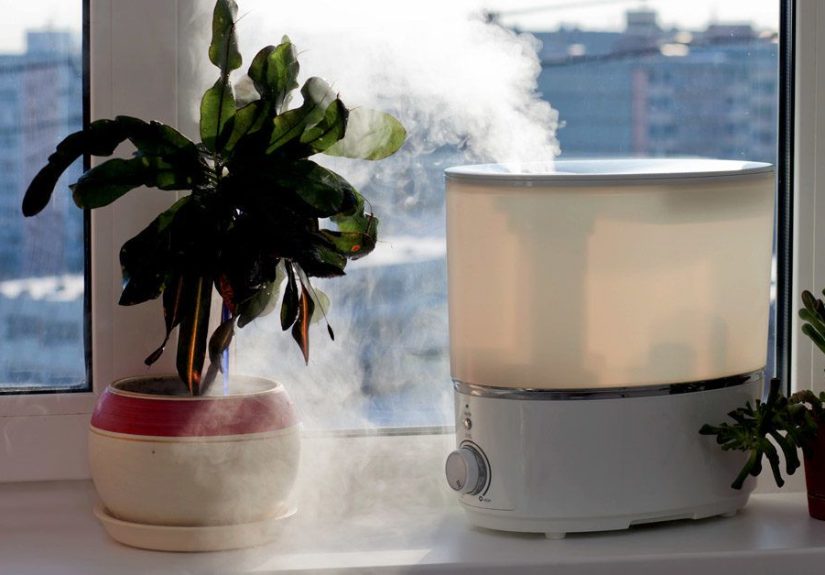
Humidifier is the broad category. It refers to a device that adds moisture to indoor air. Some humidifiers produce cool mist, some produce warm mist, and some use different methods such as ultrasonic vibration, evaporation, or rotating discs.
Vaporizer usually refers to a warm-mist device that heats water until it becomes steam, then releases that moisture into the room. In everyday shopping language, a vaporizer is basically the steamy cousin in the humidifier family.
That means this is not really a battle between two totally unrelated products. It is more like choosing between two styles of moisture delivery:
- Humidifier: Usually cool mist, better for everyday use, and generally safer around kids.
- Vaporizer: Warm steam, often chosen for short-term cold and congestion comfort.
What both devices do well
Before we start crowning a winner, let’s give both contenders some credit. If your home air is too dry, either one may help reduce discomfort related to:
- Dry nasal passages
- Scratchy throat
- Chapped lips
- Dry skin
- Mild congestion
- Nosebleeds triggered by dry air
- General winter misery, also known as “Why does my face hurt indoors?”
Moist air can be easier on irritated airways, and many people find they sleep more comfortably when the room is not painfully dry. But comfort is not the same thing as a miracle cure. These devices may help ease symptoms caused by dry air, but they do not treat infections, replace medical care, or turn cold season into a peaceful wellness retreat.
Why a humidifier is often the better choice
1. It is usually the safer everyday option
This is the biggest reason cool-mist humidifiers often win. A vaporizer uses hot water and steam. A cool-mist humidifier does not. That may sound obvious, but it matters a lot in real homes where toddlers wobble, pets sprint, and adults somehow still trip over cords like it is an Olympic event.
If you have babies, children, or pets, a cool-mist humidifier is typically the safer choice. There is no boiling tank of water, no hot steam plume, and less risk of burns if the device is bumped or knocked over.
2. It works well for ongoing dry-air problems
If your main issue is winter dryness, forced-air heat, sleeping with your mouth open, recurring nosebleeds, or waking up feeling like your throat was lined with toast crumbs, a humidifier is a strong long-term solution. It can run overnight, help keep the room comfortable, and is often better suited for regular use through the season.
3. It is usually the better fit for bedrooms and nurseries
Cool-mist units are commonly recommended for kids’ rooms and for general bedroom use. They can support comfort during colds, but they are also useful when nobody is sick and the air is just too dry. Think of them as a household comfort appliance rather than a one-purpose sick-day gadget.
When a vaporizer might be better for your needs
1. You want warm steam for temporary comfort
Some adults simply prefer warm mist. It can feel soothing when you are stuffy, chilly, or curled up with a blanket, tea, and the vague belief that steam makes everything feel more medicinal. A vaporizer can create that cozy, warm-air effect that some people find especially comforting during a cold.
2. You are using it in a low-traffic adult space
If the device will be used in a quiet room, away from children and pets, and you are careful about placement, a vaporizer may be perfectly reasonable. The key word here is careful. Hot steam is less forgiving than cool mist.
3. You only need it occasionally
For some people, a vaporizer is not an all-winter appliance. It is a short-term, “I am congested and would like my room to feel less like a bag of crackers” device. If that is your use case, it can make sense.
Safety matters more than marketing
If you remember one thing from this article, make it this: the safest option for most homes is a cool-mist humidifier. Warm-mist devices and vaporizers can cause burns if someone gets too close or if the unit spills. That risk is especially important in homes with children.
So while a vaporizer is not automatically a bad choice, it is a more cautious choice. It asks more of you in terms of placement, supervision, and common sense. A cool-mist humidifier gives you a wider margin for error, and that is usually a beautiful thing.
Cleaning and maintenance decide whether either device helps or backfires
Here is the part many people skip until the machine starts smelling suspicious or painting their furniture with mysterious white dust. A poorly maintained humidifier or vaporizer can become part of the problem instead of the solution.
Standing water can encourage microbial growth. Tap water can leave behind minerals. Too much humidity can invite mold and dust mites to move in like uninvited roommates who never plan to leave. In other words, the best device is the one you will actually maintain properly.
Smart maintenance habits
- Use distilled or demineralized water whenever possible.
- Empty and refill the tank regularly instead of letting water sit.
- Clean the unit as directed by the manufacturer, and do it often.
- Replace filters on schedule if your model uses them.
- Dry the unit between uses when appropriate.
- Stop using it if surfaces feel damp or condensation starts forming around the room.
If you are not interested in regular cleaning, be honest with yourself before buying one. The machine should be improving your indoor air, not quietly training mold in the corner.
How much humidity is actually healthy?
More moisture is not always better. Indoor humidity that is too low can dry out your skin and airways. Indoor humidity that is too high can encourage mold and dust mites. The sweet spot for many homes is usually around 30% to 50%.
That is why a hygrometer, a small device that measures humidity, is surprisingly useful. It takes the guesswork out of things. Without one, many people run a humidifier based on vibes alone, which is not always the most scientific home-health strategy.
If your windows are fogging up, walls feel damp, or the room starts feeling muggy, back off. Your air should feel comfortable, not tropical.
What if you have allergies or asthma?
This is where the conversation gets more nuanced. Moisture can help dry nasal passages feel better, but excessive humidity can worsen indoor allergen problems. Dust mites and mold love overly damp environments. Dirty machines can also spread irritants into the air.
So if you have allergies or asthma, the answer is not “never use a humidifier.” It is “use one carefully.” Keep the humidity in a healthy range, clean the device well, and pay attention to whether your symptoms improve or get worse. In some homes, moderate humidity feels great. In others, extra moisture tips the balance the wrong way.
If you are highly sensitive to indoor allergens, you should be especially cautious about overusing any moisture-adding device. The goal is balance, not a rainforest simulation in your bedroom.
What about dry skin, nosebleeds, and sleep?
These are the complaints that often send people shopping in the first place, and fairly so.
Dry skin
If your skin gets tight, itchy, or flaky when indoor heat runs nonstop, added moisture may help you feel more comfortable. A humidifier tends to be the better long-term tool here because it can be used consistently during dry months.
Nosebleeds and dry noses
Dry air can irritate nasal passages, and for some people that means frequent nosebleeds or painful crusting. A humidifier can help keep nasal tissues from drying out so dramatically. Again, this is less about steam and more about restoring a more comfortable indoor moisture level.
Sleep quality
Many people sleep better when their airways are not irritated by dry air. If you wake with a dry mouth, stuffy nose, or scratchy throat, a humidifier may help. Vaporizer fans may prefer warm mist, but a cool-mist model is generally the more practical overnight choice for most homes.
Humidifier vs. vaporizer: quick decision guide
| Situation | Better Choice | Why |
|---|---|---|
| Home with babies, kids, or pets | Humidifier | Cool mist avoids hot water and steam burn risks. |
| Everyday winter dryness | Humidifier | Better suited for regular comfort and overnight use. |
| Short-term cold and congestion comfort | Vaporizer or humidifier | Either can help, but some adults prefer the feel of warm steam. |
| Allergy-prone home | Either, with caution | Humidity must stay controlled and the machine must stay clean. |
| Lowest-risk option overall | Humidifier | Cool-mist models are generally the safest default. |
So, which one is better for your needs?
For most people, the better choice is a cool-mist humidifier. It is more versatile, safer around children, better for routine dry-air problems, and easier to recommend as the default household option.
A vaporizer may be better if you are an adult who specifically prefers warm steam and plans to use it carefully for short-term relief in a controlled space. It is not useless. It is just more situational.
So the real answer is not that one is universally superior in every possible scenario. It is that the humidifier is the better all-around performer, while the vaporizer is the niche specialist. Think of the humidifier as the reliable daily driver and the vaporizer as the seasonal jacket you only reach for under certain conditions.
Practical buying tips before you make a decision
- Choose a model sized for your room, not your wishful thinking.
- Look for easy-to-clean tanks and parts. Complicated designs often become neglected designs.
- Consider a built-in humidistat if you do not want to monitor moisture manually.
- Keep the machine several feet from the bed and on a stable surface.
- Plan on buying distilled water if your tap water is mineral-heavy.
- If kids are in the house, treat warm-mist devices as a hard sell.
Everyday experiences: how this choice plays out in real life
In real households, the humidifier-versus-vaporizer decision usually stops being theoretical very quickly. For example, people living in heated apartments during winter often notice the same pattern: they wake up with dry noses, tight skin, a scratchy throat, and the strange sense that the bedroom air has personally offended them. In that situation, a cool-mist humidifier often becomes the quiet hero of the room. Once the humidity is kept in a reasonable range, the air simply feels less harsh. People commonly describe sleeping more comfortably, having fewer morning nose issues, and not feeling like they need lip balm every 11 minutes.
Parents usually come to the issue from a different angle. They are less interested in atmosphere and more interested in safety. When a child is congested, many families want something that can make sleep easier without adding a new hazard to the room. This is where the cool-mist option tends to make the most practical sense. It may not feel as dramatic as warm steam, but parents often value the fact that it can run overnight without a hot tank sitting within striking distance of a curious toddler. In family life, “safer and boring” is often exactly the right kind of exciting.
Adults dealing with a cold sometimes prefer vaporizers because warm steam feels soothing in the moment. There is a comfort factor there that is hard to deny. A room with warm mist can feel cozy, especially when someone is congested, tired, and craving anything that feels vaguely therapeutic. But people also learn quickly that a vaporizer demands more caution. It needs careful placement, more awareness, and a household environment where it is unlikely to be bumped, tipped, or investigated by small humans or enthusiastic pets.
People with allergies often have the most mixed experience. Some find that a properly maintained humidifier helps their dry nasal passages feel better. Others discover that running one too long makes the room feel damp and their symptoms worse. That is because the problem is not always the device itself. It is often the humidity level or the cleanliness of the machine. Many users eventually figure out that a hygrometer changes the whole experience. Instead of guessing, they can keep the room in a comfortable range and avoid turning helpful moisture into a mold invitation.
There is also the maintenance reality check. A surprising number of people love the idea of a humidifier right up until cleaning day. The households that stay happiest with these devices are usually the ones that build simple habits: fresh water, regular rinsing, frequent cleaning, and not running the machine nonstop just because it exists. In everyday experience, that is often the true divider. The best device is not the fanciest or steamiest one. It is the one that fits your life, your safety needs, and your willingness to care for it properly.
Final take
If your goal is safer, everyday relief from dry indoor air, a cool-mist humidifier is usually the better choice. If you are an adult who wants warm steam for short-term comfort and can use it carefully, a vaporizer may still work well. Either way, the smartest move is to keep the device clean, use the right water, and aim for balanced humidity instead of maximum mist. Your lungs, skin, and furniture will all appreciate the restraint.