Table of Contents >> Show >> Hide
- Why Hurricane Michael Cleanup Was So Demanding
- Disaster Recovery Supplies You Actually Need
- How to Approach Hurricane Cleanup Step by Step
- Common Cleanup Mistakes That Make Recovery Worse
- Best Supply Strategy for Homeowners, Volunteers, and Small Crews
- Experiences From the Ground: What Hurricane Michael Cleanup Really Feels Like
- Conclusion
When people talk about hurricane recovery, they usually picture chainsaws, tarps, and giant piles of storm debris. Fair enough. But anyone who has lived through a major storm knows the real cleanup story is messier, slower, and much less cinematic. It is not one dramatic weekend with a heroic shovel montage. It is days of wet drywall, suspicious odors, spoiled food, dead batteries, aching shoulders, and the creeping realization that a box of contractor bags can suddenly feel like luxury goods.
That is exactly why disaster recovery supplies matter so much after an event like Hurricane Michael. The storm did not just leave behind broken roofs and fallen trees. It created a full-scale cleanup environment filled with floodwater contamination, mold risk, electrical hazards, heat stress, food spoilage, structural instability, and debris that could include everything from tree limbs to hazardous building materials. In other words, post-hurricane cleanup is not just a home project with extra mud. It is a safety job, a logistics job, and a stamina job.
This guide breaks down what Hurricane Michael cleanup really involves, which disaster recovery supplies are actually useful, and how homeowners, volunteers, and small cleanup crews can think more clearly when everything around them looks like a windblown yard sale. The goal is simple: help you clean up smarter, safer, and with fewer expensive mistakes.
Why Hurricane Michael Cleanup Was So Demanding
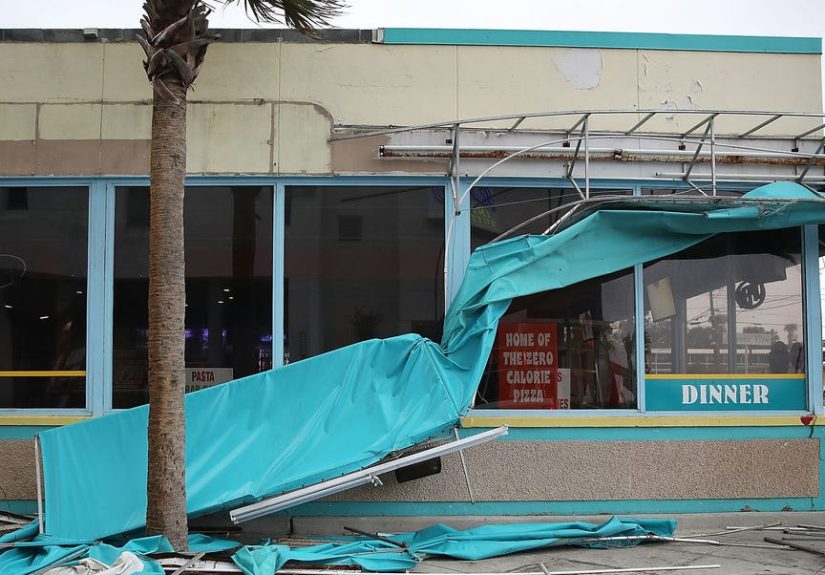
Hurricane Michael remains one of the most destructive storms to hit the Florida Panhandle, and its cleanup challenges explain why supply planning cannot be an afterthought. When a storm delivers extreme wind damage, water intrusion, power loss, and widespread debris at the same time, recovery becomes layered. You are not solving one problem. You are solving ten problems that all showed up wearing the same muddy boots.
After a storm like Michael, cleanup often starts with the basics: gaining safe access to the property, documenting damage, checking utilities, stopping further water intrusion, and separating salvageable materials from total losses. But then the next wave begins. Wet insulation must come out. Carpets and padding may have to go. Drywall can look “mostly okay” while quietly auditioning to become a mold farm. Food has to be evaluated. Water safety becomes a question. Generator use must be handled carefully. And every trip through a damaged building raises the odds of cuts, falls, respiratory irritation, and plain old exhaustion.
That is why the smartest recovery plan begins with a simple truth: safety is not separate from cleanup. Safety is cleanup.
Disaster Recovery Supplies You Actually Need
A lot of people imagine post-hurricane supplies as a random pile of hardware store optimism. In reality, the best disaster recovery supplies fall into a few practical categories.
1. Personal Protective Equipment
If your cleanup outfit is “old sneakers and confidence,” it is time to upgrade. The first line of defense after a storm is proper protective gear. That usually means:
- N95 respirators or better for dusty, moldy, or debris-heavy environments
- Heavy-duty work gloves
- Safety goggles or sealed eye protection
- Rubber boots or sturdy waterproof work boots
- Long pants and long sleeves
- Hard hats when overhead hazards or unstable structures are involved
- Hearing protection for loud tools and generators
This gear is not optional theater. Mold spores, contaminated dust, broken glass, splintered wood, nails, and hidden sharp metal are common in storm-damaged homes. Even a “quick cleanup run” can turn into a tetanus-themed regret session if you treat the site too casually.
2. Water Removal and Drying Supplies
The clock starts ticking fast once water gets inside. Moisture that hangs around invites mold, odors, and material breakdown. Useful supplies include:
- Wet/dry vacuums
- Mops, buckets, and absorbent towels
- Squeegees and push brooms
- Fans and air movers
- Dehumidifiers
- Moisture meters for more serious restoration work
- Plastic sheeting and tarps for temporary protection
- Contractor-grade trash bags
One of the biggest post-hurricane mistakes is waiting too long to dry the structure because the damage feels overwhelming. Yes, it is overwhelming. Dry it anyway. The sooner wet materials are removed and damp areas are ventilated, the better the odds of avoiding a much bigger mold cleanup later.
3. Cleaning and Sanitizing Supplies
Cleanup after Hurricane Michael is not just about making the place look less apocalyptic. It is about reducing contamination and making surfaces safer to handle. Helpful basics include:
- Detergent or all-purpose cleaning solution
- Disinfectants labeled for appropriate cleanup use
- Scrub brushes and sponges
- Disposable wipes and paper towels
- Bleach only where appropriate and used according to label directions
- Spray bottles and pump sprayers
A crucial point here: not everything should be “saved with enough scrubbing.” Hard, non-porous surfaces often can be cleaned and dried. Porous items like soaked carpet padding, insulation, mattresses, upholstered furniture, and water-damaged paper products are much harder to rescue safely. Sometimes the cleanest choice is also the least sentimental one.
4. Debris Removal Tools
Storm debris has a special talent for being bulky, sharp, muddy, and somehow twice as heavy as expected. A practical debris setup may include:
- Shovels, rakes, and brooms
- Pry bars and utility knives
- Wheelbarrows or garden carts
- Tarps for drag-and-collect jobs
- Rope, ratchet straps, and tie-downs
- Ladders in good condition
- Chainsaws only for trained users with full protective gear
And yes, the humble contractor bag deserves applause. It does not complain, it does not need charging, and it will be the most overworked member of your recovery team.
5. Power, Lighting, and Communication Supplies
After a major hurricane, cleanup is often slowed by blackouts or partial outages. The supplies that matter most are the ones that keep work safe:
- Flashlights and headlamps
- Extra batteries
- Portable power banks
- Generators used only outdoors and well away from doors, windows, and occupied spaces
- Heavy-duty extension cords rated for the job
- Fuel containers stored safely
- Battery-powered radios
Portable generators are useful, but they are also one of the most dangerous post-storm tools when handled carelessly. Running one in a garage, under an overhang too close to the house, or near open windows can create a carbon monoxide emergency faster than people realize.
6. Food, Water, and Basic Living Supplies
You cannot do cleanup well if your crew is dehydrated, overheated, hungry, and trying to remember whether that mayonnaise was warm for two hours or six. Keep recovery basics on hand:
- Bottled water and electrolyte drinks
- Coolers and ice
- Nonperishable food
- Manual can openers
- Disposable plates, utensils, and hygiene supplies
- Appliance thermometers for refrigerators and freezers
- First-aid kits and prescription medications
Food safety is not a place for brave guesswork. If refrigerated perishables sat too long without safe temperatures, or if food touched floodwater, it is time to let it go. Disaster cleanup is hard enough without adding food poisoning to the guest list.
How to Approach Hurricane Cleanup Step by Step
Start With Reentry and Documentation
Only return when local officials say it is safe. Once you are back, document everything before you begin major removal. Take photos, shoot video, and note visible damage to the roof, walls, floors, appliances, furniture, and personal belongings. That record can help with insurance, aid applications, contractor discussions, and simple memory, because after a long cleanup day every room starts to blur together.
Check the Structure Before You Go Full Demo Mode
If the building is visibly unstable, do not charge in like a home-improvement gladiator. Watch for sagging ceilings, shifted foundations, broken gas lines, exposed wiring, or standing water near electrical systems. Serious structural or utility concerns call for qualified professionals. Storm cleanup is not the time to discover that your confidence exceeds your engineering background.
Remove Water and Wet Materials Fast
Open the structure if conditions allow. Use fans, dehumidifiers, wet vacs, and whatever safe ventilation you can manage. Pull out saturated rugs, carpet padding, insulation, and ruined soft goods early. The longer these materials stay in place, the harder the cleanup becomes.
Clean, Dry, and Separate
Think in three categories: salvage, discard, and evaluate. Hard surfaces may be cleanable. Some electronics, documents, or furniture pieces may be worth professional restoration. But badly soaked porous materials often belong in the discard pile. Also, follow local debris collection rules where possible. Some communities ask residents to separate vegetative debris, construction debris, appliances, electronics, and household hazardous waste.
Watch for Mold and Air Quality Problems
Mold can begin developing quickly in damp conditions, and storm-damaged homes are prime territory. That is why respiratory protection, drying, and removal of unsalvageable materials matter so much. If mold contamination is extensive, or if occupants have asthma or other respiratory concerns, it may be wise to bring in professionals for at least part of the job.
Do Not Ignore Hidden Hazards in Older Buildings
In older structures, demolition and debris handling may expose asbestos-containing materials, lead dust, and other hazardous substances. That matters even more when hurricane damage has already broken, soaked, or scattered building materials. If a damaged home is older and the cleanup is moving toward gutting or demolition, a more careful approach is necessary. The cheapest cleanup is not the best cleanup if it spreads harmful dust through the property or the neighborhood.
Common Cleanup Mistakes That Make Recovery Worse
- Using too little PPE: Gloves alone do not count as a complete strategy.
- Running generators unsafely: Carbon monoxide does not care that you are “only using it for a minute.”
- Trying to save everything: Storm-damaged homes demand decisions, not a museum of damp optimism.
- Skipping breaks: Post-hurricane cleanup regularly causes overexertion, especially in hot, humid conditions.
- Ignoring food safety: A powerless refrigerator is not a mystery box challenge.
- Jumping into demolition without a plan: Debris, dust, sharp materials, and hazardous components require more than enthusiasm.
Best Supply Strategy for Homeowners, Volunteers, and Small Crews
For homeowners, the smartest approach is to stock more cleanup consumables than you think you need: gloves, masks, contractor bags, cleaning supplies, batteries, bottled water, and tarps disappear quickly. For volunteers, focus on PPE, hydration, tools you actually know how to use, and clear role assignments. For small contractors or recovery teams, supply planning should include heat illness prevention, communication tools, fuel handling practices, debris segregation, and escalation paths when asbestos, major structural instability, or heavy mold is discovered.
In other words, the best disaster recovery supply list is not just a shopping list. It is a decision-making tool. It helps people work in the right order, use the site more safely, and avoid turning a bad situation into a worse one.
Experiences From the Ground: What Hurricane Michael Cleanup Really Feels Like
The section below is a composite-style account based on common realities of major hurricane cleanup, not one person’s literal diary.
The first thing many people remember after a storm like Hurricane Michael is the smell. Not just wet wood or mud, but that strange combination of rain-soaked insulation, spoiled food, gasoline, tree sap, and hot air sitting over everything like a damp blanket. You walk back onto the property thinking you are ready, and within five minutes you realize that readiness is relative. The house may still be standing, but normal life is not. Your routines are gone. The neighborhood sounds different. The power is out. Phones are half-dead. Traffic is weird. Every errand takes three times longer. And every task seems to begin with, “First, we have to move this pile of debris.”
Day one is usually not glamorous. It is checking for danger, taking photos, trying not to step on nails, and opening doors carefully because swollen wood and hidden water damage have changed how everything moves. You discover that cleanup is physically demanding in a very unglamorous way. It is less “action movie rescue” and more “why does this ruined rug weigh as much as a compact car?” People who have never thought deeply about trash bags suddenly develop strong opinions about contractor-grade thickness.
Then comes the sorting. Keep, toss, maybe, probably toss, definitely toss, and “why did I save this before the storm, let alone now?” That part can be emotionally draining. Hurricane cleanup is not only hard because the labor is heavy. It is hard because the labor is personal. You are not just removing debris. You are making decisions about pieces of your life while tired, sweaty, and usually under some kind of financial or insurance pressure.
There is also the rhythm of the work itself. Mornings begin with good intentions, a cooler of drinks, and a plan. By early afternoon, the heat starts winning arguments. Gloves are damp. Masks feel annoying. Someone cannot find the pry bar. Someone else discovers a patch of mold behind a wall section that looked fine an hour ago. The work becomes a series of small adjustments: more ventilation, more water, fewer heroics, better pacing. Recovery teaches patience because it punishes the lack of it.
And yet, there is something steadying about useful supplies and a clear routine. A flashlight that works. Dry gloves. Enough clean water. A tarp that actually holds. A fan moving air through a room that smelled hopeless yesterday. These are small victories, but after a disaster, small victories are real fuel. They restore a little control.
That is why disaster recovery supplies matter beyond convenience. They support morale as much as labor. When cleanup crews or families have the right masks, the right tools, safe lighting, good hydration, and a workable debris plan, the job still feels hard, but it no longer feels chaotic. And that difference matters. Disaster recovery is rarely fast, rarely pretty, and never easy. But it becomes more manageable when people are equipped for reality instead of just hoping for the best.
Conclusion
Hurricane Michael cleanup was never just about hauling branches to the curb. Real recovery means protecting people while restoring buildings, removing contamination, preventing mold, handling debris responsibly, and making smart decisions about what can be saved and what cannot. The best disaster recovery supplies are the ones that help you do all of that safely: protective gear, drying equipment, cleanup chemicals, lighting, water, food, first-aid items, and practical tools for debris removal and temporary stabilization.
If there is one takeaway worth remembering, it is this: after a storm, speed matters, but judgment matters more. Dry the structure quickly, protect your lungs and eyes, respect electrical and demolition hazards, use generators correctly, and do not let fatigue make decisions for you. Hurricane cleanup is hard enough without adding preventable mistakes. The right supplies will not make recovery easy, but they can make it safer, faster, and far less chaotic.