Table of Contents >> Show >> Hide
- What “Il Buco Vita Pastels” Really Means
- Italian Easter at the Table: A Quick, Useful Snapshot
- Why Pastels Work Better Than You Think
- Build the Il Buco Vita Look: 6 Pieces That Do the Heavy Lifting
- Centerpieces That Look Italian, Not Fussy
- A Menu That Matches the Pastels (and the Italian Easter Mood)
- High-Low Hosting Tips (So This Doesn’t Turn Into a Shopping Trip Disguised as a Holiday)
- Common Pastel Table Mistakes (and How to Fix Them Fast)
- Experiences: of “Il Buco Vita Easter Table” Real-Life Moments
- Conclusion
Easter tables in the U.S. tend to split into two teams: Garden Party Pastel (hello, bunny-shaped everything) and
Serious Brunch Neutral (linen, beige, and an emotional support sourdough). Il Buco Vita’s version of “pastels for Pasqua”
is the rare third option: soft color that still feels grown-uplike a gelato shade that knows how to hold a conversation.
This look comes from the Il Buco universeNYC’s famously warm, rustic-Italian restaurant vibetranslated into tabletop pieces that feel
collected, not “matched.” Think hand-finished ceramics, recycled-glass goblets with slightly different silhouettes, and linens that look
better when they’ve been casually wrinkled by real life. In other words: an Italian Easter table that welcomes both your fancy aunt and
your friend who shows up with store-bought cookies and zero shame.
What “Il Buco Vita Pastels” Really Means
“Pastel” here isn’t a neon sugar rush. It’s a palette of dusty sage, dove gray, soft plum, buttery ochre, and milky whitecolors that feel
sun-faded in the best way, like old frescoes, tumbled sea glass, or a well-loved cookbook page. Il Buco Vita leans into craft: surfaces that
show the maker’s hand, glazes that vary slightly, and shapes that aren’t trying to be factory-perfect. That’s not a flaw; it’s the point.
The aesthetic is also intentionally Italian in spirit, not costume. You’re not recreating a movie set of “Italy in spring” (no one needs a
miniature Vespa salt shaker). You’re borrowing the mood: simple, tactile materials; soft colors; warm light; and a table designed for lingering.
Italian Easter at the Table: A Quick, Useful Snapshot
In Italy, Easter (Pasqua) isn’t just one mealit’s a whole long weekend rhythm. Good Friday often stays meat-free for many families, and Easter
Sunday brings the big midday feast. Then comes Pasquetta (“Little Easter”) on Monday, when people traditionally head outdoorspicnics, countryside
hangs, and using leftovers in the most joyful way possible: on purpose.
Signature flavors and symbols to nod to
- Eggs (rebirth, spring, and the easiest way to make a table look festive without trying too hard).
- Lamb paired with spring vegetables like asparagus and artichokes.
- Cheese-forward breads that feel celebratory and hearty.
- Colomba (the dove-shaped Italian Easter cake) and chocolate eggs for the finale.
- Picnic-friendly leftovers for Pasquetta vibeseven if your “outdoors” is a patio chair.
Why Pastels Work Better Than You Think
Pastels are basically interior design’s way of saying, “Relax, it’s spring.” They brighten a table without shouting, and they photograph beautifully
in natural daylightespecially when you mix matte ceramics with light-catching glass. The trick is to ground the sweetness with earthy textures:
wood, linen, terracotta, herbs, and a few darker accents (peppery greens, olives, or even black clay).
A simple “Italian pastel” palette you can copy
- Base neutrals: warm white, flax, pale stone
- Pastel anchors: dusty sage, dove gray-blue, soft plum
- One sunny note: ochre or muted yellow
- One grounding accent: dark terracotta, black clay, or deep green
Build the Il Buco Vita Look: 6 Pieces That Do the Heavy Lifting
1) Start with a “quiet” foundation
A bare wooden table is ideal. If you need cloth, choose linen in white, flax, or a faded colorsomething that looks better with use.
The goal is a backdrop that lets handmade pieces be the star.
2) Use plates like color swatches
Instead of one uniform set, mix a few related tones across dinner plates and salad plates. Il Buco Vita’s Assisi plates (in shades like plum,
dove gray, and ochre) show how to do this without creating chaos: same silhouette, different glazes. If you’re DIY-ing the idea with what you own,
keep the shapes consistent and vary the color lightly.
3) Add one “handcrafted oddball” per place setting
This is the secret sauce. A small appetizer bowl in black terracotta clay, a tiny salt dish, or a little painted side plate makes the whole table
feel curated. One statement piece per person is enough; too many and you’ve built a museum exhibit (and nobody wants to eat under that kind of pressure).
4) Let the glassware do the sparkling
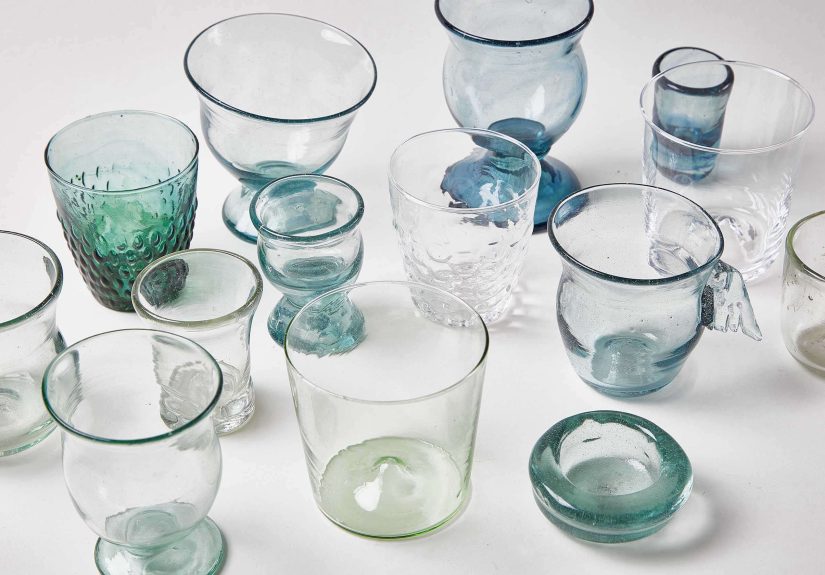
Pastels can look flat if everything is matte. That’s where glass comes in. A footed drinking glass with a sea-glass tint, a honeycomb-pattern tumbler,
or a mouth-blown water glass adds movement and catches candlelight. Bonus: subtle variations in hand-blown pieces make the table feel alive.
5) Linen napkins that look like they have a social life
Skip stiff folds. Try a loose knot, a soft twist, or a casual ring. If you want one easy Easter cue, tuck in a sprig of rosemary, thyme, or a tiny bloom.
(Yes, it’s cute. No, it’s not too cute. It’s herbaceous.)
6) Candlelight, but keep it old-world
Tapers in creamy pastels or chalky neutrals instantly read “holiday” without screaming “theme.” Cluster a few at varied heights. If you’re serving brunch,
candles still workdaytime candlelight is a small luxury that makes everyone feel like they should stop scrolling and start talking.
Centerpieces That Look Italian, Not Fussy
A perfect Italian-inspired centerpiece feels gathered, not arranged. Aim for abundance with restraint: one main element and a few supporting details.
Three centerpiece formulas that rarely fail
- The Market Bouquet: tulips or daffodils in a simple pitcher (or any ceramic vessel you love). Keep stems loose and slightly wild.
- The Herb-and-Citrus Runner: rosemary, thyme, or bay leaves down the center with a few lemons tucked in. It’s fragrant and edible-adjacent.
- The Egg Moment: a low bowl of dyed eggs (soft, natural tones) mixed with a few blossoms. Simple, symbolic, and unmistakably Easter.
A Menu That Matches the Pastels (and the Italian Easter Mood)
The best tables aren’t just pretty; they make the food look inevitable. Here’s a menu approach that pairs naturally with an Il Buco Vita-style setting:
rustic, spring-forward, and built for sharing.
Main-meal menu idea (Easter Sunday)
- Starter: marinated olives, shaved fennel salad, or roasted artichokes
- Centerpiece dish: lamb with spring vegetables (asparagus, mushrooms, artichokes)
- Table “supporting actors”: a savory cheese bread; a bright green salad; roasted potatoes with herbs
- Signature pie option: torta pasqualina (greens, ricotta, eggs) or pizza rustica/pizzagaina (a hearty Easter pie)
- Dessert: colomba plus fruit; espresso; chocolate eggs for the dramatic finale
Pasquetta-inspired plan (the day after)
If you want to feel extremely Italian with minimal effort, make Monday’s plan “leftovers, but outdoors-ish.”
Pack slices of Easter pie, a few oranges, leftover bread, and something bubbly. Eat it on a balcony, porch, park bench, or near an open window while
telling yourself it counts as a picnic. (It does.)
High-Low Hosting Tips (So This Doesn’t Turn Into a Shopping Trip Disguised as a Holiday)
- Pick one hero category: plates or glasses or linens. Then use what you already own for the rest.
- Repeat shapes, vary color: consistent silhouettes feel calm even when hues change.
- Use “imperfect” as a design principle: a slightly wobbly bowl + crisp linen = the sweet spot.
- Keep the centerpiece low: if people can’t see each other, they’ll start talking to the bread basket instead.
- Let food be decor: a lemon tart, a bowl of eggs, or a big salad can replace half your styling effort.
Common Pastel Table Mistakes (and How to Fix Them Fast)
Mistake: Everything is pastel
Fix: Add one grounding elementdark terracotta, deep green, walnut wood, or black clay.
Mistake: The table feels “themed”
Fix: Remove anything that looks like it came with ears. Replace with herbs, citrus, or simple flowers.
Mistake: It’s pretty but not practical
Fix: Clear space. A beautiful table still needs room for elbows, plates, and that one relative who gestures like they’re conducting an orchestra.
Experiences: of “Il Buco Vita Easter Table” Real-Life Moments
Imagine you’re setting the table the morning of Easter, and the light is doing that spring thing where it looks like it’s been filtered through a soft
watercolor wash. You lay down linenmaybe it’s ironed, maybe it’s “artistically relaxed.” Either way, the table immediately feels like a place where time
can slow down. That’s the first experience this style delivers: permission to be unhurried.
Next comes the ceramics. If you’ve ever used truly handmade plates, you know the tiny surprise that happens when you stack them: they don’t click into a
perfectly uniform tower, because each one is a slightly different expression of the same idea. The first time you notice it, you might think,
“Wait… is this okay?” Then you realize it’s more than okayit’s charming. The table feels less like a showroom and more like it belongs to a person who
actually eats. That’s the second experience: beauty that doesn’t demand perfection.
When you add pastel tonesdusty sage, dove gray, a gentle plumyou’ll feel the mood shift. People often relax around soft color. It reads as welcoming,
especially when you balance it with wood, herbs, and candlelight. Even the conversation changes: guests start pointing out details (“This glass is so
prettywhy does it look different from mine?”) and suddenly everyone is talking about craft, travel dreams, and the best thing they ate this spring.
That’s the third experience: your table becomes a conversation starter without being a performance.
The food lands on the table and, weirdly, it looks better than usual. Not because you cooked differently, but because the setting gives the meal a frame.
A lamb dish with spring vegetables feels more vibrant next to muted ceramics. A slice of Easter pie looks more special on a plate with a hand-glazed rim.
Even a simple bowl of dyed eggs becomes a centerpiece. And if someone brings a store-bought dessert, it still looks intentionalbecause the table has a
cohesive mood, not a rigid matching set. That’s the fourth experience: everything looks elevated, even the shortcuts.
Finally, the best part happens after the “main event.” Plates linger. Someone pours another coffee. A taper candle burns down a little lower. People pick
at the last chocolate eggs and talk longer than they planned. The table doesn’t feel like it’s waiting to be cleared; it feels like it’s doing its job:
holding the gathering together. That’s the fifth experienceand the most Italian, honestly: a table designed for lingering. If you wake up
the next day and decide to eat leftovers “picnic-style” near an open window, you’ll realize the pastel Easter table wasn’t just décor. It was a small
ritualsoft color, real craft, good food, and the reminder that spring is allowed to be gentle.
Conclusion
Il Buco Vita’s pastel Easter table isn’t about being preciousit’s about being present. The palette is soft, but the materials are grounded. The pieces
are beautiful, but they’re meant to be used. When you mix handmade ceramics, recycled glass, relaxed linens, candlelight, and spring-forward food, you get
a table that feels Italian in the ways that matter: warm, tactile, and made for staying awhile.