Table of Contents >> Show >> Hide
- The Direct Answer
- What Caviar Actually Is (and Why the Name Confuses People)
- Why Caviar Is Not Vegetarian
- Why Caviar Is Not Vegan
- What About Pescatarians?
- Labeling and Grocery-Store Confusion
- Nutrition: Why People Eat It (Besides Feeling Fancy)
- Ethics, Sustainability, and the Modern Caviar Conversation
- Vegan Caviar Alternatives: What They Are and How They Compare
- FAQs
- Conclusion
- Experience-Based Examples: Real-Life Situations People Run Into (About )
If you’ve ever stared at a fancy appetizer menu and thought, “Wait… caviar is just eggs, so is it vegetarian?” you are absolutely not alone. Food labels can get weird fast, especially when luxury ingredients, restaurant marketing, and different eating styles all collide on one tiny toast point.
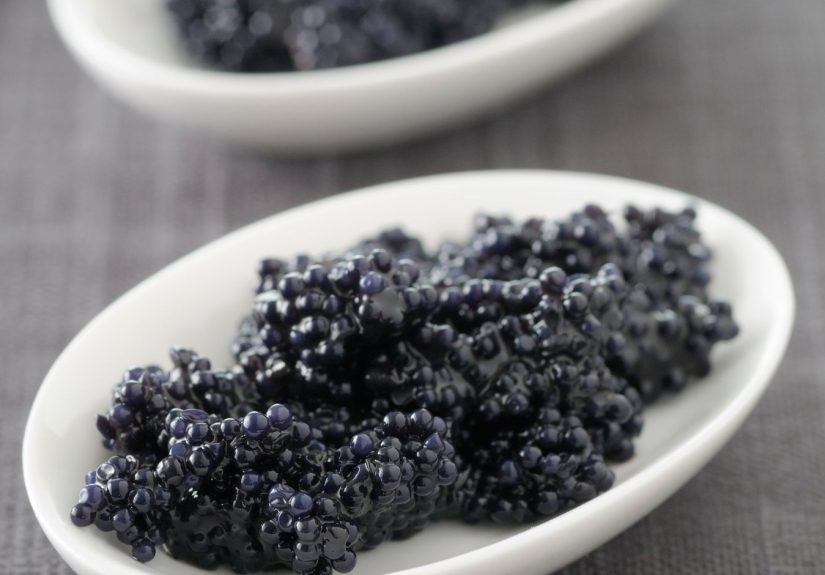
Here’s the short answer: real caviar is not vegetarian and not vegan. Caviar is fish roe (eggs), typically from sturgeon, so it comes from an animal. That places it outside both vegan diets and standard vegetarian diets. However, it may fit a pescatarian diet, and there are also plant-based products marketed as “vegan caviar” that are made from seaweed or other non-animal ingredients.
Now let’s unpack the details because this question has more layers than a seven-course tasting menu.
The Direct Answer
Is caviar vegetarian?
No. Standard vegetarian diets exclude seafood and fish. Since caviar is fish eggs, it is not considered vegetarian.
Is caviar vegan?
Definitely no. Vegan diets avoid all animal-derived foods. Real caviar comes directly from fish, so it is not vegan.
What about “vegan caviar” sold in stores?
That’s a different product. “Vegan caviar” is usually a plant-based substitute made from seaweed, alginate, agar, or other ingredients designed to mimic the pop, color, and briny taste of fish roe. It is not traditional caviar, but it can be a great alternative for vegans, vegetarians, and curious snackers who want the vibe without the fish.
What Caviar Actually Is (and Why the Name Confuses People)
Caviar is a specialty food made from salt-cured fish eggs (roe). In strict culinary and regulatory usage, “caviar” usually refers to roe from sturgeon. In everyday marketing, though, you’ll also see labels like “salmon caviar” or “whitefish caviar,” which can blur the lines for shoppers.
That confusion matters because someone might think:
- “Eggs can be vegetarian in some diets…”
- “This is just a garnish, so maybe it doesn’t count…”
- “It says ‘vegan caviar,’ so maybe caviar can be vegan?”
Totally fair questions. But real caviar is still fish roe, and fish are animals. So from a diet-classification standpoint, the answer stays the same.
Why Caviar Is Not Vegetarian
Many people who follow a vegetarian diet avoid meat but still eat dairy and eggs (lacto-ovo vegetarian). That can make caviar seem like a gray area at first glance. But there’s an important difference: caviar is not chicken eggs in the dietary sense people usually mean when they say “I eat eggs.” It is seafood fish roe and vegetarian diets generally exclude seafood.
In other words, caviar falls into the same category as:
- Fish fillets
- Shrimp
- Oysters
- Anchovies
- Other fish roe like tobiko or salmon roe
If a person personally chooses to eat fish or fish eggs while still using the label “vegetarian,” that is their own choice but it is not the standard dietary definition used by most health organizations, dietitians, or food guides.
Why Caviar Is Not Vegan
Vegan diets avoid foods derived from animals. Since real caviar is harvested from fish roe, it is automatically excluded.
Even if someone argues that roe is “just eggs” or that the eggs may be unfertilized, the vegan definition still focuses on whether the food is animal-derived. Fish are animals, and caviar is a fish product. End of story (a very salty, expensive story, but still the end).
Also, many vegans avoid caviar for ethical reasons beyond ingredient lists, including concerns about animal welfare and the environmental impact of wild harvesting or unsustainable aquaculture. That said, sourcing varies widely today, and some caviar is farmed under stricter standards than in the past which is one reason the conversation gets nuanced.
What About Pescatarians?
This is where caviar often does fit.
A pescatarian diet generally includes fish and seafood while avoiding other meats like beef, pork, and chicken. Because caviar is a fish product, it is usually considered pescatarian-friendly (assuming the person also eats roe and agrees with the sourcing).
So if you’re sorting a dinner party menu, this quick guide helps:
- Vegan: No real caviar
- Vegetarian: No real caviar
- Pescatarian: Usually yes
- Omnivore: Yes, unless avoiding fish/roe for personal reasons
Labeling and Grocery-Store Confusion
One reason this question keeps coming up is that the word “caviar” appears on products that are not traditional sturgeon caviar. You may see:
- Sturgeon caviar (traditional caviar)
- Salmon caviar / whitefish caviar / lumpfish caviar (other fish roe prepared in a similar style)
- Vegan caviar (plant-based imitation)
- Eggplant caviar (a vegetable spread in some cuisines yes, food naming is chaos and we love it)
So the smartest move is simple: read the ingredient list. If it contains fish roe, roe extract, or fish ingredients, it is not vegetarian or vegan. If it is made from seaweed or other plant ingredients, it may be suitable but check for other non-vegan ingredients too.
Quick label-check checklist
- Look for the words roe, fish eggs, or a fish species name
- Check allergen statements (fish is a major red flag for vegans/vegetarians)
- Don’t rely only on the front label “caviar-style” can mean different things
- If dining out, ask: “Is this real fish roe or a plant-based caviar substitute?”
Nutrition: Why People Eat It (Besides Feeling Fancy)
Caviar is often eaten in small amounts, but it is nutrient-dense. Depending on the type and preparation, it can provide protein, healthy fats, vitamin B12, selenium, and other micronutrients. It also tends to be high in sodium, since salt-curing is part of the process.
For example, a tablespoon of granular caviar can deliver a modest amount of calories and protein, along with notable sodium and cholesterol. That makes it more of a small-portion indulgence than an everyday “sprinkle it on everything” food for most people (unless your grocery budget is the stuff of legend).
Some data sources also show that caviar contains omega-3 fatty acids, including DHA. That’s part of why caviar is sometimes discussed as a nutrient-rich seafood item even though most people consume it in tiny portions.
Bottom line: nutritionally interesting? Yes. Vegan or vegetarian? Still no.
Ethics, Sustainability, and the Modern Caviar Conversation
Caviar has a complicated history. Sturgeon populations were heavily pressured by overfishing and habitat loss, and the caviar trade has long been tied to conservation concerns and international regulation. That history is one reason many shoppers today care about sourcing, species, and whether a product is farmed or wild.
Modern caviar markets include farmed products, and some producers emphasize traceability and sustainability. At the same time, regulations and international trade controls remain an important part of the industry. If you eat caviar and care about conservation, it’s worth asking where the product comes from and whether the seller provides sourcing details.
If you’re vegetarian or vegan for ethical reasons, plant-based caviar alternatives can be a more aligned choice. Many are made to mimic the visual look and salty pop of roe, and they can work surprisingly well for canapés, sushi-style bites, deviled eggs, and fancy brunch spreads.
Vegan Caviar Alternatives: What They Are and How They Compare
Plant-based caviar alternatives have come a long way from “small black spheres of mystery.” Many modern versions are made with seaweed and designed to imitate the briny flavor and bead-like texture of fish roe.
Common ingredients in vegan caviar alternatives
- Seaweed or kelp extracts
- Alginate (often used for gel-like pearls)
- Agar
- Seasonings for briny/umami flavor
- Coloring from plant-based sources or food-safe color additives
How it compares to real caviar
- Texture: Can mimic the “pop,” but usually softer or more uniform
- Flavor: Briny and savory, but less complex than premium sturgeon caviar
- Cost: Usually much cheaper
- Diet fit: Often vegan-friendly (check labels)
- Use case: Great for presentation, appetizers, and plant-based entertaining
If your goal is “I want the elegant garnish experience without fish,” vegan caviar is your friend. If your goal is “I want the exact taste of premium osetra,” you may find the substitute is more of a stylistic match than a perfect flavor clone which is honestly fine. Plenty of foods are delicious without being a carbon copy.
FAQs
Can vegetarians eat fish eggs?
By standard definitions, no. Fish eggs (including caviar) are seafood and are not considered vegetarian.
Is caviar considered an animal product?
Yes. Real caviar is fish roe, which is an animal-derived food product.
Is “vegan caviar” real caviar?
No. It is a plant-based substitute designed to resemble caviar in appearance and texture.
Is roe the same as caviar?
Not exactly. Roe is the general term for fish eggs. Caviar is a specific type of prepared roe (traditionally sturgeon roe, especially in stricter usage).
Can caviar ever be vegan if it is lab-made?
Potential future food technologies may create new categories, but in current everyday food use, “real caviar” means fish roe and is not vegan. If a product is vegan, it is typically labeled as a caviar alternative or vegan caviar.
Conclusion
So, is caviar vegetarian or vegan? No to both. Real caviar is fish roe, which makes it a seafood product and an animal-derived food. It may fit a pescatarian diet, but it does not fit standard vegetarian or vegan diets.
If you want the caviar look and briny flair without the fish, plant-based “vegan caviar” alternatives can be a smart, fun substitute. The key is to ignore the marketing drama, read the ingredient list, and match the product to your actual eating style. Fancy food decisions become much easier when you let the label do the talking.
Experience-Based Examples: Real-Life Situations People Run Into (About )
One of the most common real-world experiences around this topic happens at restaurants especially at weddings, cocktail parties, or “chef’s tasting” events where caviar shows up as a garnish instead of the star ingredient. A guest orders a potato bite, deviled egg, or blini because it looks vegetarian, only to realize the tiny black pearls on top are fish roe. It’s a classic “I thought it was seasoning” moment. This is why asking one simple question (“Is that real caviar or plant-based?”) can save a lot of awkwardness and a lot of accidental seafood.
Another common experience happens while grocery shopping. A person trying to buy something special for a vegan friend spots a jar labeled “caviar” and assumes it’s off-limits. Then right next to it is a product labeled “vegan caviar” made from seaweed pearls. Same word, totally different food. The lesson most people learn pretty quickly is that the front of the package is marketing; the back of the package is truth. Once shoppers start checking ingredient lists and allergen statements, the confusion drops fast.
There’s also the “family dinner debate” experience, which is honestly a whole genre. Someone says, “But vegetarians eat eggs, so caviar should be fine, right?” Then another person says, “No, it’s fish eggs that’s seafood.” This conversation pops up because many people use diet labels casually, while nutrition and food-service definitions are more specific. In practice, the disagreement usually disappears once the group separates lacto-ovo eggs (like chicken eggs) from fish roe (seafood). Same word category in everyday speech (“eggs”), but very different dietary classification.
People who host parties also run into a practical version of this issue. They want an elegant spread that includes options for omnivores, pescatarians, vegetarians, and vegans without making four separate menus and a spreadsheet (tempting, but unnecessary). A common solution is to serve real caviar in one clearly labeled dish and a plant-based caviar alternative in another, with separate serving spoons. Guests appreciate the clarity, and the host avoids the dreaded “Wait, I thought this one was vegan?” moment.
Then there’s the taste-test experience. Some people try vegan caviar expecting a perfect replica of premium sturgeon caviar and feel underwhelmed. Others try it expecting “salty seaweed bubbles” and end up pleasantly surprised by how good it looks on canapés and how well it works for texture and presentation. The most successful approach is to treat vegan caviar as its own ingredient: a fun, briny garnish that can deliver a similar visual and culinary role, even if it doesn’t match every nuance of traditional caviar.
In short, the experience-based takeaway is simple: most confusion happens because caviar is often served in tiny amounts, labeled inconsistently, or discussed with fuzzy diet terms. Once people learn that real caviar = fish roe, and vegan caviar = plant-based imitation, they make better choices with a lot less stress and they can still enjoy a fancy snack without turning the appetizer table into a philosophy seminar.