Table of Contents >> Show >> Hide
- What Is Yellow Rice, Exactly?
- Is Yellow Rice Healthy?
- Yellow Rice and Blood Sugar
- Yellow Rice and Weight Management
- Does the Turmeric Make Yellow Rice a Superfood?
- Is Brown Yellow Rice Better Than White Yellow Rice?
- What About Sodium and Heart Health?
- Who Should Be More Careful With Yellow Rice?
- How to Make Yellow Rice Healthier
- Real-Life Experiences With Yellow Rice: What People Usually Notice
- Final Verdict
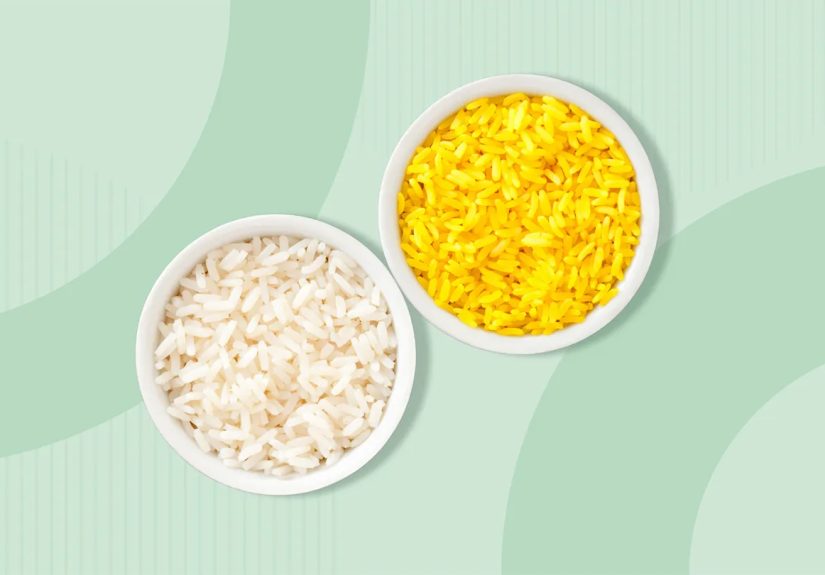
Yellow rice looks like it has its life together. It is bright, cheerful, and far more exciting than plain white rice sitting quietly in the corner like it forgot its own birthday. But does that sunny color mean it is actually good for you? Not necessarily. The color helps with the vibe, but the nutrition story depends on what the rice is made from, how it is seasoned, and what else is happening in the bowl.
In many kitchens, yellow rice is simply rice cooked with spices that give it a golden color. Turmeric is a common choice, saffron shows up in fancier versions, and some recipes use annatto or seasoning blends. That means yellow rice is not a single fixed food with one nutritional profile. It is more like a category. One version can be a wholesome side dish with olive oil, garlic, and vegetables. Another can be a boxed mix carrying enough sodium to make your water bottle feel personally challenged.
So, is yellow rice healthy for you? It can be. In the right form, it fits easily into a balanced diet. In the less-helpful form, it is still not a villain, but it is more of a “nice occasionally” food than an everyday nutrition hero. The trick is knowing which version you are eating and what your body actually needs from a meal.
What Is Yellow Rice, Exactly?
Yellow rice usually starts with a simple base: rice, liquid, seasoning, and a yellow coloring ingredient from spices. The rice itself may be long-grain white rice, basmati, jasmine, or brown rice. The flavoring can include onion, garlic, broth, salt, butter, or oil. In homemade versions, the ingredient list is often short and recognizable. In packaged versions, there may be more sodium and extra flavoring ingredients packed into a seasoning pouch.
This matters because the yellow color is not the main thing deciding whether the dish is healthy. The rice type matters more. White rice is a refined grain, so it is usually lower in fiber than brown rice. However, many white rice products in the United States are enriched, which means certain B vitamins and iron are added back after processing. Brown rice keeps more of the bran and germ, so it naturally brings more fiber and a broader nutrient profile to the table.
Translation: yellow rice made with brown rice has a different health profile than yellow rice made with white rice, even if both are equally pretty on your plate.
Is Yellow Rice Healthy?
Yellow rice can absolutely be part of a healthy eating pattern. It gives you carbohydrates for energy, and depending on the ingredients, it may also provide small amounts of vitamins, minerals, and beneficial plant compounds from spices. But the overall answer depends on four big factors: the rice base, the sodium level, the fat used in cooking, and the portion size.
When Yellow Rice Is a Smart Choice
Yellow rice works well in a meal when it is prepared with moderate amounts of oil, sensible seasoning, and a balanced plate around it. A serving of yellow rice next to grilled chicken, black beans, roasted vegetables, or salmon can make a satisfying meal that includes protein, carbohydrates, and fiber. That combination matters because rice by itself is mostly a carbohydrate food. Pairing it with protein and produce gives it backup singers, and every good lead needs backup singers.
Homemade yellow rice can be especially reasonable because you control the salt and fat. Use brown rice or a brown-and-white blend, cook it in low-sodium broth, add garlic and onion for flavor, and the dish becomes much more nutrient-friendly without turning into cardboard.
When Yellow Rice Is Less Healthy
Yellow rice becomes less impressive when it is made from refined white rice, heavily salted broth, or boxed seasoning mixes loaded with sodium. Some restaurant and packaged versions also add a good amount of oil or butter. That can push a side dish from “perfectly fine” into “surprisingly heavy for something that looked so innocent.”
If you are watching your blood pressure, sodium may be the biggest issue. The color is not the problem. The seasoning packet is often the plot twist. If you are watching your blood sugar, then the main consideration is the carbohydrate load, especially if the rice is made with white rice and served in a large portion without protein or fiber alongside it.
Yellow Rice and Blood Sugar
Rice is a starch, which means it can raise blood glucose. That does not mean rice is off-limits for everyone. It means context matters. White-rice-based yellow rice is generally digested faster than brown rice, so it may have a stronger effect on blood sugar, especially when eaten in a big serving on its own.
If you want yellow rice to be friendlier to blood sugar, a few simple moves help. Keep the portion moderate. Pair it with beans, lentils, chicken, fish, tofu, or eggs. Add vegetables, especially non-starchy ones like peppers, broccoli, spinach, or salad greens. The more balanced the plate, the less likely the meal becomes a one-way ticket to the afternoon slump.
For people with diabetes or insulin resistance, yellow rice does not need to disappear from life forever. It just tends to work better as part of a meal than as the whole event. A scoop of yellow rice in a bowl with grilled shrimp, avocado, pico de gallo, and sautéed vegetables is a very different experience from a giant mound of rice with little else going on.
Yellow Rice and Weight Management
Yellow rice is not inherently fattening. Foods do not secretly gather at night and decide to sabotage your goals. What matters most is total calorie intake, portion size, and how filling the meal is. Rice can fit into a weight-loss plan or a weight-maintenance plan just fine. The catch is that refined rice is less filling than higher-fiber grains, beans, or vegetables, so it is easier to eat a lot of it quickly.
If you have ever eaten a mountain of yellow rice and felt hungry again soon after, that is not your imagination. Lower-fiber grains tend to satisfy you for less time than meals built with more fiber and protein. A practical fix is to shrink the rice portion slightly and build up the rest of the plate. Think half a cup to one cup of cooked yellow rice, then add protein and vegetables generously. Your stomach will probably send a thank-you card.
Does the Turmeric Make Yellow Rice a Superfood?
Turmeric has a healthy reputation, and fair enough: it contains compounds that have been studied for possible health effects. But this is where marketing and reality sometimes stop speaking to each other. A modest amount of turmeric in yellow rice can add flavor and a little nutritional interest, but it does not automatically transform the dish into a miracle food.
The spice is a nice bonus, not a nutrition loophole. If the rice is still made with refined grains, heavy salt, and lots of added fat, the turmeric does not arrive wearing a cape and fix everything. Think of it as a helpful supporting actor, not the entire cast.
Saffron-based yellow rice has a similar story. It can add aroma and elegance, but “expensive” is not a nutrition category. The healthiest version still depends on the overall recipe.
Is Brown Yellow Rice Better Than White Yellow Rice?
In general, yes. Brown yellow rice usually offers more fiber and tends to be more filling. That makes it a stronger choice for digestive health, steadier energy, and overall satiety. If your goal is better nutrition from the same basic dish, switching from white rice to brown rice is one of the easiest upgrades you can make.
That said, white yellow rice is not nutritionally useless. Enriched white rice can still contribute B vitamins and iron, and some people prefer it because it is softer, lighter, and easier to digest. For athletes, people with sensitive stomachs, or anyone who simply likes the texture, white yellow rice can still fit into a healthy pattern. It just helps to build the rest of the meal wisely.
If you want the middle ground, try mixing brown and white rice together. You get better texture than all-brown rice, more fiber than all-white rice, and fewer complaints from family members who act like brown rice is a personal insult.
What About Sodium and Heart Health?
This is where yellow rice can get sneaky. Homemade yellow rice with herbs and spices may be fairly moderate in sodium. Packaged yellow rice or restaurant rice can be a different story. Broth, bouillon, seasoning packets, and salted butter can all drive the sodium content up fast.
If you are trying to support heart health or manage high blood pressure, yellow rice is still possible. Just make it at home more often, use low-sodium broth, and taste before adding extra salt. Garlic, onion, cumin, paprika, parsley, lemon, and pepper can do a lot of heavy lifting without asking sodium to dominate the conversation.
It also helps to remember serving size. A standard grain serving is smaller than what many restaurants hand over. When a side dish arrives looking like it could feed a softball team, that is your clue that the portion may need editing.
Who Should Be More Careful With Yellow Rice?
If you have diabetes, prediabetes, or blood sugar concerns, pay attention to portion size and pair yellow rice with protein and fiber. If you have high blood pressure, focus on sodium. If you are trying to lose weight, watch how much rice lands on the plate and how much oil went into the pan.
If you eat rice constantly, it is also smart to vary your grains from time to time. Oats, quinoa, barley, farro, bulgur, and other grains can bring more fiber and variety to your routine. Plus, variety makes meals less boring, and boredom is one of the fastest ways to end up eating the same beige food every day while pretending that counts as meal planning.
How to Make Yellow Rice Healthier
The healthiest yellow rice is usually the one you make yourself. Start with brown rice or a brown-white blend if you want more fiber. Use turmeric, garlic, onion, cumin, and a little olive oil for flavor. Choose low-sodium broth or even plain water if the other seasonings are strong enough. Stir in peas, bell peppers, or carrots. Serve it with beans, chicken, fish, tofu, or another protein source.
You can also turn yellow rice from side dish into full meal in a smart way. Add black beans, roasted vegetables, and grilled shrimp. Mix in chickpeas and spinach for a plant-based bowl. Top it with salsa and a squeeze of lime. Suddenly the rice is not just a pile of starch; it is part of a meal with actual balance and personality.
Real-Life Experiences With Yellow Rice: What People Usually Notice
In real life, yellow rice tends to be one of those foods that teaches people nutrition lessons without announcing that it is doing so. It shows up at family dinners, restaurant lunches, meal-prep Sundays, and holiday tables. Most people do not sit down and ask, “What is the glycemic impact of this side dish?” They ask whether it tastes good and whether they feel decent afterward. Fair enough. That is usually where the real education starts.
A common experience is that homemade yellow rice feels lighter and more balanced than boxed yellow rice, even when both look similar. Someone makes a simple version at home with rice, turmeric, onion, garlic, olive oil, and a little salt. They eat it with grilled chicken and vegetables and feel satisfied. Then they buy a packaged version on a busy weeknight, eat a large portion, and later feel thirsty, puffy, or strangely hungry again. That difference often comes down to sodium, portion size, and the rest of the plate. Same yellow color, very different outcome.
Another frequent experience is that yellow rice feels more “healthy” than plain white rice because the spice makes it seem special. And to be fair, it often is a little more interesting. But people are sometimes surprised to learn that the color alone does not dramatically change the nutrition profile. If the base is still refined white rice, then it is still mostly a carb-rich side dish. That realization is not bad news. It simply helps people make smarter choices, like serving it with beans, salmon, or a pile of roasted vegetables instead of treating it like the entire meal.
People who switch to brown yellow rice often report one very unglamorous but useful benefit: they stay full longer. It is not a fireworks moment. Nobody usually stands up from the table and shouts, “At last, satiety!” But the difference shows up later, when they are not rummaging through the pantry an hour after dinner looking for snacks that “accidentally” become a second dinner. That is one of the quiet strengths of more fiber.
There is also the athlete or busy-worker version of the story. Some people actually prefer white yellow rice because it is easier to digest and works well before or after exercise. In that case, yellow rice can be a practical energy food rather than a nutritional mistake. The experience there is not about making the dish lower-carb or higher-fiber. It is about using it intentionally. A moderate serving with lean protein can do the job well.
Then there is the family-table experience, which may be the most relatable of all. One person wants healthier meals. Another wants comfort food. A third person thinks any grain that is not white rice is suspicious. Yellow rice often becomes the compromise dish because it feels festive, familiar, and flexible. Families add peas, beans, chicken, or vegetables. Some keep it classic. Others lighten it up. That flexibility is part of why yellow rice sticks around. It can adapt without becoming weird.
The most useful takeaway from real-life experience is simple: people tend to do best with yellow rice when they stop labeling it as either “health food” or “junk food.” It is neither. It is a rice dish. It can support your goals, ignore your goals, or actively heckle your goals depending on how you make it and how much you eat. Once people understand that, yellow rice becomes much easier to enjoy without guilt, hype, or nutritional confusion.
Final Verdict
Yellow rice can be healthy for you, but it is not automatically healthy just because it looks sunny and sophisticated. The best versions are homemade, moderately seasoned, and served as part of a balanced meal. Brown yellow rice is generally the stronger nutritional option because it offers more fiber and keeps you fuller longer. White yellow rice can still fit into a healthy diet, especially when portions are reasonable and the rest of the plate includes protein and vegetables.
If you love yellow rice, there is no need for drama. Keep an eye on sodium, watch the portion size, and do not let a seasoning packet make all your decisions for you. Build a balanced meal around it, and yellow rice can absolutely earn a regular place at the table.