Table of Contents >> Show >> Hide
- What Makes It “Japanese Style” (Not Just Peanut Sauce)
- Ingredients You’ll Need
- Japanese Style Garlic Peanut Sauce Recipe
- Three Easy Ways to Use This Sauce
- Variations and Smart Substitutions
- Common Problems (and How to Fix Them Fast)
- Storage Tips
- FAQ
- Kitchen Experiences: The Saucy Moments You’ll Recognize (About )
- SEO Tags
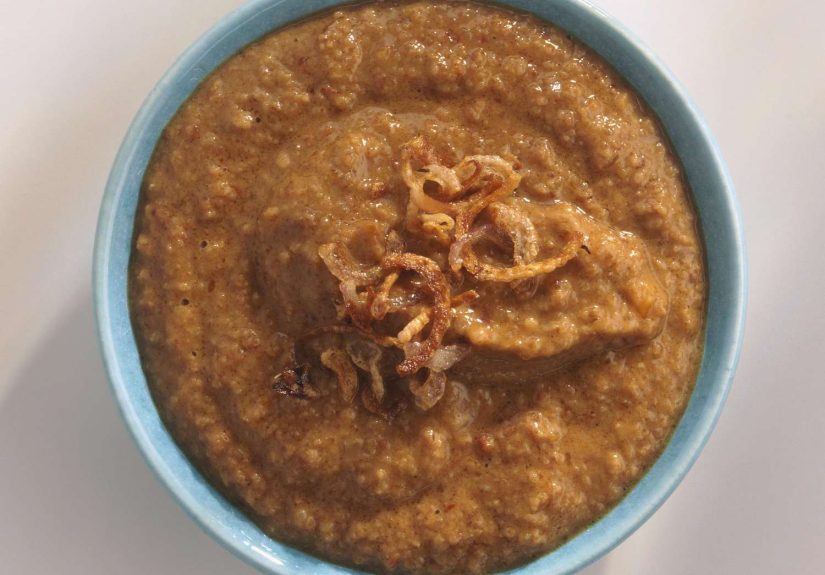
Some sauces are “nice to have.” This one is a “why is this not living in my fridge at all times?” kind of situation. Japanese-style garlic peanut sauce is creamy, nutty, savory-sweet, and just tangy enough to make noodles, roasted vegetables, grilled chicken, or tofu taste like you secretly hired a tiny ramen shop to run your kitchen.
It borrows its soul from Japanese sesame saucesthink goma dare (sesame dipping sauce) and goma dressing (that addictive roasted sesame salad dressing)then adds peanut butter for extra body and garlic for that “hello, flavor” punch. The goal: a sauce that’s balanced and versatile, not a sugar bomb, not a chili paste dare, and not so thick it could patch drywall.
What Makes It “Japanese Style” (Not Just Peanut Sauce)
Classic peanut sauces often lean Southeast Asian with lime, fish sauce, coconut milk, or curry notes. A Japanese-leaning version usually pivots to ingredients you’ll see in homey Japanese condiments and noodle sauces:
- Roasted sesame flavor (from nerigoma or tahini, plus toasted sesame oil)
- Soy sauce for salt and deep umami
- Rice vinegar for clean tang (not sharp, not funky)
- Mirin or sugar for gentle sweetness and gloss
- White miso (optional, but excellent) for savory richness
- Dashi or warm water to thin the sauce so it coats instead of clumps
In other words, this sauce plays nicely with Japanese pantry staples and tastes “at home” on soba, udon, cabbage salad, or grilled eggplant.
Ingredients You’ll Need
The creamy base
- Peanut butter (smooth is easiest; crunchy is fun if you like texture)
- Japanese sesame paste (nerigoma) or tahini (nerigoma is toastier; tahini works great)
The salty-tangy backbone
- Soy sauce (or tamari for gluten-free)
- Rice vinegar (unseasoned if possible)
- Mirin (or sugar; see substitutions below)
- Toasted sesame oil (a little goes a long way)
The “make it interesting” crew
- Garlic (grated or microplaned for maximum flavor with minimal chunks)
- Ginger (optional, but great with noodles)
- White miso (optional, adds savory depth)
- Dashi or warm water (for consistency)
Optional toppings and upgrades
- Shichimi togarashi or chili oil (heat)
- Toasted sesame seeds (extra aroma)
- Scallions (fresh bite)
- Mayonnaise (for a “goma dressing” vibecreamy, slightly sweet, very snackable)
Japanese Style Garlic Peanut Sauce Recipe
Yield: about 3/4 cup (enough for 4 bowls of noodles or a big salad)
Time: 10 minutes (5 if your garlic behaves)
Skill level: whisk enthusiast
Ingredients
- 3 tablespoons smooth peanut butter
- 2 tablespoons Japanese sesame paste (nerigoma) or tahini
- 1 tablespoon soy sauce (or tamari)
- 1 tablespoon rice vinegar
- 1 tablespoon mirin or 2 teaspoons sugar + 2 teaspoons warm water
- 1 teaspoon toasted sesame oil
- 1 small garlic clove, finely grated (or 1/2 large clove if it’s a monster)
- 1 teaspoon white miso (optional)
- 1/2 teaspoon grated ginger (optional)
- 2 to 5 tablespoons warm water or warm dashi, to thin
- Optional: 1/2 teaspoon chili oil or a pinch of shichimi togarashi
Instructions
- Start with the pastes. In a medium bowl, whisk the peanut butter and sesame paste until smooth. If your peanut butter is stubborn, warm it for 10 seconds in the microwave first.
- Dissolve the sweetness. Whisk in mirin (or sugar + warm water) until the mixture loosens and looks glossy.
- Add the salty-tangy stuff. Whisk in soy sauce and rice vinegar.
- Bring in the aromatics. Add grated garlic, and (if using) miso and ginger. Whisk until fully blended.
- Thin to the right consistency. Add warm water or warm dashi 1 tablespoon at a time, whisking between additions. Stop when the sauce pours easily and coats a spoonthink “salad dressing that also loves noodles.”
- Taste and tune. See the quick “balance checklist” below.
Balance checklist (because sauce has feelings)
- Too thick? Add more warm water/dashi.
- Too salty? Add a splash more water and a little mirin/sugar.
- Too sweet? Add 1/2 teaspoon more vinegar.
- Not punchy enough? Add a pinch of salt or an extra 1/4 clove of garlic (carefully).
- Want more “Japanese sesame” character? Add 1 teaspoon toasted sesame seeds or 1/2 teaspoon extra sesame oil.
Three Easy Ways to Use This Sauce
1) Cold soba or udon bowl (the “I can’t believe I made this” lunch)
Toss cooked, chilled soba or udon with a few spoonfuls of sauce, then pile on shredded cucumber, carrots, edamame, and scallions. Add a soft-boiled egg or tofu, and finish with sesame seeds. If you want it extra Japanese, swap the warm water for warm dashi when thinning the saucesuddenly it tastes like it belongs next to a bamboo mat and a polite bow.
2) Shabu-shabu shortcut dip (no hot pot required)
Traditionally, goma dare is a creamy sesame dipping sauce for hot pot meats and vegetables. This peanut version works the same way: dip quickly blanched cabbage, mushrooms, thinly sliced beef, or even shrimp. Add a few drops of chili oil if you like a little heat with your “dip and repeat.”
3) Roasted vegetable and tofu drizzle (weeknight hero mode)
Roast broccoli, carrots, sweet potatoes, or Japanese eggplant, then drizzle with the sauce right before serving. For tofu, bake or pan-sear until crisp, then spoon the sauce on top. The garlic-peanut-sesame combo turns “healthy dinner” into “why are there no leftovers?”
Variations and Smart Substitutions
No nerigoma? Use tahini (and don’t panic)
Nerigoma is Japanese sesame paste made from roasted sesame seeds, so it tends to be deeper and toastier. Tahini is a perfectly good substitute; your sauce will be slightly milder, but still delicious. If you want to push the toasted flavor, add a little extra toasted sesame oil or toasted sesame seeds.
No mirin? Use the sweetener swap
Mirin brings sweetness and a subtle shine. If you’re out, use sugar (or honey) plus a touch of water to dissolve it, or use rice vinegar plus sugar in a pinch. Keep the sweetness gentle; this sauce is meant to be balanced, not dessert-adjacent.
Gluten-free
Use tamari instead of soy sauce, and double-check labels on miso and any chili oil (some products contain wheat).
Nut-free (peanut allergy friendly)
Swap peanut butter for sunflower seed butter. The flavor changes, but the creamy-salty-tangy structure still works. Treat it like a “sunflower sesame garlic sauce” and carry on with confidence.
Extra creamy “goma dressing” style
Whisk in 1 to 2 tablespoons mayonnaise. This nudges the sauce toward that restaurant-style roasted sesame dressing vibegreat on shredded cabbage, cucumber salads, or as a dip for raw veggies.
Spicy and slurpable
Add 1/2 teaspoon chili oil, a pinch of shichimi togarashi, or a dab of chili crisp. For noodle bowls, thin the sauce a bit more so it clings without turning into paste.
Common Problems (and How to Fix Them Fast)
The sauce looks separated or “curdled”
Don’t worrykeep whisking. Peanut butter and sesame paste can look weird for a moment when you add acidic ingredients, but the mixture usually smooths out as you whisk. Warm water helps everything emulsify and behave.
It’s bitter
This usually comes from too much sesame oil or a bitter tahini. Balance with a little extra sweetener and a splash of water. If it still tastes harsh, add a small spoon of peanut butter to round it out.
It’s bland
Add a pinch of salt or a tiny bit more soy sauce, then add water to keep the consistency right. Flavor loves salt, but noodles hate salt bombsso adjust in small steps.
Storage Tips
- Refrigerate in a sealed jar or container.
- Best within 5–7 days. The flavor stays good, but the sauce may thicken as it chillsjust whisk in warm water to revive it.
- Shake or stir before using. Natural peanut butter and sesame paste can settle.
FAQ
Is peanut sauce actually Japanese?
Peanuts aren’t the classic base for traditional Japanese sesame sauces, but Japanese-style flavors (sesame, soy, vinegar, mirin, miso) adapt beautifully to peanut butter. Think of this as a Japanese pantry twist rather than a museum exhibit.
Can I make it without sesame oil?
You can, but you’ll lose that roasted aroma. If you’re avoiding sesame oil, increase the sesame paste slightly and use toasted sesame seeds (if allowed) to bring back some fragrance.
What’s the best garlic for this?
Fresh, finely grated garlic gives the cleanest flavor and blends smoothly. Minced garlic works too; just expect more bite and little bits. Garlic paste is convenient, but check the labelsome are salty or sour, which can throw off your balance.
Can I use it as a marinade?
Yesespecially for tofu, chicken thighs, or shrimp. Thin it slightly, coat your protein, and let it sit 15–30 minutes. Because it contains sugar/mirin, watch the heat so it doesn’t scorch.
Kitchen Experiences: The Saucy Moments You’ll Recognize (About )
Here’s the funny thing about a “simple” sauce: the moment you make it once, your kitchen starts treating it like a regular. Suddenly you’re planning meals around a jar of garlicky peanut-sesame goodness like it’s the VIP guest at dinner.
It usually begins on a weeknight. You meant to cook something ambitious, but the day had other plans. You open the fridge, see a lonely cucumber and half a bag of shredded cabbage, and consider eating cereal for dinner. Then you remember this sauce. Ten minutes later, those sad veggies are doing a full runway walk on top of noodles. Add leftover rotisserie chicken or a soft-boiled egg andboomyou’ve got a bowl that looks intentional.
Then comes the “accidental potluck flex.” You bring a crunchy cabbage slaw dressed with Japanese-style garlic peanut sauce, and people assume you bought it from a fancy deli. Someone asks, “What’s in this?” You say “peanut butter” and they blink twice, because their brain wasn’t ready for peanut butter to show up wearing a sesame tuxedo. Next thing you know, you’re texting the recipe to three people while trying to guard the last scoop for yourself.
Another classic moment: the sauce becomes your “I can make vegetables taste like takeout” button. Roasted broccoli? Better. Blistered green beans? Better. Pan-seared tofu that would otherwise taste like pure good intentions? Way better. You’ll start drizzling it over anything remotely grillable, roastable, or stir-fry-adjacent. It’s not that the sauce solves all problems, but it definitely solves “I don’t want to chew another plain salad.”
And yes, the sauce will thicken in the fridge. This is not failure; it’s just peanut butter being peanut butter. The next day you’ll open the jar and find it has the consistency of frosting. Add warm water a tablespoon at a time, whisk, and suddenly it’s back to silky. This little ritualloosen, whisk, tastefeels oddly satisfying, like you’re restoring a tiny edible masterpiece.
If you like experimenting, you’ll also notice how small tweaks change the personality of the sauce. More vinegar makes it brighter and more “salad dressing.” More sesame paste makes it taste closer to classic goma sauces. A dab of miso makes it deeper and more savory. A pinch of chili turns it into a noodle-night dare. Even the garlic has a mood: raw and bold right away, mellow and blended after a few hours in the fridge.
Finally, there’s the best experience of all: the sauce teaches you balance. Not in a zen-monk way (though sure, why not), but in a practical, delicious way. You taste, you adjust, you learn what you like. That’s the real magic. The recipe is the starting line; your version is the finish.