Table of Contents >> Show >> Hide
- What Exactly Is the Cabin Rug?
- Cabin Rug Aesthetic: Casual Cabin Meets California Cool
- Materials & Quality: What You’re Actually Paying For
- Where the Cabin Rug Works Best in Your Home
- How the Cabin Rug Compares to Other Neutral Rugs
- Care, Cleaning, and Longevity
- Is the Cabin Rug Worth the Investment?
- 500-Word Experience Section: Living with the Jenni Kayne x Lulu Georgia Cabin Rug
- Conclusion
If you’ve ever scrolled past a dreamy, sun-washed bedroom on Instagram and thought, “Okay, but what’s that rug?” there’s a good chance you were looking at the Jenni Kayne x Lulu and Georgia Cabin Rug. It’s one of those pieces that quietly steals the showcreamy, textured, and calm, like a cozy cabin floor just decided to dress up for the city. In this guide, we’ll unpack what makes the Cabin Rug special, how it compares to other high-end area rugs, and how to style and care for it so it actually lives up to the hype (and the price tag).
What Exactly Is the Cabin Rug?
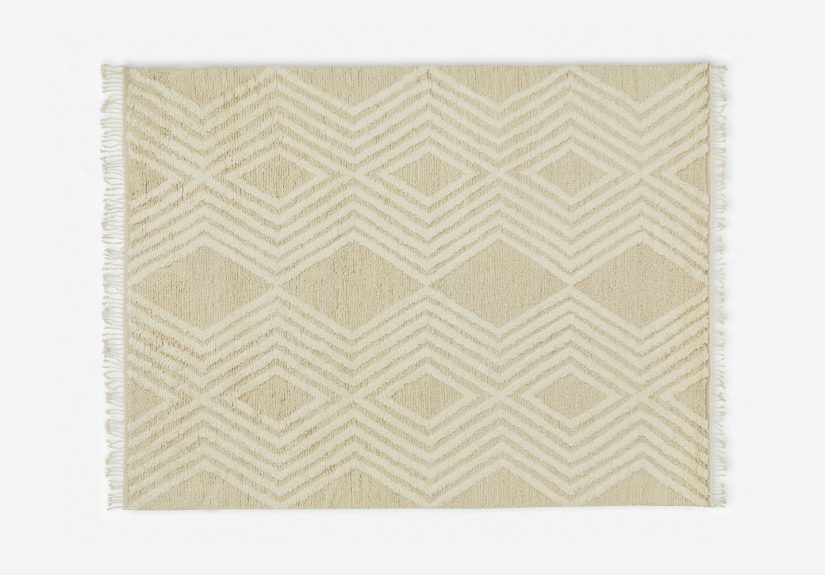
The Cabin Rug is a collaboration between California lifestyle brand Jenni Kayne and online interiors retailer Lulu and Georgia. It’s a hand-knotted wool rug with a subtle geometric pattern and fringe along one edge, inspired by traditional Moroccan rugs but dialed down into soft, neutral tones.
Key details that define the Cabin Rug:
- Material: Pile of 100% New Zealand wool with a backing blend of about 95% wool and 5% nylon, giving it structure and durability.
- Construction: Hand-knotted by artisans in Indiathis isn’t a quick machine-loomed piece but a rug that takes time and skilled hands to produce.
- Look: Neutral geometric pattern with a raised, plush texture and fringe, designed to bring dimension without shouting for attention.
- Sizes: Commonly sold in 8′ x 10′ and 9′ x 12′, ideal for anchoring a living room or bedroom.
- Price point: A true investment rug, typically over $2,000 for large sizes, positioned in the high-end designer category.
In short, it’s not a rug you casually toss in your cart with dish soap and laundry podsit’s a considered purchase meant to stay with you for years.
Cabin Rug Aesthetic: Casual Cabin Meets California Cool
Jenni Kayne has built an entire brand around what you might call “elevated coziness”think linen shirts, mohair throws, and interiors that feel like a weekend at a very chic cabin. The Cabin Rug extends that vibe underfoot. It’s all about natural texture, soft off-white and beige tones, and a pattern that feels organic rather than graphic.
Design sites and decor retailers across the U.S. have leaned into this look in recent years, highlighting neutral, geometric wool and jute rugs as a way to give rooms warmth without visual clutter. Stores like World Market, Pottery Barn, Wayfair, and Rugs.com all showcase natural-fiber rugs that mimic the same relaxed, grounded feeling.
Why Neutrals Work So Well
Color trends come and go (last year’s “must-have” teal might already feel tired), but neutral rugs tend to age gracefully. Designers love them because they:
- Layer easily with changing accent colors and seasonal decor.
- Make small rooms feel calmer and larger.
- Let architectural details or statement furniture shine.
The Cabin Rug fits right into this philosophy: it’s the supporting actor that makes the whole room look put-together.
Materials & Quality: What You’re Actually Paying For
When you look at the price tag, it’s natural to ask, “Is it really worth it?” A big part of the cost comes down to materials and construction.
Premium Wool (and Why It Matters)
The Cabin Rug uses New Zealand wool, known for its softness, resilience, and bright natural color. High-quality wool has a few big perks:
- Soft underfoot: Wool fibers have a natural bounce that makes them cushy but not squishy.
- Durability: Wool rugs handle foot traffic better than many synthetic rugs, which is why high-end area rugs and even some heirloom pieces use wool.
- Natural stain resistance: Wool’s outer layer repels moisture for a short time, giving you a chance to blot up spills before they sink in.
- Insulation: Wool adds warmth and sound dampeninggreat for bedrooms and living rooms where you want things quiet and cozy.
Other big retailers highlight similar benefits when selling premium wool or jute rugs. Pottery Barn, Better Homes & Gardens, and Wayfair all call out natural fibers for their texture, warmth, and longevity, especially in key living spaces.
Hand-Knotted vs. Machine-Made
Compared with machine-woven rugs, hand-knotted construction is usually denser, more durable, and more uniqueno two pieces are exactly alike. Sites that specialize in rugs and home decor emphasize hand-knotted wool as the gold standard for investment rugs because the knots hold up over time and can often be professionally cleaned and restored if needed.
The Cabin Rug’s Moroccan-inspired pattern also benefits from this construction. The geometric chevron effect and plush pile read as artisan, not printed.
Where the Cabin Rug Works Best in Your Home
The name may say “Cabin,” but this rug is surprisingly flexible. Decor bloggers and designers who’ve styled the Jenni Kayne x Lulu and Georgia collection often place the Cabin in rooms where softness and warmth matter most.
1. Bedroom Sanctuary
This rug practically begs to live under a bed. Its neutral tones pair beautifully with linen duvet covers, light wood frames, and simple nightstands. Boxwood Avenue, a design blog that profiled the Jenni Kayne rug collaboration, notes that the Cabin Rug is particularly well-suited to bedrooms because the deep, plush pile makes stepping out of bed feel extra luxurious.
To size it correctly, choose:
- 8′ x 10′ for a queen bed (rug extending beyond the sides and foot).
- 9′ x 12′ for a king bed or larger room where you want generous coverage.
2. Cozy Living Room
In a living room, the Cabin Rug becomes the soft foundation for a neutral sofa, accent chairs, and a wood or stone coffee table. The geometric pattern adds enough interest that you can keep the rest of the décor simple. Many U.S. retailers highlight similar neutral wool rugs as ideal for “anchoring” a seating area and visually pulling together the furniture.
If you love calm, Scandinavian-meets-California interiorsthink white walls, warm woods, and black accentsthis rug checks every box.
3. Quiet Reading Nook or Studio
Because it’s plush and warm, the Cabin Rug also works beautifully in a reading nook, home office, or studio where soft acoustics and comfort matter. If you’re working from home, your bare feet will definitely approve.
How the Cabin Rug Compares to Other Neutral Rugs
The Cabin Rug isn’t the only neutral, textured option on the marketfar from it. There are plenty of look-alikes at different price points, from jute blends at Target and Walmart to wool and jute hybrids on Amazon and at Bed Bath & Beyond.
Cabin Rug vs. Jute & Jute-Blend Rugs
Natural fiber rugs made from jute, sisal, or jute blends are extremely popular because they’re affordable, durable, and textural. But they feel very different underfoot:
- Cabin Rug: Plush, dense wool pilemore like a warm blanket for your floor.
- Jute blends: Flatter, more nubby texture. Great for high-traffic areas, but not nearly as cushy.
If you want a durable rug you don’t have to baby, a jute blend may win. If you’re designing a “forever bedroom” or living room and prioritize softness, the Cabin Rug justifies its higher price.
Cabin Rug vs. Machine-Made Synthetics
Many synthetic rugs (polyester, polypropylene, or PET) are now designed to mimic wool at a fraction of the cost and are often machine-washable or stain-resistant, making them perfect for homes with kids and pets. Wayfair, Better Homes & Gardens, and other large retailers spotlight these rugs for busy households that need low-maintenance décor.
The trade-off? You lose the natural feel, weight, and longevity of true wool. The Cabin Rug aims squarely at buyers who want heirloom quality and don’t mind professional cleaning once in a while.
Care, Cleaning, and Longevity
A premium rug deserves premium carebut it doesn’t have to be complicated. The brand recommends professional or spot cleaning when necessary and vacuuming with the beater bar turned off for everyday maintenance. Loose fibers are normal and can be trimmed with scissors.
Everyday Maintenance Tips
- Vacuum gently: Use suction only (no rotating brush) to avoid pulling fibers.
- Rotate the rug: Because sunlight can fade fibers over time, rotate the rug every 3–6 months to keep wear and color even.
- Use a rug pad: A quality pad cushions the rug, protects hardwood floors, and reduces slippageall recommended best practices across major rug retailers.
- Spot clean quickly: Blot spills with a clean cloth and mild detergent, avoiding harsh scrubbing.
Handled properly, a hand-knotted wool rug can last many yearseven decadesmaking the Cabin Rug more of a long-term décor investment than a one-season trend.
Is the Cabin Rug Worth the Investment?
Only you (and maybe your bank account) can answer that fully. But here’s a quick way to think about it:
Great Reasons to Choose the Cabin Rug
- You want a neutral, high-quality rug that will stay in style for years, even if you swap pillows every month.
- You prefer natural materials and artisan construction over mass-produced synthetics.
- You love the Jenni Kayne aesthetic and want your home to reflect that calm, California-inspired look.
- You’re furnishing a “forever” bedroom or main living area and are ready to invest in key pieces.
When to Consider Alternatives
- You have small children or very messy pets and would rather be able to hose off a washable rug.
- You’re furnishing a rental or short-term space and want something stylish but budget-friendly.
- You need a rug for a mudroom, entryway, or kitchenplaces where flat-weave or outdoor rugs make more sense.
If you fall into the first camp, the Cabin Rug makes sense as a signature piece, like a great sofa or dining table. If you’re in the second, look to the many jute blends and patterned synthetics highlighted by retailers like Target, Walmart, and Wayfair for a similar vibe at a lower cost.
500-Word Experience Section: Living with the Jenni Kayne x Lulu Georgia Cabin Rug
Let’s get practical. What does it actually feel like to live with the Cabin Rug day in and day out?
Imagine a bright bedroom with white walls, a simple platform bed, and sunlight streaming in. The Cabin Rug sits under the bed, extending out on three sides. You shuffle out from under the covers and instead of landing on a cold hardwood floor, your feet sink into a thick, surprisingly springy surface. That first step alone explains a good 20% of the rug’s appeal.
Owners who gravitate toward the Jenni Kayne x Lulu and Georgia collaboration are typically people who care about texture. They already love linen duvet covers, wool throws, and handmade ceramics. The Cabin Rug folds into that world seamlessly. Its geometric pattern adds subtle movement, but from a distance the whole rug still reads as calm and monochromatic, which makes it incredibly forgiving when you decideyet againto rearrange your furniture.
In a living room, the experience shifts slightly. The rug becomes a landing zone for kids playing with blocks, adults sprawled out with laptops, and friends stretching out during movie night. A wool rug like this doesn’t feel flimsy or papery. It has weight. You can drop down onto it with a cushion and actually feel supported. If you’ve ever tried to sit on a thin flat-weave rug over hardwood, you’ll immediately notice the difference.
Of course, reality does sneak in. Wool sheds, especially when it’s new. You’ll see some fuzz in the vacuum canister and probably a few stray fibers on dark pants. That can feel alarming at first, but shedding is a normal part of breaking in high-quality wool rugs, and it typically subsides over time with regular gentle vacuuming. Many natural fiber rug reviewsfrom jute blends at big-box stores to wool styles at specialty retailersnote similar early shedding and emphasize that patience pays off.
Another real-life detail: the rug changes slightly with light. In a room that gets strong afternoon sun, the cream tones can mellow over the years. Rotating the rug a couple of times a year keeps that aging process even, much like rotating a mattress. It’s a small ritual that quietly extends the rug’s life and keeps it looking intentional instead of “worn on one side.”
Styling-wise, you’ll notice that the Cabin Rug plays nicely with nearly everything. Add black metal lamps and it leans modern. Bring in a rustic bench and vintage nightstands and it feels more cabin-in-the-woods. Pair it with soft gray, taupe, eucalyptus green, or terracotta textiles, and the rug simply acts as that soft, sandy base that lets your color choices shine. It’s the decorating equivalent of a great pair of jeans: it never yells, but it always makes the outfit better.
Finally, there’s the mental shift that comes with owning an investment rug. You may find yourself automatically enforcing a “no shoes” policy or reaching for a coaster more often, but you also get the satisfaction of knowing that the foundation of your room is solid. Instead of constantly swapping out cheap rugs that never quite look right, you have one beautiful, well-made piece that quietly does its job every single day. Over time, that calm reliability becomes part of how your home feelsand that, more than anything, is the real luxury the Cabin Rug delivers.
Conclusion
The Jenni Kayne x Lulu Georgia Cabin Rug isn’t a casual purchase, but it is a thoughtful one. With its hand-knotted New Zealand wool, neutral Moroccan-inspired design, and relaxed California aesthetic, it offers a blend of comfort, craftsmanship, and timeless style that cheaper rugs try hard to imitate. If you’re ready to invest in a piece that grounds your spaceliterally and visuallythe Cabin Rug makes a strong case for becoming the soft, textured backbone of your home.