Table of Contents >> Show >> Hide
- Quick Zumwalt Reality Check (So the Photos Hit Harder)
- Picture 1: The Bow-On “Doorstop of Doom” Shot
- Picture 2: Full Side Profile (AKA “Why Is the Hull Leaning In?”)
- Picture 3: The “Floating Building” Deckhouse Close-Up
- Picture 4: The “WaitWhere Are the Missiles?” Side-Deck Detail
- Picture 5: The Flight Deck Shot (Scale, Solved)
- Picture 6: The Wake Photo (Electric Power, Made Visible)
- Picture 7: The “Next to a Normal Ship” Comparison Shot
- Picture 8: The “Before & After” Modernization Yard Shot
- Picture 9: The “Guns Removed” Angle (A Quiet Plot Twist)
- Picture 10: The Night Shot (Stealth Aesthetic, Maxed Out)
- Picture 11: Back Underway After the Big Refit (The “New Chapter” Shot)
- What These Pictures Don’t Show (But They Explain Anyway)
- Bonus: 500+ Words of “Zumwalt Experience” (Even If You Only See It From Shore)
- Conclusion
Some warships look intimidating because they’re covered in antennas, angles, and “please don’t touch” energy.
The USS Zumwalt (DDG-1000) looks intimidating because it appears to have been delivered by a
stealthy sci-fi moving company that lost the instruction manual on purpose. It’s massive, sharp-edged, unusually
quiet-looking, and so low-observable thatdepending on the photo angleit can read as a floating building, a
wedge, or an ocean-going prank.
This post isn’t just “11 cool ship pics.” It’s 11 moments you can freeze-frame to understand why the
Zumwalt-class destroyer became one of the most talked-about surface combatants of the last two
decades: an experimental design that pushed stealth shaping, ship automation, and electric power to a level
that still feels futuristic. And now, after a major modernization, it’s being prepared as the Navy’s first
surface ship platform for Conventional Prompt Strike (CPS)a big pivot from what the ship was
originally built to do.
Quick Zumwalt Reality Check (So the Photos Hit Harder)
Before we get into the gallery, here’s what you’re looking at when you see a Zumwalt photo. DDG-1000 is a
610-foot destroyer with an angular tumblehome hull, a composite deckhouse designed
to reduce signatures, and an Integrated Power System that treats the ship like a rolling power
plant. It also runs with a comparatively small crew for its size thanks to heavy automationone reason it feels
“too clean” in so many images.
- Size & presence: It’s one of the largest U.S. surface combatants, and the photos rarely do the scale justice.
- Stealth shaping: The ship’s geometry is meant to minimize radar returnshence the “sea wedge” vibes.
- Weapons layout: Vertical launch cells are distributed along the edges (not clustered in one obvious block), so the deck looks unusually uncluttered.
- Mission shift: The class was originally built around land-attack concepts; today it’s being refocused toward long-range strike, including CPS integration.
Picture 1: The Bow-On “Doorstop of Doom” Shot

This is the photo that made half the internet say, “That’s a ship?” and the other half say, “That’s a
very expensive ship.” Head-on, Zumwalt’s wave-piercing bow and inward-sloping tumblehome hull flatten
its silhouette into something that looks closer to a modern sculpture than a traditional destroyer.
What makes this shot so satisfying is how little you can visually “read.” Most warships show
their intent with busy superstructures and obvious weapon blocks. The Zumwalt bow-on image is all controlled
lines and minimal clutterbecause stealth isn’t only about coatings; it’s also about shaping and avoiding
right angles and protrusions that act like radar billboards.
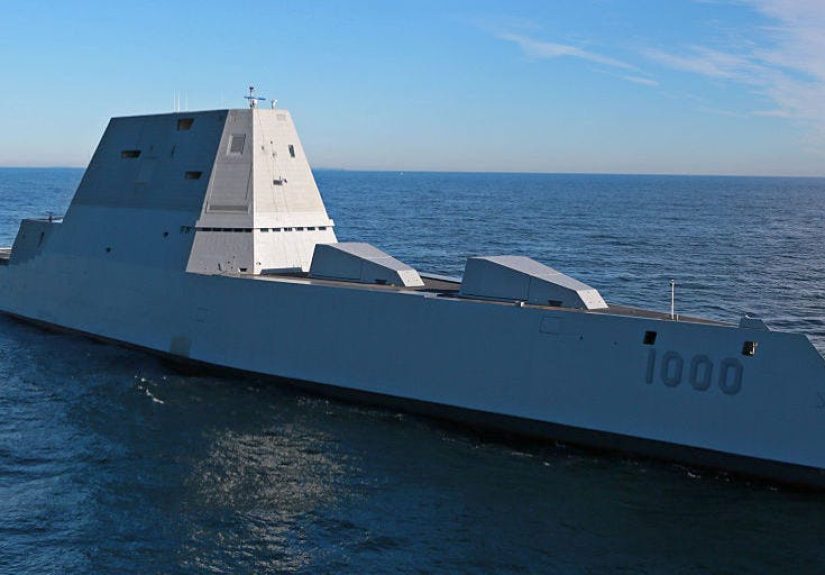
Picture 2: Full Side Profile (AKA “Why Is the Hull Leaning In?”)

From the side, the ship’s most controversial design choice becomes impossible to ignore: the hull slopes inward
above the waterline. That’s tumblehome, and it’s one reason the Zumwalt photographs feel “wrong” to people who
grew up on classic destroyer shapes. Visually, it makes the ship look narrower up top, like a stealthy iceberg
decided to cosplay as a naval vessel.
In photos, that inward slope also helps hide shadows and reduce visual and radar cues. It’s a reminder that the
Zumwalt wasn’t trying to be a prettier Arleigh Burkeit was trying to be a different animal entirely.
Picture 3: The “Floating Building” Deckhouse Close-Up

Get close enough (with a legal vantage point and a respectful distance) and the deckhouse is where the ship’s
stealth personality really shows. Traditional masts bristle with exposed gear. Zumwalt’s upperworks look
enclosedas if the ship put all its sensors behind clean geometry, the way a stealth aircraft
tucks things away.
This is also where photos subtly reveal how signature management is a full-ship philosophy. Fewer exposed edges.
Less “stuff” catching light. A silhouette that refuses to be easily summarized by your eyeballs.
Picture 4: The “WaitWhere Are the Missiles?” Side-Deck Detail

A great Zumwalt photo doesn’t always scream “armed.” That’s because the ship’s vertical launch cells are arranged
in a Peripheral Vertical Launch System (PVLS) layout along the edges of the hull instead of a
single central “missile farm” you can spot from orbit. In photos, that makes the deck look oddly calmlike the
ship forgot to bring its weapons to the photoshoot.
But the clean lines are the point: distributed launch cells can help with survivability and architecture
flexibility, while keeping the top of the ship visually (and signature-wise) tidy.
Picture 5: The Flight Deck Shot (Scale, Solved)

If you want one photo that instantly communicates “this ship is not small,” it’s a flight deck image. The
hangar and deck area look almost deceptively spacious, and when aviation assets appear in-frame, the scale
clicks. Your mind stops seeing “stealth wedge” and starts seeing “610 feet of very intentional engineering.”
These images also underline how multi-mission design is baked in. The Zumwalt-class wasn’t meant to be a single
trick pony; it was built to evolve. The flight deck shot visually reinforces that the ship is as much about
presence, operations, and adaptability as it is about the headline-making hull shape.
Picture 6: The Wake Photo (Electric Power, Made Visible)

Some ships look best sitting still. Zumwalt looks most honest when it’s movingbecause motion reveals what the
hull was designed to do. In a good wake photo, you can see how the bow slices and how the ship rides through
conditions with a different posture than more conventional destroyer shapes.
It’s also the easiest visual hint that this ship is powered differently in spirit: the class is built around an
Integrated Power System designed to feed propulsion and ship systems from the same power
architecture. In plain English: it’s less “engine room mentality,” more “ship as an electrical ecosystem.”
Picture 7: The “Next to a Normal Ship” Comparison Shot

Comparison photos are unfair to other shipsbecause Zumwalt wins the “silhouette drama” contest every time.
Next to a more conventional destroyer, the differences leap out: fewer protrusions, a smoother outline, and a
deckhouse that looks like it was designed with a ruler and a grudge against clutter.
These images also help explain why Zumwalt became so meme-able. It isn’t just “stealthy.” It’s visually
distinct in a way that makes people stop scrolling. In SEO terms, it’s the rare defense topic that
naturally generates click-worthy visuals without needing gimmicks.
Picture 8: The “Before & After” Modernization Yard Shot

Some of the most intense Zumwalt pictures aren’t at seathey’re in the shipyard, where you can see the class
changing identities. The modernization images matter because they document a major strategic pivot: Zumwalt is
being refitted as the Navy’s first surface platform for Conventional Prompt Strike (CPS), and that
required big physical changes.
In practical terms, this is where photos show the ship shedding its original 155mm gun era and making room for
new missile tubes. It’s rare to see a warship’s “career change” so clearly in a single frame.
Picture 9: The “Guns Removed” Angle (A Quiet Plot Twist)

If you’ve followed the Zumwalt story at all, you know the original Advanced Gun System concept became complicated
when the specialized long-range ammunition path didn’t work out the way it was envisioned. In photos, you don’t
need a white paper to feel that historyyou just need a foredeck angle that shows how the ship’s layout has
evolved.
This picture hits because it visually represents what defense programs rarely show so cleanly: real-world
adaptation. The ship wasn’t scrapped because the world changed. It was reworkedbecause the hull, power, and
growth margin still make it valuable.
Picture 10: The Night Shot (Stealth Aesthetic, Maxed Out)

Night photography does the Zumwalt a favor. With fewer visual cues, the ship’s low-observable shaping becomes
even more dramatic. The clean surfaces and sharp edges pop in a way that makes you understand why people call
it “batmobile energy,” except it’s 15,000+ tons and has to worry about saltwater instead of potholes.
The best night shots also make an important point: stealth isn’t invisibility. It’s about making detection and
tracking harder, buying time and options. A photo can’t show radar math, but it can show the deliberate absence
of “easy reflections.”
Picture 11: Back Underway After the Big Refit (The “New Chapter” Shot)

There’s a particular kind of pride baked into “back underway” photosespecially after an extended modernization.
For Zumwalt, that’s not just a maintenance milestone. It’s the visible proof that a complicated, headline-heavy
ship is still evolving and still being positioned for a new strike role.
If you’ve ever wondered whether the Zumwalt story is a dead end or a pivot, this image answers with motion:
the ship is moving, testing, and re-entering the conversationnow in a world where long-range strike and rapid
adaptation matter more than ever.
What These Pictures Don’t Show (But They Explain Anyway)
Photos can’t directly display “electrical architecture,” “sensor fusion,” or the operational testing grind, but
the Zumwalt gallery hints at all of it. The uncluttered deck and enclosed-looking upperworks are your visual
clues that this ship is built around low observability and a different approach to systems integration.
They also hint at why the class has stayed in the spotlight: it’s a learning platform as much as it is a
deployed asset. Public reports have noted that survivability and combat capability evaluations involve modeling,
live-fire events, and test milestones that take timeespecially when the ship’s configuration changes as major
new systems are installed.
Translation: the pictures are cool, but the real story is that the ship is still becoming what it’s meant to be
in today’s operational environment.
Bonus: 500+ Words of “Zumwalt Experience” (Even If You Only See It From Shore)
Seeing the USS Zumwalt in photos is one thing. Experiencing the idea of Zumwalthow people react to it,
how it changes the mood of a harbor, how it rewires your sense of what a modern warship can look likeis
something else. Even if you never step aboard (and most people won’t), the ship’s design has a way of creating
a moment the second it enters view. Ship spotters describe it as the rare vessel that makes experienced eyes
double-take: not because it’s loud, but because it’s visually “quiet” in a way that feels intentional.
The first thing many observers notice is how wrong their brains feel about the shape. Your
visual system wants a destroyer to be busyantenna farms, obvious weapon blocks, a superstructure that looks
like it grew organically over decades of upgrades. Zumwalt refuses that expectation. From a distance, it can
look like a low, angular island sliding across the water. When it’s closer, the hull geometry becomes clearer,
and people start mentally tracing lines the way they do on a stealth aircraft. It’s a ship that makes you look
twice because it doesn’t provide the usual “labels.”
Then there’s the scale. Photos help, but standing at a shoreline viewpoint or a public pier and watching a
610-foot destroyer move past at an unhurried pace is a different kind of comprehension. The ship’s mass registers
in the way it displaces the scenehow it dominates the background, how it seems to “erase” the visual noise
behind it, and how the flat planes catch sunlight in sharp, geometric patches instead of the usual rolling
reflections. It can feel less like watching a vehicle and more like watching a carefully designed object perform
its purpose.
If you’re a photographer, the Zumwalt experience becomes a game of angles. Bow-on makes it look unreal. A
three-quarter view brings out the tumblehome. A higher vantage point reveals how clean the deck is compared to
other surface combatants. And because so many iconic photos exist, people often try to “recreate” the classics
not by copying someone else’s image, but by hunting for the same visual logic: the wedge silhouette, the deckhouse
geometry, the sense that the ship is minimizing its presence while still being unmistakably enormous.
There’s also a quieter emotional layer that shows up in conversations around the ship. The Zumwalt is often
treated as a symbol: of ambitious innovation, of the risks of pushing technology too hard, and of the Navy’s
willingness to pivot when requirements change. When people discuss the modernization and the ship’s evolving
role, the tone shifts from “cool shape” to “this is what adaptation looks like.” You’re not just looking at a
photogenic hullyou’re looking at a platform being reworked for a different era of deterrence and strike. That
makes even simple “underway” images feel like progress updates in a long-running series.
Finally, there’s the plain fun of it. The USS Zumwalt is one of the rare military subjects that can pull in a
broad audience without specialized knowledge: engineers love the power and integration story, naval historians
debate design lineage, photographers chase the angles, and casual readers just enjoy the fact that a real ship
exists that looks like it should have a USB-C port for the ocean. If your goal is a set of badass pictures, the
secret sauce is that Zumwalt makes it easy: almost any competent shot feels like a posterbecause the ship was
engineered to look like the future while doing very serious, very real work.