Table of Contents >> Show >> Hide
- Why This Sardinia Kitchen Feels So Different
- The Story Behind the 250-Year-Old Wood
- Rustic Meets Modern, but Without the Costume Drama
- Small Details That Make a Big Difference
- Why the Kitchen Feels Timeless Instead of Trendy
- Lessons Homeowners Can Steal from This Kitchen
- The Sardinia Effect: Why the Setting Matters
- What It Would Feel Like to Live with a Kitchen Like This
- Final Thoughts
- SEO Tags
Note: Clean body-only HTML for publishing. No source links or citation artifacts included.
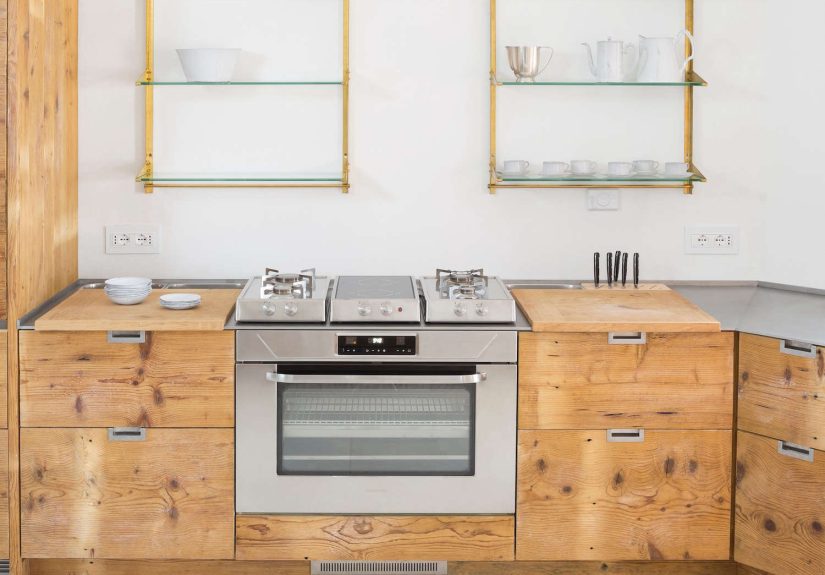
If most dream kitchens are trying very hard to look expensive, this one takes the more impressive route: it looks inevitable. As if the room simply waited 250 years for someone with good taste and excellent restraint to show up and let it become itself. Designed by Katrin Arens for a longtime Florentine client’s holiday home overlooking Porto Cervo in Sardinia, this kitchen pairs reclaimed larch wood with stainless steel, custom storage, and the kind of quiet confidence that makes trend-chasing look a little… sweaty.
What makes the space so compelling is not just the age of the wood, though let’s be honest, “250-year-old cabinet fronts” is a pretty strong opening line. It is the way the materials work together. The old larch brings history, grain, texture, and a lived-in soul. The stainless steel introduces precision, hygiene, and practicality. The custom cabinetry keeps everything useful. The result is a kitchen that feels rustic and modern, Mediterranean and minimal, tactile and disciplined all at once.
In other words, it is not a museum piece dressed up as a kitchen, and it is definitely not one of those ultra-slick spaces that looks beautiful until someone tries to make pasta in it. This is a real working kitchen. It just happens to be gorgeous enough to make you rethink every shiny showroom cabinet you have ever admired under fluorescent lighting.
Why This Sardinia Kitchen Feels So Different
Plenty of kitchens use wood. Plenty of kitchens use steel. Plenty of kitchens claim to be “timeless,” a word that now gets tossed around so casually it might as well come bundled with the backsplash samples. But Arens’ design feels different because its materials are doing more than decorating the room. They are telling the room what kind of place it should be.
The old larch wood used on the cabinet fronts came from a remodel of the Angelo Mai Library in Bergamo, a building dating to 1768. That provenance matters, but not in a braggy way. The point is not that the cabinetry is rare. The point is that the wood already carries age, wear, and visual depth that new materials usually spend years trying to fake. Here, the marks, tonal variation, and subtle irregularities do the heavy lifting. They give the kitchen instant character without making it feel staged.
That is one reason the space feels warm instead of precious. Another is Arens’ refusal to overwork the material. The wood was cleaned, brushed, and treated with natural wax rather than sanded into submission. That choice preserves the texture and memory of the material. In a design culture that often confuses “new” with “better,” this kitchen makes a persuasive argument for the opposite.
The Story Behind the 250-Year-Old Wood
From library wood to kitchen fronts
There is something delightfully poetic about using former library wood in a kitchen. One space stored stories; the other creates them. One held shelves of ideas; the other now supports olive oil, cutting boards, and the occasional heroic loaf of bread. Arens took larch boards that had already lived a long architectural life and turned them into cabinet faces that now anchor the room.
Because the old larch is used on the fronts rather than every cabinet component, the design also stays smart and practical. Cabinet and drawer boxes are made from new wood where reliability and construction matter most, while the reclaimed wood is reserved for the surfaces that give the kitchen its visual identity. That balance is important. Good design is rarely about using one material everywhere. It is about knowing where the material will have the greatest effect.
Why aged larch is such a strong choice
Larch has long been valued for its durability and moisture resistance, which helps explain why it works so well in hard-working interiors. In this case, its age adds another advantage. Very old wood has already gone through the movement that can make fresh lumber expand, contract, and behave like a dramatic houseguest. Arens has noted that the wood is now totally dry and stable, which makes it especially appealing for cabinetry.
That practical stability matters, but so does the visual payoff. Aged larch has a beautiful matte depth that newer wood often lacks. It catches light softly rather than reflectively. It looks better the closer you get. And it has the kind of grain that makes you want to stop mid-conversation and run your hand over a cabinet door like you are suddenly in a very emotional furniture commercial.
Rustic Meets Modern, but Without the Costume Drama
The easiest way to misunderstand this kitchen is to call it “rustic.” It certainly has rustic elements: reclaimed wood, tactile surfaces, visible history, and a relaxed warmth that feels grounded rather than glamorous. But Arens keeps the room from drifting into cottage cliché by introducing crisp, utilitarian stainless steel and by maintaining clean lines throughout.
That contrast is what makes the kitchen sing. The steel behind the sink includes a drying rack, slots for cutting boards, and containers for utensils. It brings a distinctly workmanlike edge to the room, almost like a chef’s station hidden inside a soulful Mediterranean home. The old wood softens the steel; the steel sharpens the wood. Neither one wins, which is exactly why the room works.
This is also where the kitchen aligns with a broader shift in design: people want warmth, yes, but not clutter; texture, yes, but not chaos; history, yes, but not a room that feels trapped in cosplay. The strongest kitchens today are blending natural materials, patina-friendly finishes, and hardworking surfaces in ways that feel collected instead of contrived. Arens got there without fanfare.
Small Details That Make a Big Difference
Beautiful kitchens get attention. Useful kitchens get loved. This one earns both.
Behind the sink, Arens created a stainless-steel setup with a built-in drying rack, cutting-board slots, and caddies for utensils. It is the kind of feature that sounds modest until you imagine daily life with it. Wet dishes have a clear landing zone. Boards are stored upright and accessible. Tools are visible but contained. Suddenly, cleanup is less of a wrestling match and more of a civilized transition back to normal life.
There is also an interchangeable knife rack in new wood, which is a smart reminder that custom design is not only about fixed millwork. Flexibility matters too. Elsewhere, drawer interiors are carefully organized, including a flatware drawer tucked inside a deeper drawer with separate cubbies for different pieces. Opposite the utility zone, Arens added a built-in armoire and a run of counter-height storage, reinforcing the room’s sense of order without crowding it with upper cabinets.
These choices speak to one of the smartest principles in kitchen design: when storage is tailored to the way people actually cook, the room automatically feels calmer. The kitchen does not need to be bigger. It needs to be better organized. That is a much more useful luxury.
Why the Kitchen Feels Timeless Instead of Trendy
A timeless kitchen is not a kitchen that avoids personality. It is a kitchen that uses personality in durable ways. Arens does that through material honesty. The wood looks like wood. The steel looks like steel. The storage looks like it was designed for human beings rather than for a brochure. Nothing is pretending to be something it is not.
There is also a strong sense of restraint here. The palette stays close to the natural world: warm wood, cool steel, neutral supporting tones. There is no overcomplicated mix of finishes fighting for attention. There are no decorative tricks trying to make the room feel more “designed.” The design already knows who it is.
And perhaps most important, this kitchen welcomes patina. That is a major reason it will continue to age well. Materials that can gather wear gracefully tend to remain beautiful longer, because time becomes part of the design instead of an enemy to hide from. In a kitchen, that mindset is almost always the right one. This is a room for use, meals, mess, repetition, and memory. A little evolution should be part of the plan.
Lessons Homeowners Can Steal from This Kitchen
1. Put the most interesting material where your eye lands first
Arens used the reclaimed wood on cabinet fronts, where its age and beauty are immediately visible. You do not need antique library wood to borrow this idea. Even one thoughtfully chosen surface, such as island cladding, pantry doors, or lower cabinetry, can bring a room to life.
2. Mix warm and cool materials for balance
Wood alone can become too soft. Steel alone can become too severe. Pairing the two creates a tension that feels sophisticated and grounded. The same principle works with wood and stone, brass and plaster, or tile and linen-finish paint.
3. Customize storage before buying decorative extras
A pretty bowl is lovely. A drawer that actually fits your tools is life-changing. The smartest money in a kitchen often goes into organization: dividers, racks, hidden trays, knife storage, vertical board slots, and layered drawers. Glamour is nice. Function is repeat business.
4. Let imperfect materials stay imperfect
Not every mark needs to be erased. Not every grain pattern needs to match. Some of the room’s appeal comes from the fact that the wood still looks lived in. That sense of history gives the kitchen emotional weight.
5. Keep the palette disciplined
This kitchen proves that you do not need twenty finishes and six focal points. Choose a few excellent materials, let them breathe, and the room will feel more luxurious than a space packed with expensive distractions.
The Sardinia Effect: Why the Setting Matters
This kitchen would be beautiful almost anywhere, but Sardinia gives it an extra note of magic. Porto Cervo is known for sea views, sun-washed landscapes, and a lifestyle that leans more toward lingering than rushing. A kitchen in that setting should not feel cold or corporate. It should feel rooted, breezy, and quietly generous.
Arens seems to understand that instinctively. The room is practical enough for real cooking, but it still feels connected to the slower pleasures of a Mediterranean home: long lunches, good olive oil, bread torn by hand, conversation that drifts from the table to the counter and back again. The design invites use without demanding performance. It is elegant, but not uptight. Refined, but not fussy. Relaxed, but not lazy. That is a hard balance to strike, and it is one of the reasons the space lingers in the mind.
What It Would Feel Like to Live with a Kitchen Like This
Now for the part glossy design stories often skip: the lived experience. Because the real success of this kitchen is not that it photographs well. Of course it photographs well. So does a bowl of lemons with good lighting. The question is whether the space would still feel rich and satisfying on an ordinary Tuesday morning when nobody is admiring it except the person making coffee.
And that is where this kitchen really wins.
Imagine waking up in a Sardinian holiday house just as the light starts softening the room. The cabinet fronts do not glare back at you. They absorb the morning. The wood grain shifts with the hour, looking a little honeyed in one corner, a little smoky in another. Even before you touch anything, the room feels settled. There is no sterile chill, no showroom stiffness, no sense that one spilled espresso might ruin the aesthetic. It already feels like a place where life is expected to happen.
Then the practical beauty starts to matter. You reach for a cutting board and it slides out from its slot instead of collapsing from a chaotic stack. Utensils are exactly where they should be. Knives have a proper home. The sink area is ready for use without looking messy. Every small friction that usually turns cooking into low-grade annoyance has been quietly edited out.
That is the luxury here: not excess, but ease.
Lunch in a kitchen like this would probably become an event even when the menu is simple. Tomatoes, bread, olive oil, maybe grilled fish, maybe a handful of herbs that somehow make everything feel more competent. The stainless-steel work areas would handle the practical mess, while the old wood would keep the atmosphere from ever feeling clinical. Guests would lean on the counter. Someone would ask about the cabinetry. Someone else would pretend not to be jealous. It would all feel casual, but deeply intentional.
At night, the room would become even better. Aged wood tends to glow under warm lighting, and that matters more than people think. It changes the emotional temperature of a kitchen. Instead of feeling like a task zone, the room starts to feel like part of the evening itself. You are not just cleaning up after dinner; you are still inside the experience of the meal. The kitchen remains social, not separate.
Over time, the emotional appeal would likely deepen rather than fade. The beauty of old materials is that they do not panic when used. A new scratch does not feel catastrophic when the surface already contains memory. A water glass left overnight does not look like a personal betrayal. The room has enough character to absorb life gracefully, and that creates a very different relationship between homeowner and home. You stop tiptoeing around the kitchen and start belonging to it.
That may be the most valuable lesson in the entire project. The best kitchens are not simply efficient or stylish. They make daily rituals feel better. They turn repetitive tasks into tactile pleasures. They allow beauty and utility to share the same square footage without elbowing each other. In Arens’ Sardinia design, that balance feels unusually complete. It is a kitchen with history, discipline, atmosphere, and usefulness. Which is a long way of saying: yes, it is stunning, but it is also the kind of place where you would genuinely want to make toast in your pajamas.
Final Thoughts
Katrin Arens’ Sardinia kitchen is memorable because it proves a simple point with unusual elegance: the most lasting kitchens are built from materials that already know how to age, and from decisions that respect real life. The 250-year-old larch brings depth and story. The stainless steel brings utility and edge. The custom storage brings sanity. The setting adds lightness and soul.
Together, those ingredients create a kitchen that feels less like a trend report and more like a standard. It is warm but disciplined, handmade but highly functional, historic but entirely current. And in a world full of kitchens trying to go viral, that kind of quiet authority feels almost radical.
Sometimes the smartest design move is not adding more. It is choosing materials with enough history, enough honesty, and enough character to do more on their own. This kitchen understands that beautifully.