Table of Contents >> Show >> Hide
- The Psychology Behind “Possible” (AKA Why Belief Has a Job)
- Your Brain Is More Flexible Than Your Schedule Pretends It Is
- How Humans Learn “Possible”: Proof Beats Pep Talks
- The “Possible” Pipeline: Turning Belief Into Results
- How to Tell the Difference Between Real “Possible” and Fake “Possible”
- Where “Knowing It’s Possible” Changes Everything
- Conclusion: Borrow Belief, Build Proof, Become the Person Who Knows
- of Experiences: What It Feels Like When “Possible” Clicks
There’s a specific kind of moment when “impossible” quietly changes outfits and shows up wearing a name tag that says,
“Hi, I’m just hard.” That moment is powerfulnot because it magically hands you a trophy, but because it upgrades
your brain from “Why bother?” to “Okay… how, though?”
Knowing that it is possible isn’t blind optimism. It’s a practical shift in perception that changes what you
attempt, how long you stick with it, and how you interpret setbacks. In other words: it doesn’t just make you feel better.
It makes you act differentlyand action is where the plot finally moves forward.
The Psychology Behind “Possible” (AKA Why Belief Has a Job)
Self-efficacy: the confidence that actually does something
Psychologists use the term self-efficacy for your belief that you can perform the actions required to get a
result. It’s not general “I’m awesome” energy; it’s “I can do this thing in this situation.” When your
self-efficacy is high, you’re more likely to start, put in more effort, and keep going when life throws its usual confetti
of obstacles into your plans.
That matters because the decision to try is often the real gatekeeper. If you don’t think it’s possible, you won’t collect
evidence. And if you don’t collect evidence, you never update your belief. Congratulations, you’ve invented a self-fulfilling
prophecywithout even getting a patent.
Growth mindset: turning “I can’t” into “I can’t… yet”
A growth mindset is the belief that abilities can be developed through effort, good strategies, and help from
othersnot that you can become a concert pianist by staring intensely at a keyboard, but that improvement is available if you
practice in the right way. The key is how you interpret struggle: a growth mindset treats mistakes as feedback instead of a
personality test you failed.
This isn’t motivational poster fluff. It’s a framework that affects learning behaviors: whether you seek challenges, use
feedback, and persist when progress feels slow. If “possible” becomes part of your internal vocabulary, you’re more likely to
keep showing up long enough to get good.
Possible selves: your future “you” is secretly running the meeting
We’re all guided by imagined future versions of ourselveswho we want to become, and who we absolutely do not want to become.
When you can picture a realistic future self, “possible” stops being abstract. It becomes a target with a zip code. And once
your brain can locate a future you, it can start building a route.
Your Brain Is More Flexible Than Your Schedule Pretends It Is
If you’ve ever learned a new skill as an adultdriving in a new city, switching jobs, finally understanding what your tax
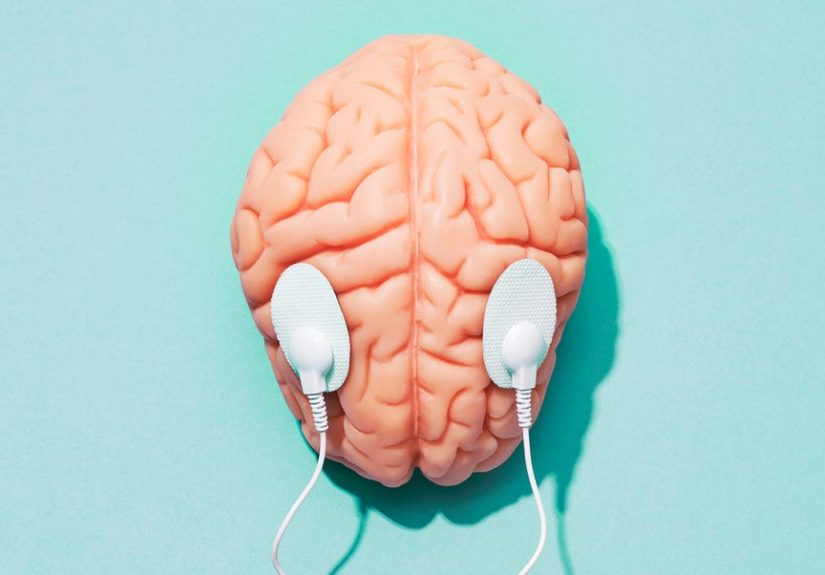
software is askingyou’ve already met neuroplasticity. Neuroplasticity is your brain’s ability to change and
adapt in response to experience. Translation: your brain is not a static sculpture. It’s more like a constantly renovated
apartment with questionable wiring that improves with the right upgrades.
Here’s the practical takeaway: practice matters because practice changes you. Repetition strengthens connections. Novelty and
challenge increase engagement. Feedback helps your brain adjust. This is why the path from “possible” to “probable” usually
looks like small, boring reps… followed by a sudden leap that seems “overnight” to people who weren’t around for the boring
part.
How Humans Learn “Possible”: Proof Beats Pep Talks
You don’t need to feel inspired every day. You need evidence. And evidence often comes from two places:
your own small wins and watching someone else do the thing.
The “someone did it” effect: why firsts matter
In sports history, one of the most famous “possible” flips happened when Roger Bannister ran the first sub-four-minute mile
on May 6, 1954. For years, people argued the barrier was physiologically impossible. Then one human did itand suddenly more
humans did it soon after. The world didn’t change laws of biology that day; it changed a shared assumption about limits.
Public goals turn “maybe” into “we’re doing this”
When a goal becomes public, it gains structure. It attracts resources. It creates accountability. It becomes a measuring stick.
That’s part of why big collective “impossible” projectslike committing to a Moon landing goalcan reshape what a society
believes it can achieve. Once “possible” is socially validated, more people invest effort without feeling foolish.
The “Possible” Pipeline: Turning Belief Into Results
Belief is not the finish line. Belief is the ignition. Here’s how to convert “This might be possible” into “This is happening”
without relying on motivational miracles (the rarest kind of miracle).
1) Shrink the goal until your brain stops arguing
If your goal triggers instant internal screaming“Learn Spanish!” “Get fit!” “Start a business!”your brain will respond with
the ancient survival technique known as avoidance. Instead, define the first step so small that it’s almost
embarrassing to skip.
- Not “write a book,” but “write 150 words after coffee.”
- Not “get healthy,” but “walk 12 minutes after lunch.”
- Not “be confident,” but “ask one clear question in the meeting.”
2) Use SMART goals so the target stops moving
Vague goals are comfort food: satisfying to imagine, useless for nutrition. A SMART goal is
Specific, Measurable, Achievable, Relevant, and Time-bound. That structure reduces
“decision fatigue,” because you’ve already decided what winning looks like.
Example:
Not: “I’ll get better at networking.”
SMART: “By April 30, I’ll reach out to two people per week in my industry and schedule one 15-minute
coffee chat weekly.”
3) Try WOOP: wish, outcome, obstacle, plan
Positive thinking is great… until it becomes a substitute for planning. The WOOP method (Wish, Outcome, Obstacle, Plan)
works because it combines a motivating vision with a realistic look at what will get in your way. Then it turns that obstacle
into a plan.
A quick WOOP example:
Wish: “I want to run a 5K.”
Outcome: “I’ll feel proud and energized.”
Obstacle: “I hit snooze and skip mornings.”
Plan: “If my alarm goes off, then I stand up immediately and put on my running shoes before I do anything else.”
4) Add if-then plans to make action automatic
If-then planning (also called implementation intentions) is a simple way to reduce reliance on willpower. You pre-decide
what you’ll do in a specific situation, so you don’t negotiate with yourself in the moment like a tiny exhausted lawyer.
- If it’s 3:00 p.m. and I want sugar, then I’ll drink water and eat a protein snack first.
- If I feel nervous before presenting, then I’ll do two slow breaths and start with my first prepared sentence.
- If I miss a workout, then I’ll do a 10-minute “minimum session” the next day.
5) Track proof, not perfection
The fastest way to strengthen “knowing that it is possible” is to collect receipts. Create a small tracking system:
checkmarks, calendar X’s, notes in your phoneanything that makes progress visible. You’re not tracking to judge yourself.
You’re tracking to build evidence that you can follow through.
How to Tell the Difference Between Real “Possible” and Fake “Possible”
Real possibility is grounded in mechanisms: skills can be practiced, systems can be improved, support can be
found, strategies can be adjusted. Fake possibility is grounded in vibes. Vibes are fun, but they don’t pay rent.
Real “possible” sounds like:
- “I can improve with practice and feedback.”
- “Let’s test a smaller version.”
- “I’ll plan for the obstacle I always hit.”
- “I can learn from someone who’s done it.”
Fake “possible” sounds like:
- “If I just believe hard enough, reality will respect my enthusiasm.”
- “I’ll wing it. I’m built different.” (You’re built tired. We all are.)
- “If it’s meant to be, it’ll be easy.”
Where “Knowing It’s Possible” Changes Everything
At work: performance grows where learning is allowed
In organizations, a growth mindset isn’t a sloganit’s a culture decision. When people believe skills can be developed,
they’re more likely to seek feedback, experiment, and innovate. When they believe ability is fixed, they protect their ego by
playing it safe. The difference shows up in who takes smart risks and who quietly avoids anything that might expose a learning
curve.
In health: self-efficacy predicts follow-through
Health behavior change is full of good intentions that collapse under pressure. Self-efficacy matters because it predicts
whether someone initiates change, how much effort they invest, and whether they persist through setbacks. That’s why effective
behavior change programs build skills and confidencenot just knowledge.
In learning: struggle becomes information, not identity
Students (and adults who still feel like students) perform better when they treat mistakes as part of learning rather than as
proof they “aren’t that kind of person.” The minute you interpret difficulty as a sign of growth instead of a sign to quit,
you unlock a longer runway for improvement. And improvement needs runway.
Conclusion: Borrow Belief, Build Proof, Become the Person Who Knows
“Knowing that it is possible” is rarely a lightning strike. It’s more often a slow accumulation of evidence: a role model who
proves it can be done, a small win that proves you can do it, and a plan that makes progress repeatable.
Start where it’s small enough to be doable. Use structure (SMART goals). Plan for obstacles (WOOP). Automate action (if-then
plans). Then track proof until your brain stops asking, “Is this possible?” and starts asking, “What’s next?”
of Experiences: What It Feels Like When “Possible” Clicks
People often describe the “possible” shift as surprisingly unglamorous at first. It’s not a movie montage. It’s more like
realizing you’ve been pushing on a door that says “PULL” for yearsand then feeling both relieved and mildly offended.
Take the common experience of learning a skill as an adultsay, swimming. Many adults carry a quiet story: “I’m not built for
this,” or “I missed my chance.” The shift starts when they watch someone similar to themsame age, same fearlearn in a calm,
step-by-step way. The first win isn’t “swim a lap.” It’s “put my face in the water without panicking.” That tiny success is
more powerful than any pep talk because it’s personal proof. The next week, they float longer. A month later, they move across
the shallow end. At some point, the story changes from “I can’t” to “I’m learning.” That’s “possible” becoming a new identity.
Or consider someone returning to exercise after a long break. The first days feel awkward and discouragingsore muscles,
short breath, the strange sensation that your lungs are filing a formal complaint. The “possible” click often happens when
they stop chasing the fantasy version of themselves and start collecting real data: “I walked 12 minutes today.” Then,
“I walked 15.” Then, “I walked 12 even when I didn’t want to.” The confidence isn’t built on a number on a scale; it’s built
on keeping promises to themselves. The turning point is subtle: they begin trusting their future self.
Career changes are another classic “possible” laboratory. Someone wants a new role but feels unqualified. The first win is not
getting hiredit’s finishing one course module, building one small portfolio piece, or having one informational conversation.
Each step provides a new kind of evidence: “I can learn this,” “I can talk to people,” “I can improve my work.” Eventually
their goal stops feeling like a fantasy and starts feeling like a project. Projects are manageable; fantasies are fragile.
Even in relationships, people report the shift when they realize change doesn’t require becoming a different person overnight.
“Possible” can look like learning one new communication habit: pausing before reacting, asking a clearer question, or naming a
need without turning it into a courtroom argument. The experience is usually: awkward at first, easier with repetition,
unexpectedly effective by week three.
Across all these experiences, the pattern is the same: possibility arrives as evidence. It grows through structure and
repetition. And once someone has felt that shift in one area of life, they become faster at finding it in anotherbecause
they’re no longer asking, “Am I the type of person who can do this?” They’re asking, “What’s the next small step that proves it?”