Table of Contents >> Show >> Hide
- Is it normal for babies to laugh in their sleep?
- What’s happening in a sleeping baby’s brain?
- Common reasons babies laugh (or smile) in their sleep
- Newborn vs. older baby: does the meaning change with age?
- When laughing in sleep might be a sign of something else
- What to do when you catch your baby laughing in sleep
- FAQ: quick answers parents actually want
- Conclusion: tiny nighttime giggles are usually part of normal development
- Real-life experiences: what parents often notice (and what helps)
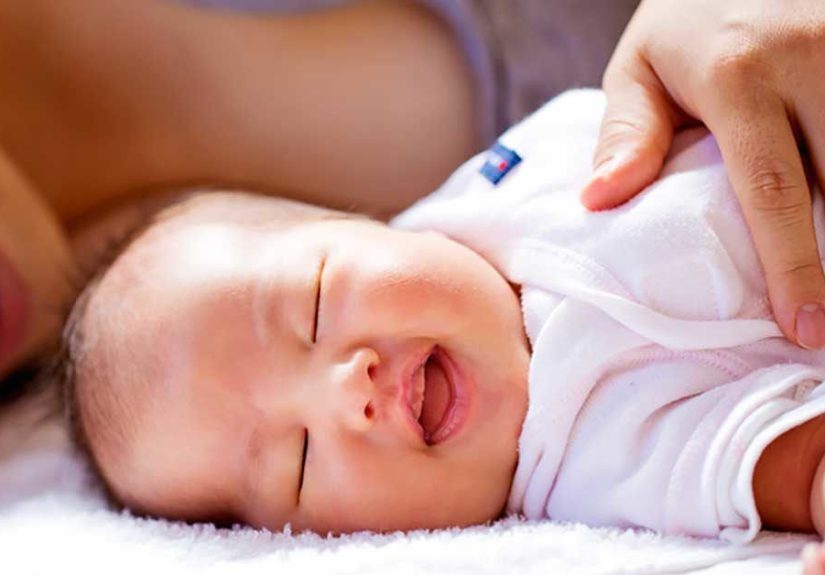
You’re up at 2:17 a.m., doing the classic “parent statue” routinestanding perfectly still so you don’t wake the baby. And then it happens: a tiny grin… a squeaky giggle… maybe even a full-on “heh-heh” like your newborn just heard the best joke on earth.
If you’ve ever wondered, “Why is my baby laughing in their sleep?” you’re in a very large club. The good news: in most cases, sleep-laughing (and sleep-smiling) in babies is totally normal. It’s often tied to how infant sleep worksespecially the “active” sleep stage when their brains and bodies are busy practicing the skills they’ll use while awake.
Let’s break down what’s going on, what’s normal, what’s less common, and when it’s worth checking in with a pediatricianwithout turning your Google search history into a horror movie.
Is it normal for babies to laugh in their sleep?
Most of the time, yes. Babies can smile, giggle, smirk, coo, twitch, wiggle, and make all kinds of dramatic faces while sleeping. This is especially common in newborns and young infants because they spend a lot of sleep time in a stage similar to adult REM sleep, when the brain is highly active.
That said, you know your baby best. If something feels offlike odd body stiffening, repeated episodes that look the same every time, breathing problems, or laughing while awake with unusual movementsit’s smart to ask your child’s clinician.
What’s happening in a sleeping baby’s brain?
Baby sleep isn’t just “small adult sleep.” It’s more like a fast-paced training montage where your infant’s brain is building connections, tuning reflexes, and sorting out new sensory experiences (like “What is a ceiling fan and why is it so fascinating?”).
Newborn sleep has distinct phases
Many experts describe infant sleep using stages like quiet sleep and active sleep (often compared to REM sleep in adults). During active sleep, babies may have:
- Facial expressions (smiles, grimaces, “milk-drunk” smirks)
- Rapid eye movements under closed lids
- Twitchy arms/legs, tiny jerks, wiggles
- Irregular breathing (including brief pauses that can be normal in infants)
- Little soundscoos, squeaks, and yes, occasional giggles
Babies spend a lot of time in “active/REM-like” sleep
Newborns tend to spend a larger share of sleep in a REM-like stage than adults do. In plain English: their brains are running more “night shifts,” which can show up as more movement and expressions while sleeping. That’s one big reason sleep-laughing is more common in babies than in grown-ups.
Common reasons babies laugh (or smile) in their sleep
1) Active sleep: the “busy brain” stage
The most common explanation is simply that your baby is in active sleep. In this stage, their nervous system is firing away. You may see a grin spread across their face as if they just remembered a jokeexcept their “joke” might be something like “I discovered toes today, and I’m still processing it.”
2) Reflex smiles vs. real social smiles
Newborn smiles during sleep are often reflexiveautomatic little expressions that don’t necessarily mean “I’m happy.” Social smiling (the heart-melting, real-time “I see you!” smile) usually develops later, often around the 2-month neighborhood. Sleep-smiles can show up earlier because the brain can produce those facial movements long before baby uses them intentionally.
3) Practicing facial muscles and brain pathways
Think of sleep as your baby’s behind-the-scenes rehearsal. Those grins and giggles may help coordinate the complex muscle and nerve patterns needed for expressions, feeding, and later communication. Even if it’s not “comedy night,” it can still be part of normal development.
4) Dream-like activity (but we can’t confirm the punchline)
Adults often laugh in sleep during dreams, especially in REM. Babies likely have some form of internal brain activity during sleep, but we can’t know what they experiencethey can’t exactly wake up and say, “I dreamed I was a burrito.”
So while it’s tempting to assume a giggle equals a happy dream, it’s safer to say: sleep-laughing may occur during active sleep when the brain is active, and it doesn’t automatically mean your baby is dreaming in the adult sense.
5) Gas, digestion, and the “tiny toot grin”
Sometimes a sleep-smile (and occasional giggle-like sound) shows up around digestion. Babies have immature digestive systems, and passing gas can trigger a brief facial reaction. If you notice the grin followed by a squirm and then a suspiciously calm baby… congratulations, you’ve witnessed the legendary “sleepy gas victory lap.”
6) Sleep transitions and mini-arousals
Babies cycle through sleep stages more frequently than adults. During transitions, you might see quick expressions, little noises, and movements. These are often harmlessespecially if your baby settles right back into sleep and looks comfortable.
Newborn vs. older baby: does the meaning change with age?
Newborns (0–2 months): lots of active sleep
In the earliest weeks, sleep can look surprisingly “busy.” Newborns may enter active sleep quickly, make faces, and have irregular breathing patterns that can still be normal for infancy. Laughing in sleep at this age is usually just part of the newborn packagelike tiny socks that disappear forever.
2–6 months: more predictable patterns, more intentional expressions
As babies grow, they often develop more predictable sleep rhythms. You may still see sleep smiles and occasional giggles, but you’ll also start seeing more awake-time social smiles and laughter. If your baby sleep-giggles at 4 months, it might simply be active sleepor it might be a baby who loves laughter so much they keep it going after bedtime.
6–12 months and beyond: fewer reflex expressions, but still possible
Older babies and toddlers can still laugh in their sleep. At this point, it may look more like brief chuckles during a sleep transition. Usually it’s nothing to worry about unless it comes with red flags (more on that next).
When laughing in sleep might be a sign of something else
True “concerning” causes are much less common than normal active sleep. Still, it helps to know the red flags, because early evaluation is important if something neurologic is going on.
Red flags to call your pediatrician about
- Episodes happen while awake (laughing spells plus unusual staring, stiffening, or repetitive movements)
- Rhythmic jerking that repeats in clusters and doesn’t stop when you gently wake or reposition your baby
- Color changes (turning blue/gray), breathing trouble, or prolonged pauses
- Loss of responsiveness during an episode (can’t be interrupted, baby seems “not there”)
- Regression (loss of milestones) or a baby who seems unusually lethargic afterward
- Odd eye movements (persistent deviation to one side) with concerning body movements
If you see any of the aboveespecially breathing issues or color changeseek medical care promptly. If it’s not urgent but still weird, it’s worth documenting and bringing to a visit.
Benign neonatal sleep myoclonus: scary-looking, often harmless
Sometimes parents notice twitching or jerking during sleep along with facial expressions. There’s a known condition called benign neonatal sleep myoclonus where infants have repetitive jerks during sleep. A classic feature is that it tends to stop when the baby is awakened.
Even though it’s typically harmless and self-limited, it can look alarming. If you’re seeing repetitive jerks, record a short video and discuss it with your pediatricianmainly to make sure it’s not something else.
Infantile spasms and other seizures: rare, but important to catch
Certain seizure types in infants can involve unusual movements, clustering episodes, or changes in awareness. Some seizures can also present with odd laughter (sometimes called “gelastic” episodes), though this is uncommon in babies.
The key difference from normal sleep-laughing is that seizure episodes often look stereotyped (very similar each time), may occur while awake, may come with stiffening or repeated jerks, and may not stop with gentle interruption. If you suspect anything along these lines, don’t wait it outcall your child’s clinician.
What to do when you catch your baby laughing in sleep
Don’t rush to wake them
If your baby looks comfortable, breathing normally, and settles back quickly, you generally don’t need to wake them. Active sleep can be noisy and expressive. Interrupting it can lead to a fully awake baby who wants to party. (And you were hoping for sleep, not a midnight talent show.)
Do a quick safety scan
Especially for newborns, always make sure your baby is sleeping in a safe setup:
- On their back for sleep (naps and nighttime)
- On a firm, flat surface (crib, bassinet, or play yard with a fitted sheet)
- With no loose bedding, pillows, bumpers, or stuffed toys in the sleep space
- Room-sharing is recommended by many public health and pediatric organizations (same room, separate sleep surface)
Capture a short video if you’re unsure
If the laughing seems unusualespecially if it’s paired with stiffening, rhythmic jerks, or odd eye movementsrecord a brief video. Clinicians love videos. They’re like receipts, but for parenting anxiety.
Keep a mini log
Jot down: time, duration, what it looked/sounded like, and whether it stopped when baby woke or was repositioned. This helps your pediatrician decide if it’s normal active sleep or something worth investigating.
FAQ: quick answers parents actually want
Does laughing in sleep mean my baby is happy?
It can look like happiness, but in young babies it’s often just reflexive facial activity during active sleep. Still, if you want to believe your baby is dreaming of winning a tiny comedy award, no one can stop you.
Should I worry about irregular breathing during sleep?
Babies can have brief pauses and irregular breathing patterns during active sleep, and some of this can be normal in infancy. However, color changes, persistent breathing difficulty, or prolonged pauses are not “wait and see” situationsseek medical advice right away.
Can reflux cause sleep laughing?
Reflux can cause discomfort, squirming, grimacing, or brief noises. It’s less likely to be the direct cause of “laughing,” but reflux can definitely create odd sleep behaviors. If your baby seems uncomfortable, spits up frequently with distress, or has feeding concerns, bring it up with your pediatrician.
What’s the difference between normal twitching and something serious?
Normal twitching often appears during active sleep, is brief, and doesn’t come with alarming signs. Concerning patterns may be repetitive, rhythmic, cluster in a stereotyped way, happen while awake, or come with breathing issues or unresponsiveness. When in doubt, video + pediatrician is a great combo.
Conclusion: tiny nighttime giggles are usually part of normal development
Seeing your baby laugh in their sleep can be equal parts adorable and confusing. In most cases, it’s linked to active (REM-like) sleep, where babies naturally twitch, make faces, and sometimes squeak out little giggles. It’s one of the many reminders that infant sleep is a dynamic processyour baby’s brain is growing fast, even when you’re not.
Focus on two things: safe sleep (back, firm flat surface, clear sleep space) and pattern recognition (does this look normal and brief, or repetitive and concerning?). If you see red flags or just can’t shake the worry, trust your instincts and talk to your pediatrician.
Real-life experiences: what parents often notice (and what helps)
The internet is full of dramatic stories, but real parenting moments are usually smaller, weirder, and funnier. Here are some common experiences parents share about babies laughing in sleepwritten in a “yes, we’ve all been there” spirit. (These are typical patterns families describe; every baby is different, and none of this replaces medical advice.)
The “sleep chuckle” that starts a panic spiral
Many parents describe hearing a quick giggle and instantly thinking, “Is that normal?”followed by leaning in so close you can feel your baby’s eyelashes. The baby, of course, stays asleep and looks peaceful, while the parent’s heart rate does parkour. What helps: a two-step check. Step 1: look at breathing and color. Step 2: check the sleep space. If everything looks safe and calm, it’s usually just active sleep doing its thing.
The “smile… wiggle… toot… bliss” combo
This one is practically a parenting rite of passage: baby smiles in their sleep, does a tiny body wiggle, and then relaxes like they just completed an important mission. If you’ve ever whispered, “Was that… gas?” you’re not alone. Parents often notice sleep smiles around digestionespecially in the newborn months when gas is basically a hobby. What helps: gentle burping after feeds, keeping baby upright briefly after eating (if your clinician recommends it), and remembering that many gas-related moments are normal.
The “active sleep aerobics” show
Some babies look like they’re practicing interpretive dance while asleep: rapid eye movements, little arm flutters, lip smacks, a grin that appears and disappears. Parents commonly report this is most intense in the first couple of months and gradually becomes less dramatic. What helps: knowing that active sleep is naturally active. If baby settles and wakes alert, it’s usually fine. If movements are repetitive, rhythmic, or paired with concerning signs, that’s when recording a video becomes useful.
The “don’t wake the baby” moral dilemma
Parents often debate whether to wake a baby who’s laughing, twitching, or making sounds. The truth is: most of the time, waking isn’t necessaryand can backfire spectacularly. (Suddenly your baby is wide awake and you’re negotiating with a tiny human who has never heard of bedtime.) What helps: watch for a few seconds. If the episode passes quickly and baby remains comfortable, let them sleep. If you’re seeing signs like breathing trouble, color changes, or unresponsiveness, that’s differentseek urgent care.
The “my partner missed it and I’m offended” stage
A surprisingly common experience: one caregiver witnesses the cutest sleep giggle ever, the other caregiver is asleep, and the first caregiver is left with both joy and mild resentment. (“You missed it. It was magical. The baby did stand-up comedy in their sleep.”) What helps: if it happens again, record itpartly for reassurance, partly for proof. Also, keep perspective: you’ll both get plenty of adorable moments, and you’ll both miss some. That’s parentingan endless highlight reel you never fully control.
If there’s one practical takeaway parents repeat, it’s this: safe sleep plus calm observation beats panic scrolling. Babies make weird sounds. Babies make weird faces. Babies sometimes laugh in their sleep. Most of the time it’s normal development, not a mysterious midnight emergency. And on the nights it still worries you? Video it, write it down, and bring it to your pediatricianbecause peace of mind matters too.