Table of Contents >> Show >> Hide
In the world of electronics, blending old and new can result in fascinating, unique designs that captivate both enthusiasts and casual users alike. A perfect example of this phenomenon is the linear LED clock, a design that seamlessly integrates modern LED technology with a retro, vintage aesthetic. If you’re a fan of clocks, LEDs, and the nostalgia of the past, this creation is a delightful marriage of form and function. Let’s dive into the world of this linear LED clock that looks decidedly vintage.
What Is a Linear LED Clock?
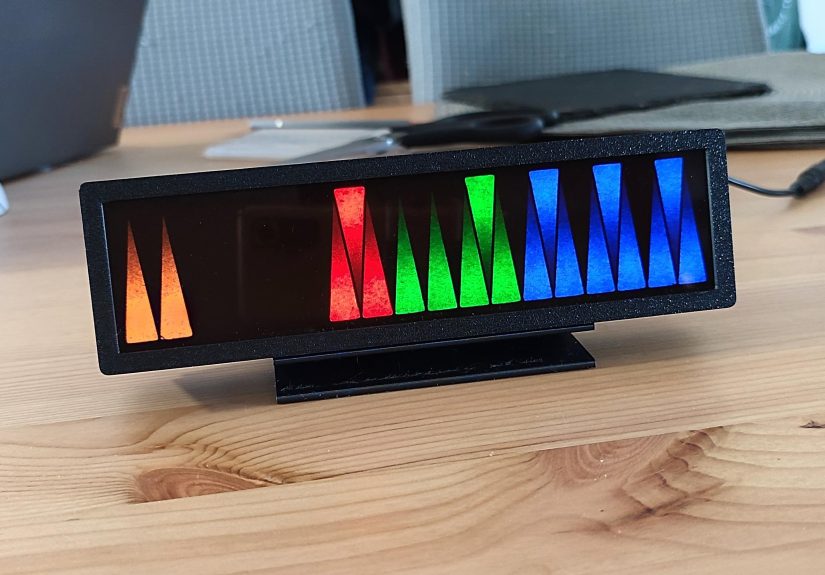
A linear LED clock is a timekeeping device that uses LED lights arranged in a linear fashion to display time, typically in the form of digital numbers or segmented displays. The clock’s layout might remind you of retro-styled electronics, particularly from the 1970s and 1980s, but with a modern twist. It’s the kind of design that instantly evokes thoughts of old-school tech, but updated with the precision and energy efficiency of today’s LEDs.
The Vintage Appeal
The aesthetic of the linear LED clock draws inspiration from vintage digital clocks that were commonly found in homes and offices during the mid-20th century. These early digital clocks often used incandescent bulbs or simple red LED displays to indicate the time, providing a bright, almost neon-like glow against dark backgrounds. The linear LED clock takes that classic look and amplifies it, with sleek lines and glowing LED segments that provide a modern, minimalist feel while still channeling those nostalgic vibes.
Design and Features of the Linear LED Clock
The design of the linear LED clock is what sets it apart from other timepieces. Instead of the typical circular or square face you see on most clocks, this design embraces a rectangular or linear shape, with individual LED segments lined up to display the numbers. This minimalist design not only saves space but also adds to the futuristic feel, giving it a sharp, clean appearance.
What’s especially striking about these clocks is their use of segment-based LED displays. Each segment lights up individually to form the numbers, creating an effect that’s both visually appealing and easy to read. The LEDs used are often in bright colorstypically white, red, or blueand are housed in a durable casing that makes them suitable for both home and office environments.
Technology Behind the Clock
Underneath the vintage design lies modern technology. The clock’s time-keeping mechanism is powered by a microcontroller, which ensures accurate timekeeping. Some models even incorporate Bluetooth connectivity or can sync with an internet-based time server to ensure they’re always showing the correct time. These clocks are also energy-efficient, as they use LED lights which consume less power compared to traditional incandescent bulbs.
The microcontroller inside is responsible for controlling the LEDs, which is why these clocks can display more than just the timethey can also showcase additional features like the date, temperature, or even personalized messages depending on the model. Some advanced versions even include touch-sensitive controls or a remote for easy operation.
The Hackaday Influence
If you’re a regular reader of Hackaday, you’ve probably come across the linear LED clock design as a popular DIY project. Hackaday is known for showcasing inventive electronics projects, and this clock has become a favorite among makers and hobbyists. The beauty of the design lies not just in its retro appeal but in its simplicity and versatility. Whether you’re an electronics enthusiast looking to create your own clock or simply a fan of functional design, the linear LED clock fits the bill perfectly.
Why It’s So Appealing
Why does the linear LED clock continue to captivate so many people? It combines nostalgia with modernity, providing a familiar yet fresh experience. For those who grew up in the ’70s and ’80s, the clock evokes memories of old digital displays found in homes and businesses. Yet, with the precision and efficiency of modern LEDs, it takes on a whole new level of sophistication that appeals to a younger audience as well.
Applications and Uses
Though it might seem like a novelty item, the linear LED clock has practical uses as well. Many people place these clocks in their bedrooms, offices, or even workshops to add a bit of personality and style to their spaces. The bright, clear display makes it easy to read the time at a glance, even from across the room. The vintage-inspired design works especially well in environments where an industrial or retro aesthetic is desired.
More Than Just a Clock
Interestingly, the linear LED clock doesn’t just serve as a timepieceit can also act as an interactive piece of decor. Some clocks feature customizable LED colors, which allow users to change the appearance based on their room’s lighting or mood. There’s also the potential for expanding these clocks to incorporate other functions, like ambient lighting, music synchronization, or smart home integration, adding even more value to the gadget beyond telling the time.
The DIY Project
Many makers and hobbyists find the linear LED clock to be an exciting project to build from scratch. Thanks to readily available kits, tutorials, and open-source designs, it’s a relatively accessible project for those with basic electronics knowledge. The design can be customized in countless wayswhether it’s choosing different LED colors, changing the shape or size of the display, or integrating additional features like alarms or ambient lighting. The project also allows people to explore the intersection of hardware and software, learning about microcontrollers, circuit design, and coding along the way.
Challenges in Building Your Own
Despite its appeal, there are challenges when building a linear LED clock on your own. The assembly of the clock requires some precision, as the LEDs need to be arranged in a specific pattern to properly form the digits. Additionally, you’ll need to program the microcontroller to control the LEDs and possibly integrate extra features. However, with the wealth of resources available online, including community forums and instructional guides, anyone with a bit of patience and willingness to learn can complete this project successfully.
Conclusion
The linear LED clock is more than just a tool for telling time; it’s a testament to how design and technology can evolve while still paying homage to the past. Its combination of vintage appeal and modern functionality makes it an exciting addition to any space, whether you’re a tech enthusiast or simply a fan of cool, retro-inspired gadgets. Whether you choose to buy one pre-made or build your own from scratch, the linear LED clock is a conversation starter and a functional piece of art.
For those interested in exploring the DIY side of electronics, the linear LED clock offers a rewarding challenge. As you assemble the clock, you’ll not only gain technical knowledge but also have a functional, stylish gadget to display in your home or office. If you’re into combining old-school charm with new technology, this clock is a must-try project.
Experiences Related to the Linear LED Clock
Building a linear LED clock from scratch is a rewarding experience that combines electronics, design, and programming. Many people start by purchasing DIY kits that come with all the necessary components, but what truly makes the project exciting is the customization options. From choosing the color of the LEDs to integrating smart features like alarms or temperature displays, the possibilities are endless. A particularly enjoyable part of the process is seeing the clock come to life as you complete each step, from wiring the LEDs to programming the microcontroller. It’s satisfying to see the segments light up and form numbers, knowing that you built it yourself.
For some, the clock becomes more than just a projectit becomes a statement piece. The vintage design, combined with modern LED technology, adds a unique touch to any room. Whether placed on a desk, wall, or shelf, the linear LED clock stands out as a conversation starter. It’s a perfect fusion of aesthetics and function, offering both nostalgia and innovation in one neat package. The fact that it’s a DIY project only enhances its appeal, as it allows individuals to take ownership of the design and personalize it to suit their own tastes.
One of the best parts of creating this clock is sharing it with friends and family. People often marvel at the fact that it was made by hand, and the clock becomes a point of pride. Plus, for those who are into tech, the clock serves as a tangible example of what can be achieved through coding, electronics, and DIY skills. It’s an inspiring project for anyone interested in getting into the world of electronics or simply looking for a fun, creative challenge.