Table of Contents >> Show >> Hide
- What Is a Linen Fabric Banner Bunting?
- Why Linen Works So Well for Bunting
- Popular Styles of Linen Banner Bunting
- How to Choose the Right Linen Bunting for Your Space
- How to Hang Linen Fabric Banner Bunting Without the Drama
- DIY Linen Fabric Bunting: A Practical, Not-Too-Fussy Method
- Caring for Linen Bunting: Cleaning, De-Wrinkling, and Storage
- Where Linen Fabric Banner Bunting Looks Amazing
- Troubleshooting: Common Linen Bunting Problems (and Fixes)
- Real-World Experiences With Linen Fabric Banner Bunting (About )
- Conclusion
Linen fabric banner bunting is the decor equivalent of showing up to a party in a crisp button-down: effortless, a little fancy, and somehow it still looks good after you’ve been outside for 20 minutes. Whether you’re styling a wedding dessert table, a baby shower photo backdrop, a cozy nursery wall, or your porch for a holiday, linen bunting brings that “I totally have my life together” vibewithout requiring you to actually have your life together.
In this guide, we’ll break down what linen bunting is, why linen is such a smart (and good-looking) choice, how to pick the right style and size, and how to hang, care for, or even DIY your own linen pennant banner without turning your living room into a thread snowstorm.
What Is a Linen Fabric Banner Bunting?
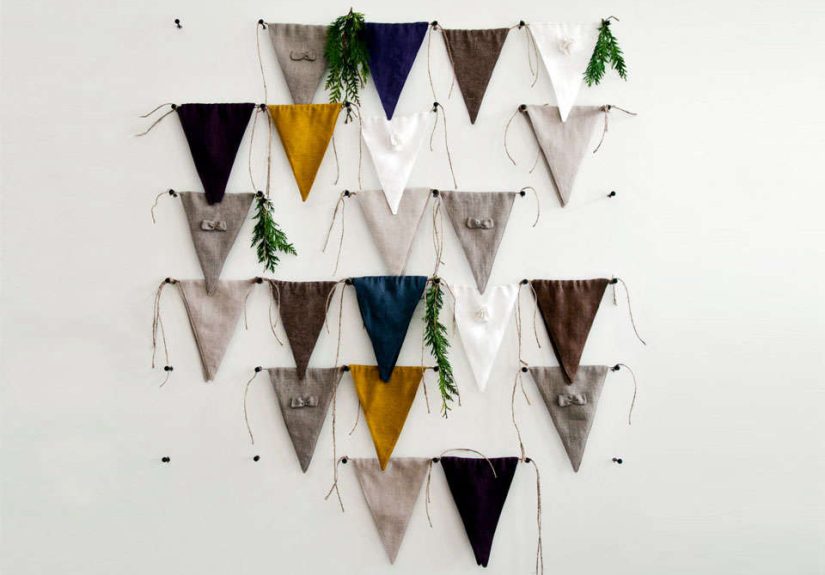
“Bunting” is a broad term for decorative flags (often triangles or swallowtails) strung along a ribbon, twill tape, or bias strip. You’ll also hear terms like fabric banner, pennant banner, or linen garland. In plain English: it’s a string of little fabric flags that instantly makes any space feel more festive.
Bunting vs. Banner vs. Garland: Does It Matter?
Not reallyuntil you’re shopping or planning measurements.
- Bunting: multiple flags/pennants repeated along a string.
- Banner: sometimes a single statement piece (like “HAPPY BIRTHDAY”), sometimes used interchangeably with bunting.
- Garland: a catch-all term that includes fabric, paper, greenery, pom-poms, felt balls, or anything else that hangs in a festive line.
A linen fabric banner bunting specifically uses linen (or a linen blend) as the flag material. That choice affects everything: texture, drape, durability, and how “elevated” it looks in photos.
Why Linen Works So Well for Bunting
Linen is made from flax fibers, and it has a reputation for being breathable, sturdy, and slightly wrinkly in a way that looks intentional (the rare kind of wrinkly we can all support). For bunting, that translates into decor that’s lightweight enough to hang easily but structured enough to look polished.
That Texture: Rustic, Modern, and Classic at the Same Time
Linen’s natural slubs (tiny irregularities in the fiber) create a softly textured surface that reads “handcrafted” even when it’s professionally made. That’s why linen bunting fits in so many aesthetics:
- Farmhouse: warm, neutral, relaxed
- Modern minimalist: clean shapes, matte texture
- Boho: earthy fabric, layered styling
- Coastal: airy look, natural fiber feel
- Vintage: timeless textile, soft color palettes
Durability That Makes It Reusable
A big perk of fabric bunting is that it’s not “one-and-done.” Linen is known for strength among natural fibers, so a well-made linen pennant banner can handle repeated usebirthday after birthday, holiday after holidayespecially if you store it correctly (we’ll get to that).
Breathable and Lightweight (Yes, Even for Decor)
Breathability matters more than you’d think. Lightweight fabrics hang more smoothly, are less likely to pull down your adhesive hooks, and flutter nicely if you’re using bunting outdoors. Linen also tends to dry relatively quickly after gentle washing, which is useful if your bunting meets frosting, punch splashes, or a surprise drizzle.
A Sustainability Bonus (When You Shop Smart)
If sustainability is on your radar, linen can be a strong contender because it’s a plant-based fiber and long-lasting. The most eco-friendly linen bunting is the one you reuse for yearsso durability and classic design aren’t just aesthetic choices; they’re practical ones.
Popular Styles of Linen Banner Bunting
The shape and construction of the pennants affect the vibe, the drape, and how much effort you’ll spend keeping everything looking tidy.
1) Classic Triangle Pennants
The standard for a reason. Triangle bunting looks cheerful without screaming “children’s birthday party” (unless you want it to). It works for weddings, showers, nurseries, and seasonal mantel styling.
2) Swallowtail Pennants
These have a “V” cut at the bottom, like a tiny flag. Swallowtails feel a little more tailored and often photograph beautifully for events like engagement parties and bridal showers.
3) Scalloped or Rounded Flags
Softer edges give a sweeter, more whimsical look. These are popular for baby showers, nurseries, and “soft vintage” interiors.
4) Mixed Shapes or Layered Pennants
Some designs alternate shapes (triangle, rectangle, swallowtail) or layer smaller flags on top of larger ones. This adds dimension, which is great for backdrops and big blank walls.
Single-Layer vs. Double-Layer Linen
- Single-layer bunting is lighter, often more casual, and can look beautifully “artisan.” Edges may be hemmed, serged, pinked, or left raw depending on style.
- Double-layer (lined) bunting is sturdier, hangs flatter, and looks clean from both sidesideal when the back will be visible (like across a room).
If you’re buying bunting as a long-term decor piece, double-layered flags often hold shape better over time. If you love a relaxed, slightly boho look, single-layer can be perfect.
How to Choose the Right Linen Bunting for Your Space
Step 1: Measure Like You Mean It (But Keep It Simple)
Before you buy or DIY, measure the space where the bunting will hang. Then decide how you want it to drape:
- Flat and taut: clean, modern, less “party.”
- Gentle swoop: classic bunting look (most common).
- Deep dip: dramatic and cozy, but needs more length.
A quick rule: for a gentle swoop, plan on about 10–20% extra length beyond the straight-line distance. For a deep dip, go closer to 25–35% extra. (This is why bunting sometimes looks sad and stretchedit’s not your fault; it’s geometry.)
Step 2: Pick a Color Story That Matches the Moment
Linen bunting shines in palettes that work with its natural texture:
- Neutrals: natural flax, ivory, oatmeal, warm gray (timeless home decor)
- Muted pastels: sage, dusty rose, soft blue (nursery and showers)
- Moody tones: deep rust, olive, navy (fall parties, cozy interiors)
- Classic red/white/blue: patriotic porch decor (especially summer holidays)
For weddings and photo backdrops, a limited palette (2–4 colors) tends to photograph best. For kids’ spaces, mixing prints or adding a single “pop” color can keep it playful without becoming visual chaos.
Step 3: Indoor vs. Outdoor Reality Check
Linen can absolutely be used outdoors for an event, but it’s not a “leave it on the porch all season and hope for the best” fabric unless it’s specifically treated or you live somewhere weather is basically a polite suggestion.
- Wind: lighter linen flags flutter beautifully, but they can twistdouble-layer helps.
- Sun: strong sunlight can fade dyes over time; neutrals hide fading best.
- Moisture: brief dampness is okay if you dry it properly, but repeated rain is not the dream scenario.
How to Hang Linen Fabric Banner Bunting Without the Drama
The best hanging method depends on your surface, your tolerance for wall holes, and whether you want a perfectly even line or a casual drape.
Damage-Free Options (Great for Renters)
- Removable adhesive hooks: reliable for mantels and smooth walls; choose the right weight rating.
- Painter’s tape: surprisingly effective for lightweight bunting on walls (test first).
- Tension rods: perfect for doorways, windows, or between cabinets.
More Secure Options (When You Want “Wind-Proof”)
- Small nails or brads: great for wood trim or fences.
- Staple gun: fast for outdoor party setups (use carefully; don’t staple through the pretty part).
- Twine + tied loops: ideal for porches and pergolas, and it looks charmingly intentional.
Pro Tip: Prevent Twisting
If your bunting flips and twists (especially outdoors), try one of these:
- Use double-layer pennants or add a lightweight interfacing when DIYing.
- Hang with more anchor points (not just two ends).
- Let the flags hang naturally before you “perfect” the spacinglinen relaxes a bit.
DIY Linen Fabric Bunting: A Practical, Not-Too-Fussy Method
Making your own linen bunting is one of those projects that looks impressive and feels oddly therapeuticuntil your cat decides your ribbon spool is a personal enemy. The good news: it can be as simple or as couture as you want.
Materials
- Linen or linen-blend fabric (pre-wash recommended)
- Template (paper or cardstock triangle/swallowtail)
- Fabric scissors or rotary cutter + mat
- Iron + ironing board
- Twill tape, bias tape, or ribbon for the stringer
- Sewing machine (optional) or fusible hem tape (no-sew option)
- Thread, pins/clips, ruler
Step-by-Step (Sewn Version)
- Pre-wash and press your linen. This helps with shrinkage and makes cutting more accurate.
- Decide pennant size. Common sizes are 5–7 inches wide and 7–9 inches tall, but go bigger for large walls.
- Cut your pieces. For double-sided bunting, cut two triangles per flag.
- Sew the pennants right sides together, leaving the top open. Clip the point, turn right-side out, and press.
- Insert into tape. Open the bias/twill tape, tuck the top edge of each flag inside, and stitch along the tape to secure.
- Finish ends. Leave extra tape on both ends for tying or hanging.
No-Sew Linen Bunting (Yes, It’s a Thing)
If sewing isn’t your vibe, you can fold the top edge over a stringer and secure it with fusible adhesive (iron-on hem tape) or fabric glue designed for hems. Keep the flags lighter and avoid heavy outdoor use if you go this route.
Finishing Options That Change the Look
- Hems: polished and long-lasting.
- Serged edges: neat, durable, and slightly modern.
- Pinking shears: cute zigzag edge that reduces fraying.
- Raw edge: intentionally rustic; best with tighter weaves or if you embrace a little fray as “character.”
Personalization Ideas
- Embroidery initials for weddings or nurseries
- Fabric paint for a subtle pattern (polka dots, stars, stripes)
- Appliqué letters (a classic “HAPPY BIRTHDAY” moment)
- Mix solids with one patterned “accent” flag every 3–4 pennants
Caring for Linen Bunting: Cleaning, De-Wrinkling, and Storage
Linen is famously washable, but it prefers a gentle approach. The goal is to keep your bunting looking crisp-ish (in that charming linen way), not shrink it into dollhouse decor.
Washing Tips
- Cold or lukewarm water is your safest bet, especially for the first wash.
- Gentle cycle helps reduce stress on seams and edges.
- Mild detergent keeps fibers happy.
- Avoid heavy fabric softeners; linen tends to soften with use and washing over time.
Drying Without Shrink Panic
Linen can shrink when exposed to high heat. For bunting, the safest routine is air drying or tumble dry low and remove while slightly damp, then lay flat or hang to finish drying. That reduces harsh wrinkling and helps preserve shape.
Wrinkles: The Linen Love Language
Linen wrinklesthis is not a defect, it’s a personality trait. If you want a smoother look for photos:
- Press with steam while slightly damp.
- Use a handheld steamer right on the hanging bunting.
- For quick refresh: lightly mist with water, smooth with hands, and let it dry.
Storage That Prevents “Permanent Crease Art”
- Roll it around a cardboard tube (best for long-term storage).
- Hang it on a skirt hanger or clip hanger inside a closet.
- If folding, fold loosely and don’t stack heavy items on top.
Where Linen Fabric Banner Bunting Looks Amazing
Weddings and Showers
Linen bunting is a quiet hero for dessert tables, welcome signs, gift tables, and photo backdrops. Neutral linen pennants can soften a space without competing with florals or signage. For an outdoor wedding, choose sturdier construction and more anchor points so the wind doesn’t turn your bunting into a ribbon-based interpretive dance.
Nurseries and Kids’ Rooms
Linen bunting can be sweet without being overly themed. Think soft sage triangles, muted rainbow tones, or a simple natural linen garland above a crib (hung safely out of reach). It’s also a smart choice if you like decor that can “grow up” with your kid.
Seasonal and Holiday Decor
Swap bunting seasonally without swapping your whole personality:
- Spring: cream + blush + sage
- Summer: chambray blues, whites, sun-washed tones
- Fall: rust, mustard, deep green, oatmeal
- Winter: ivory + charcoal + evergreen (or classic red accents)
Everyday Home Decor
Not every banner has to scream “party.” A minimalist linen bunting on a bookshelf, above a reading nook, or across a breakfast nook window can feel like a soft textile accentlike pillows, but vertical.
Troubleshooting: Common Linen Bunting Problems (and Fixes)
Problem: The Pennants Sag or Look Uneven
- Fix: Add an extra hook in the middle or use more attachment points.
- Fix: Reduce the dip by tightening the line or shortening the distance between anchors.
- Fix: For DIY, use a sturdier tape/stringer (twill tape is great).
Problem: Flags Twist or Flip
- Fix: Choose double-layer pennants or add light interfacing.
- Fix: Space flags slightly closer together (less free movement).
- Fix: Use a third anchor point outdoors.
Problem: Edges Fray Too Much
- Fix: Hem, serge, or use pinking shears.
- Fix: Consider a linen blend with a tighter weave for raw-edge styles.
Problem: The Whole Thing Looks “Too Flat”
- Fix: Add a little dip and vary the height slightly across a wall.
- Fix: Layer two strands (one shorter, one longer).
- Fix: Mix textureslinen flags with a velvet ribbon stringer for contrast.
Real-World Experiences With Linen Fabric Banner Bunting (About )
If you’ve never used linen bunting before, your first experience will probably start with: “Wow, this looks so classy.” Your second experience will be: “Wow, this wrinkles if I look at it too hard.” Both are normal. Linen is a natural fiber, and it behaves like onemeaning it’s gorgeous, a little stubborn, and extremely rewarding when you work with it instead of trying to bully it into behaving like polyester.
One of the most common “aha” moments people have is realizing that linen bunting photographs differently than paper banners. Paper can glare, curl, or cast harsh shadows. Linen absorbs light in a softer way, so even simple neutral flags can look rich and dimensional in photos. That’s why linen bunting is popular for backdrops: it doesn’t compete with faces, it frames them. If you’re planning a birthday or baby shower photo corner, linen tends to be a “set it up once, reuse forever” kind of win.
When you DIY linen bunting, the biggest practical lesson is usually prepping the fabric. Linen often relaxes after washing, and many crafters learn the hard way that skipping pre-wash can lead to slightly smaller, slightly wonkier pennants after the first clean. Pre-washing also makes the fabric feel more pliable and easier to press, which matters when you’re trying to line up crisp points on triangles. Pressing becomes your secret weaponless because you want perfection, and more because linen rewards a quick press with a professional-looking result.
Another common experience: the moment you hang the bunting and realize your spacing is… interpretive. On the table, the pennants look evenly sized. On the wall, suddenly the last three flags are crowding together like they’re trying to read the same text message. The fix is simplemark spacing on the tape first (even a tiny pencil dot every 4–6 inches), or clip the pennants in place before stitching them down. If you’re buying bunting, look for consistent spacing and a sturdy top tape; it makes hanging easier and prevents the “accordion scrunch” effect.
Outdoor use teaches a different set of lessons. Linen in a light breeze is charming. Linen in a gust can turn into a spinning, twisting mobile. People often end up adding one or two extra anchor points to keep everything facing forward, especially for porches and pergolas. If you’re hosting an outdoor party, it’s also common to take the bunting down the same day (or at least after the event) and let it dry fully if it picked up any moisture. That small habit is what keeps a favorite linen garland looking fresh year after year.
Finally, there’s the emotional experienceyes, decor has feelings now. Linen bunting has a way of becoming part of your family’s “traditions box.” It comes out for birthdays, gets stored with holiday linens, and shows up in photos in the background like a quiet little signature. It’s one of those handmade (or thoughtfully chosen) items that signals celebration without shouting. And honestly, in a world full of disposable everything, that kind of reusable joy is peak home-and-heart decor.