Table of Contents >> Show >> Hide
- First, a quick reality check about depression
- Why “little things” can matter more than they look
- Everyday little things that may help with depression
- 1. Lower the bar (way lower) and be kinder to yourself
- 2. Look good(ish), feel a bit better
- 3. Adjust your environment by 5%
- 4. Move your body gently (no gym membership required)
- 5. Send one low-pressure message
- 6. Let animals do their weird little magic
- 7. Take a tiny creativity break
- 8. Change the scenery (even if it’s just one step outside)
- 9. Nourish and hydrate in “bare minimum” mode
- 10. Create one tiny ritual for “Future You”
- Little things that support professional treatment
- When even the little things feel impossible
- A gentle reminder: it’s not your fault
- Lived-experience snapshots: when small steps made a difference
- Taking your next tiny step
When you’re living with depression, people love to toss out huge solutions:
“Just work out more,” “Try meditating for an hour a day,” “Have you considered
completely changing your life?”
Cool, thanks, but what if you can barely get out of bed and the laundry you meant
to fold last week is quietly forming a new ecosystem on the chair?
The truth is, for many people, tiny, almost embarrassingly small actions can
help chip away at depression’s heaviness. They’re not cures. They’re not magic.
But research on depression and behavioral activation suggests that small, doable
behaviors can gently nudge your brain toward more energy, more connection, and a
little more hope over time.
This guide gathers evidence-informed ideas and everyday “micro-habits” that may
help with depression. Think of it as a menu: you don’t have to do everything.
You don’t even have to finish the menu. You just get to pick one tiny thing and
see how it feels.
First, a quick reality check about depression
Depression isn’t “just sadness” or “being dramatic.” It’s a medical condition
that affects how you think, feel, and function. Leading health organizations
describe depression as a mood disorder that can cause:
- Persistent sadness, emptiness, or hopelessness
- Loss of interest in things you usually enjoy
- Changes in appetite or weight
- Sleep problems (too much, too little, or restless sleep)
- Low energy and fatigue
- Difficulty concentrating or making decisions
- Feelings of guilt, worthlessness, or shame
- Thoughts of self-harm or suicide
If you recognize yourself in this list, it doesn’t mean you’re broken or weak.
It means your brain and body are under a lot of strain, and you deserve support
just as much as someone with any other health condition.
Nothing in this article replaces professional care. If you can, consider reaching
out to a mental health professional (such as a therapist, counselor, psychiatrist,
or your primary care clinician). If you ever feel at immediate risk of harming
yourself, contact local emergency services or a crisis hotline in your country
right away.
Why “little things” can matter more than they look
One of the most studied approaches to treating depression is called
behavioral activation. It’s based on a simple observation: when we’re
depressed, we tend to withdraw, stop doing things, and avoid situations that
might have given us meaning or pleasure before. That withdrawal can make depression
worse, which makes us withdraw more. A vicious cycle.
Behavioral activation asks: what if we gently interrupt that cycle by adding back
small, meaningful actions even when you don’t feel like it yet?
Research shows that gradually increasing your activity level, especially in ways
that align with your values (connection, creativity, movement, rest, learning),
can improve mood and support recovery over time. You don’t start with “go run
5 miles.” You start with “put on socks” or “walk to the mailbox.”
That’s where these little things come in. They’re not about being productive or
“fixing yourself.” They’re about creating tiny openings in the fog moments
where your brain gets a different signal than “everything is impossible.”
Everyday little things that may help with depression
1. Lower the bar (way lower) and be kinder to yourself
Many people with depression also carry a harsh inner critic: “You should be
doing more. You’re lazy. Everyone else is handling life better than you.” That
voice is not a motivational coach it’s more like an endlessly mean commentator.
A practical “little thing” is to shrink your goals until they’re almost
impossible to fail:
- Instead of “clean the kitchen,” try “wash one cup.”
- Instead of “read a book,” try “read one page.”
- Instead of “journal for 20 minutes,” try “write one sentence.”
When you complete even a tiny task, you send your brain a different message:
“I can still do things.” Over time, those small wins can build self-trust and
slightly soften that inner critic.
2. Look good(ish), feel a bit better
No, you don’t have to contour your cheekbones or iron your shirt. But there is
some evidence that how we present ourselves can influence how we feel. On days
when everything feels heavy, try:
- Brushing your teeth, even if that’s the only thing you manage.
- Changing from “slept in this for 3 days” clothes to fresh, comfortable ones.
- Washing your face or taking a quick shower, even if you get back into bed after.
You’re not doing this for Instagram. You’re doing it because a slightly cleaner,
fresher body can feel a tiny bit more livable to be in.
3. Adjust your environment by 5%
Depression can make your surroundings feel like they’re closing in: blinds shut,
dishes stacked, clutter whispering “you’re failing.” Instead of tackling a full
makeover, think in terms of a 5% improvement.
- Open the curtains or blinds to let in natural light.
- Clear just one small surface a nightstand, part of your desk, the coffee table.
- Light a candle, turn on a soft lamp, or play a calm playlist in the background.
These tiny changes don’t fix depression, but they can make your space feel less
like a cave and more like a place where healing is allowed to happen.
4. Move your body gently (no gym membership required)
You’ve probably heard that exercise helps depression. That can feel like a cruel
joke when getting up to grab water feels like hiking a mountain. The good news:
even small amounts of movement stretching in bed, walking around the block,
marching in place during a commercial can help your mood.
Gentle ideas:
- Stretch your arms overhead and roll your shoulders a few times.
- Walk to the end of your street and back.
- Put on one song and sway, wiggle, or dance however your body allows.
The goal isn’t fitness. The goal is to remind your nervous system that your body
can still move and feel something other than frozen.
5. Send one low-pressure message
Depression loves isolation. It tells you that you’re a burden, that people don’t
really care, that you should wait until you’re “better” to reach out. The research,
though, consistently shows that social connection is protective for mental health.
Try one of these:
- Text a trusted person: “Hey, my brain’s a bit stormy today. No need to respond fast, just wanted to say hi.”
- Send a meme, a reel, or a funny post with “this made me think of you.”
- Reply with one line to a message you’ve been avoiding.
You don’t need to be charming or upbeat. You just need to be there a thread of
connection is still a connection.
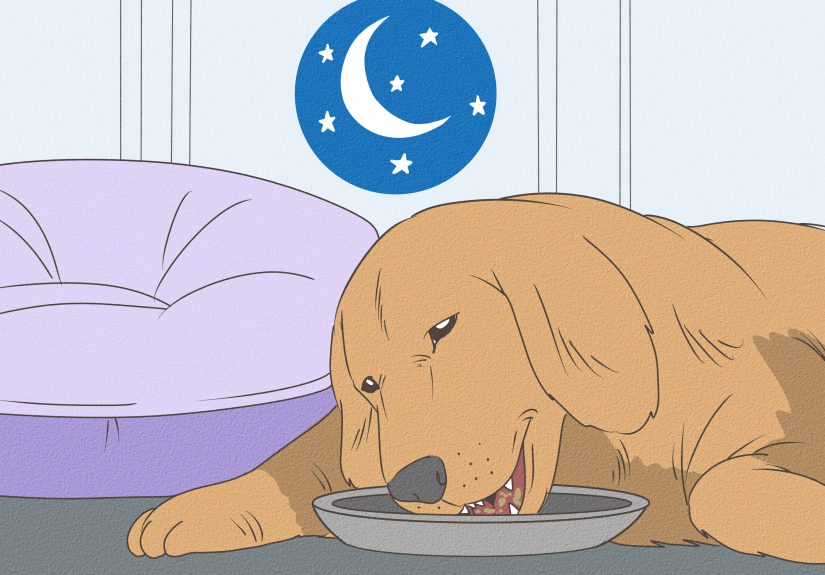
6. Let animals do their weird little magic
If you have a pet, you already know: animals are tiny antidepressant furballs
(or scales, or feathers). Interaction with animals can increase feelings of
comfort and connection for many people.
Little things you can do:
- Sit with your pet and notice their breathing.
- Gently pet them and focus on the texture of fur or feathers.
- If you don’t have a pet, watch animal videos or visit a pet café or shelter if that feels doable.
You’re not “wasting time” you’re letting your nervous system have a break.
7. Take a tiny creativity break
You don’t have to be “talented” to benefit from creativity. Art, music, and
writing engage parts of your brain that depression tends to flatten.
- Doodle random shapes on the back of an envelope.
- Color a page in a coloring book (or print a free page if that’s accessible).
- Play one song and actually listen to it lyrics, instruments, rhythm.
- Write a 3-sentence “update” to yourself about how today feels.
The goal isn’t to produce something impressive. It’s to let your mind play for
a moment, even if the rest of the day feels heavy.
8. Change the scenery (even if it’s just one step outside)
Being indoors all the time can intensify low mood. Spending time in daylight and
nature has been linked to better mental health, but that doesn’t mean you need
a mountain hike.
- Stand outside your door or on a balcony for 2–3 minutes.
- Open a window, feel the air on your face, and look at the sky.
- Sit by a window while you scroll or read.
If going out feels overwhelming, think in micro-steps: put on shoes, open the
door, step outside, step back in. You still did it.
9. Nourish and hydrate in “bare minimum” mode
Depression often hijacks appetite too much, too little, or nothing feels worth
the effort. Instead of aiming for perfect nutrition, aim for “something is better
than nothing.”
- Keep low-effort foods on hand: yogurt, nuts, fruit, soup, frozen meals.
- Drink water, herbal tea, or any non-alcoholic drink you tolerate well.
- If cooking is too much, assemble: bread + cheese, crackers + hummus, fruit + nut butter.
Feeding your body is not indulgent. It’s maintenance, like charging your phone.
10. Create one tiny ritual for “Future You”
Depression makes the future feel fuzzy or pointless. Doing small things for
“Future You” can reconnect you with the idea that you’re someone worth caring
about even if you don’t fully believe it yet.
- Lay out tomorrow’s clothes in one small pile.
- Fill a water bottle and leave it by your bed.
- Write a short note: “If today is rough, remember: you’ve survived 100% of your bad days so far.”
These gestures aren’t about productivity; they’re quiet acts of self-respect.
Little things that support professional treatment
If you’re already receiving treatment for depression, small habits can help you
get more out of it:
- Track your mood briefly. Use a 1–10 scale or a few emojis once a day to notice patterns.
- Jot down therapy thoughts. Keep a note on your phone for things you want to bring up.
- Set reminders for medication. A phone alert, pillbox, or visual cue can make it easier to remember.
- Practice one skill between sessions. If your therapist suggests a coping strategy, try it for 2–3 minutes, not 30.
Again, you don’t have to be perfect. “Good enough” still counts. Your therapist
or clinician isn’t grading you their job is to help you navigate the ups and
downs with realistic steps.
When even the little things feel impossible
Some days, even the smallest action can feel like moving a mountain with a
teaspoon. On those days:
- Reduce the step again. If “shower” is too much, try “sit on the edge of the tub.”
- Ask for help. If you can, tell someone: “Everything feels stuck. Can you sit with me while I do one small thing?”
- Drop the self-judgment. You’re not failing; your brain is working with limited energy.
If you notice that nothing feels bearable, you feel numb or hopeless most of the
time, or you’re thinking about self-harm, that’s a sign you deserve more support
than self-help alone. Reaching out to a professional or crisis service is not
overreacting; it’s taking your pain seriously.
A gentle reminder: it’s not your fault
Depression can warp your inner narrative: “I’m too much, not enough, and somehow
failing at existing.” The reality is that depression is influenced by many
factors biology, brain chemistry, life events, stress, trauma, environment.
You did not choose this.
Trying one tiny helpful thing today is not a promise that you’ll feel great
tomorrow. It’s simply evidence that, even in the middle of all this, there’s a
part of you still reaching toward care. That part deserves a lot more credit
than it gets.
Lived-experience snapshots: when small steps made a difference
To make this more real, here are some composite stories based on common
experiences people share about depression. Names and details are changed, but
the themes are familiar to many.
Maya and the one clean dish
Maya is a young professional who always prided herself on being “the organized
one.” After a major loss and months of chronic stress, her depression slammed
into her so hard that dishes piled up, emails went unanswered, and she stopped
recognizing the person in the mirror.
Her therapist suggested behavioral activation. At first, Maya was annoyed:
“Doing the dishes is not going to fix my grief.” And she was right it wouldn’t.
But they agreed to try an experiment: wash one dish a day. Not the whole sink.
Not the pots. Just one dish.
The first few days felt pointless. But after about a week, she noticed something
small: walking into the kitchen didn’t feel quite as overwhelming. One dish
sometimes turned into two. Eventually, she blocked off 10 minutes with music on,
and tackled a few more things. The dishes didn’t cure her depression, but the
tiny routine gave her a foothold. It was a way of telling herself, “I can still
move, even when I’m hurting.”
J’s 10-minute bench break
J is a college student who started skipping classes because getting out of bed
felt impossible. He stopped answering group texts and assumed his friends were
better off without him. His days blurred into scrolling and sleeping.
One day, a professor gently asked if everything was okay and encouraged him to
speak with campus mental health services. The counselor there didn’t start with
“go back to all your activities.” Instead, they made a deal: J would try going
outside for 10 minutes a day. No pressure to socialize, no expectations to
exercise just sit on a bench, walk slowly, or stand in the sun.
At first, he sat hunched over his phone, counting the minutes. But he started to
notice the breeze, the sound of students talking, the feeling of the sun on his
face. Sometimes a friend would pass by and say hi. Those 10 minutes didn’t make
the depression vanish, but they broke up the numbness and reminded him that the
world was still out there, waiting, not judging.
Luis and the “buddy text” system
Luis lives with recurrent depression. After a particularly rough episode, he
realized that when things got bad, he isolated so completely that even the idea
of dialing a number was too much. So he came up with a “buddy text” system with
two close friends.
The agreement was simple: whenever his depression flared, he would send a
single word: “Gray.” That was their shorthand for “I’m not okay, but I can’t
explain it right now.” His friends didn’t have to fix anything. They’d respond
with heart emojis, reminders that they were there, or simple check-ins like
“Want a voice note or meme?”
Over time, just knowing that “Gray” was an option made him feel less alone. On
the worst days, he might not be able to shower, cook, or handle emails but he
could type four letters. That tiny habit kept a thread of connection alive,
which made it easier to reach for more support when he needed it.
Ana’s bedtime “future me” routine
Ana’s depression showed up as exhaustion and overwhelm. Nights were the hardest:
she lay awake replaying every perceived failure of the day. Her therapist knew
that overhauling her sleep routine all at once would be unrealistic, so they
started with one small “future me” action before bed.
At first, it was just packing her work bag and leaving a glass of water on her
nightstand. It took two minutes. Then she added setting out clothes for the
next morning. Slowly, this tiny ritual transformed how she felt at night. It
didn’t erase the anxious thoughts, but it added a new one: “Someone cared
enough about me to make tomorrow a little easier.” That “someone” was her,
even on days she didn’t feel deserving.
These snapshots don’t romanticize depression. It stays hard, and sometimes
unpredictable. But they highlight a pattern: little things are not little
when you’re depressed. They’re actually huge acts of resistance against the
voice that says, “Why bother?”
Taking your next tiny step
If all of this feels overwhelming, pause and notice: you made it to the end of
an article about taking care of yourself. That, by itself, is a small action.
You don’t have to redesign your life tonight. You don’t have to try every
strategy. You might simply choose one little thing:
- Drink a glass of water.
- Open the blinds.
- Text someone you trust “hey, brain’s heavy today.”
- Stand outside for two minutes.
- Lay out tomorrow’s clothes.
If you’re able, consider pairing these small steps with professional support.
Depression is common and treatable, and you don’t have to navigate it alone.
Your worth is not measured by how productive you are, how quickly you recover,
or how “strong” you look on the outside. It’s measured by the simple, quiet
fact that you are human and that is already enough reason to care for you.