Table of Contents >> Show >> Hide
- Why blood sugar “spikes” happen (and why food matters)
- The simplest structure that works: the “steady sugar” plate
- Los mejores alimentos para regular el azúcar en sangre
- 1) Non-starchy vegetables (your blood sugar’s best friend)
- 2) Beans, lentils, and chickpeas (slow carbs with benefits)
- 3) Whole grains that act like adults (oats, barley, quinoa, brown rice)
- 4) Nuts and seeds (small food, big impact)
- 5) Protein that steadies the meal (fish, poultry, eggs, tofu, Greek yogurt)
- 6) Berries and lower-sugar fruits (yes, fruit can fit)
- 7) Healthy fats that slow the curve (olive oil, avocado)
- 8) Fermented and high-protein dairy (when it works for you)
- Foods that make blood sugar harder to control (most of the time)
- Meal ideas that actually taste good (and don’t spike you)
- Common questions (answered without the drama)
- At the end of the day: regulate, don’t obsess
- 500-word “real life” add-on: How people actually make this work
Translation for your readers (and your SEO): This title means “The best foods to lower (or regulate) blood sugar.” And yesyour body can be dramatic about blood sugar. One minute you’re fine, the next you’re Googling “why am I sleepy after lunch” like it’s a mystery novel.
The good news: you don’t need a lifetime supply of sad lettuce to keep your blood glucose steady. The best “blood sugar-friendly” foods tend to share a few traits: they’re high in fiber, rich in protein and/or healthy fats, and they digest more slowlymeaning fewer spikes, fewer crashes, and fewer “I need a snack or I will become a villain” moments.
Important note: This article is educational, not medical advice. If you have diabetes, prediabetes, or take glucose-lowering medication (including insulin), talk to a licensed clinician or dietitian about changes that could affect your blood sugar.
Why blood sugar “spikes” happen (and why food matters)
When you eat carbohydrates, your body breaks them down into glucose (sugar) that enters your bloodstream. Your pancreas releases insulin to help move that glucose into cells for energy. Problems start when glucose rises quickly (think: sugary drinks, refined grains, giant portions) or when insulin doesn’t work as well (insulin resistance), which is common in prediabetes and type 2 diabetes.
Food can influence blood sugar in three big ways:
- Speed: Some carbs digest fast (white bread), others slow (beans, oats).
- “Buffering”: Protein, fat, and fiber slow digestion and help flatten the glucose curve.
- Portion reality: Even healthy carbs can raise blood sugar if the serving size is doing the most.
The simplest structure that works: the “steady sugar” plate
If you want one strategy that’s both boringly effective and easy to remember, use a plate method:
- Half the plate: non-starchy vegetables
- One quarter: lean protein
- One quarter: high-fiber carbs (whole grains, beans, fruit, starchy veg in sensible portions)
- Optional add-ons: healthy fats (olive oil, avocado, nuts) and water/unsweetened drinks
This approach naturally increases fiber and protein while keeping refined carbs from taking over the party.
Los mejores alimentos para regular el azúcar en sangre
Below are the best evidence-backed food groups to support stable blood sugar, plus concrete examples for real life (not “sprinkle one chia seed on a cucumber and call it dinner”).
1) Non-starchy vegetables (your blood sugar’s best friend)
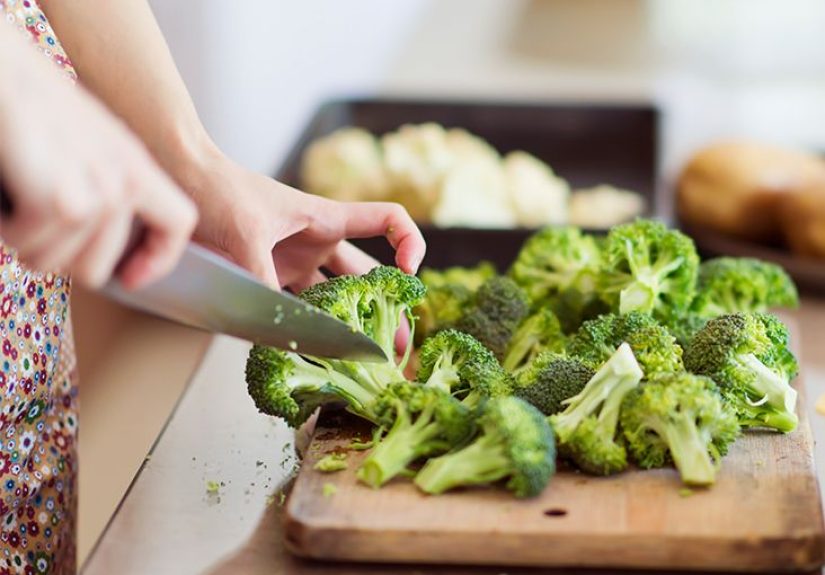
Non-starchy vegetables are low in digestible carbs and high in water and fiber, which helps you feel full with minimal glucose impact. They also add volume, crunch, color, andif you roast thempure joy.
Examples: leafy greens (spinach, kale), broccoli, cauliflower, peppers, cucumbers, asparagus, zucchini, mushrooms, green beans.
How to use them:
- Start lunch and dinner with a big salad or a veggie-forward soup.
- Roast a sheet pan of broccoli + peppers + onions and use it for bowls all week.
- Swap half your pasta/rice portion for sautéed veggies (you still get comfort, with fewer spikes).
2) Beans, lentils, and chickpeas (slow carbs with benefits)
Legumes are a blood sugar powerhouse because they combine fiber + plant protein + slow-digesting starch. That means a gentler rise in glucose compared with many refined carbs.
Examples: black beans, pinto beans, kidney beans, lentils, chickpeas, hummus, edamame.
Easy wins:
- Add chickpeas to salads for “crouton energy” with more fiber.
- Use lentils in tacos, chili, or spaghetti sauce for a hearty, steadying base.
- Snack: veggies + hummus (classic for a reason).
3) Whole grains that act like adults (oats, barley, quinoa, brown rice)
Whole grains contain more fiber and nutrients than refined grains, and they generally digest more slowly. Not all grains hit blood sugar the same wayprocessing matters (steel-cut oats tend to behave differently than instant oats).
Great options: steel-cut or rolled oats, barley, quinoa, bulgur, farro, brown rice, 100% whole wheat.
Practical tips:
- Choose less processed grains when you can (steel-cut over instant; intact grains over “puffed”).
- Keep portions realistic: build the meal around veggies + protein, then add a measured serving of grain.
- Try “grain + bean” combos (like quinoa + black beans) for extra fiber and protein.
4) Nuts and seeds (small food, big impact)
Nuts and seeds bring healthy fats, protein, and fiber, which can slow digestion and improve satiety. They’re also convenientmeaning you’re more likely to actually use them.
Examples: almonds, walnuts, pistachios, chia seeds, flaxseed, pumpkin seeds, peanut/almond butter.
Use them like this:
- Snack: apple + peanut butter (a classic “no crash” combo).
- Breakfast: Greek yogurt + berries + chia/flax for fiber and protein.
- Add crushed nuts on salads or roasted veggies for crunch and staying power.
5) Protein that steadies the meal (fish, poultry, eggs, tofu, Greek yogurt)
Protein doesn’t spike glucose the way carbs do, and it helps slow the absorption of carbs eaten in the same meal. Translation: protein makes carbs behave better.
Great options: salmon, tuna, sardines, chicken, turkey, eggs, tofu/tempeh, plain Greek yogurt, cottage cheese (if tolerated), lean meats.
Example meals:
- Salmon + roasted broccoli + quinoa
- Turkey chili loaded with beans and peppers
- Veggie omelet + side of berries
6) Berries and lower-sugar fruits (yes, fruit can fit)
Fruit contains carbs, but it also offers fiber, water, vitamins, and antioxidants. The key is choosing whole fruit (not juice) and pairing it with protein or fat when needed.
Often well-tolerated choices: berries, apples, oranges, pears, cherries, kiwi.
Smart pairings:
- Berries + plain yogurt
- Orange + a handful of nuts
- Apple slices + nut butter
7) Healthy fats that slow the curve (olive oil, avocado)
Healthy fats slow digestion and can help you feel satisfied, which makes it easier to avoid overeating refined carbs later. They also support heart healthimportant because blood sugar issues and heart risk often travel together like an unwanted duo.
Examples: extra-virgin olive oil, avocado, nuts, seeds.
Easy upgrades:
- Use olive oil + vinegar/lemon as a simple dressing instead of sugary bottled dressings.
- Add avocado to bowls, salads, or whole-grain toast (with eggs for balance).
8) Fermented and high-protein dairy (when it works for you)
Plain, unsweetened yogurtespecially Greek yogurtcan be a high-protein option that supports steadier blood sugar than sweetened versions. The biggest rule: watch for added sugars that turn “healthy” into “dessert in disguise.”
Choose: plain Greek yogurt, plain skyr, or unsweetened yogurt alternatives with protein (check labels).
Foods that make blood sugar harder to control (most of the time)
You don’t have to ban foods forever. But if your goal is steadier blood sugar, these tend to cause the most trouble:
- Sugary drinks: soda, sweet tea, many coffee drinks, juice (liquid sugar absorbs fast).
- Refined grains: white bread, many pastries, refined cereals.
- “Snack math” foods: chips + cookies + crackers that are mostly refined carbs and oil, with little fiber or protein.
- Hidden added sugars: flavored yogurts, granola bars, sauces, and “healthy” drinks.
If you want a simple guideline: keep added sugar modest and read labelsespecially for foods marketed as “protein” or “natural.”
Meal ideas that actually taste good (and don’t spike you)
Breakfast
- Greek yogurt bowl: plain Greek yogurt + berries + chia + chopped walnuts
- Egg scramble: eggs + spinach + peppers + side of fruit
- Oat upgrade: oatmeal topped with peanut butter and cinnamon, plus berries (skip the sugary packets)
Lunch
- Big salad meal: greens + chicken/tofu + chickpeas + olive oil dressing
- Bean-forward soup: lentil soup + side salad
- Leftovers bowl: roasted veggies + salmon + quinoa + avocado
Dinner
- Taco night, smarter: lettuce cups or whole-grain tortillas + beans + veggies + lean protein
- Stir-fry: tofu/chicken + mixed vegetables + a measured scoop of brown rice
- Sheet pan dinner: fish + broccoli + cauliflower + olive oil + spices
Snacks
- Apple + peanut butter
- Veggies + hummus
- Handful of nuts + a piece of fruit
- Hard-boiled egg + berries
Common questions (answered without the drama)
Do I need to avoid all carbs to regulate blood sugar?
Not usually. Many people do better focusing on carb quality (fiber-rich, minimally processed) and carb context (paired with protein/fat), plus portion size.
Is “glycemic index” the best way to choose foods?
It can help, but it’s not the whole story. The same food can act differently depending on portion size, preparation, and what you eat with it. A more practical approach is: prioritize fiber-rich carbs, pair carbs with protein/fat, and monitor how your body responds.
Can spices or hacks (like cinnamon or vinegar) “lower” blood sugar?
Some small studies suggest modest effects for certain foods, but results vary and they’re not a substitute for a balanced diet, activity, and medical care. If you use them, treat them as flavor toolsnot treatment.
At the end of the day: regulate, don’t obsess
Blood sugar regulation isn’t about being perfect. It’s about stacking the odds in your favor, meal after meal. If you build most meals around non-starchy vegetables, add a solid protein, choose high-fiber carbs, and keep added sugars in check, you’ll usually see steadier energyand fewer “why am I starving again?” surprises.
500-word “real life” add-on: How people actually make this work
Let’s be honest: knowing what to eat is one thing. Doing it on a random Tuesday when you’re tired, busy, and your fridge contains three condiments and a single lemon is another. The most successful blood sugar-friendly eating patterns aren’t built on perfectionthey’re built on repeatable routines people can pull off in real life.
Scenario 1: The breakfast breakthrough. A lot of people notice their day goes sideways when breakfast is basically sugar wearing a breakfast costume (hello, pastry + sweet coffee combo). The simple swap that many report as a game-changer is adding protein and fiber early: plain Greek yogurt with berries and chia, or eggs with vegetables and a piece of whole fruit. It’s not magic; it’s just digestion. A steadier start often means fewer cravings mid-morning and less “I’ll eat anything that isn’t nailed down” energy by lunch.
Scenario 2: The lunch that doesn’t require a nap. People who struggle with afternoon crashes often find the culprit is a refined-carb-heavy lunchlike a big sandwich on white bread plus chips. A more blood sugar-steady lunch tends to look like a “plate method” meal: a huge salad (or veggie soup) as the base, a real protein (chicken, tofu, beans), and a measured portion of whole grains if desired. Many people describe a surprisingly practical benefit: they can still work after lunch without feeling like their brain has switched to airplane mode.
Scenario 3: The snack that prevents regret. The most common snack mistake isn’t snackingit’s choosing snacks that are basically fast carbs with no backup (crackers alone, candy, sweet drinks). People who do better often use a simple formula: carb + protein/fat. Apple with peanut butter. Veggies with hummus. Yogurt with nuts. It doesn’t have to be fancy; it just needs to slow the sugar hit so you don’t rebound into hunger an hour later.
Scenario 4: The “I still eat rice” strategy. Many people assume regulating blood sugar means giving up cultural staples (rice, tortillas, noodles) foreverwhich is a great way to quit by Friday. A more sustainable approach people describe is portioning: keeping the staple, shrinking the serving, and expanding vegetables and protein. For example, a smaller scoop of rice with a big stir-fry of vegetables and chicken, plus a little healthy fat like avocado or olive oil. This keeps the meal satisfying while reducing the glucose spike potential.
Scenario 5: The label-reading reality check. People are often shocked when they start checking added sugars in “healthy” foodsflavored yogurt, granola, protein bars, sauces. The experience is usually the same: disbelief, mild betrayal, then empowerment. Once you identify a few lower-sugar staples you actually like (plain yogurt + your own fruit, unsweetened nut butter, whole-grain bread with decent fiber), shopping becomes faster and decisions get easier.
If you take one takeaway from these experiences, make it this: the goal isn’t to eat perfectlyit’s to build a few default meals and snacks that keep your blood sugar calmer most of the time. Consistency beats intensity. Every. Single. Time.