Table of Contents >> Show >> Hide
- What Do We Mean by “Maintenance & Repairs”?
- Why Preventive Maintenance Saves Real Money
- A Seasonal Home Maintenance Blueprint
- DIY vs. Calling a Pro: How to Decide
- Big-Ticket Repairs to Watch Closely
- Budgeting for Maintenance & Repairs Without Losing Your Mind
- Practical Example: A Year in the Life of a House
- Real-World Experiences with Maintenance & Repairs
- Conclusion: Turn “Someday” into a Simple Plan
If owning a home feels a little like being the manager of a very needy building, you’re not wrong. Faucets drip at 2 a.m., furnaces pick the coldest night of the year to quit, and roofs somehow know exactly when your savings account is feeling fragile. The good news? With a smart approach to maintenance and repairs, you can avoid most disasters, keep costs under control, and actually enjoy living in your home instead of constantly worrying it’s about to fall apart.
This guide breaks down what “maintenance & repairs” really mean, how to plan them, when you can DIY, when to call a pro, and what big-ticket items to keep an eye on. Think of it as your playbook for keeping your home safe, comfortable, and not outrageously expensive.
What Do We Mean by “Maintenance & Repairs”?
Maintenance is the regular care that keeps everything working smoothly. It’s cleaning gutters before they clog, changing HVAC filters, testing smoke alarms, and resealing caulk before leaks start. Maintenance is boring in the moment but heroic in hindsightbecause it’s what prevents expensive emergencies later.
Repairs are what happen when something has already gone wrong. A leaking water heater, a dead AC unit in July, a roof leak after a stormthose are repairs. They’re more stressful, often more expensive, and usually less optional.
In a typical year, U.S. homeowners spend several thousand dollars combined on maintenance and emergency repairs, and those costs have been trending upward with inflation, labor, and material prices. Budgeting ahead and doing preventive work is one of the most effective ways to keep those surprise bills as small and rare as possible.
Why Preventive Maintenance Saves Real Money
Most experts suggest setting aside roughly 1%–4% of your home’s value per year for maintenance and repairs. For a $300,000 home, that could be $3,000–$12,000 annually, depending on age, climate, and how well things were maintained before you bought the place.
It sounds like a lot until you look at the price tags on major repair jobs:
- Roof replacement: often $5,700–$12,000 for an average-sized roof, and more if there’s structural damage or premium materials involved.
- HVAC replacement: frequently in the $7,000–$12,000 range for a full system swap.
- Foundation repairs: can run into the tens of thousands if issues are severe.
- Water damage / mold remediation: also potentially tens of thousands if left untreated.
Preventive maintenancecleaning gutters, keeping water away from the foundation, servicing HVAC systems, checking plumbing, and fixing small issues earlydramatically lowers the chances you’ll get blindsided by these big-ticket items. A $200 service call today can easily prevent a $5,000 problem a year from now.
A Seasonal Home Maintenance Blueprint
Instead of trying to think about “everything” all at once, break home maintenance into monthly and seasonal tasks. Many professional checklists follow this rhythm because it’s manageable and lines up with weather changes.
Monthly Must-Do Tasks
- Change or clean HVAC filters: Dirty filters make your furnace and AC work harder, raising energy bills and shortening equipment life.
- Test safety devices: Check smoke detectors, carbon monoxide detectors, and GFCI outlets. Replace batteries as needed.
- Check for water issues: Look under sinks, around toilets, and in basements for dampness, stains, or musty smells.
- Quick visual walkthrough: Listen for strange noises from appliances, look for cracked caulk, peeling paint, or gaps around doors and windows.
Spring: Thaw, Inspect, Repair
Spring is all about undoing what winter did and preparing for heavy rain.
- Inspect the roof: Look for missing or damaged shingles, loose flashing, or sagging areas.
- Clean gutters and downspouts: Make sure water flows away from your foundation, not into it.
- Check exterior caulk and siding: Seal gaps around windows and doors to prevent water intrusion and improve energy efficiency.
- Service the AC: Have a professional tune-up before the first heat wave. It’s cheaper than an emergency call in July.
- Inspect decks, rails, and steps: Tighten loose boards, mend railings, and check for rot to avoid safety hazards.
Summer: Comfort & Curb Appeal
- Maintain landscaping: Trim trees and shrubs away from the house and roof. Overgrown branches can damage siding and shingles.
- Check outdoor faucets and irrigation: Look for leaks that could drive up your water bill or cause soil erosion near the foundation.
- Inspect exterior paint: Peeling or bubbling paint can be a sign of moisture problems. Touch up before wood starts to rot.
- Clean and repair screens: Keep bugs out and fresh air flowing by fixing tears and bent frames.
Fall: Prep for Cold and Storms
Fall is the perfect time to button up the house before winter arrives.
- Clean gutters again: Falling leaves clog gutters fast. Overflowing gutters can lead to ice dams and water damage.
- Service the heating system: Have your furnace or boiler inspected and cleaned. Change filters and check vents.
- Check weatherstripping: Replace worn door sweeps and window seals to prevent drafts and reduce heating costs.
- Shut down exterior water lines: Drain outdoor faucets and irrigation systems where freezing is possible to avoid burst pipes.
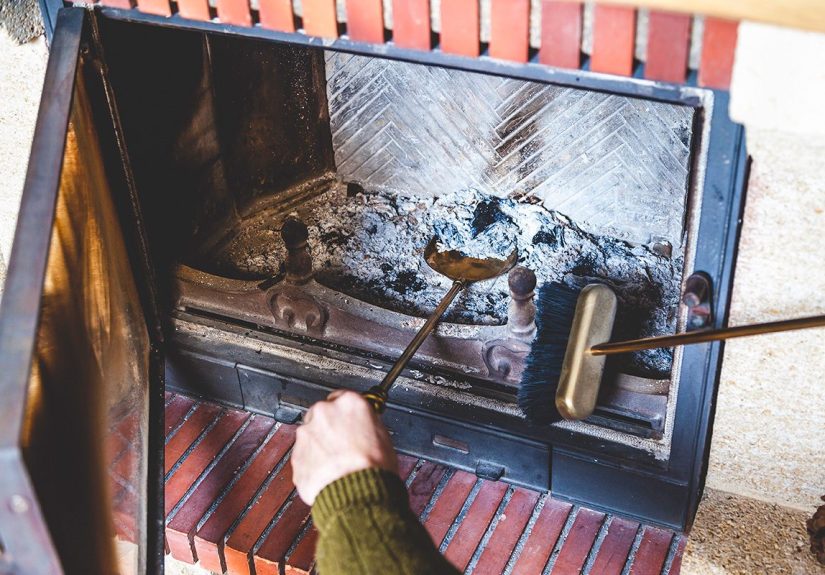
- Inspect chimneys and fireplaces: If you have a wood-burning fireplace, get the chimney cleaned and checked for blockages and creosote buildup.
Winter: Monitor and Protect
- Watch for ice dams: Look for icicles and ice buildup at the roof edge; this can indicate poor insulation or ventilation.
- Check for condensation and drafts: Excess moisture on windows or cold spots on walls can signal insulation or air sealing issues.
- Keep an eye on pipes: In cold climates, open cabinet doors to let warm air circulate and consider pipe insulation in vulnerable areas.
DIY vs. Calling a Pro: How to Decide
One of the biggest money-saving skills in homeownership is knowing what you can safely tackle yourselfand what absolutely belongs in professional hands.
DIY-Friendly Maintenance & Repairs
If you’re reasonably handy and willing to follow instructions, there are plenty of small jobs you can do yourself:
- Painting walls and trim – Takes time but is very beginner-friendly and instantly upgrades a room.
- Patching small drywall holes – Nail pops and small dents are easy to fix with spackle, a putty knife, and sandpaper.
- Fixing a dripping faucet – Often just a worn washer or cartridge. Turn off the water, follow a tutorial, and you’re set.
- Unclogging drains – A plunger or drain snake usually beats harsh chemicals and is safer for your pipes.
- Replacing light fixtures or switches – As long as you turn off the breaker and follow instructions carefully, many simple swaps are DIY-level.
- Cleaning gutters (with care) – Use a stable ladder, work with a partner, and always prioritize safety.
Done right, these projects can save hundreds in labor and give you a sense of control over your space.
When It’s Time to Call a Professional
On the other hand, some jobs are not “learn as you go.” They’re “don’t even think about it” unless you are trained and licensed.
- Major electrical work: Rewiring circuits, upgrading panels, or fixing mysterious power issues can be dangerous and must meet code.
- Big plumbing repairs: Moving drain lines, main supply issues, or anything that could flood your house if it goes wrong.
- Structural repairs: Sagging floors, foundation cracks, bowing wallsthese require professional assessment.
- Roof replacements or major roof work: Beyond a single shingle or two, you want a pro for safety and warranty reasons.
- Gas lines and HVAC systems: Mistakes here can cause fires, carbon monoxide leaks, or expensive damage.
- Projects requiring permits: New decks, major remodels, and many big changes to your home must be inspected to protect you and future buyers.
If a project makes you say, “If I mess this up, I could seriously hurt someone or destroy something expensive,” that’s a strong sign to hire a pro.
Big-Ticket Repairs to Watch Closely
Think of your home as a collection of major systems. Each has warning signs that keep small problems from becoming budget-busters.
Roof
Look for missing or curling shingles, granules collecting in gutters, or any signs of sagging or leaks in the attic. Minor repairs might cost a few hundred dollars; a full replacement can easily run into the five-figure range. Regular inspectionsespecially after stormscan catch damage early.
HVAC System
If your heating or cooling system is over 15 years old, making odd noises, struggling to reach temperature, or causing wildly fluctuating energy bills, an evaluation is in order. Annual tune-ups and filter changes help extend the life of the system and keep efficiency high.
Foundation and Drainage
Cracks that grow over time, doors that suddenly stick, and uneven floors can be signs of foundation movement. Often, the root cause is poor drainagewater pooling near the foundation. Keeping gutters clear and grading soil away from the house are relatively cheap steps that can prevent very expensive repairs later.
Plumbing and Water Damage
Slow leaks are sneaky and expensive. Watch for discolored walls or ceilings, warped flooring, musty smells, or unexpectedly high water bills. Fix small leaks immediately, and don’t ignore “just a little drip” under a sinkit rarely stays little.
Mold, Termites, and Other Hidden Issues
Mold often follows water problems, and termites follow moisture and unprotected wood. Regular inspections in basements, crawlspaces, and attic areas can catch infestations or mold growth before they cause serious structural damage.
Budgeting for Maintenance & Repairs Without Losing Your Mind
Home expenses feel a lot less stressful when you’ve already planned for them. Try a layered approach:
- Baseline budget: Set aside at least 1% of your home’s value per year for maintenance and repairs. Older homes or harsh climates may require more.
- Emergency buffer: Build a separate emergency fund equal to 3–6 months of expenses that can double as “the water heater exploded” money.
- Project list: Keep a written list of upcoming big expenses (roof in 5 years, new windows in 3, etc.) and save a little each month toward them.
- Prioritize by safety and damage risk: Fix anything related to water, electricity, or structural stability before purely cosmetic upgrades.
Tracking your spending on maintenance and repairs over time also gives you a realistic picture of what your specific home actually costsnot just what the internet says it should cost.
Practical Example: A Year in the Life of a House
Imagine a homeowner named Jamie. Jamie lives in a 20-year-old, mid-size home in a typical U.S. suburb.
- Spring: Jamie spends a weekend cleaning gutters, checking the roof, touching up exterior caulk, and scheduling an AC tune-up. Total cost: a few hours and one service call.
- Summer: A small patch of peeling paint on the siding turns into a DIY weekend project. Jamie scrapes, primes, and paints, preventing moisture from getting into the wood.
- Fall: Jamie has the furnace serviced, changes weatherstripping on two drafty doors, and drains the outdoor hose bib. Energy bills stay reasonable all winter.
- Winter: Jamie notices a faint water stain on a bathroom ceiling. Instead of ignoring it, they investigate, find a minor leak at an upstairs toilet, and fix a $20 wax ring before it becomes a full-blown ceiling repair.
By staying proactive, Jamie spends money steadily but predictably instead of getting crushed by one huge surprise repair. That’s the power of consistent maintenance.
Real-World Experiences with Maintenance & Repairs
Numbers and checklists are useful, but the experience of dealing with maintenance and repairs is a whole different story. If you ask long-time homeowners, they’ll rarely talk about “spending 1% of property value per year.” Instead, they’ll tell you storiessome funny, some expensive, all educational.
One homeowner might talk about the time they ignored a small water spot on a ceiling because it “wasn’t getting worse.” Fast-forward a year: the stain has doubled, the ceiling is soft to the touch, and a plumber discovers a slow leak from an upstairs shower drain. What could have been a minor fix now includes replacing drywall, repainting, and professionally drying out the space. The most painful part isn’t just the bill; it’s the realization that early action would have cut the damage dramatically.
Another homeowner might proudly describe their first big DIY winreplacing an old, ugly light fixture in the dining room. They watched a few tutorials, turned off the breaker, double-checked the wiring, and took their time. The whole thing cost under $100, and the room suddenly looked more modern and inviting. That small victory built confidence and led to other manageable projects like painting, patching drywall, and installing a new faucet. Over a few years, those DIY skills easily saved thousands of dollars in labor costs.
Of course, every success story has its “learning moment.” Someone will admit they once tried to fix a plumbing leak without locating the main shut-off valve. A fitting slipped, water sprayed everywhere, and they ended up frantically hunting for the valve while the bathroom turned into a shallow pool. The cleanup and subsequent call to a professional became an unplanned lesson in why you always know where your shut-offs areand why you don’t tackle repairs that make you genuinely nervous.
Many homeowners also learn that emotional budgeting matters just as much as financial budgeting. It’s easy to feel overwhelmed when three things break in the same month. People often describe going through a “why did we even buy a house” phase when the washer dies right after they’ve paid for a roof repair. Over time, though, they figure out which issues are urgent and which can wait, and they learn to separate normal wear-and-tear from true emergencies.
New homeowners, especially those who buy fixer-uppers, often talk about the shock of the first year. They might spend far more than they expected on things that are not at all glamorouslike new flooring instead of a fancy backsplash, or updated electrical work instead of a new sofa. But they also talk about the payoff: the moment the home feels solid, safe, and truly theirs. The creaks become familiar, the systems are under control, and they know where every shut-off, filter, and panel is.
Experienced homeowners also tend to make peace with the idea that there will always be a maintenance list. The goal isn’t to finish it forever; it’s to keep it manageable. Some keep a whiteboard or shared digital list of tasks, sorted into “this month,” “this year,” and “someday.” That simple organization turns vague anxiety (“something’s going to break”) into an actionable plan (“we’ll budget for new windows next year, but the loose handrail gets fixed this weekend”).
There’s a quiet satisfaction that comes from staying ahead of problems. People describe feeling proud when a major storm rolls through and their basement stays dry, their roof doesn’t leak, and the power flicker is the worst they experience. They know it’s not luckit’s the payoff from all the unglamorous work they’ve been doing all year.
In the end, maintenance & repairs aren’t just about protecting property value. They’re about protecting your time, your comfort, your safety, and your peace of mind. Every task you complete, every tiny problem you fix early, is one more step toward a home that supports your life instead of constantly demanding emergency attention.
Conclusion: Turn “Someday” into a Simple Plan
Owning a home will never be maintenance-free, but it doesn’t have to be chaotic or terrifying. When you understand the difference between maintenance and repairs, follow a seasonal checklist, budget realistically, and learn when to DIY versus call a pro, you turn a constant source of stress into a series of manageable tasks.
Start small: choose one or two maintenance jobs this week, schedule a professional inspection for any big system you’re worried about, and set up a simple savings plan for future work. Over time, you’ll spend less energy reacting to crises and more time actually enjoying the home you’ve worked so hard to have.