Table of Contents >> Show >> Hide
- What “Wellness 150” Means (And Why Anyone Cares)
- Quick Specs You’ll Actually Use
- Why This Pasta Maker Gets Recommended So Much
- How to Use the Marcato Atlas Wellness 150 Like You’ve Done This Before
- Three Real Pasta Projects That Show Off the Atlas 150
- Common Problems (And the Fixes That Save Your Mood)
- Cleaning and Care: Keep It Working for the Long Haul
- Is It Worth It? Who the Atlas Wellness 150 Is Best For
- Conclusion
- Extra: of Real-World Experiences With the Atlas Wellness 150
There are two kinds of people in the world: the ones who think homemade pasta is “a cute weekend project,” and the ones who have tried it once and immediately start acting like their kitchen is a tiny trattoria. If you’re here, congratulationsyou’re dangerously close to joining group two.
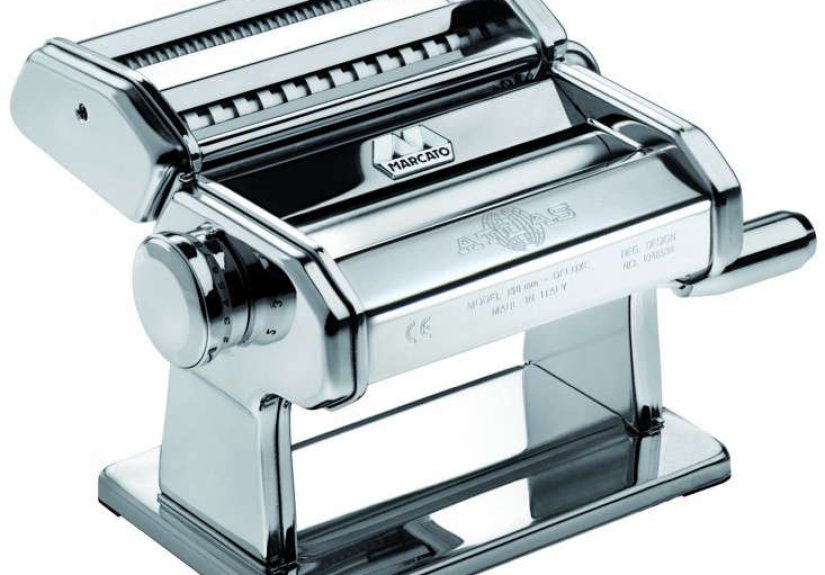
The Marcato Atlas Wellness 150 pasta maker sits in that sweet spot where old-school, hand-crank simplicity meets “wow, this feels like a real tool.” It’s the kind of machine people buy because they’re curious about fresh pasta… and keep because it quietly turns “curious” into “I brought my own fettuccine.”
What “Wellness 150” Means (And Why Anyone Cares)
In the Atlas universe, “150” refers to the roller widthabout 150 mm (roughly 6 inches)which is a practical size for lasagna sheets, ravioli panels, and long ribbons of pasta that make store-bought noodles feel like they forgot to try.
The “Wellness” label is commonly associated with Atlas models that emphasize food-contact materials, including anodized aluminum alloy rollers (and, depending on the set, cutters) designed to keep rolling smooth and consistent. In other words: it’s not a juicer cleanse. It’s a pasta machine glow-up.
Quick Specs You’ll Actually Use
- Roller width: 150 mm (about 6 inches) for pasta sheets
- Thickness settings: 10 positions, from thick to very thin
- Common output: lasagna sheets; many sets include cutters for ribbon pasta like fettuccine and tagliolini
- Setup: countertop clamp + hand crank (motor compatibility on some models/sets)
- Build vibe: “I could hand this down to my future pasta-obsessed relative.”
Why This Pasta Maker Gets Recommended So Much
Lots of pasta machines can roll dough. The Atlas 150 has a reputation for rolling it wellsmoothly, evenly, and without turning your dough into a crumpled scarf. In product testing and reviews, it’s often praised for stable cranking, clean cutting, and the ability to handle very thin sheets without tearing.
1) The thickness dial is the whole game
Great pasta is mostly about controlled thinning. The Atlas-style dial gives you a clear progression: start wide, then step thinner a notch at a time until your dough is where you want it. That prevents sticking, jamming, and the classic beginner move of trying to go from “chunky dough slab” to “see-through silk” in one pass.
2) It feels steady when you crank
When a pasta machine wobbles, you end up using one hand to crank, one hand to stabilize, and a third hand you don’t have to keep the dough from folding into chaos. The Atlas 150-style clamp setup is known for staying put when it’s properly tightened, which makes the whole process less stressful and way more fun.
3) The ecosystem is huge
Even if you start with sheets and one cutter, you can expand later. There are accessories for different noodle widths, specialty shapes, and motorization options depending on the model. That means you don’t “outgrow” it quicklyyou just get more ambitious (and possibly more insufferable about pasta, but in a charming way).
How to Use the Marcato Atlas Wellness 150 Like You’ve Done This Before
Step 1: Clamp it like you mean it
Choose a sturdy counter or table. Tighten the clamp so the machine doesn’t shift when you crank. If your surface is slick, a thin towel under the clamp area can help keep everything stable. (No, you should not clamp it to your wobbly card table. That’s how villains are made.)
Step 2: Start with dough that’s rested
Fresh pasta dough behaves better after restinggluten relaxes, hydration evens out, and rolling becomes smoother. A simple, classic starting point is about 100 grams of flour per large egg, adjusted with a few drops of water or a dusting of flour as needed. You want dough that’s firm, not sticky, and not crumbly.
Step 3: Roll on the widest setting first
Flatten a piece of dough into a rough rectangle and feed it through the widest setting. Fold it into thirds like a letter, then run it again. Repeat a few times to build a smoother sheet with straighter edges.
Step 4: Work down the dial gradually
Move down one setting at a time, rolling the sheet through each stage. Lightly dust with flour if the dough feels tacky. For many ribbon pastas, you’ll often land in the mid-to-thin range. For stuffed pasta like ravioli, you usually want thinner so the filling doesn’t feel like it’s wearing a winter coat.
Step 5: Cut (or don’t) based on what you’re making
If your set includes cutters, feed the final sheet through to create noodles like fettuccine or tagliolini. If you’re making lasagna or stuffed pasta, keep it as sheets and cut by hand. Either way, dust lightly with flour and keep strands separated. Fresh pasta loves to cling to itself like it’s scared of being alone.
Step 6: Cook fast, because fresh pasta is impatient
Fresh pasta cooks quicklyoften in just a couple of minutes depending on thickness. Taste early. Drain and sauce immediately. And yes, you are allowed to do a little victory dance.
Three Real Pasta Projects That Show Off the Atlas 150
Silky fettuccine with a simple butter-sage sauce
Roll to a thin setting that still has structure, cut into fettuccine, and cook briefly. Toss with butter, sage, black pepper, and a shower of Parmesan. This is the “I made pasta” dish that tastes like you booked a flight to Italy without leaving your stove.
Lasagna sheets that actually feel homemade
Roll wider sheets, trim to fit your pan, and parboil briefly if you want easier layering. Homemade sheets bake up tender and luxuriousespecially when you’ve controlled the thickness instead of trusting the pasta aisle to read your mind.
Ravioli night (a.k.a. the reason people invite friends over)
Roll thin, place filling (ricotta-lemon, mushroom, butternut squashlive your truth), then seal well. The Atlas makes it easier to get consistent thin sheets so the filling-to-pasta ratio tastes intentional, not accidental.
Common Problems (And the Fixes That Save Your Mood)
The dough tears or looks ragged
- It’s often too dry. Add a tiny bit of water and knead again.
- Or it hasn’t rested. Give it 20–30 minutes wrapped up.
- Start wider and reduce thickness more gradually.
The dough sticks to the rollers
- Lightly dust the dough and the sheet with flour.
- If it’s very sticky, knead in a small amount of flour and rest it again.
- Avoid over-flouring to the point your pasta tastes dustyaim for “nonstick,” not “sandstorm.”
Noodles clump after cutting
- Dust strands lightly and separate into loose nests.
- Let noodles rest on a rack or a floured towel for a few minutes before cooking.
- Don’t stack fresh strands in a pile unless you enjoy untangling puzzles.
Cleaning and Care: Keep It Working for the Long Haul
Pasta machines aren’t “rinse it under the faucet” tools. The usual best practice is to let any stuck dough dry, then brush it out. Many Atlas-style designs use built-in scrapers that help keep rollers cleaner during use, and you finish with a dry brush afterward. The goal is simple: dry cleaning, minimal moisture, no soaking.
- Let residue dry for a bit, then brush off.
- Wipe the exterior with a dry or barely damp cloth (avoid wetting the internals).
- Store in a dry place so everything stays smooth and rust-free.
Is It Worth It? Who the Atlas Wellness 150 Is Best For
The Marcato Atlas Wellness 150 makes the most sense if you:
- Want “real” fresh pasta without buying a bulky electric extruder.
- Like tools that last and don’t feel disposable.
- Enjoy a hands-on process (or want to pretend you do while secretly loving the results).
- Plan to make pasta more than oncebecause you probably will.
If you only want pasta twice a year, you might be happy with a simpler option. But if pasta night is going to be part of your personality, the Atlas line is exactly the kind of “buy once, cry once” purchase people rarely regret.
Conclusion
The Marcato Atlas Wellness 150 pasta maker isn’t just a gadgetit’s a repeatable process for turning flour and eggs into something that tastes unmistakably fresh. The 150 mm roller width hits the practical sweet spot, the multi-step thickness dial makes consistency achievable, and the overall build is why it keeps showing up in serious reviews and home kitchens alike.
Make it once and you’ll understand the hype. Make it twice and you’ll start giving unsolicited pasta advice. Make it three times and you’ll be looking at accessories like, “Do I need a new cutter?” (You don’t. But also… maybe you do.)
Extra: of Real-World Experiences With the Atlas Wellness 150
The first time you use a pasta machine like the Atlas Wellness 150, you learn two important lessons immediately: (1) your counter needs to be sturdier than your confidence, and (2) dough has feelings about being rushed. Most people start out thinking the machine will do the hard part. It doeskind of. What it really does is make your effort pay off. When the dough is mixed well and rested, the rollers feel almost magically smooth. When it isn’t, the machine becomes a brutally honest friend who says, “Sure… we can try… but this is on you.”
A surprisingly common “aha” moment is realizing you don’t need to wrestle the crank. With a good clamp and a rested dough, the handle turns with a steady, controlled resistancemore like pedaling a bike than starting a stubborn lawnmower. Once you find that rhythm, pasta-making becomes weirdly soothing. Roll. Fold. Roll. Thin it down. Repeat. It’s the culinary version of leveling up in a video game, except your reward is dinner.
Another experience people talk about: the thickness dial changes how you think about pasta. You stop treating noodles as one-size-fits-all. You start making intentional choices: slightly thicker sheets for a hearty ragù, thinner sheets for delicate ravioli, medium-thin ribbons for a lemony cream sauce. You also learn that “thinner is better” isn’t always truesometimes a touch more thickness gives you that satisfying bite that holds sauce like it has a job.
Then there’s the “fresh pasta clump” phase. Nearly everyone goes through it once. You cut your gorgeous noodles, set them down, turn to grab a pot, and return to find your fettuccine has formed a single unified pasta organism. The fix becomes part of your routine: dust lightly, separate strands, make nests, and give them breathing room. A small drying rack or a floured towel becomes your best sidekick, and you start feeling like you’ve unlocked a secret handshake.
Over time, the Atlas becomes less of a special-occasion tool and more of a reliable helper. A weekday “quick” pasta night is suddenly realistic because the workflow gets faster: mix dough, rest it while you prep sauce, roll sheets, cut noodles, cook for a couple minutes, done. You’ll also discover the joy of using sheets beyond pastadumpling wrappers, hand-cut pappardelle, even thin dough for other projects when you want consistent results. The biggest “experience” takeaway is simple: the machine doesn’t just make pastait makes you more confident. And confidence tastes great with Parmesan.