Table of Contents >> Show >> Hide
- From Stock Photo Model to Marvel Superhero
- The Twitter Thread That Turned Into a Meme Storm
- Simu Liu Joins In on the Joke
- The Funniest Marvel Fan Reactions on Twitter
- Why These Uncovered Stock Photos Hit So Hard
- Memes, Fandom, and the New Shape of Celebrity
- What We Can Learn From Simu Liu’s Stock-Photo Era
- Experiences and Reflections: When Old Photos Come Back to Life
- Conclusion
- SEO Metadata
If you’ve ever taken an awkward office photo for a company brochure, take heart: one day you, too, might become a Marvel superhero. That’s more or less what happened to Simu Liu. Long before he wielded the Ten Rings as Shang-Chi, he was striking extremely enthusiastic poses in generic stock photos. Years later, Marvel fans unearthed those photos, posted them on Twitter, and the internet did what it does best: it turned them into memes, running jokes, and a surprisingly wholesome celebration of his glow-up.
The rediscovered stock images show Liu as everything from a delighted office worker to the happiest guy to ever look at a spreadsheet. For Marvel fans who now know him as a powerful MCU hero, seeing him in these low-budget corporate scenarios is both hilarious and oddly inspiring. The result has been a wave of tweets, reaction threads, and memes that perfectly blend fandom culture with the strange immortality of stock photography.
From Stock Photo Model to Marvel Superhero
Before he landed the lead role in Shang-Chi and the Legend of the Ten Rings, Simu Liu did what a lot of aspiring actors do: he took whatever gigs he could get. One of those gigs was a stock-photo shoot in a generic office setting. The pay was small, the brief was simple, and nobody knew that a few years later those photos would be plastered across Marvel Twitter as proof that sometimes the “before” picture turns into something pretty epic.
In interviews, Liu has joked about how that single stock shoot followed him everywhere. The images showed up in ads for software, financial services, fitness programs, and even educational textbooks. For years, he’d stumble across his own face in the wild: smiling at a computer, cheering with coworkers, pointing at graphs like they were the most exciting thing on Earth. It was the kind of low-profile, easily forgotten job that quietly pays the billsuntil the MCU comes calling.
When Marvel officially announced Liu as Shang-Chi, some fans instantly felt a sense of déjà vu. They couldn’t quite place where they’d seen him before, but his face felt oddly familiar. Then Twitter began connecting the dots, and one viral thread later, the legend of Simu Liu: Stock Photo Guy was born.
The Twitter Thread That Turned Into a Meme Storm
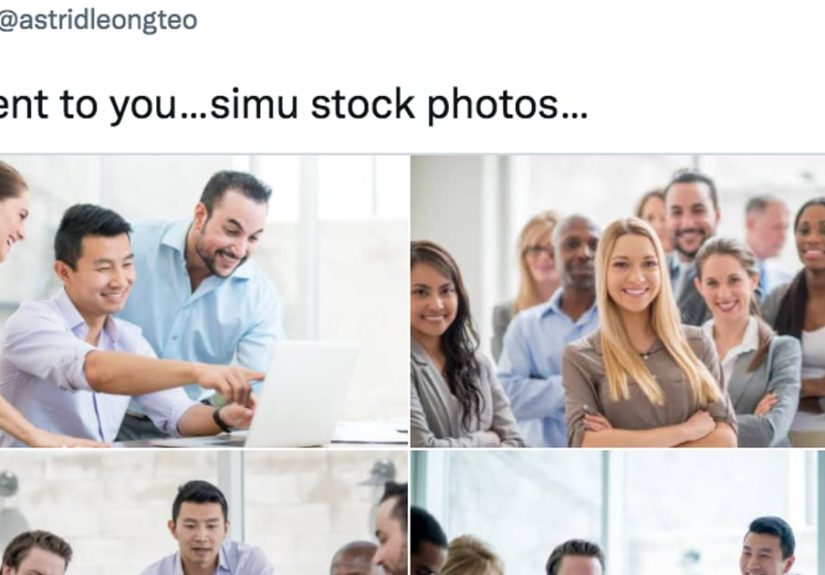
The fun really kicked off when fans started sharing old stock images of Liu in a single Twitter thread. The photos followed a familiar pattern: him in business-casual attire, sitting at a conference table, high-fiving coworkers, or celebrating some clearly fake but very successful project. It was the kind of cheesy corporate imagery that people usually pay to avoid. But once everyone realized the man in the photos was now a full-fledged Marvel hero, those images transformed from generic background filler into instant meme material.
Twitter users zoomed in, captioned, and re-captioned each photo. One image of Liu pointing at a computer screen became an all-purpose reaction to box office numbers, fan theories, and Marvel’s ever-expanding multiverse. Another of him leading a meeting turned into jokes about him pitching himself to Kevin Feige. Fans created entire narrative threads, imagining an MCU where Shang-Chi’s real superpower was crushing Q4 earnings and delivering inspiring PowerPoint presentations.
As more photos surfaced from different stock libraries, the thread grew into a scavenger hunt. People scoured image sites, old blog posts, and corporate landing pages trying to spot hidden “Simu Liu cameos.” It became a fandom-wide game: find the most unexpected place his stock face showed up and share it with the world.
Simu Liu Joins In on the Joke
Of course, the only thing better than a good meme is when the person at the center of it is in on the fun. Simu Liu didn’t just tolerate the jokes; he amplified them. At one point, he used one of his own stock photoshim laughing at a computer screento clap back at people who had doubted Shang-Chi’s box-office potential. The image became a legendary tweet: a former stock-photo model using a budget office pic to celebrate a record-breaking Marvel opening.
He has also poked fun at that early gig in interviews and on social media, joking about how he was paid a tiny one-time fee while the photos went on to be used everywhere. That mix of self-awareness and humility is a big reason fans love him. Instead of trying to bury his old modeling work, he treats it as part of his storya reminder that most success stories include a few extremely awkward pictures.
His playful attitude set the tone for the whole conversation. Fan reactions stopped feeling like people laughing at him and instead became a giant shared laugh we’re all having with him. It’s hard to be embarrassed when you’re the one turning the meme into a Marvel victory lap.
The Funniest Marvel Fan Reactions on Twitter
Marvel fandom is built for moments like this. It’s a community that thrives on screenshots, reaction images, and running jokes. Once Simu Liu’s stock photos were in circulation, it didn’t take long for fans to weaponize them in the best possible way.
1. The “Corporate MCU” Universe
Many fans imagined an alternate timeline where Shang-Chi never found the Ten Rings but instead found a job in middle management. Liu’s photo of himself in a blazer presenting to coworkers inspired captions like “Shang-Chi explaining why the Avengers need better HR policies” or “Simu Liu pitching Phase Four in the quarterly stakeholder meeting.” It turned the MCU into a corporate sitcom, with Shang-Chi as the guy who finally organizes the Avengers’ shared Google Calendar.
2. Dragging the Haters With a Stock Image
When early box-office predictions for Shang-Chi were pessimistic, fans used that now-famous picture of Liu laughing at his computer to mock the critics. After the movie smashed Labor Day weekend records, that image became shorthand for “never bet against Marvel fans” and “yes, representation sells tickets.” It was a rare moment where a single stock image perfectly captured the mood of the fandom.
3. The Pre-Fame Relatability Factor
Another big theme in the reactions was how deeply relatable the photos felt. People joked that they, too, had done weird side hustles or posed for awkward marketing materials to pay rent. Tweets framed Liu as the patron saint of “I did this one random gig years ago and now it haunts me.” Instead of distancing him from fans, those images made him seem even more approachablelike the coworker who eventually made it big.
4. Spotting Simu in the Wild
As the memes spread, people started posting screenshots of places they’d seen Liu’s stock photos long before he was famous: in company training slides, on HR portals, in local advertising, even on gym posters. Suddenly, thousands of everyday spaces turned into accidental Simu Liu shrines. Fans described the surreal feeling of realizing they’d been “working with Shang-Chi” for years without knowing it.
Why These Uncovered Stock Photos Hit So Hard
On the surface, all of this is just funny: a Marvel hero trapped forever in the world of generic business imagery. But the reaction from fans goes deeper than a quick laugh.
First, there’s the underdog energy. Seeing Liu go from low-budget stock shoots to leading a major Marvel film is the kind of career arc people love to root for. It’s tangible proof that your awkward side gigs don’t define you; they’re just a snapshot of where you were at the time. For many fans, especially those working multiple jobs or hustling in creative fields, his story feels like a win for everyone who’s still in their “stock-photo phase” of life.
Second, there’s the representation angle. Liu is one of the rare Asian leads in a Hollywood superhero franchise, and those old photos show him as something mainstream media has historically underrepresented: an Asian guy in everyday professional settings. Even if the photos were generic and slightly cheesy, seeing that face go from anonymous office extra to a blockbuster hero is meaningful. It quietly underlines how far visibility has comeand how far it still has to go.
Finally, the whole saga highlights how the internet never really forgets anything. A one-off gig from years earlier became meme fuel the moment his profile rose. It’s a reminder that the digital trail we leave behind can resurface in wildly unexpected ways. In Liu’s case, it’s largely positive and funny. But it’s also a good nudge for everyone to think twice before signing away their likeness for a small paycheck and unlimited usage rights.
Memes, Fandom, and the New Shape of Celebrity
The Simu Liu stock-photo situation is a perfect example of how modern celebrity and fandom interact. Fans don’t just passively consume movies anymore; they remix, caption, and reframe them. They dig through archives, uncover old interviews, and yes, track down every stock image you ever posed for in 2014. Celebrities who understand thatand who join the fun instead of fighting ittend to build much deeper connections with their audience.
Liu’s decision to laugh along with the memes signals that he sees fandom as a conversation, not a one-way broadcast. That makes people more invested in him as a person, not just as a guy who punches CGI dragons on screen. When he later speaks up on issues like representation and fair opportunities in Hollywood, fans are more likely to listen and support him because they already feel like they “know” him from those earlier, goofier moments.
In other words, the stock photos helped turn Simu Liu from “that Marvel guy” into “our Marvel guy”someone fans feel connected to, not just entertained by.
What We Can Learn From Simu Liu’s Stock-Photo Era
There are a few unexpectedly useful lessons hiding underneath all the jokes:
- Your past doesn’t disqualify your future. Embarrassing or cringey jobs are just chapters, not the whole story. Liu went from office stock model to MCU headliner.
- Humility and humor go a long way. Because he leaned into the memes instead of resenting them, the narrative became celebratory rather than mocking.
- The internet remembers, so be intentional. That doesn’t mean you should never take risks, but it does mean thinking about how your image and work might be reused later.
- Representation shows up in surprising places. Even generic office photos can matter when they quietly challenge old stereotypes about who gets to be seen.
For Marvel fans, the story ultimately feels like a cosmic-level payoff: the guy in the cheesy office brochure turned out to be a literal superhero. It’s the most relatable origin story the MCU never filmed.
Experiences and Reflections: When Old Photos Come Back to Life
To really understand why this story resonates, it helps to zoom out and think about what it feels like when your old photos suddenly go viral. Most of us won’t have our pre-fame gig excavated by millions of Marvel fans, but the basic experienceseeing an older version of yourself circulate onlineis becoming more common for regular people too.
Imagine you did a small photo shoot years ago, or you posed for a school brochure, or your friend uploaded a batch of party photos back in the early days of social media. At the time, it felt insignificant. Maybe you were just trying to pay a bill, help out a friend, or have some fun. Then, years later, your life looks completely different. You’ve changed jobs, moved cities, grown up. Suddenly, those old images resurface. People tag you, send screenshots, and ask, “Is this you?” You’re reminded that the internet has a long memory and that old moments can be yanked into the present without your permission.
There’s a cocktail of emotions that comes with that. Part of you might cringeat the haircut, the clothes, the fact that you once thought that pose was a good idea. Another part might feel oddly protective, like someone just opened a time capsule you didn’t agree to share. But there can also be a sense of pride. You can literally see how far you’ve come, how your circumstances and confidence and opportunities have changed.
Simu Liu’s experience is that feeling multiplied by a global spotlight. Those stock photos were created at a time when he was just trying to get experience and pay rent. They weren’t glamorous, and he didn’t have control over where they ended up. When Marvel fans pulled them out of obscurity, he had a choice: treat them as embarrassing artifacts or as evidence of the grind that led him to where he is now. By leaning into the humor, he transformed potential awkwardness into a badge of honor.
That’s why so many people relate to this story even if they’ve never acted a day in their lives. Plenty of us have old blog posts, cringey tweets, early YouTube uploads, or low-paying gigs we’d rather forget. Seeing someone in the public eye navigate that same dynamic with grace and humor is reassuring. It suggests that your earlier, less polished self doesn’t invalidate who you’ve become; it actually makes your current success feel more honest and earned.
There’s also a broader cultural lesson here about images and ownership. Stock photography in particular is built on the idea that a short, underpaid session can turn into years of commercial use. The person in the photo rarely benefits from the long tail of that exposure. Liu’s story has sparked conversations among photographers, models, and creatives about contracts, licensing, and the true value of your likeness. In a world where anyone can screenshot, repost, and remix your image, that conversation matters more than ever.
For Marvel fans scrolling through Twitter, the stock photos are mainly good for a laugh and a wave of affection. But baked into that laughter is a quiet acknowledgment: everyone starts somewhere. Sometimes “somewhere” is a fluorescent-lit office set with a fake bar chart and staged high-fives. The fact that those moments now coexist with red-carpet premieres and blockbuster openings is exactly what makes the Simu Liu stock-photo saga so satisfying.
In the end, the uncovered photos and the memes they inspired are a kind of living scrapbook. They capture a pre-fame chapter of his life and let fans celebrate the full arcfrom anonymous office guy to Marvel superhero. And if that means the world will never stop using his old stock images as reaction memes, it’s a small price to pay for one of the most unexpectedly wholesome stories in the MCU fandom.
Conclusion
Marvel fans’ reactions to Simu Liu’s uncovered stock photos are funny on the surface, but they also reveal something deeper about fandom, representation, and the weird persistence of our digital past. Those images turned an ordinary side gig into a shared narrative: a tangible, visual reminder that heroes don’t always start out on the red carpet. Sometimes they start with a borrowed blazer, a fake office, and a very enthusiastic high-five.
By embracing the memes and laughing along with fans, Liu turned what could have been a slightly embarrassing discovery into a story of perseverance and relatability. The internet will keep finding new uses for those stock photos, and Marvel fans will keep reacting with the mix of affection, humor, and pride that made the thread go viral in the first place.