Table of Contents >> Show >> Hide
- Why This Moment Feels Different
- Measles 101: What It Is and Why It’s So Contagious
- Florida’s Outbreak Spotlight: Why Schools Become the Flash Point
- What’s Driving the Rise in U.S. Measles Cases?
- Complications: Why Measles Is More Than “A Rash”
- What To Do If You Think You’ve Been Exposed
- MMR Vaccine Basics: What Most People Need to Know
- Public Health Response: What Happens Behind the Scenes
- Florida as a Warning Sign (and a Reminder That Location Doesn’t Make You “Safe”)
- How to Talk About Measles Without Starting a Family Group Chat War
- What Communities Can Do Right Now
- On-the-Ground Experiences: What This Surge Looks Like in Real Life (About )
- SEO Tags
Measles is the kind of virus that doesn’t “kind of” spread. It spreads like a glitter bomb at a toddler’s birthday party: fast, everywhere, and somehow it gets into places you didn’t even know existed.
After years of measles being relatively rare in the United States, reported cases and outbreaks have surged againturning what used to be a public-health history lesson into a very current, very annoying reality.
And while outbreaks have popped up across multiple states, Florida has been a headline magnet. School-linked clusters, difficult containment decisions, and debate over what to do with unvaccinated students have made the state a high-visibility example of how quickly measles can go from “one kid with a rash” to “why are we quarantining half a classroom?”
Why This Moment Feels Different
Measles isn’t new. What’s new is how easily it’s finding gapspockets of communities where vaccination coverage has slipped below the level needed to keep outbreaks from taking off.
Public-health experts often talk about “herd immunity,” but the concept is simple: when enough people are protected, the virus has nowhere to go. When protection drops, measles finds the exit ramps and speeds up.
The Numbers Behind the Trend
Federal surveillance data in 2025 has shown a sharp rise in confirmed measles cases compared with recent years, with a large share tied to outbreaks rather than isolated travel-related infections.
The pattern matters: outbreaks mean sustained transmission, more exposures in schools and waiting rooms, and far more people needing monitoring, testing, and, sometimes, quarantine.
Measles 101: What It Is and Why It’s So Contagious
Measles is a highly contagious respiratory virus. It spreads through the air when an infected person coughs or sneezes, and it can lingermeaning someone can leave a room and the virus can still be there, like the world’s worst party guest who refuses to go home.
How Contagious Are We Talking?
If measles enters a group of unvaccinated people, a large share of exposed individuals can become infected. That’s why outbreaks can grow quickly in schools, childcare settings, and close-knit communitiesespecially when people share indoor air and don’t realize they’ve been exposed until days later.
Symptoms That Often Start Like “Just a Bad Cold”
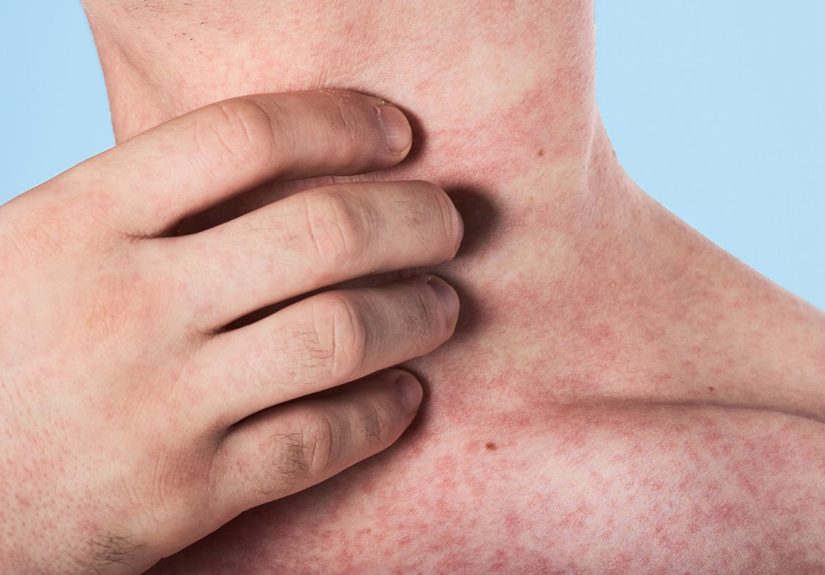
Early measles can look like many other infections: fever, cough, runny nose, and red, irritated eyes. The more recognizable rash typically appears later. That delay is part of the problempeople can spread measles before the rash shows up and before anyone says the word “measles” out loud.
Florida’s Outbreak Spotlight: Why Schools Become the Flash Point
Florida’s recent measles story has repeatedly intersected with schools. That’s not because schools are “dirty” or “unsafe,” but because they are the perfect environment for measles to do what measles does best:
pack itself into shared air, bounce between people with no immunity, and multiply exposures before anyone has time to update the group chat.
Why a School Cluster Can Become a Community Problem
A school-linked case doesn’t stay at school. Students go home to siblings. Parents go to work. Someone stops at the grocery store. Another person sits in a pediatric waiting room with a baby too young for a first routine dose.
Measles turns everyday errands into an exposure web, and public-health departments have to trace contacts across multiple settings, often on tight timelines.
Containment Gets Hard When Vaccination Coverage Is Uneven
The U.S. doesn’t have one uniform vaccination rate. It has thousands of local realities. Some schools and counties have high MMR vaccination coverage, and outbreaks tend to fizzle quickly.
Others have larger immunity gapssometimes tied to exemptions, delays, access challenges, or hesitancyand outbreaks have more runway.
What’s Driving the Rise in U.S. Measles Cases?
1) Immunity Gaps After Years of Disruption
The pandemic era disrupted routine healthcare for many families, including well-child visits. Even when life “returned to normal,” some families didn’t catch up on missed vaccinations,
or they moved, changed providers, or lost track of schedules. Measles doesn’t care about your calendar. It cares about whether you’re protected.
2) Travel + Local Vulnerability = Outbreak Fuel
Measles remains common in parts of the world, and importations happen. On their own, imported cases don’t always spark major spread.
But if a case lands in a community with lower MMR coverage, transmission can take offespecially in close-contact environments like schools, childcare centers, and congregate settings.
3) Misinformation and Confusion About Vaccine Safety
The MMR vaccine has been studied extensively and used for decades. Yet misinformation spreads faster than corrective explanationsespecially online.
In real life, that can translate into delayed vaccination, skipped doses, and communities drifting below the coverage needed to prevent outbreaks.
4) Policy and Messaging Whiplash
During outbreaks, public-health guidance often emphasizes rapid action: identify exposures, isolate cases, vaccinate susceptible contacts, and protect high-risk groups.
When messages feel inconsistentor get tangled in politicsfamilies can become uncertain about what to do, and uncertainty is an underrated outbreak accelerant.
Complications: Why Measles Is More Than “A Rash”
Many people recover, but measles can be seriousespecially for young children, pregnant people, and those with weakened immune systems.
Complications can include pneumonia, severe dehydration, and inflammation of the brain (encephalitis). Hospitalizations are not rare during outbreaks, particularly among the unvaccinated.
Who Is Most at Risk?
- Infants who are too young for routine vaccination schedules
- Unvaccinated children and adults
- Pregnant people
- Immunocompromised individuals (due to certain conditions or medications)
What To Do If You Think You’ve Been Exposed
If there’s a known measles exposure in your areaor you were notified by a school, workplace, or health departmentdon’t panic, but don’t shrug either.
The smartest move is to verify vaccination status and contact a healthcare provider or local health department for guidance.
Step-by-Step: Practical Actions That Actually Help
- Check your records: Confirm whether you (and your children) have received two doses of MMR when appropriate.
- Call before you walk in: If you have symptoms, call your healthcare provider first so they can reduce exposure to others.
- Follow local guidance: Health departments may recommend monitoring, testing, isolation, or vaccination depending on timing and risk.
- Protect vulnerable contacts: Babies, pregnant people, and immunocompromised family members need extra caution.
MMR Vaccine Basics: What Most People Need to Know
The MMR vaccine is the primary tool that prevents measles and stops outbreaks. Two doses provide strong protection for most people.
Routine pediatric schedules typically include one dose in early childhood and a second later. In outbreak settings or certain travel situations, timing may differ based on clinical guidance.
Why Two Doses Matter
A single dose offers strong protection, but a second dose closes the gap for those who didn’t mount full immunity after the first dose.
At a population level, that second dose can be the difference between “a few cases” and “a cascading school outbreak.”
Public Health Response: What Happens Behind the Scenes
Measles response is a high-effort, high-urgency operation. Local and state health departments must quickly confirm cases, identify where exposures happened,
contact potentially exposed people, coordinate with schools and healthcare facilities, and often set up vaccination clinics.
Why Outbreak Control Can Feel Disruptive
Quarantine and exclusion policies are disruptive because measles is disruptive. Keeping susceptible, exposed individuals out of school or group settings can prevent a chain reaction of new cases.
It’s not fun, it’s not convenient, and it is often the fastest way to stop transmission when vaccination coverage is not high enough to do the job quietly.
Florida as a Warning Sign (and a Reminder That Location Doesn’t Make You “Safe”)
Florida’s outbreaks and school exposures illustrate something important: measles isn’t a “far away” issue. It’s a local issue the moment a case shows up in a school, clinic, or airport.
And because Florida has major travel hubs and large, diverse communities, it can act like a microscopemaking national vulnerabilities easier to see.
Specific Examples of How Transmission Happens
- School exposure: An infectious student attends class before symptoms are recognized, leading to notifications and monitoring for classmates and staff.
- Healthcare exposure: A symptomatic person sits in a waiting room, creating a long list of potential contactsincluding infants.
- Community exposure: A family attends a crowded indoor event, and several unvaccinated attendees become infected in the following weeks.
How to Talk About Measles Without Starting a Family Group Chat War
If you’re discussing vaccination with relatives or friends, facts matterbut so does tone. People rarely change their minds because they got dunked on.
A calmer approach works better: ask what worries them, share what you’ve learned, and encourage them to talk with a trusted clinician.
A Script That’s Firm Without Being a Flamethrower
“I’m not trying to argueI just want everyone safe, especially the kids and babies. Measles spreads incredibly easily, and the MMR vaccine is the best protection.
If you’re unsure about it, would you be open to asking your pediatrician or family doctor about your specific concerns?”
What Communities Can Do Right Now
Stopping measles isn’t mysterious. It’s the boring, effective stuff: vaccination, accurate information, early detection, and smart outbreak response.
Communities that boost MMR coverage and reduce delays are far less likely to experience sustained outbreaks.
High-Impact Steps for Schools and Local Leaders
- Make vaccine records easy to review and update
- Partner with local health departments for on-site vaccination clinics
- Improve outbreak communication so parents know what exposure notices mean
- Encourage “call ahead” policies for symptomatic clinic visits to reduce waiting-room exposure
On-the-Ground Experiences: What This Surge Looks Like in Real Life (About )
When people hear “measles outbreak,” they often picture a dramatic movie montage: flashing lights, hazmat suits, ominous music. The reality is less Hollywood and more… spreadsheets, phone calls, and
a pediatric nurse who has said “please don’t come into the waiting room” so many times that it becomes her catchphrase.
In communities dealing with active cases, the first experience many parents have is a school message that lands with a thud in their inbox:
“Possible measles exposure.” The tone is usually calm and official, but the subtext is loud: check your child’s vaccination status now.
Parents who know their kids are up to date feel relief. Parents who aren’t sure start scrolling through portals, digging for records, texting other parents, and discovering that
“I’m pretty sure we did that one” is not the same as documentation.
Clinicians describe a different kind of stress: not just treating a patient, but protecting everyone else around that patient.
If a child comes in with fever and rash during an outbreak, staff may move quickly to isolate the family, use a separate entrance, and minimize time in shared spaces.
It’s not about drama. It’s about the fact that one exposed waiting room can create dozens of follow-up callssome involving babies who can’t yet receive routine vaccination and
immunocompromised patients for whom “just get sick and recover” is not an option.
Public-health workers often say measles contact tracing is like rebuilding a puzzle that keeps changing shape. They ask about classrooms, lunch tables, after-school activities,
houses of worship, birthday parties, sports practice, and who sat next to whom. People try to be helpful, but memory is messy:
“Was that Tuesday? Or Wednesday? Wait, we went to Target too.” Multiply that by dozens of families, and you get a sense of why outbreaks can dominate a local health department’s workload.
In Florida-style school scenarios, the toughest moments can be the practical ones. Families may face exclusion periods if a child is unvaccinated and exposed.
That means missed work, childcare scrambles, and tension that has nothing to do with viruses and everything to do with logistics.
Some parents describe feeling judged; others describe feeling angry that a preventable disease is disrupting school again. Meanwhile, school administrators are stuck balancing
safety, privacy, and communicationtrying to inform families without turning a hallway rumor into a countywide panic.
The most consistent “experience” across outbreaks is how quickly priorities sharpen. People who were lukewarm about vaccination suddenly want appointments.
Communities that assumed measles was gone start asking how to protect vulnerable neighbors. And families learn an uncomfortable truth:
measles isn’t a relic. It’s opportunistic. If there’s a gap, it will find it. The good news is that the same is true of preventionwhen communities close those gaps with vaccination and clear guidance,
outbreaks lose momentum, and life returns to normal (with fewer emails that begin with “due to possible exposure…”).