Table of Contents >> Show >> Hide
- What Exactly Is Measles (and Why Is It Such a Big Deal)?
- Measles Early Signs: The “Before the Rash” Phase
- How Long Is Measles Contagious?
- Measles vs. “Just a Bad Cold”: Red Flags to Watch For
- How Measles Is Diagnosed (and Why Calling Ahead Matters)
- Measles Prevention Tips That Actually Work
- Exposed to Measles? What to Do Next (Post-Exposure Protection)
- How to Manage Measles: Safe, Practical Steps
- Special Situations: Extra Caution for Higher-Risk Groups
- Longer-Term Reality Check: The “Immune Amnesia” Effect
- Common Myths (and the Fast Facts)
- Bottom Line: A Calm Plan Beats Panic
- of Real-World “Experience” Tips: What People Actually Run Into
Measles (also called rubeola) isn’t “just a childhood rash.” It’s one of the most contagious viruses humans deal with,
and it can turn a normal week into a full-blown household lockdown faster than you can say “Where did we put the thermometer?”
The good news: measles is largely preventable, and when it does happen, smart steps can lower the risk of complications and keep it from spreading.
This guide breaks down the early signs of measles, the timeline (so you know what you’re looking at), the best
measles prevention strategies (hello, MMR vaccine), and the most practical ways to manage measles symptoms
safelyat home and with your healthcare team.
What Exactly Is Measles (and Why Is It Such a Big Deal)?
Measles is a viral infection that spreads through the air when an infected person breathes, coughs, or sneezes. Unlike many germs that politely
require close contact, measles is the kind that shows up uninvited, eats your snacks, and leaves its coat on your sofabecause it can linger in the air
and infect people who share the same space later on.
Measles matters because it can cause severe complicationsespecially in babies, pregnant people, and anyone with a weakened immune system.
Even in otherwise healthy kids, it can lead to ear infections, pneumonia, dehydration, and (rarely) brain inflammation.
Quick vocabulary check
- Rubeola = measles (the viral illness discussed here).
- Rubella = German measles (a different virus with different risks).
Measles Early Signs: The “Before the Rash” Phase
The tricky thing about measles is that you can be contagious before you’re sure it’s measles. Early symptoms often look like a bad colduntil they don’t.
Knowing the classic pattern helps you act quickly.
The typical timeline (what happens first)
After exposure, symptoms usually begin about 1–2 weeks later. The first phase is called the prodrome, and it often includes:
- Fever (often high)
- Cough
- Runny nose (coryzasounds fancy, feels annoying)
- Red, watery eyes (conjunctivitis)
- Fatigue, achiness, and that unmistakable “I feel gross” vibe
Koplik spots: the early clue people miss
One classic measles sign is Koplik spotstiny whitish or bluish-white spots inside the mouth. Not everyone notices them,
and you shouldn’t play dental detective for hours, but if you see them alongside fever + cough + red eyes, it’s a big “call your provider” moment.
When the rash shows up (and what it looks like)
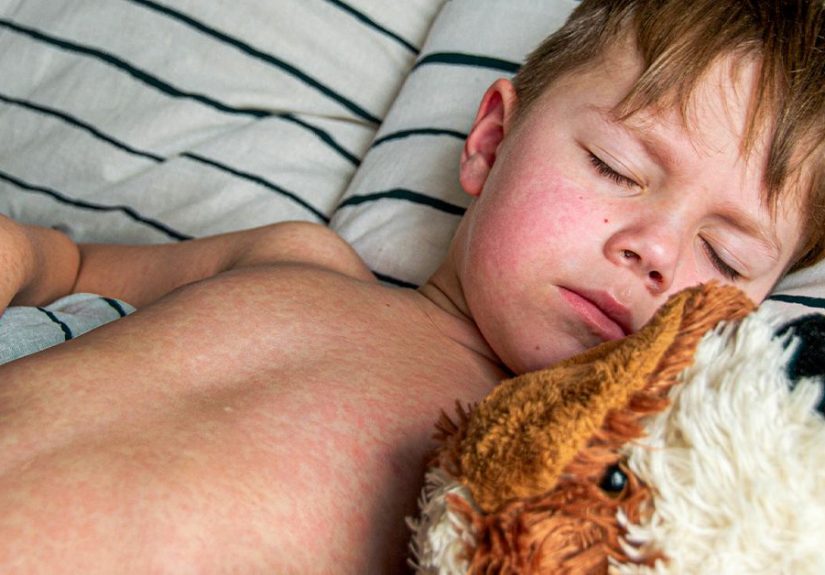
The measles rash usually appears 3–5 days after early symptoms begin. It often starts as flat red spots near the hairline/face,
then spreads down the neck, trunk, arms, legs, and feet. As it spreads, spots can merge together, and fever can spike.
Important: Many illnesses cause rashes. The combinationhigh fever, cough, runny nose, red eyes, and then a spreading rashraises the odds measles is the culprit.
How Long Is Measles Contagious?
Measles can spread from about 4 days before the rash appears through about 4 days after rash onset.
That’s why outbreaks can move quicklypeople may be infectious before anyone knows what’s happening.
Practical takeaway
- If you suspect measles, don’t just walk into a clinic or ER.
- Call ahead so they can protect other patients (especially babies and immunocompromised people).
Measles vs. “Just a Bad Cold”: Red Flags to Watch For
If you or your child has cold-like symptoms, these signs should push measles higher on the listespecially if there’s known exposure, travel,
or low/no vaccination:
- Fever that climbs high and doesn’t behave like a normal cold fever
- Red, watery eyes plus cough and runny nose
- New rash that starts on the face/hairline and spreads downward
- Koplik spots (tiny mouth spots)
When to seek urgent help
Get urgent medical guidance (call your provider or seek emergency care) if there are signs of dehydration, trouble breathing,
persistent confusion, severe lethargy, seizures, or if the patient is a baby, pregnant, or immunocompromised.
How Measles Is Diagnosed (and Why Calling Ahead Matters)
Clinicians diagnose measles based on symptoms and exposure risk, then confirm with lab testing (often coordinated through public health).
Because measles spreads easily through the air, healthcare settings take extra precautions like airborne isolation.
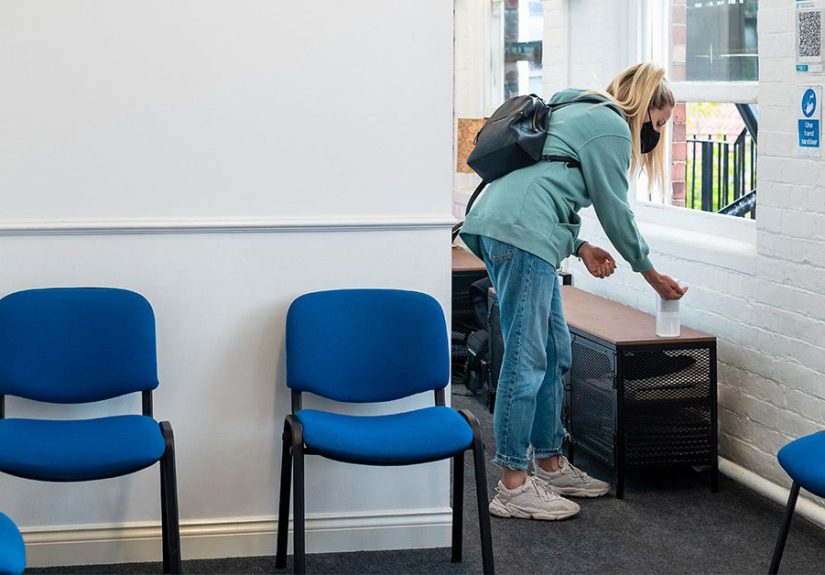
Calling ahead helps clinics route patients safelysometimes through a separate entrance or designated roomto prevent exposing others.
It’s one of the most considerate things you can do with a contagious virus (right up there with covering your cough and returning your shopping cart).
Measles Prevention Tips That Actually Work
If measles had a “final boss,” it would be the MMR vaccine (measles, mumps, rubella). The vaccine is highly effective
and is the best way to prevent infection and stop community spread.
The routine MMR schedule (U.S.)
- Dose 1: 12–15 months
- Dose 2: 4–6 years (can be given earlier if it’s at least 28 days after the first dose)
Travel tip: infants may need an early dose
If an infant (6–11 months) is traveling internationally, they may be recommended an early MMR dose before travel, followed by the two routine doses later.
Ask a clinician for travel-specific vaccine advice.
Adult prevention: do you need another dose?
Many adults are protected, but some aren’t sure of their vaccination history. If you’re uncertainespecially if you work in healthcare,
attend college, travel internationally, or live in an area with an outbreakask your provider whether you should get vaccinated or check immunity.
What about “natural immunity”?
Getting measles to “build immunity” is like learning fire safety by setting your kitchen on fire. Yes, surviving can create immunitybut the costs
can include hospitalization, pneumonia, or rare long-term complications. Vaccination offers protection without the disease’s risks.
Exposed to Measles? What to Do Next (Post-Exposure Protection)
If you think you’ve been exposed to measles and you’re not fully protected, time matters. Post-exposure steps may reduce the chance of illness
or make symptoms milder. This is a “call your healthcare provider now” scenarionot a “wait and see for a week” situation.
Two common post-exposure options (your provider will guide this)
- MMR vaccine within about 72 hours of exposure (may provide protection or reduce severity)
- Immunoglobulin (IG) within about 6 days of exposure (often for high-risk people, such as infants, pregnant people without immunity, or immunocompromised patients)
If there’s an outbreak in your area or you got an exposure alert (for example, a school notice or a travel-related notice),
public health departments often provide additional instructions. Follow their guidance closelythey do this for a living.
How to Manage Measles: Safe, Practical Steps
There’s no special “measles-killer” medication for most cases. Management focuses on supportive care, preventing dehydration,
monitoring for complications, and protecting others from infection.
1) Isolate to protect others
- Stay home and avoid visitorsespecially infants, pregnant people, and anyone with weakened immunity.
- Follow medical guidance about how long to isolate (often through at least 4 days after rash onset; longer for immunocompromised patients).
- If you must seek care, call ahead so the facility can reduce exposure to others.
2) Hydration and nutrition (the unglamorous heroes)
Fever and illness can lead to dehydrationespecially in kids. Offer frequent fluids (water, oral rehydration solutions, broths).
Small sips often work better than big gulps. If urination drops, the mouth is very dry, or dizziness/faintness appears, seek medical advice quickly.
3) Fever and discomfort support
Use age-appropriate fever reducers only as directed by a clinician (or the label), and avoid aspirin in children and teens
unless specifically instructed by a healthcare professional. Light clothing, a comfortable room temperature, and rest matter more than heroic “sweat it out” plans.
4) Soothe irritated eyes and cough
- Dim lights can help if the eyes are sensitive.
- Humidified air may ease cough for some people.
- Encourage rest; measles can be exhausting.
5) Watch for complications
Complications may include ear infections, diarrhea, croup, and pneumonia. Keep a close eye on breathing, hydration, and alertness.
If symptoms sharply worsenespecially breathing trouble, severe lethargy, dehydration, or neurological symptomsseek urgent care.
6) Ask about vitamin A only under medical supervision
Vitamin A is not a measles prevention method, and high doses can be harmful.
In some clinical situationsespecially for hospitalized children or those at risk of deficiencyclinicians may recommend vitamin A as supportive treatment.
This is not a DIY supplement moment. Let a professional decide if it’s appropriate.
Special Situations: Extra Caution for Higher-Risk Groups
Babies (especially under 12 months)
Infants may be too young for routine MMR vaccination, which is why community vaccination rates matter so much.
If an infant is exposed, contact a pediatric clinician immediatelypost-exposure options may differ.
Pregnancy
Measles during pregnancy can increase risks, and vaccination decisions during pregnancy require careful medical guidance.
If you’re pregnant and exposed, call your obstetric provider right away.
Immunocompromised patients
People with weakened immune systems may have more severe disease and may need longer isolation periods and closer monitoring.
If you’re immunocompromised and exposed, contact your specialist or primary clinician immediately.
Longer-Term Reality Check: The “Immune Amnesia” Effect
Beyond the fever and rash, measles can temporarily weaken immune defenses. Research has shown that measles infection can diminish preexisting immune memory,
which may increase vulnerability to other infections for a period after recovery. This is one more reason prevention is such a big deal:
the impact can last longer than the visible rash.
Common Myths (and the Fast Facts)
Myth: “Measles is harmless if you’re healthy.”
Many people recover, but serious complications can happen even in previously healthy children and adults.
The risk is not theoreticalpneumonia and brain inflammation are well-documented complications.
Myth: “Vitamin A prevents measles.”
Vitamin A does not prevent measles. The best prevention is vaccination. High-dose vitamin A can be dangerous without medical supervision.
Myth: “The MMR vaccine isn’t safe.”
The MMR vaccine has a strong safety profile, and claims linking it to autism have been thoroughly discredited.
If you have questions about side effects or medical exceptions, a clinician can help you sort what applies to your situation.
Bottom Line: A Calm Plan Beats Panic
If you remember nothing else, remember this: measles spreads easily, but it’s also highly preventable.
Know the early signs, call ahead if you suspect measles, isolate to protect others, and use supportive care while staying alert for complications.
Most importantly, keep vaccination up to datebecause the best measles management is not getting measles in the first place.
of Real-World “Experience” Tips: What People Actually Run Into
Let’s talk about the part of measles guides that often gets skipped: what it feels like in real life when your household is dealing with a suspected case.
Not the dramatic movie versionmore like the “Why are we doing laundry again?” version.
First, the early days are confusing. Many families describe a rough cold that just won’t quit: a kid (or adult) who’s unusually wiped out, a fever that
keeps climbing, eyes that look irritated, and a cough that sounds deeper than the average sniffle. The hardest part is that measles doesn’t announce itself
with a neon sign at the beginning. People often suspect the flu, a random virus, allergies, or “that thing going around school.” Then the rash arrives and
suddenly everyone is googling “measles rash starts on face” at top speed.
One of the most practical lessons families learn is the “call ahead” rule. It’s tempting to rush into urgent care the moment a rash appears, but
measles precautions in clinics are serious for a reason. People who call first are often given a planwhat entrance to use, where to park, how to mask,
and when to come inso the visit doesn’t accidentally expose newborns in the waiting room. That phone call can feel like a small step, but it’s a big public-health win.
Isolation is another eye-opener. Parents and caregivers often say the hardest part isn’t just keeping the sick person comfortableit’s
keeping everyone else safe while normal life tries to keep happening. There’s the doorbell ringing, the “Can we still go to practice?” questions,
and the awkward text to relatives that basically says, “We love you, but please don’t come over.” People often end up creating a simple “sick zone”:
one bedroom, one bathroom if possible, dedicated towels, and a routine for cleaning high-touch items. It’s not about obsessing over perfection;
it’s about reducing risk when the virus is most contagious.
Then there’s the hydration reality. Families often discover that “drink more fluids” is easy advice and hard execution, especially with kids who feel nauseated.
What actually helps: tiny sips every few minutes, popsicles, oral rehydration solutions, and letting “food rules” relax for a few days.
Comfort and fluids matter more than winning a nutrition award during a fever week.
Finally, many people come out of the experience with a new respect for vaccination records. Not in a moral-judgment wayjust a practical one.
Outbreak notices and exposure alerts tend to make everyone ask: “Are we up to date?” People who can quickly confirm two MMR doses feel a lot calmer,
and those who aren’t sure often decide to talk to their provider about catch-up. The real-world takeaway is simple: the fewer unknowns you have,
the less scary it all feels.