Table of Contents >> Show >> Hide
- What Is a Mesiodens, Exactly?
- How Common Is Mesiodens?
- Mesiodens Causes: Why Does an Extra Tooth Form?
- Why Mesiodens Should Be Treated (or Closely Monitored)
- Warning Signs Parents and Patients Should Not Ignore
- How Mesiodens Is Diagnosed
- Treatment Options: Observation vs Extraction vs Orthodontic Guidance
- When Is the Best Time to Treat a Mesiodens?
- What Happens If Mesiodens Is Left Untreated?
- What Recovery and Follow-Up Usually Look Like
- Practical Consultation Checklist
- Mesiodens Myths (Quick Debunk)
- Conclusion
- Experience Section (Extended): What People Commonly Go Through with Mesiodens
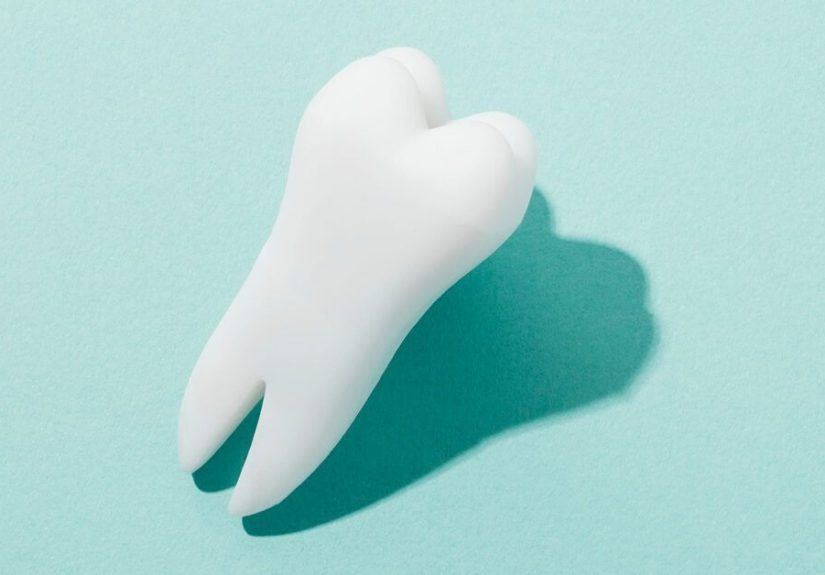
If teeth were party guests, a mesiodens would be that one uninvited friend who shows up early, stands in the doorway, and blocks everyone else from getting in. A mesiodens is an extra tooth (a type of supernumerary tooth) that usually appears between or just behind the upper front teeth. Sometimes it erupts into the mouth. Sometimes it stays hidden in bone like a dental ninja. Either way, it can seriously disrupt the normal eruption pattern and alignment of permanent teeth.
This matters because what starts as “just one extra tooth” can become delayed eruption, crowding, impacted incisors, bite issues, speech or chewing challenges, and a longer orthodontic journey. The good news: with timely diagnosis and the right treatment plan, most mesiodens-related problems can be managed very effectively.
In this guide, we’ll break down mesiodens causes, warning signs, complications, diagnosis, and treatment timing in plain American Englishno panic, no jargon overload, and no scary mystery tooth drama.
What Is a Mesiodens, Exactly?
A mesiodens is the most common type of supernumerary (extra) tooth and typically forms in the midline of the upper jaw, near the maxillary central incisors. It may be:
- Erupted (visible in the mouth), or
- Impacted (hidden beneath the gums or in the jawbone).
Shape varies too. Some are small and cone-shaped (conical), some are tuberculate (more barrel-like), and some resemble normal teeth (supplemental). A mesiodens can appear alone or with other supernumerary teeth.
How Common Is Mesiodens?
Mesiodens and other supernumerary teeth are uncommon but not rare in dental practice. Studies and clinical references report a relatively low prevalence in the general population, with male predominance noted in many datasets. In everyday terms: most kids won’t have one, but pediatric dentists and orthodontists see this often enough that they actively screen for it, especially when front teeth are late to erupt.
Mesiodens Causes: Why Does an Extra Tooth Form?
The short answer: there isn’t one single cause. The longer answer is more interesting.
1) Genetic Influence
Family patterns are common. If a parent or sibling had supernumerary teeth, the chance is higher that another family member might have them too. Genetics appears to influence how tooth-forming tissues behave during development.
2) Dental Lamina Hyperactivity
One leading theory is dental lamina hyperactivitya patch of tooth-forming tissue becomes overactive and produces an extra tooth bud. Think of it like a duplicate print command sent to the body’s tooth factory.
3) Developmental Mechanisms
Some theories also describe early splitting of a tooth bud or evolutionary “atavistic” tendencies as possible mechanisms. These ideas aren’t mutually exclusive, and different patients may have different triggers.
4) Syndromic Associations
Mesiodens can occur on its own, but supernumerary teeth are also associated with certain conditions, including:
- Cleidocranial dysplasia
- Gardner syndrome
- Cleft lip and/or palate-related dental anomalies
This is why clinicians sometimes recommend additional medical or genetic evaluation when dental findings come with other red flags.
Why Mesiodens Should Be Treated (or Closely Monitored)
Not every mesiodens needs immediate extraction. But every mesiodens deserves a professional plan. Here’s why.
1) It Can Block Eruption of Permanent Front Teeth
This is the big one. A mesiodens can physically obstruct normal eruption of maxillary incisors, leaving one front tooth “missing” longer than expected.
2) It Can Cause Tooth Displacement and Midline Problems
Even when permanent teeth erupt, they may erupt in the wrong place, rotate, or drift, causing a midline shift, spacing issues, or crowding.
3) It Can Contribute to Malocclusion and Orthodontic Complexity
If ignored, a small anatomical problem can become a bigger orthodontic project. Earlier interception often reduces later complexity.
4) It May Increase Risk of Pathology
In some cases, impacted supernumerary teeth are associated with cyst formation or root effects on adjacent teeth. This is one reason follow-up imaging matters.
5) It Can Affect Function, Hygiene, and Confidence
Extra teeth or displaced incisors can make brushing harder, increase plaque retention, and affect smile confidenceespecially in school-age children and teens.
Warning Signs Parents and Patients Should Not Ignore
- One upper front tooth erupts while the matching tooth does not (and the timing gap is prolonged).
- Persistent gap, odd rotation, or unexpected crowding in the upper front region.
- A small extra peg-like tooth appears between front teeth.
- Delayed eruption after the normal age window.
- Dentist reports an impacted or ectopic tooth on X-ray.
Tip: if you’re wondering whether this is “wait and see” or “act now,” that’s exactly what a pediatric dental/orthodontic consult is for.
How Mesiodens Is Diagnosed
Clinical Exam
Erupted mesiodens may be identified during routine dental exams.
Radiographic Imaging
Impacted mesiodens usually requires imaging. Depending on the case, clinicians may use periapical films, panoramic radiographs, or advanced imaging like CBCT when 3D localization is needed.
Important: modern guidelines emphasize justification and radiation safetyespecially in children. Imaging should be individualized, not routine by default.
Treatment Options: Observation vs Extraction vs Orthodontic Guidance
Option A: Careful Monitoring
If the mesiodens is asymptomatic and not disturbing eruption, occlusion, or adjacent roots, the dentist may monitor it periodically.
Monitoring is not neglect. It’s active surveillance with scheduled exams and imaging intervals based on risk.
Option B: Surgical Removal
Extraction is commonly recommended when the mesiodens blocks eruption, displaces teeth, creates crowding, contributes to pathology, or complicates oral hygiene and function.
In many children, removal of the obstructing mesiodens allows the impacted incisor to erupt spontaneously over time. If spontaneous eruption does not occur, orthodontic traction may be added.
Option C: Combined Surgical-Orthodontic Treatment
When incisors remain impacted or malpositioned after extraction, orthodontists can guide eruption and align teeth with braces or other appliances.
When Is the Best Time to Treat a Mesiodens?
This is where nuance matters. Timing depends on:
- Patient age and dental development stage
- Type and position of mesiodens
- Whether adjacent incisors are delayed, displaced, or impacted
- Risk of damaging nearby developing roots
- Need for coordinated orthodontic planning
Some clinicians favor early removal when there is clear eruption interference. Others may delay in selected cases to reduce risk to nearby tooth structures. In practice, treatment timing is individualized and often interdisciplinary (pediatric dentist + oral surgeon + orthodontist).
What Happens If Mesiodens Is Left Untreated?
Sometimes, very little. But sometimes, a lot.
Potential consequences include:
- Persistent delayed eruption of permanent incisors
- Tooth impaction
- Crowding and bite discrepancies
- Midline deviation and esthetic concerns
- Longer, more complex orthodontic treatment later
- Possible cystic or other local pathologic changes in some cases
In other words: the earlier the problem is understood, the more options you usually have.
What Recovery and Follow-Up Usually Look Like
After extraction, most children and teens recover quickly with standard post-op care: soft diet for a short period, oral hygiene instructions, and follow-up visits. The key milestone is not just healingit’s whether the permanent incisor erupts and tracks into a functional, esthetic position.
Follow-up may include:
- Periodic clinical checks of eruption progress
- Timed imaging when indicated
- Orthodontic consultation if eruption is delayed or alignment is off
Practical Consultation Checklist
Bring these questions to your dental visit:
- Is the mesiodens currently causing eruption delay or displacement?
- What are the risks of removing it now versus later?
- What imaging is necessary, and why?
- What is the likelihood of spontaneous eruption after removal?
- At what point would orthodontic traction be recommended?
- Could this finding suggest an underlying syndrome in my child’s case?
- What follow-up schedule should we expect over the next 12–24 months?
Mesiodens Myths (Quick Debunk)
Myth 1: “It’s just an extra tooth, so no big deal.”
Sometimes no big deal. Sometimes a major eruption barrier. It must be evaluated, not guessed.
Myth 2: “If we wait, it will always sort itself out.”
Some incisors erupt spontaneously after intervention, but untreated obstruction can prolong or worsen problems.
Myth 3: “More X-rays always mean better care.”
Better care means appropriate, justified imaging with radiation safety principlesnot automatic imaging.
Conclusion
A mesiodens may be tiny, but its impact on oral development can be huge. The core issue is not simply the presence of an extra toothit’s what that tooth does to eruption, alignment, bite development, and long-term treatment complexity.
The right strategy is individualized: monitor when low-risk, intervene when obstructive or harmful, and coordinate care across pediatric dentistry, oral surgery, and orthodontics when needed. With early diagnosis and evidence-based planning, most patients can avoid bigger problems and keep their smile timeline on track.
Bottom line: when an uninvited tooth crashes the party, don’t ignore itgive it a proper exit plan.
Experience Section (Extended): What People Commonly Go Through with Mesiodens
Real-life mesiodens stories usually begin the same way: “One front tooth came in, and the other never showed up.” A parent notices asymmetry in school photos, or a general dentist flags a delayed eruption during a routine checkup. At first, families often assume the second incisor is simply “late.” Then an X-ray reveals the plot twist: an extra tooth parked in exactly the wrong place.
In many cases, the emotional curve is just as important as the clinical curve. Parents worry they missed something. Kids wonder why their smile looks different from friends. Teens become self-conscious in social settings. A careful clinician usually spends the first part of the consultation normalizing the experience: this is a known developmental issue, it’s manageable, and there is a clear roadmap.
One common experience is decision fatigue around timing. Families hear terms like “watchful waiting,” “interceptive extraction,” and “orthodontic traction,” then ask: “What if we choose wrong?” The most helpful teams translate complex risk into practical milestoneswhat to watch for in the next 3, 6, and 12 months. That structure reduces anxiety and improves follow-through.
Another recurring experience is surprise at how often treatment is staged rather than one-and-done. For example, a child may first have mesiodens removal, then several months of eruption monitoring, and only later a short orthodontic phase for fine alignment. Families who expect a single appointment and instant symmetry can feel frustrated, but those who understand the staged biology of tooth movement usually cope better.
Kids themselves often do better than adults expect. Once they understand the plan in simple language (“This extra tooth is blocking traffic, and we’re clearing the road”), many become cooperative and even proud of progress. Parents frequently report that the hardest part was anticipation, not recovery. Post-procedure discomfort is usually brief, and most children return quickly to normal routines.
In adolescents, the experience can shift from eruption concerns to appearance and confidence. A teen who has lived with a visible gap or displaced incisor may suddenly feel enormous relief when alignment starts improving. It’s not vanityit’s social comfort, self-image, and the freedom to smile without thinking about angles.
Clinicians also notice a pattern: when primary dentists, pediatric dentists, orthodontists, and oral surgeons communicate early, outcomes are smoother. Mixed messages create stress; coordinated messaging builds trust. Families appreciate clear expectations: likely timeline, signs of progress, and what would trigger a plan change.
Perhaps the most practical lesson from patient experiences is this: mesiodens care is less about “removing an extra tooth” and more about protecting the trajectory of a developing smile. Early detection, thoughtful timing, and consistent follow-up are what make the difference between a minor detour and a long dental road trip.
If there’s one takeaway people share afterward, it’s this: “We’re glad we checked early.” Even when treatment wasn’t immediate, having a diagnosis and a strategy transformed uncertainty into manageable steps. And in pediatric dentistry, that shiftfrom worry to a planis often the first real win.