Table of Contents >> Show >> Hide
- What the Metricool and Adobe Express integration actually means
- Why this is a big deal for social media planning
- How Adobe Express strengthens the creative side of the workflow
- How Metricool strengthens the strategy and analytics side
- The bigger trend behind this partnership
- Who benefits most from the new setup
- What marketers should pay attention to now
- Potential limitations to keep in mind
- Final thoughts
- Experiences related to Metricool and Adobe Express for social media planning
- SEO Tags
If social media managers had a theme song, it would probably be a remix of “too many tabs open.” One window for design. Another for scheduling. Another for analytics. A fourth for reporting. A fifth for panic. That messy workflow is exactly why the new connection between Metricool and Adobe Express matters.
With this collaboration, social teams can move more smoothly from creating content to planning posts to tracking performance. In plain English: less tab-hopping, fewer copy-paste gymnastics, and a much better chance of keeping your brain from melting before lunch.
For brands, agencies, creators, and overwhelmed one-person marketing departments everywhere, this is more than a shiny new integration. It is part of a bigger shift in social media management: creative tools and analytics tools are no longer living in separate zip codes. They are starting to work together, which is exactly what busy teams have wanted for years.
What the Metricool and Adobe Express integration actually means
At its core, this partnership connects Adobe Express’s content creation workflow with Metricool’s planning, scheduling, analytics, and reporting capabilities. That sounds wonderfully corporate, so let’s translate it into human.
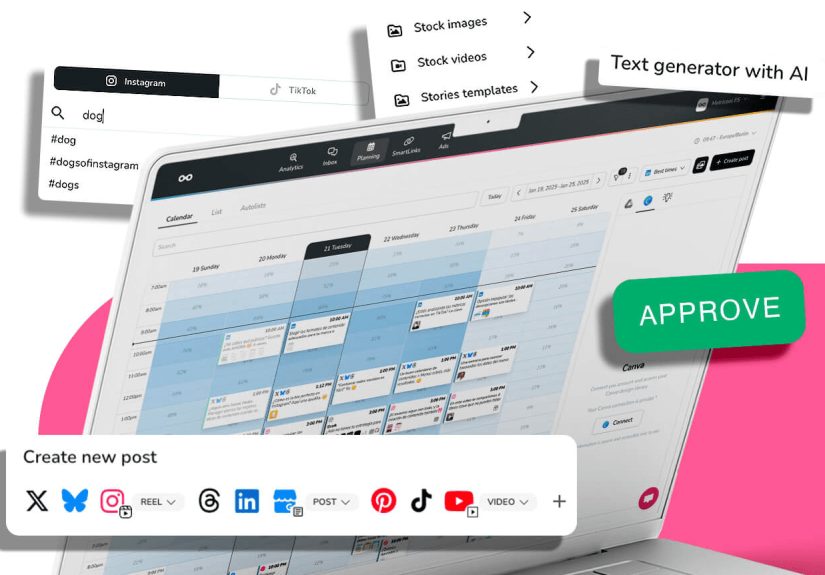
You can now use Adobe Express more naturally alongside Metricool to build visual content, prep it for publishing, and evaluate how it performs across social channels. The setup works in both directions. Metricool users can create and edit visual content from within the planner using Adobe Express, while Adobe Express users can tap into the Metricool add-on for social media analytics, competitor insights, reporting, and scheduling-friendly data.
That matters because social media planning is not just about posting on Tuesday at 2 p.m. and hoping the algorithm feels generous. Real planning includes content creation, calendar management, timing decisions, audience understanding, performance tracking, and reporting. If those pieces live in disconnected tools, teams lose speed and clarity. If those pieces live closer together, strategy gets sharper.
Why this is a big deal for social media planning
Social media planning has quietly evolved from “let’s queue a few posts” into a much more demanding operation. Today’s teams need to keep a brand visually consistent, publish across multiple platforms, adapt content formats quickly, spot what is working, report on results, and often do all of that while answering Slack messages that begin with “quick question.”
That is why content calendars and integrated workflows matter so much. A good planner does not just organize dates. It helps teams scale without chaos, maintain quality, avoid last-minute mistakes, and connect performance data back to content decisions.
The new Metricool and Adobe Express workflow speaks directly to that need. Adobe Express already gives users a content scheduler and planning environment for major social channels. Metricool adds a deeper analytics layer that helps users understand top-performing posts, hashtags, engagement rates, competitor activity, and broader cross-platform performance. Put those together, and you get a more complete social media planning loop: create, schedule, review, refine, repeat.
How Adobe Express strengthens the creative side of the workflow
Adobe Express has become a practical tool for marketers who want fast, polished, social-first creative without diving headfirst into heavyweight design software for every single Instagram graphic. Its appeal is simple: it makes visual creation easier for non-designers while still offering enough flexibility for serious brand work.
On the planning side, Adobe Express already allows users to create, plan, preview, and schedule content in one place. It supports social publishing workflows across platforms like TikTok, Instagram, Facebook, X, Pinterest, and LinkedIn. Users can save ideas as drafts, move content around with drag-and-drop scheduling, preview posts, and keep a better visual handle on upcoming campaigns.
That alone is useful. But when you connect those planning features to stronger social analytics, the tool stops being just a neat content calendar and starts becoming part of a real performance-driven system.
What this looks like in practice
Imagine a small retail brand prepping a spring campaign. The team designs a set of promo graphics in Adobe Express, organizes the posting schedule in a visual calendar, and lines up variations for Instagram, TikTok, and LinkedIn. Instead of treating posting as the finish line, they can use Metricool’s analytics layer to learn which creative assets got the best engagement, which posting times performed best, and which platform deserves more budget or more content next week.
That turns social media planning from a publishing task into a learning system. And that is where the real value lives.
How Metricool strengthens the strategy and analytics side
Metricool has built its reputation around social media management, scheduling, analytics, reporting, and performance visibility. In other words, it is the friend who remembers the numbers after the party.
Inside the Adobe Express ecosystem, the Metricool add-on gives users access to practical data that helps them make smarter content decisions. That includes visibility into top-performing content, engagement rates, cross-platform metrics, competitor benchmarking, and customizable reports. Users can also monitor performance across connected accounts and export reports in formats that are far more client-friendly than a random screenshot with “trust me, it did well” written underneath.
For agencies, this is especially helpful. Agency social teams do not just need to create content; they need to explain results clearly and quickly. A smoother path from post creation to report generation saves time and reduces friction. It also helps account managers look calm, organized, and slightly magical.
Competitor insights are the sneaky power feature
One of the smartest parts of this integration is the ability to bring competitive context closer to the creative process. Marketers often build content in one place and review competitor performance somewhere else, usually after the campaign is already live. That delay is not ideal.
When analytics and competitor tracking are easier to access during planning, teams can adjust before publishing instead of after underperforming. That could mean changing a post format, swapping out a visual angle, testing a different caption style, or rethinking the publishing schedule. None of those decisions are dramatic on their own, but together they can seriously improve results.
The bigger trend behind this partnership
This integration is not happening in a vacuum. It reflects a broader trend in social media marketing tools: the walls between creation, scheduling, and analytics are coming down.
For a long time, marketers had to stitch together separate systems. One tool for design. Another for publishing. Another for analytics. Another for reporting. Another for workflow approvals. Another for trying not to cry. The market has slowly been moving toward consolidation, where platforms aim to support more of the full content lifecycle.
That shift makes sense because social teams are under pressure to do more with less. They need speed, consistency, measurable ROI, and better collaboration. Integrated systems support all of that. They reduce manual work, shorten the time between insight and action, and make it easier to stay aligned across teams.
In that context, Metricool working with Adobe Express feels less like a random feature release and more like an example of where social media planning is headed next.
Who benefits most from the new setup
Small businesses
Small businesses usually do not have separate design, analytics, and social operations departments. They have one person doing all three while also answering customer emails and maybe fixing the office printer. A workflow that reduces switching between tools can make social media planning feel more manageable and less like a circus act.
Agencies
Agencies live and die by efficiency. They need to create content fast, keep calendars organized, prove results, and report clearly to clients. When design and reporting sit closer together, teams can move faster without losing visibility.
Creators and solo marketers
Creators often care deeply about both aesthetics and performance. They want posts to look great, but they also want to know what actually works. This integration supports both needs without forcing them to choose between “pretty” and “strategic.”
In-house social teams
For larger brands, consistency and collaboration are everything. Shared planning, strong creative tools, and performance data all matter. A more unified workflow helps teams keep content on-brand while also making data-informed decisions faster.
What marketers should pay attention to now
The most important takeaway is not simply that Metricool now works with Adobe Express. It is that social media planning is becoming more integrated, more data-aware, and more operationally mature.
Marketers should pay attention to three things here.
First, planning is no longer separate from analytics. A social calendar should not just tell you what is going out. It should help you decide what deserves to go out next.
Second, creative speed matters. If your team can create and adjust content without bouncing between tools all day, you can respond faster to trends, campaigns, and audience behavior.
Third, reporting is part of strategy. When reports are easier to customize and export, insights are easier to share. That means better buy-in from clients, executives, and teammates who are not living in the social dashboard 24/7.
Potential limitations to keep in mind
No integration is a magic wand. Teams still need a real strategy, clear brand guidelines, thoughtful creative, and a basic understanding of what success looks like. A connected toolset can help, but it cannot rescue a content plan built entirely on vibes and wishful thinking.
It is also worth remembering that workflow quality depends on setup. If accounts are not connected properly, reporting goals are unclear, or the team does not agree on what metrics matter, even the best integration will underperform. The tools can streamline execution, but they still need humans to point them in the right direction.
Final thoughts
Metricool now working with Adobe Express is good news for anyone who wants social media planning to feel less fragmented and more intelligent. Adobe Express helps marketers create and organize content with less friction. Metricool adds the analytics, reporting, and competitive context that turns that content into a smarter long-term strategy.
Together, they help close the gap between “we made something” and “we know whether it worked.” In social media, that gap is where a lot of time, money, and patience usually disappear.
So yes, this integration streamlines social media planning. But more importantly, it points toward a better way of working: fewer silos, faster decisions, stronger creative feedback loops, and a workflow that finally feels built for modern social teams instead of against them.
And honestly, if it saves you from opening twelve tabs before your second coffee, that alone deserves a polite round of applause.
Experiences related to Metricool and Adobe Express for social media planning
One of the most relatable things about this kind of integration is how quickly it changes the day-to-day feel of social media work. Before connected workflows like this, planning content often felt like moving groceries from one car to another for no good reason. You design a graphic, download it, upload it elsewhere, schedule it in another dashboard, open a separate analytics view later, then build a report in yet another tab. Nothing in that process is impossible, but all of it is tiring.
With Metricool and Adobe Express working together, the experience becomes less mechanical and more strategic. A social media manager can sketch out a week of posts, build quick creative variations, preview the calendar, and then look at performance data without mentally changing gears every five minutes. That matters because marketing quality often drops when the workflow itself is annoying. Friction does not just waste time; it drains creative energy.
A solo business owner would likely notice the difference first in speed. Instead of spending half an afternoon bouncing between tools, they can stay focused longer on the actual message. A boutique owner planning a weekend sale, for example, might create a few graphics in Adobe Express, line them up in the planner, and later use Metricool-style insights to see whether product posts, behind-the-scenes clips, or simple announcement graphics drove better engagement. That kind of feedback makes the next week’s planning easier and smarter.
Agency teams would probably feel the biggest gain in organization. When designers, content managers, and account leads all touch the same campaign, disconnected systems create delays fast. Someone sends the wrong version. Someone forgets to update the calendar. Someone builds a client report using numbers from the wrong date range. A more unified setup reduces those small disasters. Not glamorous, sure, but very beautiful in an adult, deadline-loving kind of way.
There is also a confidence benefit. When planning and analytics are tied more closely together, marketers do not have to guess quite as much. They can see patterns earlier, spot strong content themes, compare performance across platforms, and make better decisions with less drama. That does not remove experimentation from social media, and it should not. But it does make experimentation feel informed instead of random.
In real working life, that means fewer panicked meetings about why a post flopped and more useful conversations about what to try next. It means better reporting, faster revisions, and a workflow that supports momentum instead of slowing it down. For many teams, that is the true win of the Metricool and Adobe Express connection: not just more features, but a more sane way to plan social media.