Table of Contents >> Show >> Hide
- What “Coupe Line” Actually Means (and Why It Looks So Modern)
- Meet the Miller Set: Color That Looks Expensive Without Trying Too Hard
- The Design Legacy Behind the Coupe Line
- What Counts as a “Full Dinnerware Set” (and How to Build Yours Without Regret)
- Material Matters: Stoneware vs. Porcelain (and Why Your Dishwasher Cares)
- Daily Use: Dishwasher, Microwave, and the Mystery of Fork Marks
- Styling the Miller Set: Make a Weeknight Meal Look Like a “Moment”
- Value Talk: Why a Dinnerware Set Can Be a Long-Term Investment
- If You Love the Coupe Look but Want Options
- Conclusion
- Real-Life Experiences with the Miller Full Dinnerware Set Coupe Line
- SEO Tags
If you’ve ever looked at your dinner table and thought, “This could feel a little more design magazine and a little less miscellaneous ceramic yard sale,” you’re in the right place. The Miller Full Dinnerware Set in the Coupe Line is essentially a cheat code for a table that looks intentionalwithout requiring you to become the kind of person who owns “seasonal chargers.”
At a high level, the Miller set is known for a color mix that pairs deep, inky tones with warm neutralsthink Indigo and Slate alongside Cocoa and Fawn. The vibe is “rustic roots, polished finish,” like denim and khaki, but for plates. It’s classic enough for a weeknight salad, confident enough for a dinner party, and forgiving enough for that one friend who insists on bringing a red wine “that’s basically purple.”
What “Coupe Line” Actually Means (and Why It Looks So Modern)
Rimless, gently curved, and built for food that deserves a runway
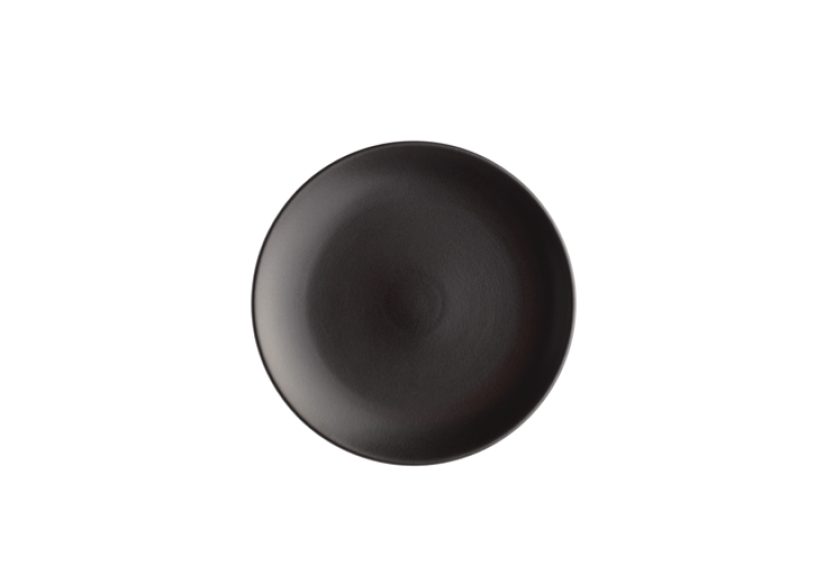
“Coupe” in dinnerware usually refers to a rimless or near-rimless profile with a subtle upward curve at the edge. Instead of a wide, raised rim, the plate surface flows smoothly outwardclean lines, more usable space, and a modern silhouette that makes even scrambled eggs look like they’ve been plated by someone who owns tweezers.
Why people love coupe shapes:
- More plating real estate: You get a larger flat surface compared with rimmed plates of the same diameter, which is great for entrées, composed salads, and anything “saucy but not soup.”
- A minimalist look that plays well with everything: Coupe pieces don’t fight your food, your flatware, or your centerpiece.
- Stacks neatly: Rimless shapes often store efficiently, which matters if your cabinet space is more “apartment practical” than “estate kitchen.”
A quick reality check: Coupe plates can be less effective than rimmed plates at containing liquids. They’re fantastic for pasta, roasted vegetables, and entrées with sauce; they’re not the best choice for a bowl’s job description. The fix is simple: pair coupe plates with bowls for soup, cereal, and anything that sloshes if you look at it wrong.
Meet the Miller Set: Color That Looks Expensive Without Trying Too Hard
The “denim and khaki” strategy for your table
The Miller set’s claim to fame is its balanced, mix-and-match palette: cool tones (Indigo/Slate) meet warm tones (Cocoa/Fawn). That contrast is exactly what makes it feel curated instead of matchy-matchy. The table reads layered and lived-inlike you planned itwithout feeling precious.
Here’s why this palette works so well in real homes:
- It complements both modern and traditional settings: Pair it with clean glassware and matte flatware for a modern look, or mix in linen napkins and wood serving boards for a softer, organic feel.
- It’s forgiving: Darker glazes help visually hide everyday scuffs and stains. Lighter glazes brighten the table and keep it from feeling too moody.
- It photographs beautifully: If you’ve ever taken a picture of dinner and wondered why it looks better in real life, glaze contrast is a big reason.
The Design Legacy Behind the Coupe Line
Old-school design thinking, still doing the most
One reason the Coupe Line keeps showing up in “timeless tableware” conversations is that it’s grounded in mid-century design logic: honest materials, clean geometry, and a shape that’s functional before it’s fashionable. Coupe forms were created with everyday use in mindpieces that feel natural in the hand, stack well, and don’t demand special-occasion-only behavior.
And while the Miller set is a specific palette story, the Coupe silhouette is the foundation: versatile plates and bowls that can mix across lines and glazes without looking like you lost a bet at a ceramics swap.
What Counts as a “Full Dinnerware Set” (and How to Build Yours Without Regret)
Start with the essentials, then add the pieces you actually use
“Full dinnerware set” can mean different things depending on the brand and how you shop. Some people want an all-in-one boxed set. Others want a flexible place setting they can expand over time. A smart approachespecially for coupe-style dinnerwareis to build from the pieces that carry the most weight (literally and emotionally): dinner plates, salad plates, and bowls.
A practical build strategy:
- Start with two plates: a dinner plate for entrées and a salad plate for… salads, toast, desserts, and the snacks you swear are “just a little something.”
- Add bowls based on your actual meals: cereal bowls, soup bowls, or low bowls depending on how you eat.
- Finish with mugs and small plates: because mornings exist, and so does pie.
Suggested set sizes for real life
Instead of buying exactly “service for 4” because a label told you to, consider how you live:
- Solo or couple: 4 place settings (gives you breathing room and a civilized buffer between dishwashing cycles).
- Family of 4: 6–8 place settings (kids, breakage, and “we had guests” all happen).
- Hosts and holiday people: 8–12 place settings (because someone always asks for seconds, and someone else always “just needs a clean fork”).
If you’re mixing glazeslike the Miller palette encouragesconsider repeating each glaze across your core pieces so the table looks intentional. Translation: don’t buy one lonely Slate dinner plate and expect it to feel like a “design moment.” Give it friends.
Material Matters: Stoneware vs. Porcelain (and Why Your Dishwasher Cares)
Choosing the right “everyday durable” for your home
Most coupe dinnerware sets fall under the broader ceramic umbrella, but the feel, weight, and performance vary by material. Two common contenders are porcelain and stonewareand they’re not interchangeable, even if your cabinet says “close enough.”
Porcelain is typically fired at higher temperatures and is known for being strong and refinedoften thinner, sometimes more elegant, and a frequent choice for people who want “light but tough.” Stoneware tends to be denser and more rustic in appearance, often thicker, and built for daily use with a cozy, grounded feel.
For a coupe-style table that leans warm and design-forward, stoneware is a natural fit: it feels substantial, it frames food well, and it gives your table that “I care about the little things” energywithout actually requiring you to iron napkins.
Daily Use: Dishwasher, Microwave, and the Mystery of Fork Marks
How to keep your set looking great without living in fear
Let’s address the big questionsbecause dinnerware should support your life, not become your life.
Dishwasher and microwave use
Many modern ceramic pieces are designed to be dishwasher- and microwave-friendly, but long-term appearance still depends on how you treat them. A good rule: use gentle detergents, avoid overly abrasive cycles, and don’t treat your dishwasher like a demolition derby where plates crash into each other for sport.
Utensil marks (aka “Why does my fork hate me?”)
Dark gray marks from stainless-steel flatware can show up on many ceramics over timeespecially on lighter glazes. The good news: those marks are often removable. Many home and food publications recommend Bar Keepers Friend and a non-crazy-abrasive sponge as a reliable fix for scuffs on ceramic dinnerware. Do a small test first, rinse well, and don’t scrub like you’re trying to erase your past.
Thermal shock: the silent villain
Ceramics can crack from extreme, sudden temperature changes (think: freezer to blazing oven, or a cold plate under very hot water). The simple approach: let pieces warm gradually, avoid extreme jumps, and treat your dinnerware like it’s sturdybut not invincible.
Styling the Miller Set: Make a Weeknight Meal Look Like a “Moment”
Plating and table cues that instantly elevate the vibe
The Miller palette is basically built for effortless styling. Here are a few easy wins:
- Use contrast on purpose: Serve bright foods (greens, citrus, roasted squash) on darker Indigo/Slate pieces; serve rich foods (braises, mushrooms, chocolate desserts) on Cocoa/Fawn or lighter tones for balance.
- Layer your place setting: Put a salad plate on a dinner plate, add a bowl centered on topsuddenly you’re “hosting,” even if you’re eating ramen with dignity.
- Bring in natural textures: Wood boards, linen napkins, and clear glassware complement coupe shapes beautifully and keep the look warm.
- Keep flatware simple: Minimalist flatware lets the glaze variation do the talking. Bonus points if it feels good in your hand.
Specific example: Try a Slate dinner plate with a Cocoa salad plate stacked on top. Add a small bowl in Indigo for soup or salad. The tones stay cohesive, the table feels layered, and your guests will assume you have your life together. (You can keep the secret that you ordered takeout.)
Value Talk: Why a Dinnerware Set Can Be a Long-Term Investment
Cost-per-use is the grown-up metric
High-quality dinnerware can feel pricey until you measure it the way your future self will: cost per use. A set you genuinely love gets used constantlybreakfast, lunch, dinner, snacks, “standing in front of the fridge deciding what your personality is today.” Over years, the cost spreads out, and what you’re really buying is consistency: pieces that look good, feel good, and hold up to the rhythm of everyday life.
Another underappreciated value point: building a set in a consistent line means you can often replace or expand individual pieces later. Instead of rebuying an entire set because one plate chipped, you add what you need. That’s how a “nice set” turns into a “forever set.”
If You Love the Coupe Look but Want Options
Smart alternatives, same silhouette
The coupe profile is widely available, so you can keep the shape while adjusting your budget or aesthetic. If you want the same modern rimless vibe, look for:
- Porcelain coupe plates for a lighter feel and crisp look.
- Stoneware coupe plates for a thicker, more handcrafted presence.
- Neutral coupe sets if you want the Miller palette concept (cool + warm tones) but prefer to build your own color story.
The key is consistency: choose a coupe silhouette you love, then commit to it across your core pieces. That’s how your table stops feeling random and starts feeling curated.
Conclusion
The Miller Full Dinnerware Set in the Coupe Line is a masterclass in practical beauty: clean rimless shapes, a palette that mixes cool and warm tones effortlessly, and a table presence that feels designed without feeling delicate. If you want dinnerware that can handle Tuesday night tacos and Saturday night hosting with equal confidence, this is the kind of set that earns its cabinet space.
Build it thoughtfullystart with plates, add bowls, then finish with the pieces you reach for every day. Treat it well (gentle detergents, avoid thermal shock, remove utensil marks when needed), and it’ll reward you with years of meals that feel just a little more specialyes, even the “I’m eating cereal for dinner” ones.
Real-Life Experiences with the Miller Full Dinnerware Set Coupe Line
What it’s like to live with a coupe set that looks this good
Here’s the part nobody tells you when you’re shopping for dinnerware: the biggest upgrade isn’t how your table looks when guests come over. It’s how your everyday meals feel when nobody’s watching. The Miller palette and coupe shapes tend to create that “tiny luxury” effectlike your kitchen quietly became more put-together overnight.
On weekday mornings, the coupe profile is weirdly satisfying. The gentle curve at the edge makes a bowl feel steady in your hands when you’re half-awake and fully committed to coffee. Mugs (or cups) in a deeper glaze like Indigo tend to hide the inevitable tea stains and “I forgot I had lipstick on” smudges until you’re ready to deal with them. And because the palette is designed to mix, you can grab whatever is clean without creating a table that looks like it was assembled during a power outage.
At lunch, coupe plates shine for the meals that don’t deserve a lot of cleanup. Toast, sandwiches, reheated leftoversanything that benefits from a wide, open surface looks instantly more “plated.” The lack of a wide rim also makes even simple food look centered and intentional. This is the secret sauce of coupe: it doesn’t distract. It frames. Your food becomes the visual focus, which is flattering for the food and, honestly, for you.
Dinner is where the Miller set really earns its keep. The warm-and-cool glaze combination is incredibly forgiving across cuisines. A dark plate under bright greens makes salads and roasted vegetables pop. A lighter plate under a rich braise makes the meal feel cozy instead of heavy. And when you stack piecesdinner plate, salad plate, then a bowlthe layered look reads like a restaurant table setting, even if you’re serving pasta from a pot and calling it “family style” to sound fancy.
Hosting becomes easier, too, because the set naturally creates visual variety without forcing you to buy five different patterns. Guests notice that the table looks curated, but it doesn’t feel precious. That matters. People relax when they’re not afraid to touch the “good plates.” And coupe pieces tend to invite that kind of ease: modern, sturdy-looking, and built for regular use. The best compliment you’ll get is not “these plates are beautiful” (though you’ll get that). It’s “this feels so nice,” because the table setting changes the mood of the meal.
Then there’s maintenancethe reality check. If you use ceramic dinnerware often, you will eventually see utensil marks on some glazes, and you may see tiny signs of wear over time. But that’s normal. The trick is having a simple routine: don’t overload the dishwasher so pieces knock into each other, use gentler detergent if you can, and keep a proven cleaning powder on hand for occasional touch-ups. Once you accept that dinnerware is meant to be usednot preserved like museum artifactsthe Miller set becomes what it’s supposed to be: a beautiful, functional part of daily life.
In short: living with a coupe set like this feels less like “I bought fancy dishes” and more like “I made my everyday life a little better.” And that’s the kind of upgrade that shows up three times a day.