Table of Contents >> Show >> Hide
- Mirena in Plain English: The Quick Facts
- What Is Mirena, Exactly?
- How Mirena Prevents Pregnancy
- How Effective Is Mirena?
- Benefits Beyond Birth Control
- Side Effects: What’s Common, What’s Annoying, and What’s a Red Flag
- Risks and Complications (Rare, But Worth Knowing)
- Who Should Not Use Mirena?
- What to Expect at Insertion (And How to Make It Less Dramatic)
- Removal, Replacement, and Return to Fertility
- Mirena vs. Other IUDs: How to Choose
- Frequently Asked Questions
- Real-World Experiences: What People Commonly Report (About )
- Conclusion
If you’ve ever set three alarms to remember a pill and still managed to outsmart yourself… welcome to the
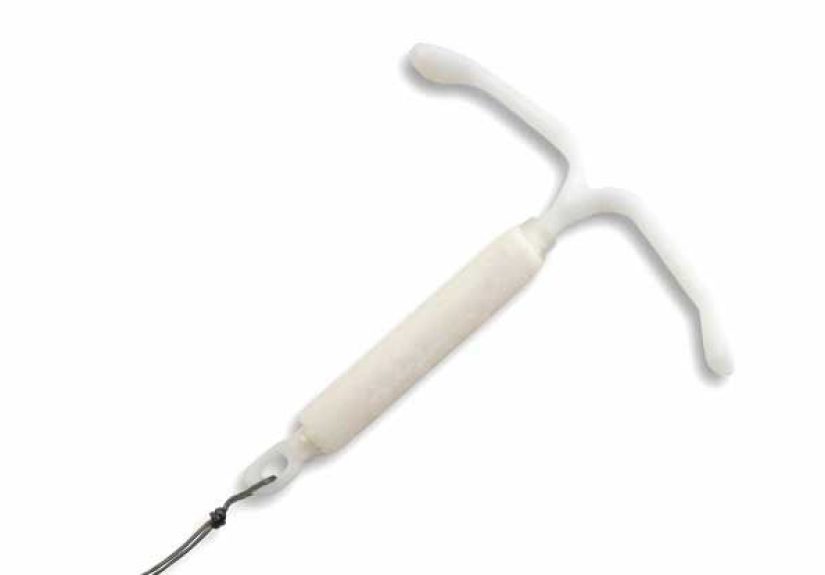
“set-it-and-mostly-forget-it” corner of birth control. Mirena is a small, T-shaped hormonal IUD that sits in
your uterus and quietly does its job for yearsno daily reminders, no weekly patches, no “wait, did I take it?”
panic at 11:47 p.m.
This guide breaks down what Mirena is, how it works, what it can help with (hint: heavy periods), what side
effects are common, what risks are rare-but-real, and what people often wish they knew before getting one.
It’s written for real humansnot robots, not medical textbooks, and definitely not that one internet forum
thread that convinces you everything is doomed.
Mirena in Plain English: The Quick Facts
- What it is: A levonorgestrel-releasing intrauterine device (a hormonal IUD).
- What it does best: Prevents pregnancy and doesn’t require daily action.
- How long it lasts for birth control: Up to 8 years (then it must be replaced if you want to continue).
- Extra FDA-approved benefit: Treats heavy menstrual bleeding for up to 5 years (for people using it for birth control, too).
- What it doesn’t do: It does not protect against STIs.
Mirena is considered a “long-acting reversible contraception” (LARC) method. Translation: it works for a long time,
and if you want it out (because you’re ready for pregnancy, switching methods, or you just want your uterus to have
an empty inbox again), a clinician can remove it.
What Is Mirena, Exactly?
Mirena is an intrauterine system (IUS)a type of IUDthat contains 52 mg of levonorgestrel, which is a
progestin (a synthetic form of the hormone progesterone). It’s placed inside the uterus by a trained healthcare
provider during an in-office procedure.
Once in place, Mirena releases a small amount of hormone over time. The release rate is higher early on and gradually
decreases as the years pass. This “slow drip” approach is one reason Mirena can last for years without needing daily
maintenance.
A common misunderstanding is that Mirena “fills your whole body with hormones.” In reality, the hormone is released
primarily where it needs to workinside the uterusso the total systemic hormone exposure is generally lower than
many other hormonal methods. That said, it can still cause hormone-related side effects for some people.
How Mirena Prevents Pregnancy
Mirena works through a few overlapping “layers of security,” like a bouncer, a locked door, and a “do not enter”
signall at once:
1) Thickens cervical mucus
The hormone thickens the mucus at the cervix, making it harder for sperm to get through. Think of it like turning a
hallway into a sticky obstacle course.
2) Changes sperm movement and survival
The environment inside the uterus becomes less friendly for sperm, reducing their ability to move and survive long
enough to cause a pregnancy.
3) Thins the uterine lining
Mirena thins the endometrium (the uterine lining). This matters for pregnancy prevention and also helps explain why
many people experience lighter periods over time.
4) May suppress ovulation for some people
Mirena doesn’t reliably stop ovulation in everyone, but it can reduce ovulation in some usersanother reason it can be
highly effective.
How Effective Is Mirena?
Mirena is one of the most effective reversible birth control options available. In everyday life (not “perfect use” in
a lab), hormonal IUDs have extremely low failure rates. The reason is simple: you can’t forget an IUD. It’s already
there, quietly doing its job while you live your life.
The CDC lists typical-use failure rates for levonorgestrel IUDs as very low (well under 1% per year). Put differently:
out of 100 people using an IUD for a year, fewer than 1 would be expected to get pregnant.
No method is 100% except abstinence, and rare pregnancies can happen. If pregnancy occurs with an IUD in place, it’s
important to contact a healthcare provider promptly to evaluate for possible ectopic pregnancy and discuss next steps.
Benefits Beyond Birth Control
Mirena can make periods lighter (sometimes much lighter)
One of Mirena’s headline perks is its effect on bleeding. Many people have irregular bleeding or spotting early on,
but later notice periods become shorter, lighter, or may stop altogether. For some users, “periods” turn into
occasional light spotting. For others, they disappear.
FDA-approved treatment for heavy menstrual bleeding
Mirena is FDA-approved to treat heavy menstrual bleeding for up to 5 years in people who also want an
IUD for birth control. Many users experience a substantial drop in blood loss over time, which can be life-changing
if heavy periods have been running your calendar (and your laundry).
No estrogen
Because Mirena is progestin-only, it’s an option for people who can’t or don’t want to use estrogen-containing birth
control. That’s a common reason some people choose Mirena over combined pills, patches, or rings.
Works for many ages and life stages
Major medical organizations consider IUDs safe and effective for teenagers and adults, including people who have never
had a baby. You don’t need to “earn” an IUD by giving birth first. If Mirena fits your medical history and preferences,
it can be a practical option.
Side Effects: What’s Common, What’s Annoying, and What’s a Red Flag
Bleeding changes (the most common “what is happening” moment)
The first 3 to 6 months can include irregular bleeding, spotting, or sometimes heavier-than-expected bleeding. This is
often the adjustment period while your body learns the new normal. Over time, many people see lighter bleeding and
fewer period days.
Tip: Track bleeding for a few months (notes app is fine; no need for a spreadsheet unless you’re into that). Patterns
are easier to understand when you can see them.
Cramping or pelvic discomfort
Cramping is common during insertion and can continue for a few days afterward. Some people have off-and-on cramps for
a couple of weeks. Over-the-counter pain medicine and heat packs help many users, and symptoms often improve as the
uterus settles.
Hormone-related side effects
Some users report headaches, acne, breast tenderness, mood changes, nausea, or changes in libido. Not everyone gets
these, and many effects are mild or temporary. But if you feel noticeably different in a way you don’t like, it’s
absolutely worth discussing with your clinician.
When to call a healthcare provider right away
Seek medical care promptly if you have severe or worsening pelvic pain, fever/chills, foul-smelling discharge,
pain that feels extreme after insertion, or a positive pregnancy test. These can be signs of infection, expulsion,
or other complications that need evaluation.
Risks and Complications (Rare, But Worth Knowing)
Expulsion (the IUD partially or fully comes out)
Sometimes an IUD can slip out of place, especially in the first months after insertion. If expulsion happens, Mirena
may not work as birth control. Signs can include strings that suddenly feel much longer or shorter, feeling the hard
plastic part of the IUD, new severe cramping, or unusual bleeding. If you suspect expulsion, use a backup method and
contact your provider.
Perforation (very rare)
Very rarely, an IUD can perforate (push through) the uterine wall during insertion. This risk is uncommon, but it’s
one reason insertion should be done by a trained professional and why severe, persistent pain after placement should
be checked.
Pelvic infection
The overall risk of pelvic infection with IUDs is low, but infection can occurparticularly if someone has an
untreated STI at the time of insertion. Providers often screen for infection risks and may test for STIs based on
your history.
Ectopic pregnancy risk if pregnancy occurs
Mirena dramatically lowers the overall chance of pregnancy. But if pregnancy occurs with an IUD in place, the
proportion of pregnancies that are ectopic (outside the uterus) is higher than in pregnancies without an IUD. That’s
why prompt evaluation matters if you have pregnancy symptoms or a positive test.
Who Should Not Use Mirena?
Mirena isn’t right for everyone. In general, it should not be used if you:
- Are pregnant or think you might be pregnant
- Have current pelvic inflammatory disease (PID), or a history of PID without a later healthy intrauterine pregnancy
- Have an untreated genital infection or certain recent serious postpartum infections
- Have certain uterine abnormalities (including fibroids that distort the uterine cavity)
- Have unexplained vaginal bleeding that hasn’t been evaluated
- Have known or suspected uterine/cervical cancer
- Have current or past breast cancer or another progestin-sensitive cancer
- Have acute liver disease or liver tumors
- Are allergic to any components of the device
Bottom line: your personal medical history matters. A quick, honest conversation with a clinician can usually clarify
whether Mirena is a good fit or whether another method would be safer.
What to Expect at Insertion (And How to Make It Less Dramatic)
Before insertion
Your provider will review your medical history and may do a pelvic exam. Depending on your situation, you may be tested
for STIs. The goal is to make sure an IUD is safe for you and that it’s placed correctly.
During insertion
The actual insertion usually takes just a few minutes, but the sensations vary widely. Some people describe strong
cramping for a short time. Others feel pressure, mild cramps, or momentary sharp discomfort. If you’re anxious about
pain, ask in advance about pain-management options (like taking an NSAID beforehand or using numbing strategies in
the clinic).
After insertion
Mild to moderate cramping and spotting can happen for days. Plan a low-key schedule afterward if possiblethink
“couch, snack, heating pad,” not “sprint through an airport.”
How soon does Mirena work?
If Mirena is inserted within the first week of your period, it may be effective right away. If it’s inserted at other
times, you may need a backup method (like condoms) for about 7 daysyour clinician will tell you what applies to you.
Checking strings (optional, not obsessive)
Mirena has two small strings that extend into the vagina so a provider can remove it later. Some people like checking
strings occasionally; others never do. If you can’t feel strings when you used to, or you feel the hard part of the
IUD, contact your provider.
Removal, Replacement, and Return to Fertility
Mirena can be removed at any time by a healthcare provider. Removal is usually quick and causes brief cramping for
some people. If you want continued birth control, a new Mirena can often be placed during the same visit.
Fertility typically returns quickly after removal. Many people who want to become pregnant can do so within the first
year after Mirena is removedbut timing varies by age, cycle regularity, and other health factors.
Important note: if you don’t want to get pregnant after removal, plan a new birth control method before the
appointment. Pregnancy can happen sooner than you might expect.
Mirena vs. Other IUDs: How to Choose
Mirena is one of several IUD options. Here’s how people often compare them:
Mirena vs. copper IUD
Copper IUDs are hormone-free and can last longer, but they may increase bleeding and cramping for some users. Mirena
uses a hormone and often makes periods lighter over timesometimes much lighter. If your periods are already heavy,
Mirena’s bleeding benefits can be a major deciding factor.
Mirena vs. other hormonal IUDs
Other hormonal IUDs differ by size, hormone dose, and approved duration. Some are smaller and approved for fewer
years. Mirena is often chosen when someone wants the longest approved duration among hormonal IUD options and/or wants
the FDA-approved heavy-period treatment indication.
A practical way to decide
Many clinicians start with three questions:
- Do you want hormones or prefer hormone-free?
- Are lighter periods (or fewer periods) a goal?
- How many years do you want reliable contraception without replacement?
Frequently Asked Questions
Does Mirena protect against STIs?
No. If STI protection matters (and it often does), condoms are still the MVP for that job. Many people use Mirena for
pregnancy prevention and condoms for STI preventiona “both/and” strategy.
Will my partner feel the strings?
Usually not, or only occasionally. Strings often soften over time. If strings are bothersome, a provider can sometimes
adjust the length. Do not cut them yourselfthis is not a DIY craft project.
Can Mirena cause weight gain?
Weight changes are complicated and can be influenced by many factors. Some people report weight gain, others don’t.
If weight change happens and feels significant, it’s worth discussing with a clinicianespecially to rule out other
causes (sleep, stress, medications, thyroid issues, and more).
What if I stop getting periods?
With Mirena, missing periods can be normal and expected for some users because the uterine lining becomes very thin.
But if you’re concernedespecially if you have pregnancy symptomstaking a pregnancy test and checking in with your
provider is reasonable.
Can I use tampons or menstrual cups?
Many people do. If you use a menstrual cup, be mindful during removal to avoid tugging on strings. If you’re unsure,
ask your clinician for specific tips based on the type of cup you use.
Real-World Experiences: What People Commonly Report (About )
Medical facts matter, but so does the lived experience of having a tiny device in your uterus for years. People’s
experiences with Mirena vary widelysome feel like they discovered a life hack; others decide it’s not for them.
Below are common themes (shared as composite “typical stories,” not individual medical advice).
The “I Forgot Birth Control Existed” Experience
Many Mirena users love the mental freedom. Once the initial adjustment passes, they describe a calm, background sense
of securityno pill packs, no pharmacy runs, no travel-day panic. This is especially popular for people with busy
schedules, ADHD-style forgetfulness, or anyone who simply doesn’t want birth control to be a daily to-do item.
The “What Is My Period Doing?” Phase
The first few months can feel unpredictable. Some people spot off and on, some have longer periods than usual, and a
few have heavier bleeding early on. A common “wish I knew” is that the adjustment period can be annoying but temporary.
Tracking symptoms, using liners, and having a plan for cramps (heat + OTC pain meds if you can take them) helps many
people ride it out.
The “My Period Got Way Lighter” Win
A lot of users report that after the early months, periods become noticeably lightersometimes dramatically so. People
who previously planned life around heavy bleeding often describe Mirena as a quality-of-life upgrade: fewer “I can’t
leave the house today” days, fewer surprise clothing disasters, and less period-related fatigue. Some users eventually
stop bleeding altogether, which can feel either amazing or a little unsettling at first (both reactions are normal).
The “Insertion Was Rough, Then It Was Fine” Story
Insertion experiences range from “that was uncomfortable but quick” to “wow, I needed a serious recovery day.”
Many people who found insertion painful still say it was worth it for years of convenience afterward. One practical
takeaway: scheduling insertion on a day you can rest afterward, arranging a ride if you’re prone to dizziness, and
asking about pain management ahead of time can make the day more manageable.
The “This Isn’t for Me” Decision
Some people don’t like how they feel on Mirenamaybe mood changes, acne, persistent spotting, or pelvic discomfort that
doesn’t improve. Choosing removal isn’t “failing” birth control; it’s listening to your body and preferences. A good
clinician will treat that decision as normal and help you find an option that fits better.
The most consistent theme? People do best when they go in with realistic expectations: an adjustment period is common,
severe symptoms are not something to tough out alone, and you deserve a method that works with your lifenot against it.