
Table of Contents >> Show >> Hide
- What “stomach discomfort” can mean (and why it happens)
- The 7 natural remedies (practical, gentle, and actually doable)
- 1) Hydration first: small sips, often (and electrolytes when needed)
- 2) Ginger: the classic nausea helper that earns its reputation
- 3) Peppermint or chamomile tea: soothingunless reflux is your main issue
- 4) Gentle heat: a heating pad (or warm bath) for cramps and tightness
- 5) “Smart bland” eating: small meals, gentle foods, and a quick exit from the BRAT-only era
- 6) Probiotics and fermented foods: helpful for some, especially after diarrhea
- 7) Posture + pacing + calm: the underrated “triple threat”
- What to eat and drink (and what to pause temporarily)
- When to stop DIY and call a clinician
- FAQ: quick answers to common “upset stomach” questions
- Real-life experiences (the “what people actually do” part)
- Experience 1: The “ate too fast, now I’m a balloon” moment
- Experience 2: The “I feel queasy, so I chugged a drink… and regret it” situation
- Experience 3: The “BRAT diet forever” trap
- Experience 4: The “peppermint helped… until the heartburn showed up” surprise
- Experience 5: The “stress stomach” that shows up right on schedule
- Conclusion
“Molestia estomacal” is Spanish for that annoying “my stomach is not happy” feelinganything from nausea and bloating to
indigestion, mild cramps, or the post-taco regret (no judgment).
The good news: many mild cases improve at home with simple, evidence-informed habits and gentle, “grandma-approved” remedies.
This guide focuses on natural, low-risk options you can try first, plus clear red flags that mean it’s time to call a clinician.
(Because “toughing it out” is not a personality trait your stomach appreciates.)
What “stomach discomfort” can mean (and why it happens)
Stomach discomfort is a big umbrella term. It can show up as nausea, queasiness, fullness, gas, burping, burning in the upper belly,
mild cramps, or a general “ugh” feeling. Common, usually short-lived triggers include:
- Eating too fast or overeating (your stomach doesn’t love surprise marathons).
- Greasy, spicy, or very sugary foods that can irritate digestion.
- Stress, poor sleep, or anxiety (your gut and brain text each other constantly).
- Indigestion (dyspepsia)upper belly discomfort after meals.
- Viral stomach bug (gastroenteritis) or mild food-related upset.
- Heartburn/acid refluxburning behind the breastbone or sour taste in the throat.
Most mild cases improve within a day or two. Your goal is to reduce irritation, prevent dehydration, and reintroduce food gently.
The 7 natural remedies (practical, gentle, and actually doable)
1) Hydration first: small sips, often (and electrolytes when needed)
If your stomach is upsetespecially with diarrhea or vomitingdehydration is the sneaky problem.
Think “little and often” rather than chugging a huge glass (which can backfire).
- Start with water or ice chips.
- If you’re losing fluids (diarrhea/vomiting), consider an oral rehydration solution or an electrolyte drink.
- Try 1–2 tablespoons every few minutes if you feel very queasy. Yes, it’s slow. Yes, it works.
Tip: If plain water feels “heavy,” try room-temperature fluids. Some people tolerate warm broth or diluted juice better than cold drinks.
2) Ginger: the classic nausea helper that earns its reputation
Ginger has research behind it for certain types of nausea and stomach discomfort.
It’s not magic, but it can be a genuinely helpful “nudge” toward feeling normal again.
Easy ways to use it:
- Ginger tea: steep fresh slices in hot water 10 minutes; sip slowly.
- Ginger chews or crystallized ginger (go easy on sugar if you’re nauseated).
- Cooking ginger into broth or rice when you’re ready to eat.
Caution: If you take blood thinners, have a bleeding disorder, or significant reflux, use ginger in food/tea amounts first and keep it modest.
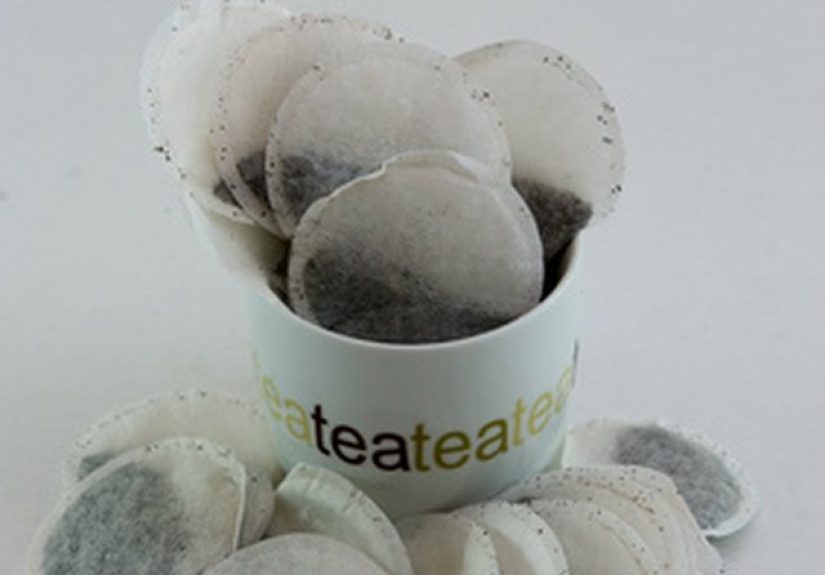
3) Peppermint or chamomile tea: soothingunless reflux is your main issue
Warm herbal tea can calm the “spasm-y” feeling and help with gas or mild nausea.
Peppermint often helps with bloating and cramping, while chamomile is known for its gentle, calming vibe.
- Choose caffeine-free tea.
- Let it cool slightly if strong aromas trigger nausea.
- Drink slowly, especially if you’re prone to reflux.
Important nuance: If you deal with acid reflux/heartburn, peppermint can worsen symptoms for some people.
If peppermint has ever made you feel more “burny,” pick chamomile or ginger instead.
4) Gentle heat: a heating pad (or warm bath) for cramps and tightness
Heat relaxes muscles and can reduce the “clenched” feeling in your abdomen.
This is especially useful if your discomfort feels crampy, tense, or stress-related.
- Use a heating pad on low for 15–20 minutes.
- Or try a warm shower/bath if that’s easier.
- Pair with slow breathing: inhale 4 seconds, exhale 6 seconds for a few minutes.
Safety note: Avoid falling asleep with a heating pad on high, and don’t use heat on numb skin.
5) “Smart bland” eating: small meals, gentle foods, and a quick exit from the BRAT-only era
When you’re ready to eat again, bland foods can helpthink soft, low-fat, and not spicy.
The old BRAT diet (bananas, rice, applesauce, toast) is a helpful starting point for some people,
but it’s not meant to be the whole plan for long.
Try this progression:
- Phase 1 (queasy): broth, crackers, plain toast, rice, oatmeal, bananas.
- Phase 2 (improving): add eggs, yogurt, soup with noodles, mashed potatoes, lean chicken.
- Phase 3 (almost normal): return to balanced mealsfiber and fats gradually.
Practical tip: Eat half-portions every 2–3 hours instead of big meals.
Your stomach wants a gentle re-entry, not a surprise party.
6) Probiotics and fermented foods: helpful for some, especially after diarrhea
Your gut is home to a whole ecosystem. After a stomach bug or a few days of diarrhea,
some people find that probiotics or fermented foods help digestion feel steadier.
- Yogurt with live cultures (plain is often easier than very sweet).
- Kefir, if dairy works for you.
- Fermented foods like sauerkraut or kimchionly once you’re improving, and start with small amounts.
Caution: If you’re lactose-sensitive, dairy may worsen symptoms temporarily. Try lactose-free yogurt or skip dairy until you feel better.
7) Posture + pacing + calm: the underrated “triple threat”
Sometimes the best natural remedy is not a food at allit’s the way you treat your stomach while it’s irritated.
Three habits can reduce nausea and indigestion fast:
- Sit upright after meals for at least 30–60 minutes.
- Take a short, easy walk (5–10 minutes) if you cangentle movement can help gas move along.
- Downshift your nervous system: quiet breathing, a low-stimulation room, and a break from doom-scrolling.
If your stomach upset is stress-linked, calming your body isn’t “in your head”it’s a gut-brain connection doing its thing.
What to eat and drink (and what to pause temporarily)
Gentle choices
- Water, oral rehydration solution, electrolyte drinks, broth
- Bananas, rice, applesauce, toast, oatmeal
- Saltines, pretzels (helpful if you’re mildly nauseated)
- Soup with noodles or rice
- Plain potatoes, eggs, lean poultry (as you improve)
Foods and habits that commonly make things worse
- Alcohol (irritates and dehydrates)
- Greasy or fried foods (slow to digest)
- Very spicy foods (can irritate)
- Carbonated drinks (bloating for many people)
- Lots of caffeine (can worsen nausea or reflux)
- Eating late and lying down right after (reflux’s favorite situation)
When to stop DIY and call a clinician
Natural remedies are for mild, short-lived discomfort. Get medical help sooner if you have:
- Signs of dehydration: very dark urine, dizziness, extreme thirst, confusion, or very little urination
- Severe pain, worsening pain, or pain in one specific spot that doesn’t let up
- Bloody or black stools, or vomiting blood
- High fever or symptoms lasting more than a couple of days without improvement
- Unexplained weight loss, trouble swallowing, or persistent vomiting
If you’re pregnant, immunocompromised, very elderly, or have chronic medical conditions, it’s smart to check in earlier rather than later.
FAQ: quick answers to common “upset stomach” questions
How long should I try home remedies before I worry?
For mild symptoms, many people improve within 24–48 hours.
If you’re not improving after two days, or you’re getting worse, that’s a good time to call your cliniciansooner if red flags show up.
Is peppermint always good for stomach issues?
Peppermint can be soothing for gas and cramping, but it may aggravate heartburn or acid reflux in some people.
If your main symptom is burning in the chest or sour burps, peppermint may not be your best friend today.
Should I force myself to eat?
Not at first. If you’re actively nauseated, focus on fluids.
Once nausea eases, start with small portions of bland foods. Your stomach doesn’t want a challengejust a gentle restart.
Can stress really cause stomach discomfort?
Yes. The gut and brain communicate through nerves, hormones, and immune signaling.
Stress can change stomach acid, gut movement, and sensitivity. That’s why calming routines sometimes help as much as food choices.
What’s the “best” natural remedy?
If we’re picking a universal MVP, it’s hydration. After that, the best remedy depends on your symptoms:
ginger for nausea, peppermint for gas (if no reflux), heat for cramping, and bland foods for recovery.
Real-life experiences (the “what people actually do” part)
Let’s make this practical. When stomach discomfort hits, most people don’t calmly open a textbook. They do a rapid mental scan:
“What did I eat?” “Was that milk… suspicious?” “Did I just swallow air like a vacuum cleaner while eating?”
Here are a few common, relatable scenariosplus what tends to help.
Experience 1: The “ate too fast, now I’m a balloon” moment
This one usually shows up as bloating, pressure, burping, and mild nausea. People often try to “fix” it by lying down.
Unfortunately, lying down can trap gas and (if reflux is involved) invite stomach acid to join the party.
What works better is a short upright reset: sip warm water or tea, take a 5–10 minute easy walk,
and do slow breathing for a few minutes. A heating pad can also relax the tight, crampy feeling.
The big lesson many people learn: your stomach prefers a slow re-entry to normal, not a dramatic flop onto the couch.
Experience 2: The “I feel queasy, so I chugged a drink… and regret it” situation
A common mistake is drinking a large glass of liquid quickly because you’re trying to be “good” about hydration.
Then your stomach rebels like, “Thank you for this wave. I would like to return it to sender.”
People who do better usually switch to tiny sipssometimes literally a tablespoon at a time.
Electrolytes can help if fluids are being lost through diarrhea or vomiting, but the real trick is pacing.
Once you keep fluids down for a while, bland foods like crackers or toast often feel doable.
Experience 3: The “BRAT diet forever” trap
Many people grew up hearing that BRAT is the answer to everything. And for a short window, bland foods can help.
But staying on bananas-and-toast for too long can leave you feeling weak, hangry, and not actually recovered.
A more realistic pattern is “smart bland”: start with gentle carbs and broth, then gradually add protein (eggs, chicken),
and eventually return to balanced meals. People often report their energy returns faster when they move beyond BRAT-only
once their stomach settles.
Experience 4: The “peppermint helped… until the heartburn showed up” surprise
Peppermint tea can feel amazing for gasright up until it doesn’t. Folks who are prone to reflux sometimes notice peppermint
makes the burning feeling worse. When that happens, the workaround is simple: switch to chamomile or ginger and keep meals smaller,
especially at night. Many people also find that staying upright after eating reduces that “acid elevator” effect.
The takeaway: the best remedy is the one that matches your patternbecause guts are personal.
Experience 5: The “stress stomach” that shows up right on schedule
Some stomach discomfort arrives with suspicious timing: before a big presentation, after an argument, or during a week of terrible sleep.
People often describe it as fluttery nausea, tightness, or a knot in the upper belly. In these cases, food isn’t always the main lever.
What helps is lowering stimulation (quiet room, less screen brightness), breathing slowly, sipping warm tea, and eating small, simple meals.
Over time, many people notice a pattern: when sleep improves and stress drops, the stomach gets dramatically less dramatic.
Bottom line: if your symptoms are mild, these strategies can genuinely help. But if you’re seeing red flags,
don’t try to “out-natural-remedy” a problem that needs real medical attention.
Conclusion
Stomach discomfort is commonand usually temporary. The most reliable natural approach is a simple trio:
hydrate, go gentle with food, and reduce irritation.
Ginger, chamomile, heat, and smart bland meals can help you feel better without overcomplicating things.
And if symptoms are severe, persistent, or paired with dehydration or bleeding, get medical advice promptly.



![How Each Generation Shops in 2024 [New Data from Our State of Consumer Trends Report]](https://gearxtop.com/wp-content/uploads/2026/03/how-each-generation-shops-in-2024-new-data-from-our-state-of-consumer-trends-report-mnIzi0Br-thumb.jpg)