Table of Contents >> Show >> Hide
- What Is Moon Gazing?
- Why People Are Drawn to Moon Gazing
- How to Do Moon Gazing
- Potential Benefits of Moon Gazing
- What Moon Gazing Probably Does Not Do
- Is Moon Gazing Safe?
- Best Times and Conditions for Moon Gazing
- How to Make Moon Gazing a Habit
- Final Thoughts
- Moon Gazing Experiences: What It Can Feel Like in Real Life
If you have ever stood outside on a quiet night, looked up at the moon, and suddenly felt like your email inbox mattered just a little less, congratulations: you already understand the basic appeal of moon gazing. It is simple, inexpensive, screen-free, and refreshingly low on equipment. No subscription required. No app trying to sell you “premium moon access.” Just you, the night sky, and a glowing rock doing its ancient thing.
Still, moon gazing is more than staring upward like a poet who misplaced a notebook. For many people, it functions as a mindfulness practice, a nature ritual, and a calming nighttime routine rolled into one. While there is no strong evidence that moon gazing itself is a miracle cure, there is real science behind several of the experiences people associate with it, including stress relief, better focus, a stronger sense of awe, and a healthier wind-down at the end of the day.
In this guide, we will break down what moon gazing is, how to do it safely, why people love it, and which potential benefits are realistic. We will also look at what moon gazing probably does not do, because the internet already has enough magical claims to last several lifetimes.
What Is Moon Gazing?
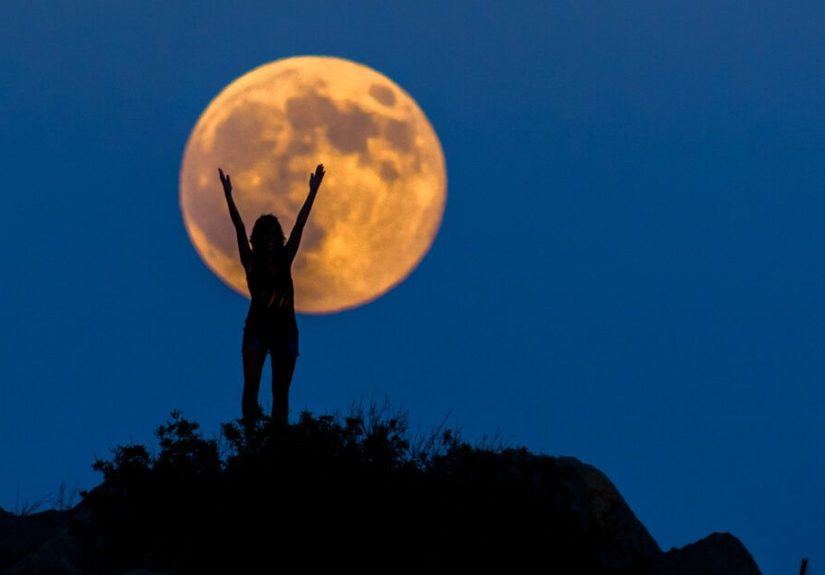
Moon gazing is the practice of intentionally observing the moon, usually in a calm and reflective way. Some people treat it as a form of meditation. Others see it as a nature-based mindfulness exercise. In yoga and wellness circles, it may overlap with moon meditation or lunar rituals. In plain English, though, it is simply making time to look at the moon with attention and purpose instead of noticing it for three seconds while taking the trash out.
Unlike a formal medical treatment, moon gazing is not a standardized therapy with one official method. There is no universal protocol, no medically approved “correct” angle of moon appreciation, and no need to overcomplicate it. At its core, the practice usually involves four things:
- Going outside or sitting by a window with a view of the moon
- Looking at the moon softly and comfortably
- Breathing slowly and paying attention to the present moment
- Allowing thoughts to settle without forcing anything dramatic to happen
That last part matters. Moon gazing works best when you stop demanding that it instantly transform you into a calmer, wiser woodland philosopher. It is a gentle practice, not a performance review.
Why People Are Drawn to Moon Gazing
The popularity of moon gazing makes sense when you consider how modern life feels. Most people spend their days bouncing between notifications, deadlines, traffic, fluorescent lighting, and approximately seventeen browser tabs they do not remember opening. Moon gazing offers the opposite experience: stillness, darkness, quiet, distance, and a sense of perspective.
The moon also creates an easy focal point. Many mindfulness exercises begin with attention to one object, such as the breath, a candle flame, or ambient sound. The moon serves a similar purpose, but with better visual branding. It is steady, familiar, and connected to a natural rhythm that has guided human timekeeping and storytelling for thousands of years.
There is also the emotional pull of awe. Looking at the night sky can make daily worries feel smaller in a healthy way. That does not make your problems fake. It just reminds you that your stressed-out brain is not the center of the universe, which can be weirdly comforting.
How to Do Moon Gazing
1. Choose the right time
You can practice moon gazing anytime the moon is visible, but many people prefer the evening because it feels calmer and more atmospheric. A full moon is the easiest to spot and often the most dramatic. Crescent and quarter moons can be beautiful too, especially if you like a moodier sky and a little less brightness.
2. Find a comfortable spot
Pick a safe, quiet place where you can see the moon clearly. A backyard, balcony, park, beach, rooftop, or open window can all work. If possible, choose an area with limited artificial light so the experience feels more immersive. If your view includes a giant LED billboard selling sneakers, that is not ideal, but do your best.
3. Get settled
Stand, sit, or recline in a position that feels relaxed. Keep your shoulders loose and your jaw unclenched. If it is cold, bring a blanket or jacket. Physical discomfort turns mindfulness into irritation very quickly.
4. Use a soft gaze
Look at the moon gently rather than staring intensely. Let your eyes rest on it. Notice its shape, brightness, color, and the space around it. If clouds drift by, include them in the experience instead of treating them like they ruined your moon appointment.
5. Breathe slowly
Take slow, steady breaths. You do not need a complicated breathing pattern unless you want one. A simple rhythm, such as inhaling for four counts and exhaling for six, can help signal relaxation. The goal is not to breathe like a meditation robot. The goal is to breathe with a little more awareness than usual.
6. Notice what is happening right now
Pay attention to the cool air, distant sounds, the feel of the ground beneath you, and the moonlight in the sky. When your mind wanders to work, errands, or whether your neighbor is judging your moon hobby, gently bring your attention back.
7. Keep it short at first
Start with five to ten minutes. You can always stay longer if it feels good. Short, regular practice is more useful than one ambitious 45-minute session that ends with a sore neck and a mosquito vendetta.
8. Optional: reflect afterward
Some people like to journal after moon gazing. You might write down what you noticed, how you felt, or what thoughts came up. This can turn a simple viewing session into a more intentional mindfulness ritual.
Potential Benefits of Moon Gazing
The most realistic benefits of moon gazing are indirect. In other words, the moon itself is not handing out prescriptions. The practice may help because it combines mindfulness, time outdoors, low-stimulation sensory input, and a break from screens.
Stress relief
Moon gazing can encourage the kind of slow breathing and present-moment attention that helps the body shift out of stress mode. When people step outside, reduce stimulation, and focus on one calming visual object, they often feel less tense and mentally crowded. This is especially true if moon gazing replaces frantic nighttime scrolling, which is basically the emotional equivalent of drinking espresso with your eyeballs.
Better mindfulness and focus
The moon is a natural anchor for attention. Bringing your mind back to the moon whenever it drifts can strengthen mindfulness skills over time. That does not mean one moonlit evening will suddenly turn you into a Zen monk with perfect concentration. But repeated practice can make it easier to notice when your mind is racing and return to the present.
A stronger sense of awe and perspective
Awe is not just a poetic idea. It is a real psychological experience linked with lower stress and better well-being in some studies. The night sky, especially when it feels expansive and quiet, can trigger that response. Moon gazing may help you feel connected to something larger than your daily routine, which can be emotionally grounding.
A calmer nighttime routine
Moon gazing may support sleep indirectly when it becomes part of a low-stimulation wind-down routine. The key phrase here is indirectly. Moon gazing is not the same as a medical treatment for insomnia. But if it helps you put down your phone, dim harsh lights, breathe more slowly, and settle your nervous system before bed, it can absolutely contribute to a better evening rhythm.
More time in nature
Even brief contact with outdoor environments can improve mood, reduce stress, and support mental clarity. Moon gazing creates a reason to step outside and notice the world after dark. That matters more than it sounds. A quiet few minutes under the sky can feel like a reset button for a brain that has been indoors all day.
A meaningful ritual
Humans like rituals. They help create structure, memory, and emotional meaning. A simple moon gazing practice on full moon nights, weekend evenings, or difficult days can become a personal cue to pause and check in with yourself. Sometimes that alone is powerful.
What Moon Gazing Probably Does Not Do
Now for the reality check section, because every wellness topic needs one. There is not strong scientific evidence that moon gazing can detox your body, balance hormones on command, cure anxiety, fix your eyesight, or solve chronic sleep disorders by itself. It also does not give you magical insight into all your ex’s bad decisions, though many people would appreciate that feature.
That does not mean the practice is useless. It just means the most believable benefits come from relaxation, mindfulness, awe, and time outdoors rather than mystical claims. If moon gazing helps you feel calmer, more grounded, and less screen-fried, that is already worthwhile.
If you have ongoing insomnia, depression, anxiety, eye concerns, or other health symptoms, moon gazing can be a supportive habit, but it should not replace medical care or evidence-based treatment.
Is Moon Gazing Safe?
For most people, yes. Looking at the moon with the naked eye is generally considered safe. The moon reflects sunlight, but it is nowhere near the intensity of looking directly at the sun. This is why ordinary moon viewing and lunar eclipses are not treated like solar eclipse events.
Still, a few common-sense guidelines help:
- Do not look at the sun, even “just for a second”
- If you are outside at night, watch your footing and surroundings
- Dress for the weather
- Use minimal artificial light if you want to preserve the calm mood
- If your neck or eyes feel strained, relax and look away for a bit
- If you use binoculars or a telescope, learn proper viewing basics first
If you have a history of light sensitivity or a medical eye condition, use comfort and caution as your guide. The goal is soothing observation, not endurance training for your eyeballs.
Best Times and Conditions for Moon Gazing
If you want the easiest and brightest viewing, aim for a full moon or the nights around it. If you enjoy texture and contrast, a quarter moon can be especially interesting because shadows highlight features on the lunar surface more clearly. A crescent moon, meanwhile, has a quieter, more delicate charm.
Clear skies obviously help, but partly cloudy nights can be surprisingly beautiful. Clouds moving across the moon often make the experience feel even more dramatic. For the best atmosphere, try locations with less light pollution. Darker environments make the night feel richer, calmer, and more immersive.
If you are just getting started, do not wait for the “perfect” moon. Perfection is how hobbies die. If the moon is visible and you have five minutes, you have enough.
How to Make Moon Gazing a Habit
Like any mindfulness practice, consistency matters more than intensity. Here are a few easy ways to make moon gazing part of your routine:
- Step outside for five minutes after dinner
- Use full moon nights as a monthly reset ritual
- Pair moon gazing with journaling or tea
- Invite a partner or friend for a quiet walk
- Swap 10 minutes of screen time for 10 minutes under the sky
The simpler the ritual, the more likely you are to keep it. You do not need to make it mystical, dramatic, or social-media ready. In fact, moon gazing gets better when it is a little boring in the best possible way.
Final Thoughts
Moon gazing is not a miracle cure, but it can be a surprisingly powerful little practice. It gives you a reason to slow down, step outside, breathe deeply, and pay attention to something older and quieter than your daily stress. Its potential benefits are less about “moon magic” and more about what happens when you create space for mindfulness, awe, and a calmer nighttime rhythm.
In a culture that rewards constant stimulation, moon gazing offers something rare: a pause. And sometimes a pause is exactly what your mind has been asking for all along.
Moon Gazing Experiences: What It Can Feel Like in Real Life
One reason moon gazing sticks with people is that the experience is often more emotional than expected. A person might go outside thinking, “I’m just getting some air,” and come back inside feeling noticeably lighter. Not transformed into a mythical forest being, unfortunately, but calmer, steadier, and a little less tangled up inside their own head. That shift is part of the appeal.
For example, imagine someone finishing a long workday filled with meetings, messages, and one suspiciously passive-aggressive spreadsheet. Their brain is still buzzing at 9:30 p.m. Instead of opening another app, they step onto the porch for eight minutes and look at the moon. At first, their thoughts keep sprinting. Then they begin to notice the temperature, the silence between distant sounds, and the shape of the moon behind a passing cloud. Nothing magical happens, yet their breathing slows, their shoulders drop, and they go back inside less agitated than before. That is a very ordinary moon gazing experience, and honestly, ordinary is underrated.
Other people describe moon gazing as a way to create emotional space during difficult seasons. Someone going through grief, burnout, or a major life transition may not want a loud coping strategy. They may not want advice, productivity hacks, or another cheerful podcast telling them to optimize their sadness. Moon gazing can feel different because it asks so little. You step outside, look up, and let the moment be what it is. Some nights that brings relief. Some nights it simply brings stillness. Both can be valuable.
Parents sometimes talk about moon gazing as a small act of reclaiming quiet after the day is done. After the kids are asleep and the house finally stops sounding like a toy factory during peak production, standing outside for a few minutes can feel restorative. It becomes a marker between “the day I had to manage” and “the night I get to inhabit.” Even brief moonlight meditation or simple skywatching can help create that transition.
For couples or friends, moon gazing can be unexpectedly connective. There is something about walking under a bright moon that makes conversation easier and less forced. People often talk more honestly when they are not making direct eye contact across a brightly lit table. The moon gives everyone something shared to look at, which takes pressure off and opens room for reflection, humor, or meaningful silence.
Solo moon gazers often describe a different kind of benefit: perspective. Looking at the same moon humans have watched for millennia can shrink the ego just enough to make everyday stress feel more manageable. Bills still exist. Deadlines still exist. Laundry, for reasons no one understands, definitely still exists. But for a few minutes, those things stop feeling like the entire story of your life.
That may be the most compelling experience of all. Moon gazing does not have to fix everything to matter. If it helps you pause, breathe, and feel present in your own life for even ten minutes, that is already a meaningful return on investment for an activity that costs exactly zero dollars and requires no charger.