Table of Contents >> Show >> Hide
- What is morning sickness, really?
- When does morning sickness startand when does it end?
- Why does morning sickness happen?
- Who’s more likely to get it?
- “Prevention” that’s actually realistic
- At-home treatments that are worth trying first
- Over-the-counter and prescription treatments (what clinicians commonly recommend)
- When morning sickness becomes hyperemesis gravidarum
- A practical “step-up” plan you can discuss with your provider
- Specific examples: what “helpful” can look like day-to-day
- FAQs people always ask (and usually at 2 a.m.)
- Real-world experiences: what people say helps (about )
- Conclusion
“Morning sickness” is one of the biggest lies in human historyright up there with “this meeting will be quick.”
It can show up in the morning, at noon, at midnight, or precisely when someone microwaves fish three rooms away.
The good news: for most people, it’s temporary and manageable. The better news: there are real, evidence-based
ways to reduce nausea and vomiting in pregnancy without turning your life into a bland-cracker documentary.
In this guide, you’ll learn when morning sickness usually starts, why it happens, what actually helps (from food
strategies to medications), what “prevention” realistically looks like, and the red flags that mean it’s time to
call your healthcare provider. We’ll keep it practical, a little funny, and very focused on what works in the
real world.
What is morning sickness, really?
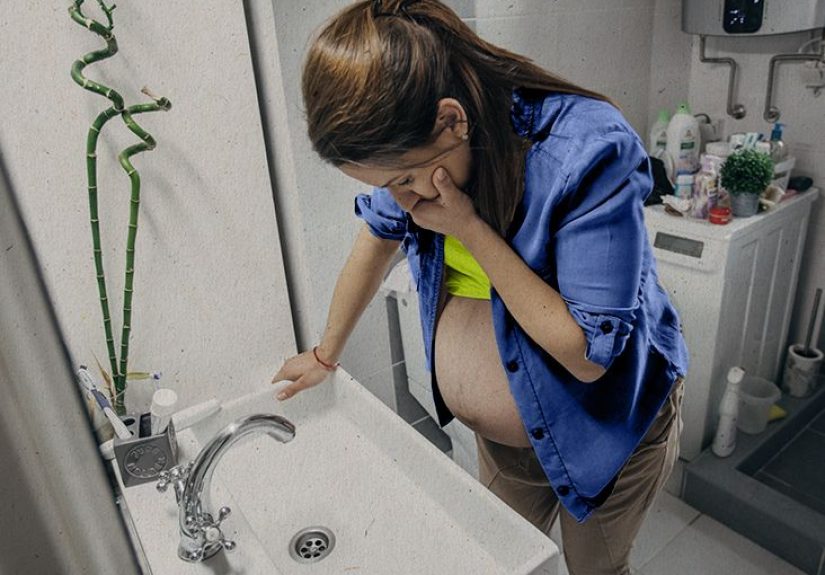
Morning sickness is nausea, with or without vomiting, that happens during pregnancymost commonly in the first
trimester. Despite the name, symptoms can hit any time of day. Some people feel mildly queasy. Others feel like
they’re riding a small boat in a big storm while someone waves a perfume sample under their nose.
Clinicians often call it nausea and vomiting of pregnancy (NVP). It’s very common and usually
not dangerous, but it can seriously mess with daily life: eating, working, sleeping, commuting, and enjoying food
(or even the idea of food).
When does morning sickness startand when does it end?
Typical start: weeks 4 to 6
Morning sickness most often begins in early pregnancy, commonly around weeks 4–6. Some people
notice it earlier; others don’t experience it at all. If you feel nauseated before you’ve even had time to
memorize your prenatal appointment date, you are not alone.
Typical peak: around weeks 9 to 12
Symptoms often ramp up and can peak in the late first trimester. This timing lines up with rapid hormonal changes
early in pregnancy.
Typical improvement: weeks 12 to 14 (but not always)
Many people feel better by the start of the second trimesteroften by weeks 12–14. However,
symptoms can last longer for some, and a smaller group experiences nausea and vomiting well into the second
trimester (or beyond). If yours doesn’t follow the “textbook timeline,” that doesn’t mean anything is wrongbut
it does mean you deserve better symptom control.
Why does morning sickness happen?
The exact cause isn’t pinned to a single villain (this isn’t a detective show), but several factors are strongly
linked to NVP:
- Hormonal changes early in pregnancy (including rises in hCG and estrogen).
- Heightened sense of smell and taste changessuddenly everything has “a smell,” and it’s not your favorite.
- Slower digestion due to pregnancy-related hormonal shifts.
- Individual sensitivity (genetics, history of motion sickness or migraines, etc.).
Importantly, morning sickness can happen in healthy pregnancies, and its severity does not reliably predict how
“well” a pregnancy is going. Your symptoms are real, and they deserve real relief.
Who’s more likely to get it?
Morning sickness can affect anyone who is pregnant, but it’s more common or more intense in some situations, such as:
- A history of nausea in prior pregnancies
- Carrying multiples (twins or more)
- Personal history of motion sickness or migraines
- Higher sensitivity to smells or gastrointestinal issues
“Prevention” that’s actually realistic
Let’s be honest: you can’t always prevent morning sickness the way you prevent a sunburn (no amount of SPF stops
hormones from doing what hormones do). But you can reduce the chance of symptoms spiraling and often
lower intensity with early, consistent habits.
Start prenatal vitamins before pregnancy if possible
If you’re planning a pregnancy, taking prenatal vitamins beforehand may help reduce the severity of nausea and
vomiting in early pregnancy for some people. If you’re already pregnant and your prenatal vitamin makes you feel
worse, ask your provider about timing (night vs morning), taking it with food, switching formulations, or trying
a different type temporarily.
Keep your stomach from going completely empty
An empty stomach can worsen nausea. Many clinicians recommend small, frequent meals or snacksespecially something
bland and dry before getting out of bed (yes, crackers are basically an early-pregnancy currency).
Identify triggers like a detective with snacks
Common triggers include strong odors, spicy/greasy foods, stuffy rooms, heat, and going too long without eating.
You don’t need to “tough it out.” You need a plan: ventilation, cold foods (less smell), and simple carbs/protein
combinations.
Hydration strategies that don’t make you gag
If big gulps of water turn your stomach, try small sips more often, ice chips, or cold fluids. Some people do
better drinking between meals instead of with meals.
At-home treatments that are worth trying first
For mild to moderate morning sickness, lifestyle and food strategies can make a meaningful difference. You can
mix-and-matchbecause morning sickness is annoyingly personal.
1) Small meals, frequent snacks
Aim for something every 1–3 hours while awake. Think “tiny meals” instead of “three big performances.”
Pairing carbs with protein can help stabilize nausea for some people.
2) Bland, easy-to-digest foods
When your stomach is staging a protest, gentle foods often work best: toast, rice, bananas, applesauce, broth,
plain pasta, oatmeal, baked potatoes, crackers. It’s not a gourmet era. It’s a survival era.
3) Protein helps more than you’d expect
Many people tolerate protein-rich snacks better than sugary ones (which can spike and crash). Consider yogurt,
cheese, nuts, nut butter, eggs, or a simple smoothie if liquids go down easier than solids.
4) Ginger (tea, candies, capsuleschoose your character)
Ginger has evidence for helping nausea in pregnancy and is often suggested as a non-drug option. Ginger tea,
ginger candies, or cooking with ginger are common approaches. If you’re considering supplements, it’s smart to
check with your healthcare provider firstespecially if you have bleeding risks or are on blood-thinning
medication.
5) Peppermint or lemon “sensory hacks”
Some people get relief from peppermint or lemon flavors/aromas. This isn’t magic; it’s brain-and-gut teamwork.
If it helps, use it. If it makes you feel worse, skip it with zero guilt.
6) Acupressure wristbands
Wristbands that apply pressure at the P6 (Neiguan) point are commonly used for nausea (also in motion sickness).
Results vary, but they’re low-risk for many people and may be worth a trial.
7) Environmental tweaks
- Open windows, use a fan, and avoid stuffy rooms.
- Try cold foods (less odor).
- Ask someone else to handle cooking smells when possible.
- Stand up slowly in the morningsudden movement can make nausea flare.
Over-the-counter and prescription treatments (what clinicians commonly recommend)
If lifestyle changes aren’t enoughor if symptoms are interfering with your ability to eat, drink, work, or sleep
it’s time to talk treatment. You do not get bonus points for suffering.
Vitamin B6 (pyridoxine)
Vitamin B6 is widely recommended as a first-line option for nausea and vomiting in pregnancy. Your clinician can
advise dosing and what’s appropriate for you, since needs and formulations vary.
Vitamin B6 + doxylamine
If B6 alone isn’t enough, many guidelines support adding doxylamine (an antihistamine found in
some over-the-counter sleep aids). There are also prescription combination products that pair doxylamine and B6.
A common practical note: doxylamine can cause drowsiness, so many people take it at night.
Other anti-nausea medications
For moderate to severe symptoms, clinicians may consider other medicationschosen based on your symptoms, medical
history, and pregnancy stage. Options can include certain antihistamines, dopamine antagonists, or serotonin
antagonists. The “best” medication is the one that safely lets you eat, hydrate, and function.
Fluids and electrolytes (when vomiting is frequent)
Repeated vomiting can lead to dehydration and electrolyte imbalance. If you can’t keep fluids down, your provider
may recommend oral rehydration strategies, anti-nausea medication to allow drinking, or IV fluids if needed.
When morning sickness becomes hyperemesis gravidarum
Hyperemesis gravidarum (HG) is a severe form of pregnancy-related nausea and vomiting. It’s not
“normal morning sickness.” HG can involve persistent vomiting, dehydration, weight loss, and electrolyte
disturbancesand sometimes requires medical treatment such as IV fluids, medications, and close monitoring.
Call your healthcare provider promptly if you notice:
- Signs of dehydration (very dark urine, peeing rarely, dizziness, fainting)
- Inability to keep fluids down for a full day
- Vomiting that’s frequent, persistent, or worsening
- Weight loss or feeling weak and unable to function
If you’re worried, you’re allowed to get help sooner rather than later. Early treatment can prevent things from
escalating.
A practical “step-up” plan you can discuss with your provider
Many care plans follow a stepwise approach: start with low-risk strategies, then add medications if needed. Here’s
a common, provider-guided structure:
- Food and lifestyle: small frequent meals, bland foods, hydration strategies, trigger avoidance.
- Non-drug aids: ginger, acupressure wristbands, sensory strategies.
- First-line medication: vitamin B6, then B6 + doxylamine if needed.
- Prescription antiemetics: if symptoms persist or become moderate/severe.
- Medical support: IV fluids/electrolytes and evaluation if dehydration or HG is suspected.
This approach isn’t about “toughness.” It’s about keeping you nourished, hydrated, and safe.
Specific examples: what “helpful” can look like day-to-day
Example 1: The “morning launch” routine
If mornings are the worst, try a bedside snack (a few crackers or dry cereal), then sit up slowly. Give your body
10–20 minutes before standing. Pair breakfast with a little protein (like yogurt or a spoonful of nut butter)
instead of going full sugar-and-coffee (which can backfire).
Example 2: The smell-trigger survival plan
If cooking smells set you off, lean on cold meals: sandwiches, chilled fruit, yogurt bowls, cereal, smoothies, or
leftover pasta served cold. Ask someone else to cook when possible, and ventilate like you’re airing out a mystery
odor on a spaceship.
Example 3: Hydration when water is “the enemy”
If plain water makes nausea worse, try ice chips, diluted juice, cold electrolyte solutions, ginger tea, or
sipping through a straw. Some people tolerate fluids better between meals than with meals.
FAQs people always ask (and usually at 2 a.m.)
Is morning sickness only in the morning?
Nope. It can happen any time of day. The name is historical, not helpful.
Is it normal to have nausea but not vomit?
Yes. Some people mainly have nausea, smell sensitivity, or food aversions without vomiting.
Can I take anti-nausea medicine during pregnancy?
Many people can, and there are guideline-supported options. The right choice depends on your situationso talk
with your healthcare provider before starting anything new.
Real-world experiences: what people say helps (about )
Medical guidance matters, but so does the lived experiencebecause morning sickness doesn’t happen in a textbook.
It happens when you’re trying to work, take care of family, commute, or just exist without gagging at the smell
of your own shampoo.
One common theme people describe is that “prevention” is really about staying ahead of the nausea.
A lot of folks notice that if they wait until they feel terrible to eat or drink, the whole day becomes harder.
So they keep small “bridge snacks” nearby: crackers, pretzels, a banana, dry cereal, or a protein bar they can
tolerate. It’s less about having the perfect meal and more about keeping the stomach from going completely empty.
Some even set a quiet alarm to nibble before getting out of bedunromantic, yes, but effective for many.
Another frequently shared tip: switching food temperature. People who can’t handle hot meals
sometimes do better with cold or room-temperature foods because they smell less. Cold pasta, yogurt, smoothies,
applesauce, cereal, and sandwiches become “safe” foods. Someone might go through a two-week phase where the only
acceptable cuisine is “plain bagel” (served with a side of existential dread). And that can be okaybecause in the
first trimester, consistency and hydration often matter more than culinary variety.
Many people also describe a game of “find the drink that doesn’t betray you.” Plain water can feel too heavy,
metallic, or just… wrong. Some switch to ice water, others add lemon, and some do better sipping electrolyte
drinks or ginger tea slowly. Drinking between meals instead of with meals is a
trick people mention oftenespecially if a full stomach plus liquid equals instant regret.
On the medication side, people commonly talk about the relief of realizing they don’t have to “power through.”
Some describe trying vitamin B6 first, then adding a provider-recommended sleep-aid antihistamine at night and
waking up feeling more human. A repeated observation is that the goal isn’t to eliminate every trace of nauseait’s
to make symptoms manageable enough to eat, hydrate, and function. The “win” might be: keeping breakfast down,
surviving a meeting, or making it through a car ride without clutching a bag like it’s a security blanket.
Finally, a lot of people say the biggest improvement came from asking for help earlier. Not
waiting until dehydration hits. Not assuming suffering is a rite of passage. Morning sickness is common, but it
can still be intenseand you deserve support, practical strategies, and medical care when needed. If symptoms feel
severe, scary, or unmanageable, that’s not a character-building moment. That’s a “call your provider” moment.
Conclusion
Morning sickness usually starts in early pregnancy (often weeks 4–6), can peak in the late first trimester, and
often improves by weeks 12–14though plenty of people don’t follow the “standard schedule.” The most effective
approach is step-by-step: small frequent meals, hydration strategies, trigger avoidance, ginger or acupressure if
helpful, and guideline-supported medications (like vitamin B6 and doxylamine) when lifestyle changes aren’t
enough. Most importantly: if you can’t keep fluids down, you’re losing weight, or you feel dehydrated, get
evaluatedsevere nausea and vomiting can require medical treatment.