Table of Contents >> Show >> Hide
- What Mounjaro Is (and Isn’t)
- Can You Get a Mounjaro Prescription Online in 2025?
- How to Get Mounjaro Online in 2025: The Step-by-Step Playbook
- Step 1: Know What You’re Treating (and What You’ll Be Asked)
- Step 2: Choose a Legit Telehealth Option (Not a “GLP-1 Vending Machine”)
- Step 3: Labs and Documentation (Why Your Clinician Might Ask for Numbers)
- Step 4: Insurance, Prior Authorization, and the “Paperwork Boss Fight”
- Step 5: Fill Through a Safe, Licensed Pharmacy (Local or Mail-Order)
- How to Spot a Safe Online Pharmacy (and Avoid the Bad Ones)
- Mounjaro Dosing Basics (What Your Online Prescriber Will Usually Follow)
- Side Effects and Safety Topics to Cover in Your Online Visit
- The 2025 Reality Check: Shortages, Compounding, and “Too-Good-To-Be-True” Offers
- FAQ: Quick Answers People Actually Want
- Conclusion: Getting Mounjaro Online in 2025, the Smart Way
- Real-World Experiences (500+ Words): What People Learn After They Click “Book Appointment”
Getting a Mounjaro prescription online in 2025 is totally possibleand for many people, it’s the most practical way to access care without taking a half-day off work, fighting traffic, and sitting under fluorescent lights that make everyone look like a haunted Victorian child.
But “possible” doesn’t automatically mean “safe” or “smart.” Mounjaro (tirzepatide) is a powerful prescription medication, and the internet is… also powerful, in the “can I buy a ‘brand new iPhone’ for $19.99?” kind of way. This guide walks you through how online prescribing works, how to avoid sketchy sellers, what to expect for insurance and pricing, and what a legit telehealth visit should look likeso you can get Mounjaro the right way.
Quick note: This article is educational, not medical advice. Always follow your clinician’s guidance and the FDA-approved prescribing information.
What Mounjaro Is (and Isn’t)
Mounjaro is the brand name for tirzepatide, a once-weekly injection that activates two hormone receptors: GIP (glucose-dependent insulinotropic polypeptide) and GLP-1 (glucagon-like peptide-1). In plain English: it helps improve blood sugar control by enhancing insulin response when glucose is high, reducing glucagon, and slowing stomach emptying.
In the U.S., Mounjaro is FDA-approved as an adjunct to diet and exercise to improve glycemic control in adults and pediatric patients age 10 and older with type 2 diabetes.
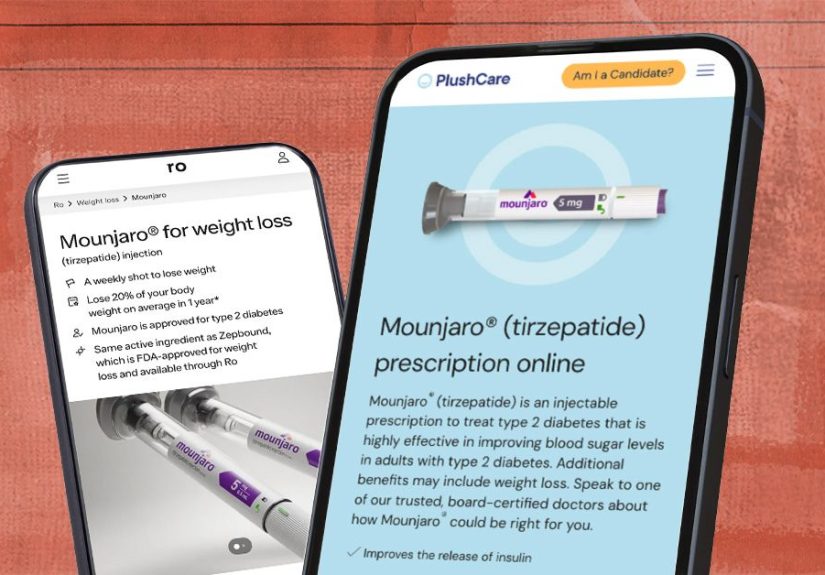
Important: Mounjaro is not the FDA-approved “weight loss version.” That’s Zepbound, which contains the same active ingredient (tirzepatide) but is FDA-approved for chronic weight management (and, per its label updates, other indications). In real life, some clinicians may prescribe Mounjaro “off-label” for weight lossbut insurance coverage and pharmacy policies often differ.
Can You Get a Mounjaro Prescription Online in 2025?
Yesif you go through a licensed prescriber who can practice in your state and follows a real medical evaluation process. Telehealth in 2025 is mainstream: many primary care clinicians and endocrinologists offer virtual visits, and plenty of telehealth platforms connect patients with state-licensed clinicians.
What you cannot do legally (or safely) is buy Mounjaro from a website that:
- Doesn’t require a prescription
- Ships mystery medication from unknown sources
- Offers prices that sound like a prank
- Won’t tell you which pharmacy is dispensing the medication
If your “provider” is basically a checkout page with vibes, that’s not healthcare. That’s online shopping with a side of risk.
How to Get Mounjaro Online in 2025: The Step-by-Step Playbook
- Confirm you’re a reasonable candidate (and pick the right goal: diabetes control vs. weight management).
- Choose a legitimate telehealth route (your own doctor’s telehealth, or a reputable platform).
- Complete the clinical intake (history, meds, conditions, sometimes labs).
- Get the prescription sent to a real pharmacy (local pickup or mail-order).
- Handle insurance + prior authorization (this is where many journeys get… dramatic).
- Start, titrate, and follow up (dose changes and side effects are a normal part of the process).
Step 1: Know What You’re Treating (and What You’ll Be Asked)
In a legit online visit, the clinician isn’t just deciding “Mounjaro: yes/no.” They’re mapping your health picture. Expect questions about:
- Your type 2 diabetes history (A1C trends, current meds, prior therapies)
- Other conditions (kidney disease, gallbladder issues, GI disorders, eye disease, etc.)
- History of pancreatitis
- Family history of medullary thyroid carcinoma or MEN2 (a key contraindication)
- Current meds that raise hypoglycemia risk (like insulin or sulfonylureas)
- Pregnancy status/plans and contraception (Mounjaro can affect oral contraceptive reliability during dose changes)
If your intake form is just “Height, Weight, Shipping Address,” congratulationsyou’re not in a clinic. You’re in a checkout funnel.
Step 2: Choose a Legit Telehealth Option (Not a “GLP-1 Vending Machine”)
Good options usually look like one of these:
- Your current clinician offering video visits (primary care, endocrinology, obesity medicine)
- Health system telehealth connected to a known hospital or clinic network
- Established telehealth platforms that clearly identify clinicians, credentials, and state licensure
Green flags: transparent pricing, real medical history review, easy access to a clinician, and clear pharmacy information. Bonus points if follow-ups are built inbecause dose titration is not a “set it and forget it” situation.
Step 3: Labs and Documentation (Why Your Clinician Might Ask for Numbers)
Depending on your situation, your prescriber may ask for recent labs (or order them), such as:
- HbA1c (to document diabetes control)
- Kidney function (especially if you’ve had dehydration episodes or kidney disease)
- Lipids and liver enzymes (common baseline data for cardiometabolic risk)
If you already have recent lab results, having them ready can speed things upespecially when insurance asks for proof.
Step 4: Insurance, Prior Authorization, and the “Paperwork Boss Fight”
Many insurers require prior authorization (PA) for Mounjaro, especially as demand has grown. In 2025, a typical PA process may involve:
- Confirmation of type 2 diabetes diagnosis
- Documentation of A1C and/or prior medications tried
- Quantity limits and dose rules aligned with labeling
Practical example: A patient with type 2 diabetes currently on metformin may be eligible for coverage with a clinician’s documentation, while someone seeking Mounjaro primarily for weight loss may run into denials and be directed toward obesity-labeled options (like Zepbound), depending on plan rules.
Tip: Ask the telehealth service (or your clinician’s office) whether they handle prior authorizations. If they don’t, you might be doing the insurance tango soloand that dance is not short.
Step 5: Fill Through a Safe, Licensed Pharmacy (Local or Mail-Order)
Once prescribed, you can fill Mounjaro via:
- Local pharmacies (pickup, counseling, sometimes faster troubleshooting)
- Mail-order pharmacies (often required by some insurance plans, convenient delivery)
The safest online pharmacy experiences share a few traits: they require a prescription, have a U.S. address and phone number, employ licensed pharmacists, and are licensed with state boards of pharmacy.
How to Spot a Safe Online Pharmacy (and Avoid the Bad Ones)
The FDA has been very clear: unsafe online pharmacies may sell counterfeit, unapproved, or improperly handled prescription drugs. In 2025, you should be extra cautious with high-demand injectable medications.
Red Flags (If You See These, Back Away Slowly)
- No prescription required
- No U.S. licensing information (or “licensed” with zero proof)
- No pharmacist available to answer questions
- Suspicious packaging, foreign-language boxes, missing expiration dates, damaged cartons
- Prices that seem wildly below typical market cost
- Shady payment practices or unclear privacy protections
Green Flags (The “Okay, This Looks Real” Checklist)
- Requires an e-prescription from your clinician
- Lists a verified physical address and phone number
- Provides access to a licensed pharmacist
- Is licensed with a state board of pharmacy
- Can be checked via pharmacy verification tools (e.g., NABP “Buy Safely” resources)
Mounjaro Dosing Basics (What Your Online Prescriber Will Usually Follow)
Prescribers generally follow the FDA-approved titration schedule to reduce GI side effects:
- Start: 2.5 mg once weekly (this is a starter dose, not intended for glycemic control)
- After 4 weeks: increase to 5 mg once weekly
- If needed: increase in 2.5 mg steps after at least 4 weeks on the current dose
- Max dose (adults): 15 mg once weekly
Missed Dose Rule (The “4-Day Window”)
If you miss a dose, you typically take it as soon as possible within 4 days (96 hours). If more than 4 days have passed, you skip it and take the next dose on your regular schedule. Also: don’t take two doses within 3 days (72 hours).
Storage (Because This Is Not a Shelf-Stable Granola Bar)
Mounjaro is generally stored refrigerated. Certain presentations can be kept at room temperature (not above 86°F) for limited periods. Storage rules vary by pen vs. vial, so follow the dispensing pharmacy instructions and official labeling.
Side Effects and Safety Topics to Cover in Your Online Visit
Most people hear “nausea” and think, “Cool, I’ve survived gas station sushi; I’ll be fine.” Respectfully: different category. GI effects are common with incretin-based therapies, especially during dose increases.
Common Side Effects
- Nausea
- Diarrhea or constipation
- Decreased appetite
- Vomiting
- Abdominal discomfort / dyspepsia
Serious Risks to Discuss
- Thyroid C-cell tumor risk: contraindicated with personal/family history of MTC or MEN2
- Pancreatitis: seek care for severe abdominal pain that may radiate to the back
- Hypoglycemia risk when combined with insulin or sulfonylureas (dose adjustments may be needed)
- Kidney injury risk if severe vomiting/diarrhea causes dehydration
- Gallbladder disease (watch for RUQ pain, fever, jaundice)
- Diabetic retinopathy complications in those with prior retinopathy (report vision changes)
- Severe gastroparesis: Mounjaro isn’t recommended in severe cases
- Planned surgery/sedation: delayed stomach emptying may mattertell your surgical team you’re taking it
- Pregnancy and contraception: may pose fetal risk; oral contraceptive effectiveness can be reduced during initiation/escalation
The 2025 Reality Check: Shortages, Compounding, and “Too-Good-To-Be-True” Offers
Here’s what changed the online Mounjaro conversation going into 2025: the FDA determined that the shortage of tirzepatide injection was resolved (after being in shortage since 2022), and policies around compounding tightened as supply stabilized.
At the same time, the FDA continued warning about unapproved GLP-1 drugs and dosing problems reported with compounded products, especially where patients are forced to measure doses themselves.
Translation: if a site is pitching “miracle tirzepatide” with vague sourcing, unclear concentration, or DIY dosing instructions, that’s not a hack. That’s a hazard.
FAQ: Quick Answers People Actually Want
Is Mounjaro the same as Zepbound?
They contain the same active ingredient (tirzepatide), but have different FDA-approved indications and labeling. Mounjaro is approved for type 2 diabetes; Zepbound is approved for chronic weight management (and other label indications). Your clinician chooses based on your diagnosis and your plan’s coverage rules.
Do online Mounjaro prescriptions require an in-person visit?
Often, no. Because Mounjaro is not a controlled substance, many clinicians can prescribe via telehealth after an appropriate evaluation. That said, a real medical review is still requiredgood telehealth feels like healthcare, not e-commerce.
Can I transfer my prescription to a different pharmacy?
Usually yes. If your pharmacy can’t fill it (or your insurance requires mail order), your prescriber or pharmacy can often transfer the prescription according to state rules and payer requirements.
How fast can I get Mounjaro delivered?
It depends on insurance approvals, pharmacy inventory, and shipping logistics. In practice, the biggest delays are usually prior authorization and plan restrictions, not the shipping label printer.
What should I do if nausea hits hard?
Don’t “power through” severe symptoms. Talk to your cliniciandose pacing, dietary changes, hydration strategies, and timing adjustments can help. Persistent or severe GI symptoms should be evaluated, especially if dehydration is a concern.
Conclusion: Getting Mounjaro Online in 2025, the Smart Way
The safest way to get a Mounjaro prescription online in 2025 is boringin the best possible way: a licensed clinician, a real medical evaluation, a legitimate pharmacy, and follow-ups that treat you like a human, not a subscription.
If you remember nothing else, remember this: no prescription = no deal. When it comes to injectable medications, “easy” is not the same thing as “safe.”
Real-World Experiences (500+ Words): What People Learn After They Click “Book Appointment”
Let’s talk about the part nobody puts on the glossy landing page: the lived experience of trying to get Mounjaro online in 2025. Not the fairy tale version (“Two clicks later, I’m thriving!”), but the real versionwhere insurance speaks in riddles, your pharmacy texts you like a situationship, and you suddenly become a part-time expert in refrigeration logistics.
1) The Prior Authorization Tango (AKA: “Submit… Resubmit… Please Hold.”)
Many people report that the telehealth visit is the easy part. The complicated part is the insurance choreography afterward. A common storyline goes like this:
- You complete the online intake and visit.
- Your clinician sends the prescription.
- Your pharmacy says, “Waiting on prior authorization.”
- Your insurer asks for documentation you’re pretty sure already exists somewhere in the cloud.
- Someone faxes something in 2025, because time is a flat circle.
What helps: having recent labs available, knowing your diagnosis codes (type 2 diabetes vs. weight management), and using a clinic that will actually push the PA process instead of politely wishing you luck from a distance.
2) Dose Titration Reality: “Start Low” Is Not a Suggestion
People sometimes want to jump to a higher dose because they’ve heard “that’s where the magic happens.” In practice, most clinicians titrate carefully because GI side effects can be intense during escalation. Many patients say the first month feels like learning a new rhythm: smaller meals, more water, and discovering that “greasy fast food” and “dose increase week” are a comedy duo nobody asked for.
The folks who tend to do best treat titration like training for a race: they pace themselves, keep notes on symptoms, and communicate with their clinician rather than trying to out-stubborn nausea like it’s a personal enemy.
3) The Pharmacy Hunt: Convenience vs. Reliability
Online prescriptions often come with a fork in the road: local pharmacy or mail-order. People who love local pharmacies say the biggest advantage is human troubleshooting: a pharmacist who can explain what’s happening, call your prescriber, or help navigate insurance quirks.
Mail-order can be wonderfully convenientuntil a shipment gets delayed, a temperature-sensitive package spends too long touring the inside of a delivery truck, or your plan insists on a specific pharmacy network. That’s why experienced patients often ask very practical questions upfront: “How is it shipped?” “What happens if it’s delayed?” “Is there a pharmacist I can reach?”
4) The “Too-Good-To-Be-True” Temptation
In 2025, demand for GLP-1/GIP medications kept scammers busy. Many people admit they were tempted by sites offering unbelievably cheap “tirzepatide” with no prescription and no real pharmacy credentials. The turning point for most? Realizing that with injectables, “counterfeit” isn’t just disappointingit can be genuinely dangerous.
A common lesson learned: if you wouldn’t buy sushi from a gas station at 2 a.m., don’t buy prescription injections from a website that can’t prove it’s licensed. Your future self will thank youpreferably while feeling less queasy.
5) The Unexpected Wins: Better Follow-Up Care (When the Platform Is Legit)
Here’s the good news: many patients report that reputable telehealth clinics can actually improve follow-up care. Easy messaging, scheduled check-ins, and quick dose adjustments can make treatment feel more supported than traditional “see you in six months” careespecially for people juggling work, caregiving, or transportation barriers.
The best experiences share a theme: the platform doesn’t just hand over a prescription; it provides a plan. That includes managing side effects, coordinating labs, handling prior authorization, and setting realistic expectations. In other words: it feels like healthcare, not a subscription box.